
Starting your creative journey begins with choosing the right medium. The ideal choice is not about finding the objectively superior paint, but selecting the one that aligns with your immediate environment, budget, and learning style. If you pick a medium that clashes with your daily routine, frustration will likely stall your progress before you can master basic brushwork.
Quick Diagnostic: Which Paint Medium Matches Your Lifestyle?
To make a smart choice, start by assessing your daily routine and physical environment. Your choice of paint should integrate easily into your living space and schedule.
If you live in a compact apartment, value a fast cleanup, and prefer painting on paper, watercolor is your ideal match. This medium is highly portable, requires minimal storage space, and uses only water for cleanup.
Products mentioned in this guide
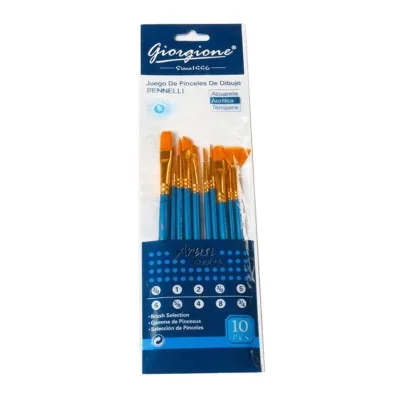
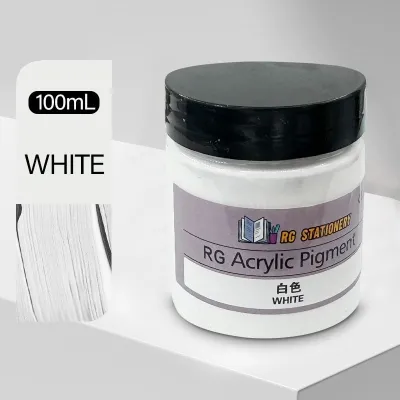
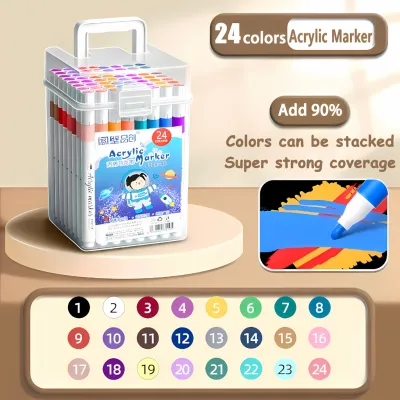
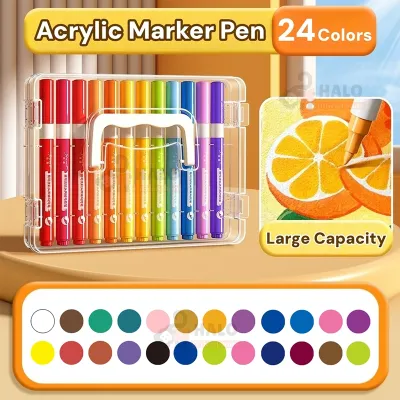
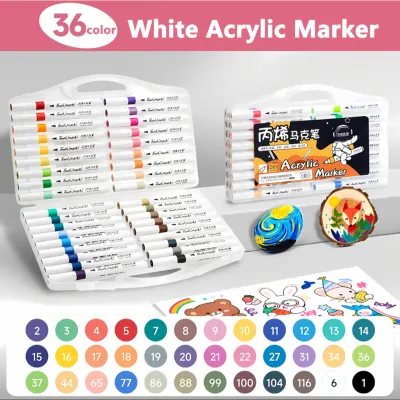
Prices are valid at publication and may change. Please refer to the product page for the latest price.
If you want a versatile paint that dries quickly, allows you to paint over mistakes, and works on almost any surface, acrylic is your best option. It is perfect for beginners who want to see immediate results and experiment with bold colors.
If you enjoy slow, meditative blending, rich textures, and have a dedicated space with good ventilation, oil paint is the traditional choice. It offers unmatched workability but demands patience and careful safety practices. Review the detailed breakdowns below to confirm your choice before purchasing any supplies.
Assessing Your Workspace, Climate, and Cleanup Tolerance
Your physical painting environment plays a massive role in your success. Before purchasing any painting set materials, look at where you plan to paint and how much time you can dedicate to cleaning up your tools.

The physical footprint and ventilation needs of each medium vary significantly. Watercolors and acrylics are water-based, emit virtually no fumes, and can be safely used on a standard study desk or dining table. Oil paints, however, traditionally require organic solvents like mineral spirits or turpentine for thinning and cleanup. These solvents release volatile organic compounds (VOCs) that can quickly accumulate in enclosed spaces. If you live in a typical high-rise condo or a room that relies on closed air conditioning, the lack of cross-ventilation makes traditional oil painting solvents a safety hazard.
Local climate conditions also dictate how these paints behave on your easel. In the warm, humid climate of the Philippines, humidity levels directly impact drying times. Watercolor washes dry much slower on humid days, meaning you must wait longer between layers to prevent colors from bleeding together uncontrollably. Conversely, acrylic paint dries incredibly fast through evaporation. In hot tropical weather, acrylic paint on an open plastic palette can skin over and become unusable within five to ten minutes, requiring you to mist the palette with water or use a specialized stay-wet palette. Oil paint dries through a slow chemical oxidation process rather than evaporation, remaining workable for days regardless of humidity. However, the damp climate means you must store drying oil paintings in a well-ventilated, dry room to prevent mold from growing on the organic canvas fibers.
Cleanup routines require different levels of discipline. Watercolor is the most forgiving, as dried paint on your palette can simply be reactivated with water at any time, and brushes rinse clean under a tap. Acrylic paint is water-soluble only while wet; once it cures, it turns into a water-resistant plastic polymer. If you let acrylic paint dry on your synthetic brushes, the bristles will be permanently glued together and ruined. Oil cleanup is the most labor-intensive, requiring you to wipe away excess paint with a rag, rinse the brushes in solvent or specialty oil, and wash them thoroughly with brush soap and warm water to prevent the natural bristles from drying out and splitting.
Matching Your Artistic Goals and Learning Curve
Beyond practical space constraints, your chosen medium must align with the visual style you want to create and your tolerance for specific learning hurdles.
Watercolor is celebrated for its luminosity, delicate washes, and atmospheric transparency. Because the paint is translucent, you cannot easily paint light colors over dark colors; instead, you must plan your composition carefully, leaving the white of the paper untouched to represent the brightest highlights. This requires a high degree of water control and patience. If you apply too much water, the paper may buckle or the colors may bleed into unwanted areas. If you make a mistake, the paint is difficult to erase or cover up, making watercolor an unforgiving but deeply rewarding medium to master.
Acrylic paint offers maximum versatility and a highly forgiving learning curve. It is an opaque medium, meaning you can easily correct mistakes by letting the paint dry and painting a new layer directly over it. This allows you to work from dark to light values, which is highly intuitive for beginners. Acrylics can be applied thickly to mimic oil paint or thinned with water to mimic watercolor washes. The primary challenge with acrylics is their rapid drying speed, which makes smooth, gradual color blending difficult. You must work quickly or use acrylic retarder mediums to keep the paint wet long enough to blend soft gradients.
Oil paint is the ultimate medium for rich blending, deep color saturation, and textured impasto work. Because oil paint remains wet for days, you can blend colors directly on the canvas with absolute precision, creating seamless transitions in skin tones or soft skies. However, oil painting has a steeper technical learning curve. You must understand the structural rules of oil paint layers, specifically the “fat-over-lean” principle. This rule dictates that flexible, oil-rich layers (fat) must be applied over fast-drying, solvent-thinned layers (lean) to prevent the top layers from cracking as the painting cures over several months.
Evaluating Costs and Essential Painting Set Materials
The financial investment required to start painting depends heavily on the auxiliary supplies each medium demands. While beginner paint sets themselves are relatively affordable, the total cost of your starter kit will be shaped by the paper, canvases, brushes, and cleaning agents you need to purchase.
A beginner budget for watercolor or acrylic painting is highly accessible, with basic starter sets and essential papers ranging from ₱500 to ₱1,500. Oil painting carries a higher entry barrier, typically costing between ₱1,800 and ₱3,500 to assemble a safe, functional kit. This higher cost is due to the necessity of primed canvas supports, specialized palette knives, drying oils, and brush cleaning solvents. When selecting any painting set materials, always check the packaging for safety certifications, such as the ASTM D-4236 standard, which verifies that the art materials have been evaluated for chronic toxicity.
Watercolor Starter Materials
To build a reliable beginner watercolor kit, focus on high-quality paper rather than expensive paints. The interaction between water, pigment, and paper determines your success.
- Paint Set: Choose a 12-color pan or tube watercolor set. Pan sets are highly portable and dry, making them excellent for quick sessions.
- Paper: Select 100% cotton, cold-pressed watercolor paper with a weight of at least 300 gsm (140 lb). Lower-weight papers will warp, buckle, and cause paint to pool unevenly.
- Brushes: Purchase round synthetic brushes in sizes 2, 6, and 10. Synthetic fibers maintain a sharp point and offer excellent spring.
- Accessories: Keep two water cups handy (one for rinsing dark pigments, one for clean water), a plastic mixing palette, and low-tack masking tape to secure your paper to a rigid board.
Acrylic Starter Materials
An acrylic starter kit should focus on durable synthetic tools that can withstand the fast-drying, plastic nature of the acrylic binder.
- Paint Set: Opt for a student-grade heavy-body acrylic set with 12 tubes, which provides a thick, paintable consistency.
- Surface: Use pre-primed canvas panels or heavy mixed-media paper rated at 290 gsm or higher to prevent the heavy paint from tearing the fibers.
- Brushes: Select synthetic flat, round, and filbert brushes. Synthetic bristles are durable enough to handle the abrasive acrylic binder and are easy to clean.
- Accessories: Use a flat plastic or glass palette. Consider a stay-wet palette, which uses a damp sponge layer to prevent your acrylic paints from drying out during your session.
Oil Paint Starter Materials
An oil painting kit requires specific mediums and safety tools to manage the slow drying times and chemical properties of the paint.
- Paint Set: Buy a student-grade oil paint tube set containing primary colors, titanium white, and raw umber for sketching.
- Surface: Use pre-gessoed canvas boards or stretched canvases. Raw, unprimed canvas will absorb the oil from the paint, causing the fabric to rot over time.
- Brushes: Purchase stiff hog bristle or firm synthetic brushes designed specifically for oil paint, as soft watercolor brushes cannot push the heavy paint film.
- Mediums and Solvents: Secure a bottle of refined linseed oil to thin the paint and increase gloss, and an odorless mineral spirit (or a solvent-free cleaning oil) for brush cleaning.
- Accessories: A metal palette knife is essential for mixing paint on a glass or wooden palette without wasting pigment.
Your Next Steps: Building Your First Starter Kit
When you are ready to purchase your painting set materials, start small and prioritize learning over premium gear. Student-grade paint sets from reputable brands are highly cost-effective because they replace rare, expensive organic pigments with safe, synthetic alternatives, allowing you to practice without worrying about the cost of each brushstroke.
Before committing to a large canvas, perform a simple trial on a small scrap piece of your chosen surface. Apply a few brushstrokes of varying thickness to observe how smoothly the paint flows, how quickly it dries under your local room conditions, and whether the paper fibers pill or bleed. This simple test helps you calibrate your water-to-paint or oil-to-paint ratios to match the ambient humidity of your room.
When shopping at local art retailers or online craft stores in the Philippines, look for bundled beginner kits that specify the exact paper weight or canvas priming. Ensure that the paper included is rated for your specific medium; using watercolor on thin sketch paper or acrylic on unprimed board will result in warping and peeling, ruining your hard work before it has a chance to dry.
Frequently Asked Questions (FAQ)
Choosing the right painting materials often raises practical questions about compatibility, safety, and long-term costs. Here are the answers to the most common concerns beginners face when starting their art journey.
Can I mix acrylic and oil paints in the same painting?
You cannot mix wet acrylic and oil paints directly on your palette or canvas because their chemical binders are completely incompatible. Acrylic paint is water-based, while oil paint relies on drying oils; mixing them wet-in-wet will cause the paint to bead up, separate, and fail to adhere to the surface. However, you can safely paint oils over dry acrylics. Many artists use fast-drying acrylics to block in the basic shapes and colors of their painting, wait for it to dry completely, and then apply detailed oil layers on top. You must never paint acrylics over oils, as the acrylic layer will fail to bond with the oily surface and will eventually crack and peel off.
Do I need to buy expensive natural hair brushes for my first watercolor set?
No, you do not need expensive natural hair brushes, such as pure Kolinsky sable, for your first watercolor set. Modern synthetic blend brushes are highly advanced and offer excellent water absorption, a sharp point, and a reliable spring at a fraction of the cost. Natural hair brushes are delicate, require specialized cleaning, and can be easily damaged by beginners who are still learning proper brush care. Start with high-quality synthetic rounds, which are durable and highly forgiving, and only consider upgrading to natural hair once you have mastered water control and brush preservation.
Is it safe to use traditional oil paints in a small, unventilated apartment?
Using traditional oil paints with volatile solvents like turpentine or standard mineral spirits is unsafe in a small, unventilated apartment due to the risk of inhaling toxic fumes. If you are painting in a compact space or a room with closed air conditioning, you should opt for water-mixable oil paints, which can be thinned and cleaned with plain water instead of solvents. Alternatively, you can paint solvent-free by using refined linseed oil or walnut oil to thin your paint, and cleaning your brushes with vegetable oil followed by a standard brush soap, eliminating hazardous fumes entirely from your workspace.
Community discussion
Share your experience or ask a question. Comments are reviewed before publication.