
Choosing the right pencil holder for beginners depends entirely on your child’s current hand strength, finger coordination, and specific writing habits. There is no single design that works for every young writer. Instead, the ideal tool is one that addresses their unique developmental stage—whether they need a simple tactile reminder to place their fingers correctly, a physical barrier to stop their fingers from crossing over, or a soft cushion to relieve excessive pressure. By matching the grip design to your child’s observable writing habits, you can make writing comfortable and prevent early hand fatigue.
Observe Your Child's Current Pencil Grip and Writing Signals
Before purchasing any writing aid, take a few minutes to watch your child draw or write without offering any corrections. Young children naturally progress through several developmental grip stages. A toddler often starts with a fist grasp, using their whole hand to hold the pencil. As they grow, they may transition to a digital pronate grasp, where their fingers point down toward the paper, but their wrist remains stiff. Eventually, they should develop a mature tripod grip, using the thumb, index finger, and middle finger to control the pencil with precision.
Watch for physical signals that indicate your child is struggling or straining their hand muscles. If you notice white knuckles, it means they are squeezing the pencil far too tightly. Another common sign is pressing down so hard on the paper that the pencil lead frequently breaks or the paper tears. You might also see them frequently shaking their hand, rubbing their wrist, or complaining of tiredness after writing just a few letters.
Products mentioned in this guide
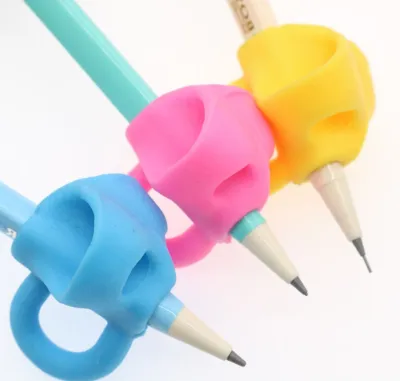
![[COD] SAjeNH SPORT Silicone Pencil Grips Children Writing Pencil Pen Holder Five Fingers Fixed Handwriting Posture Correction Assisted Grip](https://img.lazcdn.com/g/p/b964a25a8225f3d233a1a582c5d70ce4.jpg_400x400q80.jpg_.webp)
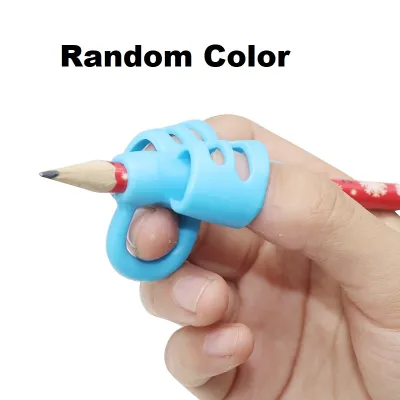
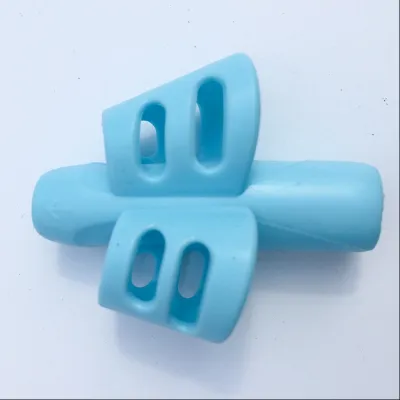
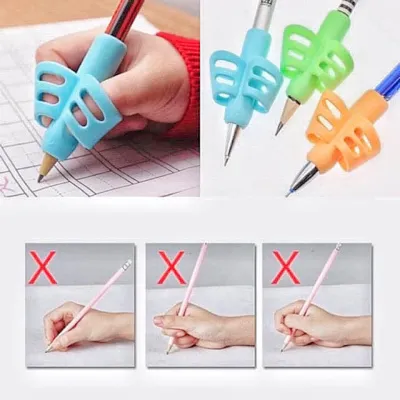
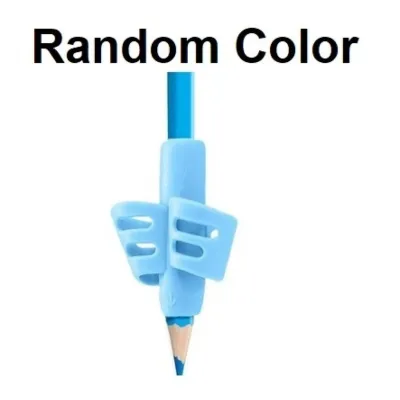
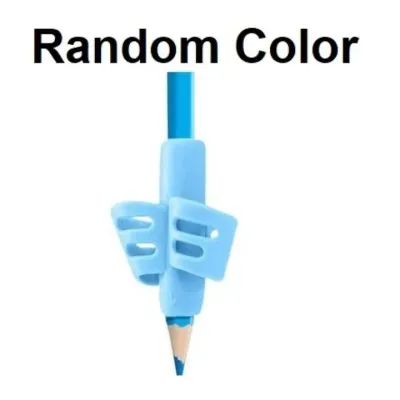
Prices are valid at publication and may change. Please refer to the product page for the latest price.
Pay close attention to their overall frustration levels and endurance during short drawing or tracing tasks. If a child avoids coloring activities or becomes irritable during homework, the physical discomfort of holding the pencil is often the hidden culprit. Identifying these specific physical signals first ensures you select a grip that targets their actual discomfort rather than just guessing.
Match Specific Grip Issues to Pencil Holder Types
Pencil grips are not one-size-fits-all solutions, and using the wrong type can actually hinder your child’s natural hand development. The primary goal of a grip is to provide temporary support while your child builds the necessary muscle memory and hand strength. To choose the right one, you must determine whether your child needs basic positioning cues, physical finger separation, or pressure relief.

For instance, a child who already has decent hand strength but simply forgets where to place their fingers will require a completely different design than a child who tightly wraps their thumb over their index finger. By categorizing grips into specific functional types, you can systematically address these different writing challenges.
Triangular and Standard Cushion Grips
Triangular and standard cushion grips are the most basic and least restrictive options available. These grips typically feature a simple three-sided design that naturally guides the fingers into a tripod position. They are highly effective for children who already possess adequate hand strength but need a gentle, tactile reminder of where their fingers should rest.
Because these grips do not physically lock the fingers into place, they encourage the child to actively engage their own hand muscles. This active engagement is crucial for building long-term muscle memory. The subtle flat surfaces of a triangular grip prevent the fingers from sliding down toward the pencil tip, allowing for a clearer view of the paper.
When trying these out, check if the child can maintain the suggested finger position without the grip slipping during use. In humid tropical climates, standard rubber or foam grips can sometimes slide up and down the pencil shaft due to hand sweat. Look for high-quality silicone options that offer a snug fit on standard wooden pencils to prevent this frustrating slippage.
Claw and Crossover Grips
If your child struggles with overlapping fingers or a tight thumb-wrap grip, simple triangular cushions may not be enough. This is where claw and crossover grips become necessary. These designs feature physical barriers, such as built-in finger cups, loops, or large wings, that physically prevent the thumb and index finger from crossing over each other.
The claw grip typically has three distinct cups where the child must place their thumb, index, and middle fingers. This design is excellent for children who completely lose their grip structure the moment they start moving the pencil. The physical loops act as a guide, keeping the fingers separated and properly aligned without requiring constant verbal reminders from a parent or teacher.
Keep in mind that these highly structured grips provide a high level of restriction. They should generally be used as a corrective tool when basic tactile cues have failed to stop finger-crossing habits. Once the child begins to understand the physical feeling of the correct finger separation, you can plan to transition them to a less restrictive grip style.
Ergonomic and Contoured Grips
Some beginner writers have plenty of control but suffer from extreme tension, gripping the pencil with a tight squeeze that leads to rapid fatigue. Ergonomic and contoured grips are specifically designed to distribute pressure evenly across the fingers and palm. These grips are usually wider and made of highly compliant, soft materials that absorb the force of a tight squeeze.
By increasing the diameter of the writing tool, ergonomic grips reduce the amount of finger flexion required to hold the pencil. This wider surface area helps prevent painful hand cramps and deep, red indentations on the child’s fingers. It allows the hand to remain in a more relaxed, open posture, which naturally improves writing endurance.
However, you must verify that the wider surface area does not make the pencil too bulky for your child’s small hands. If a grip is too large, the child’s fingers will struggle to wrap around it comfortably, which can lead to a different set of posture issues. Always test the grip size against the actual scale of your child’s hand to ensure a comfortable, relaxed fit.
Verify Compatibility and Safety Before Purchasing
Before purchasing any pencil holder for beginners from an online marketplace or local stationery store, you must verify its physical compatibility with your child’s existing writing tools. Measure or check the inner diameter of the grip against the specific pencils, crayons, or markers your child uses most often. Many beginner writers start with thick, jumbo-sized pencils, which will not fit into standard-sized pencil grips. Conversely, standard grips will slide right off thin colored pencils.
Safety is another critical factor, especially for younger beginners who may still put objects in their mouths. Ensure the material is non-toxic, medical-grade silicone or latex-free rubber, as these accessories will have prolonged contact with your child’s skin. Additionally, verify that the grip is large enough to prevent choking hazards. Extremely small, slip-on rubber bands or tiny decorative grips should be avoided for very young children.
You also need to confirm whether the design is ambidextrous or specifically molded for left- or right-handed use. Many highly contoured grips and claw grips have specific finger molds that only work for right-handed writers. If your child is left-handed, using a right-handed molded grip will force their hand into an awkward, painful position. Always check the product specifications to ensure the grip supports your child’s dominant hand.
Decide When to Use a Grip, Practice, or Seek Professional Help
While a pencil holder for beginners is a helpful tool, it should not be the only method you use to improve your child’s writing. Developing fine motor skills requires a holistic approach. You can continue natural fine motor practice at home using everyday household items. Activities like squeezing playdough, using plastic tweezers to pick up small objects, tearing paper, and threading beads all build the intrinsic hand muscles needed for a natural grip.
It is also important to recognize when commercial stationery aids are not enough. If your child experiences persistent pain, shows extreme frustration, or cannot hold a pencil even with a specialized grip, it may be time to consult a pediatric occupational therapist. An occupational therapist can evaluate your child’s shoulder stability, wrist strength, and sensory processing to address the root cause of their writing difficulties.
Finally, remember that a pencil grip is meant to be a temporary training aid. As your child’s hand strength and muscle memory improve, advise them on gradually weaning off the grip holder. You can do this by using the grip only during longer writing sessions at first, then transitioning to a simpler triangular grip, and eventually writing with the bare pencil. Celebrating their progress throughout this transition will boost their confidence as independent writers.
Frequently Asked Questions (FAQ)
Can a pencil grip holder permanently correct a child's writing posture?
A pencil grip holder is an excellent tool for building muscle memory and showing a child what a comfortable grip feels like, but it cannot permanently correct writing posture on its own. Permanent correction requires consistent, daily practice, active conscious effort from the child, and the natural development of hand and finger strength. The grip acts as a supportive training wheel; the ultimate goal is for the child to internalize the correct finger placement so they can maintain it even when the grip is removed.
How should I clean and maintain silicone or rubber pencil grips?
Because pencil grips are handled daily by children, they can quickly accumulate dirt, oils, and sweat, especially in warm climates. To clean silicone or rubber grips, wash them thoroughly with mild dish soap and warm water, then let them air dry completely before sliding them back onto a pencil. Avoid using harsh chemical solvents or boiling water, which can degrade the material and cause it to become sticky or lose its shape. Regularly inspect the grips for any tears, deep cracks, or permanent stickiness, as these are clear signs that the grip has worn out and needs to be replaced.
Community discussion
Share your experience or ask a question. Comments are reviewed before publication.