
Quick Answer: Which Grip Type is Best for Long Writing Sessions?
No single pencil rubber grip type serves as a universal cure for writing fatigue because the ideal choice depends on your individual hand posture, grip pressure, and existing joint pain. If you experience sharp joint pain or localized calluses, an ergonomic or contoured grip is generally the best option because it maximizes pressure distribution across the finger pads. For writers who struggle with hand strain due to improper finger placement or an unstable grasp, a triangular grip offers the most effective solution by gently guiding the hand into a traditional tripod position.
When choosing a grip, you must also consider physical compatibility. A grip that is too loose will slide during use, while one that is too tight can tear during installation or distort the pencil barrel. Always match the inner diameter of the grip to the specific thickness of your wooden or mechanical pencil before purchasing. For standard wooden pencils, this is typically around 7mm to 8mm, whereas mechanical pencils vary widely.
Why Your Hand Gets Tired: The Mechanics of Writing Fatigue
Writing fatigue is rarely caused by the simple act of holding a pencil; instead, it stems from the mechanical forces your hand exerts to maintain control over the writing instrument. The most common culprit is excessive grip force, often referred to as the “death grip.” When you squeeze the pencil tighter than necessary, the muscles in your fingers, palm, and forearm remain in a state of constant contraction, rapidly depleting local energy reserves and causing lactic acid buildup.
Products mentioned in this guide
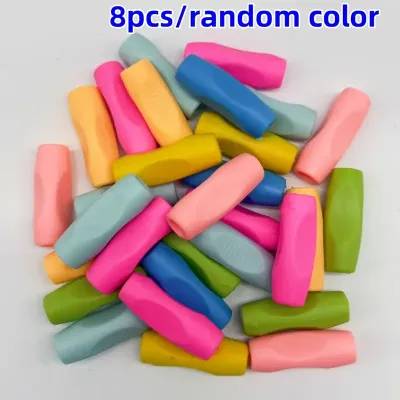
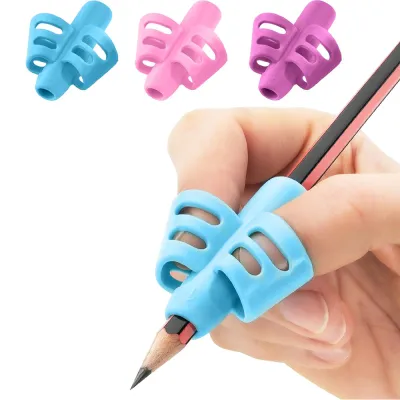
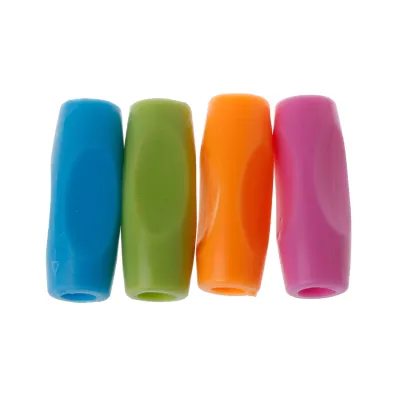
3Pcs Silicone Writing Aid Grip for Kids Children Learning Pen Pencil Aid Grip Kids Writing Posture Corrector Pencil Holder Tools](https://img.lazcdn.com/g/p/70835438659ac5b5b379e0b7cd7eb34d.jpg_400x400q80.jpg_.webp)
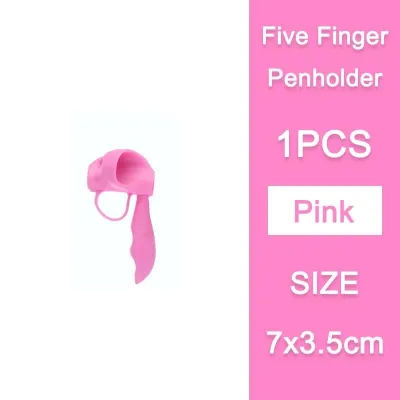
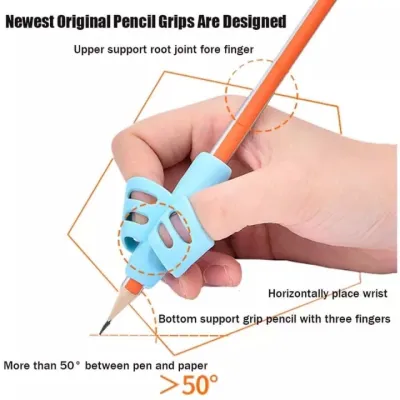
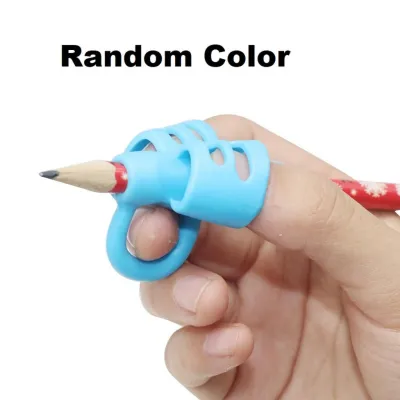
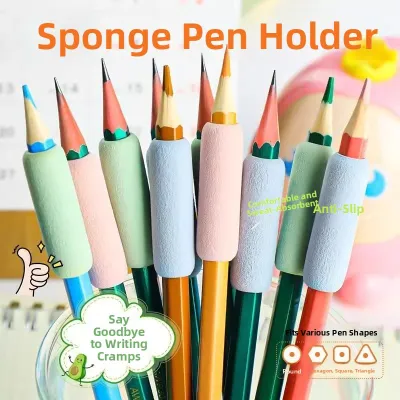
Prices are valid at publication and may change. Please refer to the product page for the latest price.

Poor finger positioning further compounds this muscle strain. For example, wrapping the thumb tightly over the index finger blocks the natural pivot motion of the fingers, forcing your larger wrist and forearm muscles to compensate for every stroke. This awkward alignment increases tension in the tendons, which can eventually lead to persistent joint soreness and repetitive strain injuries over extended writing sessions.
In tropical and humid environments, such as during school or professional board exams in the Philippines, environmental factors play a major role in hand fatigue. High humidity levels lead to sweaty fingers, which dramatically reduces the friction between your skin and a bare wooden or plastic pencil barrel. To prevent the pencil from slipping out of alignment, you naturally squeeze the barrel much harder, accelerating muscle exhaustion.
Without a soft, compliant buffer, the concentrated pressure of a hard pencil barrel presses directly against the delicate nerves and blood vessels of your fingers. Over hours of continuous writing, this localized pressure causes painful calluses, numbness, and deep joint throbbing. Understanding whether your specific fatigue is caused by poor posture, excessive squeezing, or environmental slipping is the first step in selecting the correct corrective tool.
Comparing Common Pencil Rubber Grip Types for Strain Relief
To address these mechanical challenges, manufacturers design pencil rubber grips in several distinct shapes, each targeting a specific cause of hand strain. These accessories modify the external diameter of the writing tool, alter the surface friction, and redistribute the physical forces of writing.
Before evaluating these shapes, it is essential to check your writing medium. Standard wooden pencils, mechanical pencils, and heavy-duty drafting tools all have different barrel profiles, so ensure the grip’s internal channel matches your preferred stationery. Below, we compare the four primary grip designs available on the market.
Triangular Grips
Triangular grips feature three distinct, flat sides that run parallel to the length of the pencil barrel. This structural design is specifically engineered to guide your thumb, index finger, and middle finger into the classic tripod grasp, which is widely considered the most efficient writing posture. By providing flat surfaces for each finger, these grips prevent your hand from slipping into overlapping or crossed-finger positions.
These grips are highly effective for writers whose fatigue is caused by an unstable, constantly shifting grasp. Because the flat surfaces provide clear tactile boundaries, you do not have to constantly micro-adjust your hand position during fast-paced writing tasks. This stability helps maintain a consistent writing angle, which in turn ensures uniform lead wear and smoother lines on the paper.
However, triangular designs have clear limitations for certain users. If you have larger hands, the relatively narrow flat faces of a standard triangular grip can feel restrictive, forcing your fingers into a cramped cluster. Additionally, if you already have a deeply ingrained, non-standard writing posture that you cannot easily change, forcing your fingers onto these flat planes can create new, uncomfortable pressure points and increase muscle tension.
Ergonomic and Contoured Grips
Ergonomic or contoured grips utilize asymmetrical, organic shapes—often resembling waves, shells, or fish—with molded indentations designed to cradle the natural curves of your fingers. Instead of forcing your hand into a generic shape, these grips conform to the anatomy of the human hand, distributing the downward writing pressure over a much larger surface area of your skin.
This broad distribution of force makes contoured grips highly effective at preventing localized joint pain and calluses. By filling the natural gaps between your gripping fingers, they minimize the empty space within your grasp, allowing you to control the pencil with significantly less muscular effort. This makes them an excellent choice for long essay writing or multi-hour examinations.
Despite their high comfort levels, ergonomic grips require careful verification before purchase. Many of these designs are strictly directional, meaning they are molded specifically for either right-handed or left-handed writers; using a right-handed ergonomic grip with the left hand will actually worsen hand strain. Furthermore, because of their complex internal molding, you must ensure the grip’s inner channel matches your specific pencil brand to prevent twisting during use.
Cylindrical and Cushioned Grips
Cylindrical grips maintain the traditional round profile of a standard pencil but increase the overall barrel diameter while adding a thick layer of soft, shock-absorbing material. These grips often feature external ridges, ribs, or a matte texture to enhance surface friction. They provide uniform cushioning around the entire barrel, making them highly versatile and easy to use.
These grips are ideal for writers who already employ a correct, relaxed tripod grasp but simply require extra padding to protect their fingers from the hard surface of the pencil. Because they do not feature fixed finger slots, they allow you to rotate the pencil freely to maintain a sharp lead point—a crucial technique when using traditional wooden pencils that wear down unevenly.
However, a common pitfall of cylindrical cushioned grips is the density of the rubber material. If the rubber or foam is excessively soft and squishy, your fingers will sink deeply into the material, which reduces your precise control over the pencil tip. To compensate for this loss of precision during detailed writing or shading tasks, you may paradoxically squeeze the grip much harder, leading to rapid muscle fatigue.
Bulbous or Ball-Shaped Grips
Bulbous or ball-shaped grips feature a large, rounded, spherical or egg-shaped body that fits into the palm and the web space between your thumb and index finger. This design physically prevents your fingers from closing tightly together, forcing your hand to remain in a wide, open, and relaxed position while writing.
These oversized grips are highly beneficial for individuals who suffer from severe thumb cramping or those who tend to apply extreme downward force. By opening up the hand grasp, these grips transfer the primary control of the writing instrument from the small, easily fatigued muscles of the fingers to the larger, more resilient muscles of the wrist and forearm, significantly reducing localized strain.
On the downside, bulbous grips are exceptionally bulky and heavy compared to other options. This size makes them poorly suited for tasks that require fine, detailed writing, such as complex mathematical equations or intricate technical drawing. They can also feel overwhelming for writers with smaller hands and are difficult to store in standard pencil cases.
Quick Comparison: Grip Types and Fatigue Relief Features
| Grip Type | Primary Benefit | Best For (User Profile) | Potential Drawback | Sizing/Compatibility Check |
|---|---|---|---|---|
| Triangular | Corrects finger posture and stabilizes the writing angle | Writers with shifting grips or improper finger placement | Can feel restrictive or create pressure points for large hands | Fits standard 7mm–8mm wooden pencils best |
| Ergonomic / Contoured | Distributes pressure evenly to prevent calluses and joint pain | Writers experiencing sharp joint pain or localized soreness | Often hand-dominant (right/left-specific); cannot rotate pencil | Must match specific pencil brand and hand orientation |
| Cylindrical / Cushioned | Provides uniform shock absorption and simple padding | Writers with good posture who need basic comfort | Extremely soft rubber can reduce writing precision | Highly versatile; fits most standard wooden and mechanical pencils |
| Bulbous / Ball-Shaped | Forces hand into an open, relaxed position to stop squeezing | Writers who suffer from severe thumb cramping or a "death grip" | Bulky design reduces precision; unsuitable for small hands | Adds significant weight; check pencil case clearance |
How to Choose the Right Pencil Grip for Your Needs
Selecting the right pencil rubber grip requires matching your physical symptoms and writing habits to the structural benefits of each grip type. To make an informed decision, assess your writing experience through a conditional framework:
- Choose Ergonomic/Contoured if you suffer from localized joint pain, fingertip numbness, or painful calluses on your middle finger. These shapes maximize skin contact, reducing the concentrated pressure points that cut off local circulation during long writing sessions.
- Choose Triangular if your hand fatigue stems from an unstable grip, or if you constantly find your fingers crossing over one another. This design acts as a gentle, continuous training tool to reinforce proper ergonomics without requiring constant conscious effort.
- Choose Cylindrical/Cushioned if you already maintain a relaxed, correct tripod grasp but find that the hard wood or plastic of your favorite pencil causes mild bruising or discomfort after an hour of writing.
- Choose Bulbous if you suffer from severe hand cramps, find yourself constantly snapping mechanical pencil leads from pressing too hard, or cannot stop squeezing the barrel with excessive force.
If you are purchasing your pencil rubber grip online through local marketplaces, always perform a few technical checks before completing your order. First, measure the outer diameter of your preferred writing instrument. Standard wooden pencils are typically 7mm to 8mm in diameter, but mechanical pencils can range from a slim 6mm to a thick 12mm or more. Ensure the grip’s specified inner diameter matches your pencil to prevent the rubber from sliding around or tearing during installation.
Additionally, verify the material specifications of the grip. Look for products explicitly labeled as non-toxic and latex-free, especially if you have sensitive skin or are prone to contact dermatitis during prolonged physical contact. Finally, consider the surface texture; if you are writing in a warm, humid environment, prioritize grips with a matte, ribbed, or textured finish rather than a smooth, glossy surface, as these profiles provide better slip resistance when your hands sweat.
Beyond the Grip: Habits to Minimize Hand Strain During Exams
While a high-quality pencil rubber grip is an excellent supportive tool, it cannot completely solve writing fatigue if your overall writing habits remain uncorrected. To maximize your comfort during long exams or intensive note-taking sessions, you must actively manage how you use your hands and body.
One of the most effective habits is incorporating regular micro-breaks into your writing routine. Every 20 to 30 minutes, pause for just 30 seconds to rest your pencil, stretch your fingers outward, and gently rotate your wrists. This brief pause allows fresh, oxygenated blood to circulate through your hand muscles, clearing away the metabolic waste products that cause stiffness and cramping.
Your choice of writing medium also directly impacts the amount of force your hand must exert. If you are using traditional wooden pencils, pair your grip with a softer lead grade, such as 2B or B, rather than a hard HB or H lead. Softer leads glide across the paper much more smoothly and deposit dark, legible carbon lines with minimal downward pressure. This is particularly important for standardized examinations in the Philippines, where optical mark reader (OMR) sheets require dark, completely filled circles that can be tiring to shade with hard pencils.
Finally, pay close attention to your writing posture and wrist alignment. Avoid resting your entire body weight on your writing arm, and keep your wrist in a neutral, relatively straight position rather than bending it sharply inward. Try to initiate the movement of the pencil from your shoulder and forearm rather than relying solely on the tiny joints of your fingers. By combining a properly fitted rubber grip with these ergonomic habits, you can write comfortably for hours without experiencing debilitating hand strain.
Frequently Questions (FAQ)
Can a rubber pencil grip completely cure writer's cramp?
A rubber pencil grip cannot completely cure true writer’s cramp, as this is a specific neurological coordination disorder known as focal dystonia. While a high-quality grip can significantly reduce everyday muscle fatigue, joint strain, and tension for typical writers, it only addresses the physical interface between your hand and the pencil. If you experience severe, involuntary muscle contractions, persistent spasms, or pain that does not improve with rest and ergonomic adjustments, you should consult a medical professional or an occupational therapist for specialized treatment.
Do silicone grips work better than rubber for sweaty hands?
Silicone and rubber grips perform differently in humid conditions due to their distinct material properties. Pure silicone grips tend to have a very smooth, non-porous surface that can become exceptionally slippery when exposed to hand sweat, causing you to squeeze harder to maintain control. Natural or synthetic rubber typically offers more inherent tactile friction. However, regardless of whether you choose silicone or rubber, the surface texture is the most critical factor for sweaty hands; always look for a grip with a matte, ribbed, or grooved finish to ensure a secure, slip-free grasp in warm weather.
Community discussion
Share your experience or ask a question. Comments are reviewed before publication.