
Finding the right writing instrument is more than just grabbing the nearest pen from a desk organizer. A high-quality pentel ballpen can completely transform your daily writing experience, whether you are transcribing hours of lecture notes, signing official corporate documents, or logging daily tasks in a fast-paced office. The key to choosing the right Pentel pen lies in matching the specific ink formulation, tip size, and ergonomic design to your personal writing environment and habits. By understanding how different pen technologies interact with paper and physical hand movements, you can select a tool that minimizes hand fatigue and maximizes legibility.
Diagnose Your Daily Writing Demands
Before looking at specific model names, it is essential to analyze how you actually use a pen throughout the day. Writing is a physical activity, and different tasks place distinct demands on your hand, wrist, and paper. Identifying your primary writing scenario allows you to prioritize features like ink drying speed, barrel weight, or tip friction.
Long Study Sessions and Exam Prep
Preparing for board exams, writing essays, or taking extensive lecture notes requires a pen that can keep up with hours of continuous use. In these high-volume scenarios, your hand is prone to cramping if the pen requires heavy downward pressure to lay down a solid line. The ideal pen must offer an effortless, skip-free ink flow that glides across the page with minimal resistance. Additionally, because your hand constantly moves across the paper, the ink must dry almost instantly to prevent unsightly smudges on your notes and fingers. This is especially critical during intense review sessions where speed and cleanliness are equally important.
Products mentioned in this guide
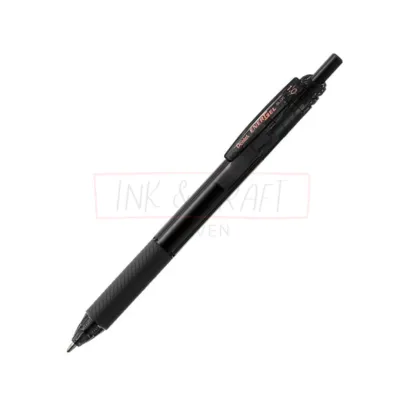
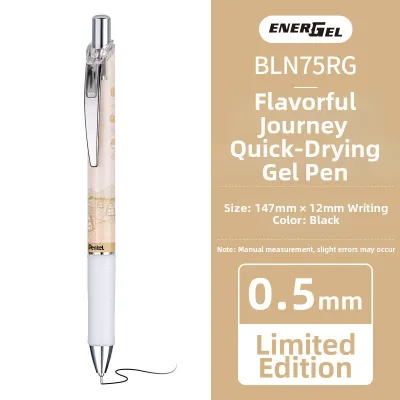
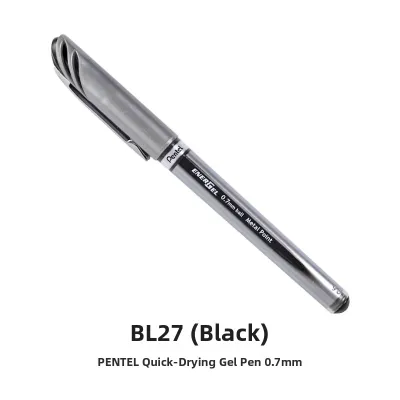
Prices are valid at publication and may change. Please refer to the product page for the latest price.
Daily Office Note-Taking and Documentation
In a professional office environment, your writing tasks are often fragmented but frequent. You might jot down quick action items during a meeting, fill out official physical logs, or organize tasks using different colors. For these activities, legibility, reliability, and rapid page-turning are paramount. You cannot afford to wait for ink to dry before closing a logbook or turning a page. Furthermore, if you are documenting official records that must be archived, the ink must resist fading over time. A professional appearance and the ability to quickly deploy the pen without worrying about leaks or caps are key operational needs in the workplace.
Quick Signatures and Executive Tasks
Executive tasks, contract signings, and brief administrative approvals require a very different type of pen. Here, the physical experience is about authority, confidence, and visual impact. The pen should deliver a bold, rich line that accommodates fast, sweeping strokes without thinning out or skipping. The physical build of the pen also plays a major role; a premium barrel with a balanced weight provides a tactile sense of control and prestige. Since these writing sessions are brief but highly significant, the focus shifts from long-term ergonomic relief to immediate performance, visual consistency, and a refined aesthetic.
Match Pentel Ink Types to Your Specific Tasks
Pentel is renowned for its advanced ink technologies, each engineered to address specific writing challenges. Understanding these ink categories is the most effective way to narrow down your choices, as the ink type dictates how smoothly the pen writes, how fast it dries, and how it behaves on different paper stocks.

Gel and Hybrid Inks (e.g., EnerGel Series)
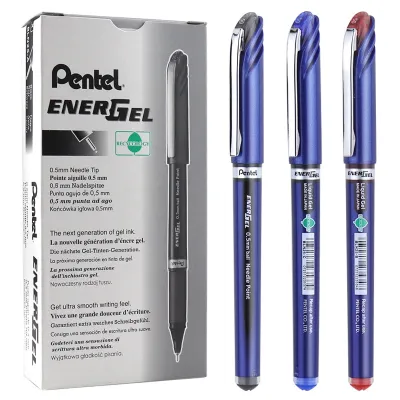
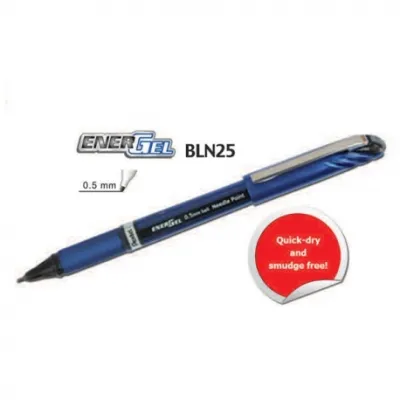
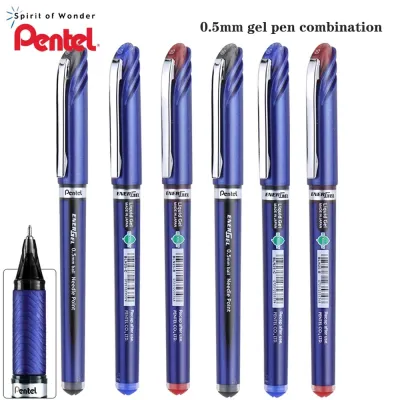
Gel and hybrid inks represent a major leap in writing technology, combining the smoothness of water-based ink with the vibrant color payoff of gel. The Pentel EnerGel series is a prime example of this hybrid formulation, offering an incredibly fluid writing experience that requires almost zero hand pressure. When shopping, look closely at the packaging for explicit “quick-dry” or “smudge-resistant” labels. These properties are highly beneficial for left-handed writers whose hands trail over freshly written text, as well as fast note-takers who need to turn pages immediately. However, because gel ink is highly fluid, you should verify its compatibility with your paper; low-quality or highly absorbent paper can cause the ink to feather or bleed through to the other side.
Low-Viscosity Oil-Based Inks (e.g., Vicuna Series)
If you prefer the reliable feel of a traditional ballpoint but want to avoid the heavy dragging sensation of thick paste ink, low-viscosity oil-based inks are an excellent middle ground. Formulations like those found in the Pentel Vicuna series are designed to significantly reduce physical friction against the paper surface. This low-friction design means you can write quickly and lightly, making it a superb option for reducing hand strain during long study sessions or extended writing tasks. To ensure you are getting this advanced formulation, check the product barrel or packaging for terms like “low-viscosity” or “smooth-flow oil ink” rather than standard ballpoint designations.
Traditional Oil-Based Inks (e.g., R.S.V.P. and Classic Models)
For ultimate reliability, long-term archival permanence, and water resistance, traditional oil-based inks remain the industry standard. Classic models like the Pentel R.S.V.P. utilize a thicker paste ink that adheres exceptionally well to almost any paper type without bleeding or feathering. This ink formulation is highly stable, giving the pen an incredibly long shelf life and making it highly resistant to drying out even if left uncapped for short periods. When signing official legal documents, land titles, or bank checks, verify that the packaging specifies water-resistant or archival properties. This ensures your signature remains permanent and tamper-resistant, even if the paper is exposed to moisture.
Choose Tip Sizes and Ergonomics for Long-Term Comfort
Once you have selected the right ink type, the physical configuration of the pen determines how comfortable it will feel over hours of use. The tip size dictates the line width, while the grip and barrel design directly impact your hand posture and control.
Tip Size Selection (0.5mm, 0.7mm, 1.0mm)
Selecting the correct tip size is a balancing act between your natural handwriting size and the paper you use. Fine tips (0.5mm to 0.7mm) are ideal for individuals with small, compact handwriting or those who need to write detailed notes in narrow margins, such as ledger books or pocket planners. Medium to bold tips (0.7mm to 1.0mm or larger) are better suited for signatures, bold headings, and rapid brainstorming sessions where a highly visible, continuous line is required. Keep in mind that actual line width can vary based on paper quality; highly absorbent paper will draw more ink from a bold tip, increasing the risk of bleeding.
Below is a decision matrix to help you match the tip size to your daily tasks:
| Tip Size | Line Quality | Recommended Tasks | Paper Compatibility |
|---|---|---|---|
| 0.5mm (Fine) | Ultra-sharp, precise lines | Detailed notes, margin annotations, mathematical formulas | Best on high-density, smooth paper to avoid scratchiness |
| 0.7mm (Medium) | Balanced, moderately bold lines | Daily office documentation, general journaling, school notes | Highly versatile; works well on standard notebook and copy paper |
| 1.0mm (Bold) | Thick, highly visible, rich lines | Executive signatures, quick sketching, headings | Best on thick, premium paper stocks to prevent bleed-through |
Grip and Barrel Design
Ergonomics play a vital role in preventing physical fatigue and conditions like writer’s cramp. If you write for extended periods, look for pens featuring textured, latex-free rubber grips that provide a secure hold without requiring you to squeeze the barrel tightly. The weight and balance of the pen also alter your control. A lightweight plastic barrel is generally preferred for rapid, high-volume note-taking because it places minimal strain on the small muscles of your hand. Conversely, a slightly heavier metal or composite barrel provides a grounded, stable feel that is highly satisfying for short, precise tasks like signing contracts or writing personal letters.
Humid Climate Considerations
Operating in a tropical, humid environment like the Philippines introduces unique challenges for stationery maintenance. High humidity and fluctuating indoor temperatures from air conditioning can affect ink viscosity and pen performance. When choosing a pen for daily carry in your bag or on a humid desk, pay close attention to the quality of the cap seal or the retraction mechanism. A tightly sealed cap or a robust retractable clicker prevents moisture from affecting the ink tip, reducing the likelihood of leaking, blotting, or premature drying. Storing your pens in a dry, cool organizer out of direct sunlight will also prolong their lifespan.
Cross-Scenario Compatibility: Finding an Everyday Driver
While some stationery enthusiasts enjoy carrying a dedicated pen for every specific task, many writers prefer a single, versatile “everyday driver” that can handle whatever the day throws at them. Finding this sweet spot requires balancing performance across different writing surfaces and tasks.
The Middle Ground
A highly versatile option is a 0.7mm low-viscosity oil-based pen or a quick-drying gel pen equipped with a comfortable, moderate-diameter rubber grip. This configuration offers enough precision for neat office notes, sufficient smoothness for fast-paced lectures, and a bold enough line to look professional on official signatures. It performs reliably across a wide range of common paper stocks, from standard 70gsm copy paper to premium journals.
Expected Trade-offs
Choosing a single pen always involves compromise. A gel pen optimized for ultra-smooth, dark lines may bleed through thin exam papers or cheap notepad sheets. Conversely, a highly controlled 0.5mm traditional ballpoint that resists bleeding on cheap paper might feel slightly scratchy when you are trying to brainstorm quickly or sign a document with a fast, sweeping motion. To find your ideal everyday pen, prioritize the task you perform most frequently, and select a pen that excels in that area while remaining acceptable in others.
Frequently Asked Questions (FAQ)
How do I prevent my Pentel gel pen from skipping or drying out?
To keep your gel ink flowing smoothly, always store your pens horizontally or tip-down in a pen holder so the ink remains in constant contact with the internal rollerball. Ensure the cap is firmly clicked shut or the retractable tip is fully drawn inside the barrel immediately after use. Avoid leaving your pens in hot environments, such as inside a parked car or on a desk in direct tropical sunlight, as extreme heat can degrade the gel formula, leading to air bubbles and skipping.
Are Pentel ballpen refills universally compatible across all models?
No, Pentel refills are not universally interchangeable. They are engineered to match specific barrel dimensions, retraction mechanisms, and ink delivery systems. For example, an EnerGel gel refill will generally not fit into a slim Vicuna oil-based pen barrel. Before purchasing a replacement, unscrew your pen to locate the exact model code printed on the side of the empty ink cartridge. Using the correct manufacturer-designated refill ensures a perfect physical fit and maintains the original writing quality of your pen.
Community discussion
Share your experience or ask a question. Comments are reviewed before publication.