
Selecting the right writing instrument is a highly personal decision that directly impacts your daily productivity, comfort, and handwriting clarity. In the diverse landscape of Pilot ballpens, finding the right match requires looking beyond the brand name and analyzing how specific technical features align with your physical writing style. By systematically evaluating tip sizes, ink formulations, and barrel ergonomics, you can transition from a trial-and-error approach to a deliberate selection process that guarantees a reliable writing experience on any paper surface.
Assess Your Daily Writing Habits and Environment
Before diving into specific pen models, you must first analyze the physical mechanics of your writing style and the environments where you work. Your writing speed and the downward pressure you apply to the page are the primary factors in determining the durability and flow requirements of your pen. Writers who naturally press hard against the paper require a robust tip structure that can withstand heavy friction without bending or skipping. Conversely, those with a light, rapid hand require highly responsive ink that flows immediately upon contact, minimizing hand strain during fast-paced note-taking.
The paper medium you use most frequently also dictates your ideal pen configuration. In tropical climates with high relative humidity, such as the Philippines, standard paper fibers tend to absorb moisture from the air, making them more prone to ink feathering and bleed-through. If you primarily write on thin, low-grade copy paper or standard school notebooks, highly saturated inks may bleed through to the reverse side. On the other hand, glossy planner pages or coated thermal receipts resist absorption, requiring fast-drying ink formulations to prevent smearing.
Products mentioned in this guide
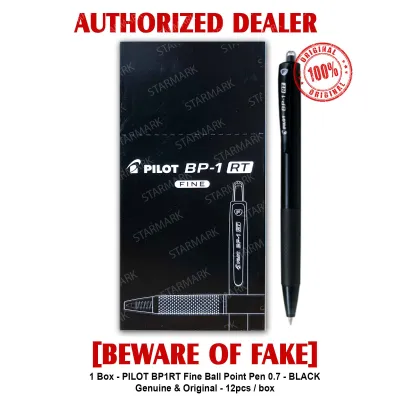
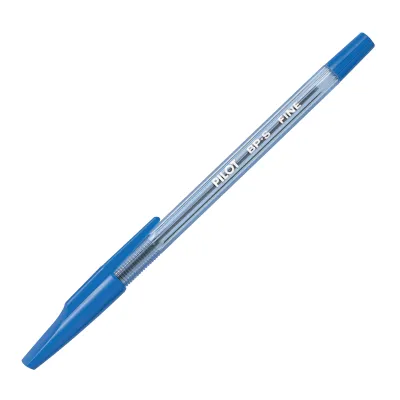
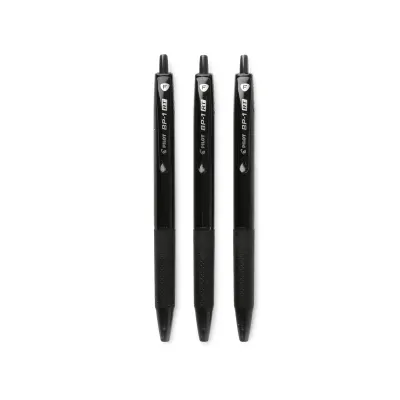
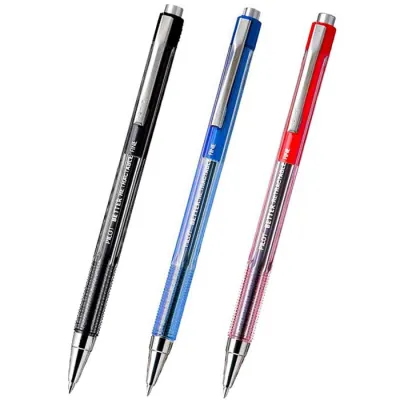
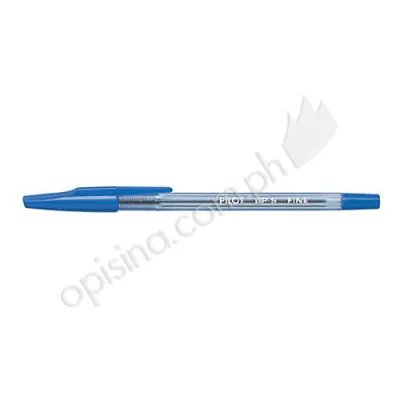
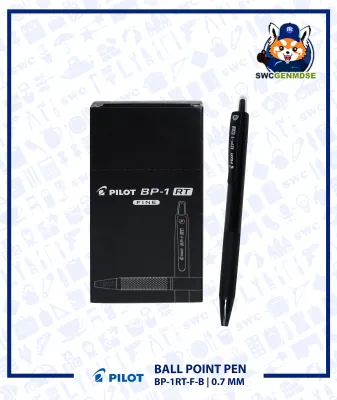
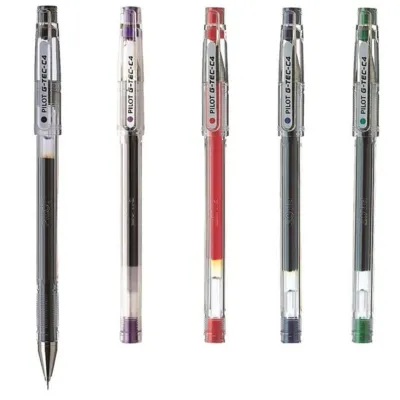
Prices are valid at publication and may change. Please refer to the product page for the latest price.
Finally, consider the duration and context of your writing sessions. A student taking hours of lecture notes requires a pen with a cushioned grip and a balanced center of gravity to prevent writer’s cramp. In contrast, a professional who needs to sign documents quickly on the go or jot down brief reminders during site visits will benefit more from a pocket-safe, retractable design that can be deployed instantly with one hand.
Key Specifications to Evaluate in the Pilot Lineup
Navigating the extensive selection of Pilot writing instruments requires a clear understanding of the technical specifications printed on the packaging and pen barrels. These details serve as a guide to predicting how a pen will perform under your specific writing conditions.

Tip Sizes and Line Widths
The millimeter markings displayed on Pilot packaging—typically ranging from ultra-fine 0.3mm to bold 1.0mm—indicate the diameter of the ball inside the tip, not the exact width of the line left on the paper. The actual line width is always slightly narrower than the tip size and is heavily influenced by how much the ink spreads on a given paper type. For small, precise handwriting or detailed margin notes, ultra-fine tips (0.3mm to 0.4mm) prevent letters from closing up. For standard cursive or rapid signatures, medium tips (0.7mm to 1.0mm) offer a smoother glide with a more pronounced ink laydown.
The physical shape of the tip also plays a critical role in your writing experience. Conical tips are shaped like a cone, providing excellent structural support and durability, making them ideal for writers who apply heavy downward pressure or write at steep angles. Needle-point tips, which feature a thin, cylindrical tube holding the ball, offer an unobstructed view of the paper for high-precision tasks but are more delicate and can bend if subjected to excessive force or dropped directly on a hard surface. Additionally, be aware of regional naming conventions; some product lines use terms like “Fine” or “Extra Fine” which may correspond to different millimeter measurements depending on the market release, so always verify the exact numerical millimeter marking on the barrel.
Ink Mechanisms and Drying Characteristics
Understanding the chemical base of the ink is essential for managing drying times and preventing smudges. Pilot pens utilize three primary ink formulations: water-based gel, low-viscosity hybrid, and traditional oil-based ink. Each formulation behaves differently when exposed to air, paper fibers, and moisture. Gel inks rely on a water-based suspension that liquefies under the friction of the rolling ball, delivering rich, vibrant lines but requiring more time to dry on the page.
Drying speed is a critical consideration, particularly for left-handed writers whose hands naturally drag across freshly written text. If you are left-handed, prioritizing fast-drying hybrid or low-viscosity formulations is necessary to avoid smearing. Furthermore, if you are preparing documents for long-term preservation, legal contracts, or official government forms, you must check the packaging for specific labels indicating water resistance, fade resistance, or archival quality. Standard gel inks may run if exposed to water spills, whereas specialized pigment-based inks bond permanently with the paper fibers to resist moisture and light exposure.
Grip Designs and Barrel Ergonomics
The physical design of the pen barrel directly influences how long you can write comfortably without experiencing hand fatigue. Rubberized grips provide a soft, cushioned surface that reduces the pinching force required to hold the pen, making them highly suitable for long writing sessions or for individuals with high sweat levels. Textured plastic grips offer a firmer feel with subtle ridges to prevent slipping, while smooth metal or polished plastic barrels provide a sleek aesthetic but can become slippery during extended use in warm, humid environments.
Barrel thickness and weight distribution must also match your hand size and holding style. A thicker barrel distributes the gripping pressure across a wider surface area of your fingers, which can alleviate tension for writers who suffer from joint discomfort. The balance point of the pen is equally important; a top-heavy pen can feel unwieldy during rapid writing, whereas a front-weighted pen naturally guides the tip downward with minimal effort. Finally, choose between retractable click mechanisms and capped designs. Capped pens provide an airtight seal that prevents ink evaporation during long idle periods, while retractable pens offer one-handed convenience and eliminate the risk of losing a cap.
Matching Ink Categories to Your Writing Preferences
To narrow down your choices, it is helpful to categorize Pilot pens by their ink technology. Each category serves a distinct writing preference and comes with its own set of performance characteristics.
Gel Ink for Smoothness and Color Vibrancy
Gel ink is highly favored by those who prioritize a smooth, almost effortless gliding sensation on the page. Because the water-based gel flows generously, it requires virtually zero downward pressure to produce a solid, highly saturated line. This makes gel pens excellent for slow to moderate writing speeds, creative journaling, detailed color-coding, and artistic sketching where visual impact is paramount.
However, gel ink requires specific conditions to perform optimally. When testing a gel pen, conduct an observable check on glossy or coated paper surfaces; you may notice skipping or pooling as the water-based ink struggles to adhere to non-porous coatings. Additionally, monitor the drying time on your standard notebook paper to ensure it does not smudge under your hand. The primary trade-offs of gel ink are its higher consumption rate—meaning refills will empty faster than other ink types—and its tendency to feather or bleed through thin, highly absorbent paper sheets.
Hybrid and Low-Viscosity Ink for Speed
Hybrid and low-viscosity inks represent a modern compromise, blending the effortless flow of gel with the fast-drying, water-resistant properties of traditional ballpoint ink. These formulations use advanced solvents that reduce the friction of the ball against the tip, allowing the pen to glide rapidly across the page without leaving excess ink behind. This category is highly suited for rapid note-taking, left-handed writers, and high-volume administrative tasks where speed and immediate smudge resistance are critical.
To verify if a hybrid ink matches your style, perform an observable check by writing quickly in continuous cursive. The ink should flow instantly without the heavy, wet saturation characteristic of gel pens, and it should dry almost immediately upon contact with the paper. While highly efficient, hybrid inks may offer slightly less color vibrancy than pure gel inks and can sometimes feel less cushioned, transmitting more of the paper’s texture back to your hand as you write.
Traditional Oil-Based Ink for Reliability
Traditional oil-based ballpoint ink remains the standard for durability, reliability, and versatility across diverse writing surfaces. Because oil-based ink is highly viscous and water-resistant, it does not bleed through even the thinnest paper, making it the ideal choice for writing on double-sided documents, carbon copy forms, rough cardboard, or damp outdoor clipboards.
When evaluating a traditional ballpoint pen, perform an observable check to ensure the ink flows consistently without requiring excessive downward pressure, which can lead to hand fatigue over time. While highly reliable, traditional oil-based inks have inherent limitations. They can exhibit minor skipping or collect small blobs of ink at the tip after sitting idle for long periods or when exposed to cold temperatures. To maintain a clean page, you may need to occasionally wipe the tip with a scrap piece of paper to remove accumulated ink buildup.
How to Build Your Shortlist and Verify Compatibility
With a clear understanding of tip sizes, ink formulations, and ergonomics, you can now construct a targeted shortlist of two to three specific Pilot models that align with your writing profile. For instance, if you are a left-handed writer who takes rapid notes on standard copy paper, your shortlist should focus on fine-tip hybrid ink models with quick-drying properties. If you focus on detailed journaling in high-quality notebooks, your list should lean toward fine or ultra-fine gel ink models with comfortable rubberized grips.
Rather than purchasing bulk boxes immediately, buy single units or sample packs, which typically cost around ₱50 to ₱150, from local stationery stores or official brand stores on online marketplaces. This allows you to conduct a hands-on evaluation without a significant financial commitment. Once you have the pens, perform a standardized physical test on the actual paper you use daily. Write your full name several times, draw continuous loops, and sketch rapid cross-hatch patterns. Observe if the pen skips, feels scratchy against the paper fibers, or leaves wet ink that smudges when you run a finger over it after a few seconds.
Before finalizing your choice, verify the availability and compatibility of refills. Check the exact model number printed on the pen barrel or the original packaging. Opting for a pen body that accepts widely available, standard-sized refills ensures that you can continue using the same comfortable barrel for years, reducing plastic waste and lowering your long-term stationery expenses.
Purchasing Guidelines and Post-Delivery Inspection
To ensure you receive authentic products with fresh, high-performing ink, always prioritize purchasing from authorized stationery retailers, official brand stores on major ecommerce platforms, or established physical department stores. Counterfeit writing instruments often mimic the external design of popular Pilot models but use inferior ink formulations that clog, leak, or dry out prematurely.
Upon receiving your pens, conduct a thorough post-delivery inspection. Check the packaging for intact factory seals, clear manufacturing batch codes, and correct model numbers that match your order. Inspect the pen tip closely; many high-quality pens feature a small, protective wax or plastic bead melted over the tip to seal the ink and prevent drying during transit and storage. Carefully peel or scrape this protective bead off before your first use.
Test the pen immediately by drawing continuous figure-eights or spirals on a piece of scrap paper. This motion helps prime the ball mechanism, distributing the ink evenly around the tip and establishing a smooth flow. Finally, proper storage is vital to maintaining ink integrity, especially in tropical climates. Store your ballpens horizontally or tip-down in a cool, dry drawer away from direct sunlight. Storing pens tip-up can cause the ink to migrate away from the ball, leading to air pockets and skipping, while excessive heat can lower ink viscosity and cause leakage.
Frequently Asked Questions (FAQ)
How do I fix a Pilot ballpen that has stopped writing?
If your pen stops writing despite having visible ink in the cartridge, the issue is usually a dry tip or a tiny pocket of trapped air. Start by scribbling in continuous, firm circles on a textured rubber surface, such as the sole of a shoe or a rubber eraser. The friction and grip of the rubber can help dislodge a stuck ball and draw ink back to the tip. Next, inspect the tip for microscopic paper fibers or dried ink debris that may have accumulated around the ball, and gently wipe it clean with a soft, lint-free cloth.
For stubborn gel pens, you can try to rehydrate the ink by placing the pen tip-down inside a sealed plastic bag containing a slightly damp paper towel for a few hours. This creates a humid microenvironment that can soften dried gel at the tip. If these steps fail and the ink cartridge is visibly empty, hardened, or the metal tip has been bent from a drop, stop troubleshooting and replace the refill to avoid damaging the pen body.
Can I use Pilot gel refills in standard oil-based pen bodies?
In most cases, you cannot directly swap gel refills into standard oil-based pen bodies due to significant differences in internal dimensions, spring placements, and tip structures. Gel refills typically require a wider internal chamber to accommodate the thicker ink column and prevent leakage, whereas traditional oil-based refills are often narrower. Additionally, the retractable spring mechanism inside the pen barrel is calibrated for the specific weight and shoulder design of the original cartridge type.
To avoid wasting money or damaging your writing instruments, always match the exact refill model number printed on the original cartridge or specified in the pen’s user manual. Forcing an incompatible refill into a pen body can crack the plastic barrel, misalign the retractable mechanism, or cause the ink to leak internally, permanently ruining the pen.
Community discussion
Share your experience or ask a question. Comments are reviewed before publication.