
Choosing the right Pilot Hi-Tec-C tip size—whether 0.3mm, 0.4mm, or 0.5mm—depends on your handwriting scale, paper quality, and writing pressure. This iconic gel pen is celebrated for its needle-point precision, but each tip size offers a distinct writing experience. By understanding how these sizes interact with your daily stationery, you can select the most suitable tool to keep your notes clean, legible, and smudge-free.
Understanding the Core Differences Between 0.3mm, 0.4mm, and 0.5mm Tips
The defining feature of the Pilot Hi-Tec-C is its needle-point tip, which houses a tiny rolling ball supported by a slim metal pipe. Unlike traditional conical tips, this design provides an unobstructed view of the paper, allowing for extreme precision. However, the physical size of the tip directly dictates how the pen behaves during daily use.
The 0.3mm tip is the finest option, producing an ultra-thin line with a highly controlled, minimal ink flow. Because the contact point is so small, you will feel a distinct physical feedback, often described as a ‘scratchy’ sensation, as the metal glides across the paper fibers. This size is highly delicate and requires a gentle hand to prevent the thin metal pipe from bending under pressure.
Products mentioned in this guide
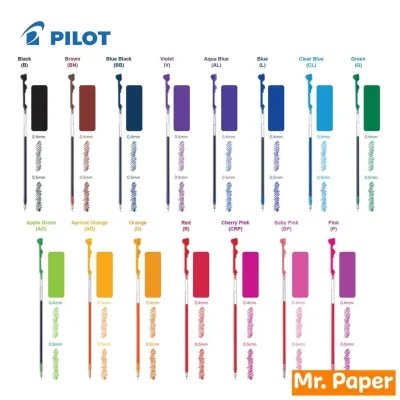
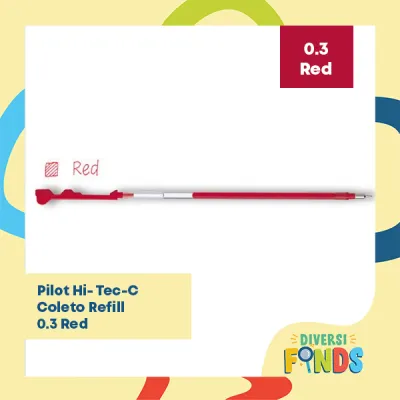
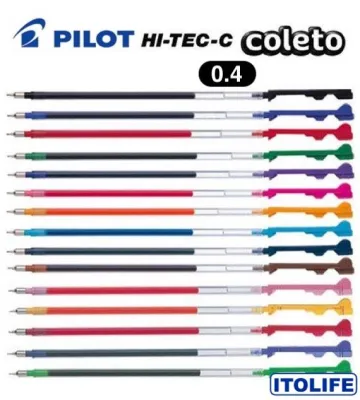
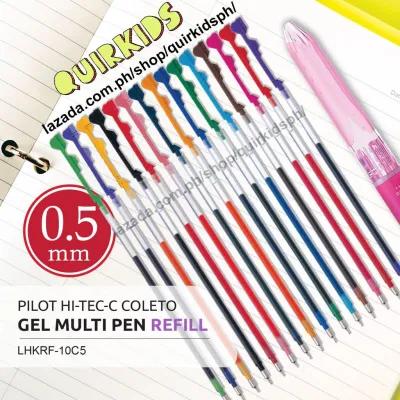
Prices are valid at publication and may change. Please refer to the product page for the latest price.
The 0.4mm tip serves as the balanced middle ground in the lineup. It delivers a slightly more generous ink flow than the 0.3mm, which noticeably reduces friction and provides a smoother glide while maintaining excellent precision. It offers a practical compromise for those who want a very fine line without sacrificing too much smoothness.
The 0.5mm tip is the sturdiest and smoothest of the three options. It lays down a wetter, more consistent line of gel ink, making it feel effortless to write with for extended periods. While it is still considered an extra-fine pen compared to standard 0.7mm ballpoints, its thicker needle structure is much more resilient to heavy writing pressure.
Matching Tip Size to Your Handwriting Scale and Paper Type
Your personal handwriting style is the most critical factor when choosing between these three sizes. If you write in tiny, compact print or need to fit detailed formulas into small planner grids, the 0.3mm or 0.4mm tip is highly suitable. These fine tips ensure that loops in letters like ‘e’ and ‘a’ remain open and legible rather than pooling into solid ink blobs.

For standard daily journaling, quick note-taking, or larger cursive writing, the 0.5mm tip is generally more comfortable. The faster ink flow matches the speed of rapid hand movements, preventing the skipping that can sometimes occur with ultra-fine tips when writing quickly.
Paper compatibility is another essential consideration, especially in tropical climates like the Philippines where ambient humidity can soften paper fibers. Standard copy paper and cheap notebook pages tend to absorb moisture, making them highly prone to feathering and bleed-through. Using a 0.3mm or 0.4mm tip helps mitigate this issue because they deposit less ink onto the page, keeping your lines crisp even on lower-grade paper.
However, very fine tips can easily catch on loose paper fibers if the surface is rough or fibrous. If you prefer using textured or lightweight paper, the 0.5mm tip is less likely to scrape the surface. Heavy-handed writers should also opt for the 0.5mm, as excessive downward pressure can cause the finer 0.3mm tip to dig into the page and clog with paper pulp.
How to Test and Verify Your Ideal Hi-Tec-C Size
To find your ideal match without committing to a bulk purchase, it is helpful to test a single pen using a standardized swatch method on your favorite notebook. Begin by drawing a series of quick, straight lines to check for consistent ink flow. Follow this with continuous loops and tight crosshatching to see how the tip handles rapid changes in direction and overlapping ink layers.
Next, evaluate the drying time and smudge resistance of each size. Gel ink requires a brief moment to set, and high local humidity can prolong this process. Write a short sentence and immediately run a finger across the text; a faster-drying 0.3mm or 0.4mm line is often highly beneficial for left-handed writers or those who rest their hands on the page.
When purchasing, always verify the tip size by checking the official packaging or the markings on the pen cap. Authentic pens clearly display the millimeter size on the body or cap insert. Purchasing from reputable sellers on your preferred ecommerce platform ensures you receive genuine stock with a fresh, smooth-flowing ink supply.
Frequently Asked Questions (FAQ)
Can I use 0.3mm or 0.4mm tips on standard notebook paper?
Yes, you can use these fine tips on standard notebook paper, but you must write with a light touch. Because standard paper has looser fibers, a sharp 0.3mm tip can occasionally scratch the surface or collect paper dust. If you experience skipping, try switching to a smoother, high-density paper or adjust your writing angle to be more vertical.
How do I prevent the needle tip from bending?
To protect the delicate needle tip, always replace the cap securely immediately after you finish writing. Avoid letting the pen roll off flat desks, as a drop onto a hard floor can easily bend the metal pipe. Store your pens horizontally in a protective pencil case or vertically with the tips pointing upward to keep them safe from impact.
Community discussion
Share your experience or ask a question. Comments are reviewed before publication.