
Finding the perfect writing instrument is more than a matter of aesthetic preference; it is about matching the physical properties of ink and tip design to your daily tasks and environment. In the Philippines, where high relative humidity can affect how paper absorbs ink and how quickly it dries, selecting the right pen from a legendary manufacturer like Pilot requires a clear understanding of your options. Whether you are a student taking rapid lecture notes, an illustrator requiring precise archival lines, or a professional signing documents, the extensive lineup of Pilot goodies offers specialized tools engineered for distinct writing styles. By evaluating your paper choices, writing speed, and ergonomic needs, you can easily identify which specialty pens deserve a permanent place in your pencil case.
The sensory experience of writing is deeply personal, and the right pen can transform a mundane task into a moment of creative expression. Pilot has established itself as a global leader in stationery innovation, offering everything from ultra-smooth gel pens to precision technical fineliners and elegant fountain pens. However, navigating this vast selection can be overwhelming without a structured approach. By understanding the engineering behind these writing instruments, you can make an informed decision that enhances your writing comfort, efficiency, and overall satisfaction.
Key Factors When Selecting Pilot Specialty Pens
Selecting a specialty pen involves analyzing how the instrument interacts with your writing surface and your physical hand movements. The first consideration is the relationship between tip size, line width, and paper quality. Fine and extra-fine tips (such as 0.3mm or 0.4mm) restrict ink flow, making them highly suitable for thin, absorbent paper common in standard notebooks, as they minimize feathering and bleed-through. Conversely, broader tips (0.7mm to 1.0mm) lay down a wetter, more saturated line that showcases the rich color of the ink but requires higher-grade, fountain-pen-friendly paper to prevent the ink from spreading across the fibers.
Products mentioned in this guide
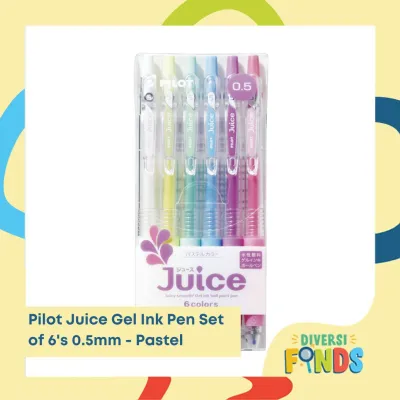
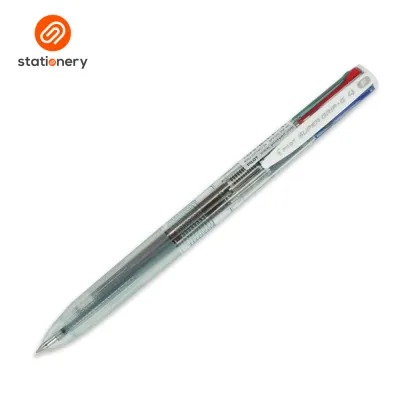
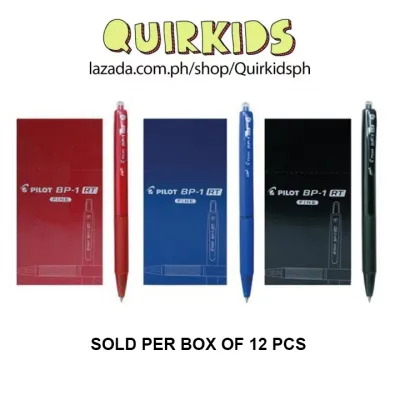
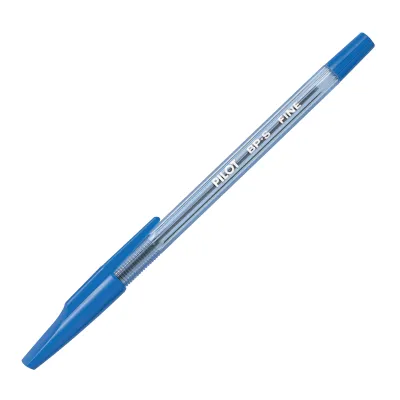
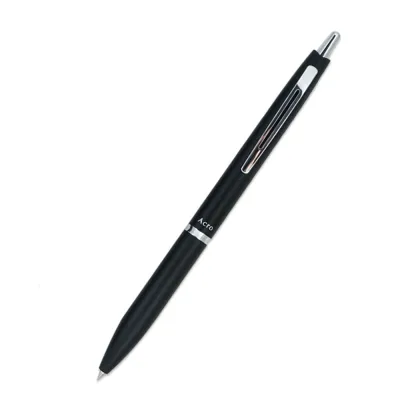
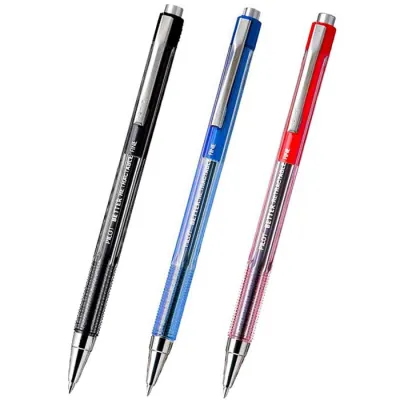
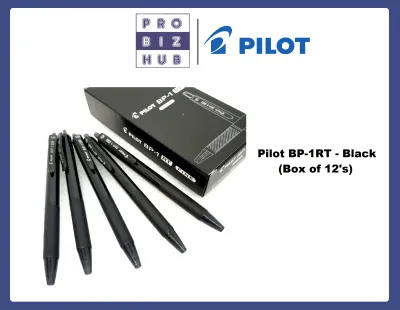
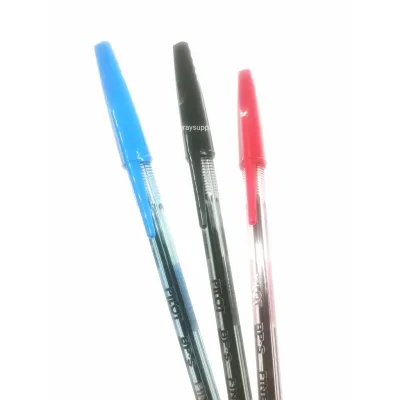
Prices are valid at publication and may change. Please refer to the product page for the latest price.
It is also important to note that Japanese tip sizes, including those from Pilot, are generally finer than their Western counterparts. A Japanese fine nib or gel pen tip is engineered to accommodate detailed, compact characters, making it exceptionally precise. If you have small, neat handwriting, an ultra-fine or extra-fine tip will preserve the legibility of your letters. If you prefer bold, expressive strokes or need to fill out forms quickly, a medium or broad tip will provide the generous ink flow you desire.
Ink formulation is another critical variable that dictates the pen’s performance in different environments. Gel inks utilize a water-based suspension that thins under the friction of writing, offering a smooth feel and vibrant colors, though they may require a few extra seconds to dry in humid tropical climates. Liquid inks flow incredibly freely, providing an effortless glide but demanding careful paper selection to avoid bleed-through. Pigment-based inks, often found in technical pens, dry to a water-resistant, archival finish that resists fading. Erasable inks rely on thermo-sensitive compounds that become transparent when subjected to friction-generated heat, offering unmatched flexibility for planning and drafting.
The physical behavior of these inks can change depending on the local climate. In regions with high humidity, the water-based solvents in gel and liquid inks evaporate more slowly, which can extend drying times on coated or non-porous papers. If you frequently write on the go or are left-handed, prioritizing quick-drying formulations or finer tip sizes is essential to prevent smudging. For archival work or documents that must withstand accidental spills, pigment-based inks offer the necessary durability.
Ergonomics and barrel construction directly impact your comfort during long writing sessions. A pen with a soft, rubberized grip can reduce finger fatigue and prevent slipping, especially when writing in warm, humid conditions. The weight distribution of the barrel also plays a role; lightweight plastic barrels offer agility and ease of transport, while heavier metal or composite barrels provide a reassuring heft that can help stabilize your hand during slow, deliberate strokes.
The diameter of the pen barrel is another ergonomic factor to consider. Slimmer barrels are highly portable and fit easily into planner loops, but they may cause hand cramping during extended writing sessions if you tend to grip your pen tightly. Wider, contoured barrels encourage a more relaxed grip, distributing pressure more evenly across your fingers. Choosing the right balance of weight, grip material, and barrel diameter will ensure a comfortable and pain-free writing experience.
Finally, consider the long-term cost and environmental impact of your stationery choices. Many specialty pens are designed with refillable systems, allowing you to replace the ink cartridge or refill the reservoir rather than discarding the entire pen body. Verifying the availability of specific refill models in your local market ensures that your favorite writing tool remains functional for years, making it both a cost-effective and sustainable investment.
Pilot Specialty Pen Categories for Different Writing Needs
To navigate the diverse world of Pilot stationery, it helps to categorize these instruments by their primary engineering goals and ink behaviors. Rather than searching for a single pen that excels at every task, matching specific pen families to your daily routines will yield the best results. From rapid note-taking to meticulous technical drawing, each category is optimized for distinct paper types and user preferences.

By understanding the unique characteristics of each category, you can build a versatile stationery collection that covers all your writing needs. Whether you require the erasability of a planner pen, the precision of a technical fineliner, or the elegance of a fountain pen, Pilot’s diverse lineup has a dedicated solution. Let us explore these categories in detail to help you find your ideal writing companion.
Smooth Gel and Rollerball Pens for Daily Notes
For everyday writing tasks like journaling, meeting minutes, and lecture notes, gel and rollerball pens are the standard for reliability. These pens are engineered to deliver a consistent, skip-free line with minimal downward pressure, allowing your hand to glide across the page. Left-handed writers, in particular, should look for quick-drying gel formulations to prevent their hands from smudging the freshly written text as it moves across the paper.
The choice between retractable and capped gel pens often comes down to personal convenience and usage habits. Retractable models offer quick, one-handed operation, making them ideal for fast-paced environments like classrooms or medical settings. Capped models, on the other hand, typically provide a more secure seal that prevents the ink from drying out during long periods of inactivity, ensuring a smooth start every time you put pen to paper.
When using these pens on standard office copy paper or lightweight notebook pages, it is wise to perform a quick test on an inconspicuous corner. Because gel and rollerball inks are water-based, they can occasionally bleed through thin or highly porous sheets. Opting for a finer tip size, such as a 0.5mm or ultra-fine 0.38mm, can significantly reduce this risk while maintaining the characteristic smoothness of the ink.
Erasable Ink Pens for Drafting and Planning
Erasable pens have revolutionized the way students and planners organize their schedules, allowing for clean, mistake-free layouts. The specialized ink used in these pens contains micro-capsules that react to temperature changes. When you rub the silicone tip of the pen over the paper, the friction generates heat, causing the ink to turn completely transparent without leaving messy eraser shavings behind.
This unique friction-based erasing mechanism means that the paper remains undamaged, allowing you to write, erase, and rewrite over the same spot multiple times. This makes erasable pens incredibly popular for bullet journaling, color-coded scheduling, and temporary sketching. The convenience of being able to correct mistakes instantly without using correction tape or liquid is a significant advantage for keeping your planners looking neat and professional.
While this technology is incredibly convenient for bullet journaling, temporary sketching, and dynamic project planning, users must remain aware of its physical limitations. Because the ink reacts to heat, leaving your notebooks or planners in a hot environment—such as inside a parked car under the sun—can cause your writing to fade or disappear entirely. Conversely, exposing the paper to cold temperatures can sometimes cause the erased ink to reappear. For this reason, erasable ink must never be used for legal documents, official signatures, examinations, or any archival records where permanence is required.
Fineliners and Technical Pens for Precision Work
Artists, architects, and designers require writing instruments that produce exact, unvarying line widths regardless of writing speed. Technical fineliners meet this demand by utilizing structured tips—often made of durable plastic or metal-clad needle points—that resist bending under pressure. These tips ensure that a 0.1mm or 0.5mm line remains perfectly consistent from the first stroke to the last.
The design of the tip also influences how the pen interacts with drawing tools. Metal-clad needle points are highly recommended when working with rulers or templates, as the metal sleeve protects the delicate plastic tip from being shaved off or damaged by the hard edges of the drawing guide. For freehand sketching and writing, a standard plastic tip offers a slightly softer feel on the paper, allowing for a more organic drawing experience.
The ink in these technical pens is typically pigment-based, which provides excellent water resistance and lightfastness once dry. To verify these properties, check the pen barrel or packaging for labels indicating archival quality or pigment ink. To keep these precision instruments in optimal working condition, always recap them immediately after use; the fine capillary channels in the tips can easily clog if the pigment ink is allowed to dry out inside the feed.
Fountain and Brush Pens for Calligraphy
For those who view writing as an art form, fountain pens and brush pens offer unparalleled expressive capabilities. Fountain pens equipped with specialized nibs, such as stub, italic, or flexible nibs, allow you to create natural line variation simply by changing the angle or pressure of your stroke. Brush pens, featuring flexible synthetic fiber or elastomer tips, mimic the behavior of a traditional paintbrush, making them ideal for modern calligraphy, hand lettering, and artistic illustrations.
Fountain pens rely on capillary action to draw ink from the reservoir to the paper, resulting in an incredibly smooth writing experience that requires virtually zero downward pressure. This makes them excellent for reducing hand strain during long writing sessions. However, the performance of a fountain pen is highly dependent on the paper quality; using low-grade, highly absorbent paper can lead to severe feathering and bleed-through, so pairing your fountain pen with high-quality, ink-resistant paper is highly recommended.
Maintaining these delicate instruments requires a bit more attention than standard disposable pens. It is crucial to check ink compatibility before filling a fountain pen; always use dedicated fountain pen inks and avoid drawing inks or calligraphy inks containing shellac, which can permanently clog the feed system. Regularly flushing the nib and feed with clean, room-temperature water every few weeks prevents dried ink buildup and ensures a smooth, continuous flow.
How to Verify Authenticity and Maintain Your Pilot Goods
As with any popular stationery brand, counterfeit products can occasionally find their way into the market, leading to scratchy writing, leaking ink, and poor durability. To ensure you are purchasing genuine Pilot goods, perform a careful visual inspection of the packaging and the pen itself. Authentic pens feature clean, crisp branding, precise alignment of printed text, and often include specific holographic security seals or batch codes on the packaging.
Examining the physical construction of the pen can also reveal its authenticity. Genuine Pilot pens are manufactured with high-quality plastics and metals, resulting in smooth molding lines, secure clips, and a solid, well-assembled feel. Counterfeit versions often exhibit rough edges along the plastic seams, loose or flimsy clips, and poorly printed logos that scratch off easily. Paying close attention to these physical details can save you from the disappointment of a substandard writing tool.
Proper maintenance is equally vital to preserving the performance of your genuine pens. Always store your pens horizontally or tip-down to keep the ink in contact with the feed, preventing dry starts. Ensure the cap clicks or screws on securely after every use to maintain an airtight seal. If a pen tip or fountain pen nib becomes physically damaged or misaligned, avoid forcing a repair yourself; instead, look for official replacement parts or consult a professional to prevent permanent damage to the pen body.
For gel and rollerball pens, keeping them away from extreme heat is essential to prevent the ink from thinning and leaking. If you carry your pens in a bag, storing them in a dedicated pencil case or pouch will protect them from physical impacts and prevent the caps from accidentally coming off. Establishing these simple maintenance habits will significantly extend the lifespan of your writing instruments, ensuring they perform beautifully until the very last drop of ink.
Where to Buy Authentic Pilot Stationery in the Philippines
To guarantee the authenticity of your writing instruments, it is best to purchase them from established, authorized retailers. In the Philippines, major national bookstores and dedicated stationery boutiques are reliable physical sources where you can inspect the pens in person and even test them on paper samples before buying. These brick-and-mortar stores source their inventory directly from official distributors, ensuring you receive genuine products.
Shopping in person also allows you to experience the ergonomics of different pen models firsthand. You can hold the pens, feel their weight and balance, and test how the grip fits your hand before making a purchase. Many authorized stationery shops also provide paper testers, allowing you to observe how different ink formulations and tip sizes perform on paper under local environmental conditions.
When shopping on online marketplaces or ecommerce platforms, exercise caution by verifying the seller’s credentials. Look for stores with official brand mall badges, high positive feedback ratings, and detailed customer reviews that include photos of the packaging and performance. Additionally, before purchasing refills in bulk, double-check the exact model codes on your existing pens to ensure perfect compatibility, saving you from the frustration of mismatched cartridges.
Be wary of online listings that offer specialty pens at prices that seem too good to be true, as these are often indicators of counterfeit goods. Genuine specialty pens are precision-engineered instruments, and their pricing reflects the quality of materials and manufacturing standards. By purchasing from authorized digital storefronts and verified sellers, you can shop with confidence, knowing that your investment supports genuine craftsmanship and reliable performance.
Frequently Asked Questions (FAQ)
Can I use third-party ink refills in Pilot specialty pens?
While some third-party refills may physically fit into the barrels of certain Pilot pens, doing so can introduce performance issues. Different manufacturers formulate their inks with varying viscosities, surface tensions, and drying agents. Using an unapproved refill can lead to skipping, leaking, or clogging of the feed mechanism. To maintain optimal performance and protect your pen, always check the manufacturer’s specifications or the product packaging for the recommended refill codes before purchasing.
Furthermore, using non-standard refills can sometimes void the manufacturer’s warranty, especially on premium writing instruments like fountain pens. Original refills are specifically engineered to match the precise tolerances of the pen’s feed system, ensuring a consistent and reliable ink flow. Investing in genuine refills not only preserves the quality of your writing but also extends the overall lifespan of your favorite pen.
Why did my erasable pen ink disappear or reappear after erasing?
The ink in erasable pens is formulated with thermo-sensitive compounds that change state based on temperature. The friction of the silicone eraser generates localized heat that exceeds the threshold required to turn the ink transparent. If your writing disappears due to accidental exposure to high ambient heat, such as a hot room or direct sunlight, you can often restore the text by placing the paper in a freezer for a short period, as sub-zero temperatures help reactivate the color pigments.
This temperature-dependent behavior is a fundamental characteristic of thermo-sensitive ink technology. It is important to remember that the ink is not physically removed from the paper; it merely becomes invisible. Because of this, exposing the paper to temperatures below -10°C (14°F) will cause the pigment to lock back into its colored state, making the writing visible once again. Understanding this process helps you manage your documents safely and avoid unexpected ink changes.
How do I fix a scratchy or skipping Pilot fountain pen?
A scratchy or skipping fountain pen is often caused by dried ink residue obstructing the delicate channels of the feed or nib. The safest initial troubleshooting step is to perform a thorough flush with clean, room-temperature water to dissolve any clogs. Avoid using hot water, soaps, or harsh solvents, which can damage the pen’s feed and barrel materials. If the skipping persists after cleaning, inspect the nib alignment under a magnifying glass, or consider consulting a professional nib specialist to adjust the tines safely.
In many cases, a simple flush is all that is needed to restore a smooth ink flow, especially if the pen has been left unused for several weeks. If you observe that the two metal tines of the nib are misaligned or overlapping, attempting to force them back into place with your fingers or tools can cause permanent damage. A qualified professional nibmeister has the specialized tools and expertise required to realign and tune the nib to your exact writing preferences without risking the integrity of the pen.
Community discussion
Share your experience or ask a question. Comments are reviewed before publication.