
Finding the right planner journal is not about choosing the most aesthetically pleasing cover; it is about matching a physical system to the natural rhythm of your daily life. If you force yourself into a rigid, pre-dated layout when your schedule changes by the hour, you will likely end up with a book of empty pages and a sense of planning guilt. Conversely, attempting to draw every grid and calendar from scratch when you only have five minutes to spare each morning can quickly lead to burnout. The ideal planner journal acts as an extension of your cognitive load, capturing tasks, habits, and schedules in a format that reduces friction rather than adding to it.
Assess Your Daily Routine and Planning Needs
Before browsing online marketplaces or local stationery boutiques, take an honest look at your daily schedule and energy levels. Ask yourself how much time you can realistically dedicate to maintaining your system. If you enjoy the meditative process of drawing lines, color-coding, and designing custom trackers, a blank canvas will serve you well. However, if you need to quickly jot down a meeting time between tasks, a pre-printed layout that requires zero setup is far more practical.
Your core tracking needs also dictate the format. A simple daily to-do list requires minimal space, whereas managing multi-step projects, tracking daily water intake, or logging professional milestones demands structured sections. If you find yourself juggling multiple roles—such as managing a household, coordinating freelance work, and tracking personal fitness—your planner must accommodate these distinct streams of information without becoming cluttered.
Products mentioned in this guide
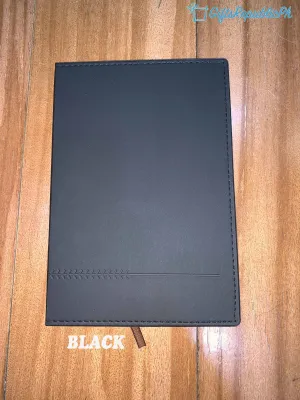
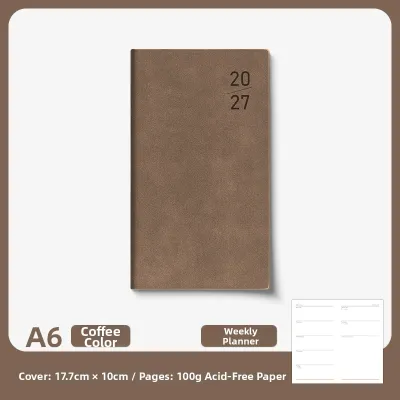
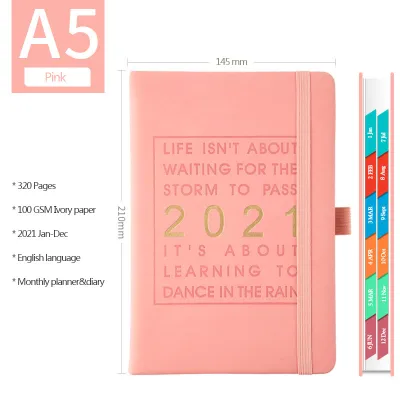
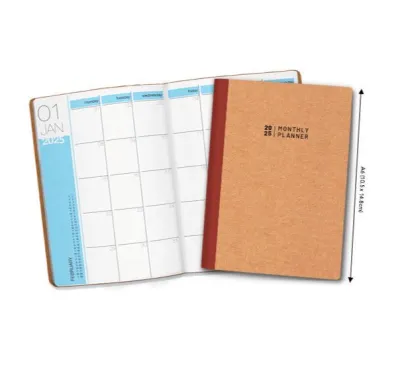
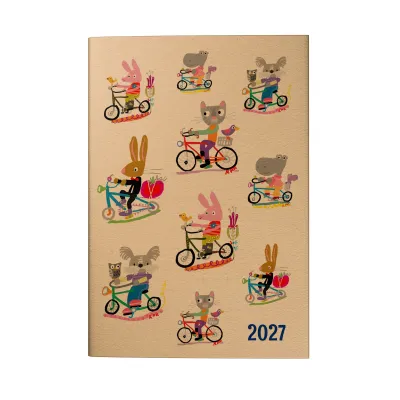
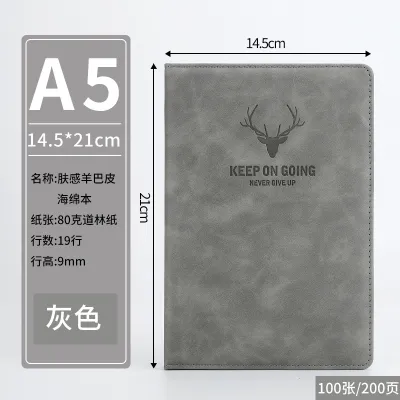
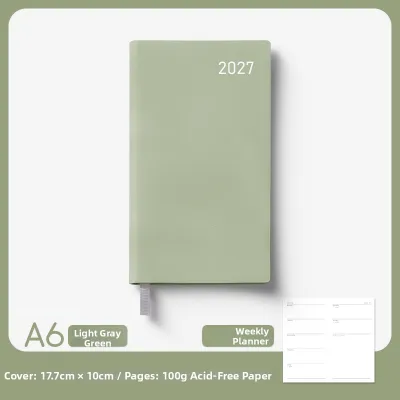
Prices are valid at publication and may change. Please refer to the product page for the latest price.
Portability and physical environment are equally critical factors. Consider where you will use the journal most often. A large, heavy desk planner might be excellent for a dedicated workspace, but it becomes a burden if you frequently commute or work from local cafes. In tropical climates like the Philippines, high humidity can affect paper fibers, making thin sheets more prone to warping or absorbing moisture, which in turn increases ink feathering. Look for sturdy lay-flat bindings, such as thread-bound or twin-wire designs, and choose portable dimensions like A5 or B6 that easily slide into your daily bag.
Dated Planners: Is a Pre-Formatted Layout Right for You?
Dated planners are designed for individuals who thrive on external structure and have highly predictable, time-sensitive schedules. If your day is dictated by back-to-back meetings, classes, or client appointments, a pre-formatted layout with hourly or half-hourly time blocks provides immediate visual clarity. You can see your entire day or week at a glance, allowing you to allocate time realistically and prevent overcommitment.

However, this structure comes with a distinct trade-off. If your routine is highly variable, or if you experience periods where you do not need to track daily tasks, a dated planner can quickly become a source of anxiety. Leaving consecutive pages blank during a busy week or a vacation can feel wasteful, often discouraging users from picking the journal back up. If you choose this route, ensure your schedule is consistent enough to justify the pre-printed calendar dates.
When selecting a dated planner, pay close attention to the paper specifications on the product label. Because these planners are meant for rapid, daily entries, you will want paper that handles your preferred writing instruments without slowing you down. Look for a paper weight of at least 80 GSM (grams per square meter) to 100 GSM. This thickness helps prevent common gel pens and rollerballs from bleeding through to the next day’s schedule, ensuring both sides of every page remain clean and legible.
Bullet Journals: Should You Build Your Own System?
If you find that standard layouts never quite fit your specific workflow, building your own system in a bullet journal might be the solution. Using a blank, dotted, or grid notebook, you can design custom layouts that adapt to your changing needs from week to week. This approach is highly beneficial for those who want to combine creative expression, long-form journaling, and task management within a single volume.
The primary consideration here is the time investment. A bullet journal requires you to actively draw your own monthly calendars, weekly spreads, and daily logs. You must also maintain an index and future log to keep the notebook organized. If you find this setup process therapeutic, it can become a rewarding daily ritual; if you view it as a chore, the system will likely fall apart during busy weeks.
Because a bullet journal undergoes frequent handling and creative customization, physical durability is paramount. Look for notebooks with case-bound, thread-sewn bindings that allow the book to lie completely flat on your desk. The paper quality should ideally be 120 GSM or higher if you plan to use wet inks, fineliners, or mild highlighters. High-quality paper prevents “ghosting”—where writing is visible on the reverse side—and ensures your custom layouts remain crisp and readable.
Hybrid Planners: Do You Need a Balance of Structure and Freedom?
For many planners, the ultimate solution lies somewhere in the middle. Hybrid planners, often sold as undated planners or semi-structured journals, offer the perfect compromise by providing pre-printed monthly and weekly templates alongside generous blank or dotted pages. This setup gives you the structural guidance of a calendar without forcing you into a rigid daily format.
One of the greatest practical benefits of a hybrid system is its flexibility. Because the pages are often undated, you can write in the dates as you go. If you take a two-week break from planning, you can simply pick up on the very next page without leaving any empty, wasted sheets. This makes the hybrid planner highly economical and forgiving for those with fluctuating workloads or unpredictable energy levels.
When evaluating hybrid options, consider how you prefer to organize your pages. Some hybrid systems feature discbound or ring-bound mechanisms, allowing you to easily insert, remove, or rearrange pages as your projects evolve. Others include perforated pages at the back, which are incredibly convenient for jotting down shopping lists or temporary notes that you do not want to archive permanently.
Finalizing Your Planner Journal Choice
To make your final decision, run through a quick mental checklist. If you have a highly structured schedule and want zero setup time, choose a dated planner. If you want complete creative control and have ten minutes a day to spare, opt for a dotted bullet journal. If you want a mix of pre-drawn calendars and open note-taking space without the guilt of skipped days, a hybrid undated planner is your best match.
Before investing ₱1,000 or more in a premium, high-end journal, consider running a short trial period. You can use a simple, inexpensive notebook from a local bookstore or print out a few free layout templates online. Spend a week tracking your tasks using the layout style you think you prefer. This low-stakes trial will quickly reveal whether the system feels natural or if it creates unnecessary friction in your daily routine.
Once you have chosen your system, focus on building sustainable maintenance habits. A planner is only effective if you actually use it. Set aside five minutes every morning to review your daily tasks, and block out fifteen minutes on Sunday afternoon for a weekly review to prep the upcoming pages. By integrating these small, consistent routines into your day, your planner journal will transition from a simple notebook into an indispensable tool for personal organization.
Frequently Asked Questions (FAQ)
Can I switch planner systems in the middle of the year?
Yes, transitioning to a new system mid-year is entirely feasible and often necessary if your current setup is no longer working. To migrate smoothly, list your active projects, long-term goals, and future schedules, then transfer only the essential data to your new journal. You can also run both systems concurrently for a week or two to ease the transition and adjust to the new layout without losing track of urgent tasks.
What paper specifications should I check to avoid ink bleeding?
To prevent ink bleeding and ghosting, check the paper weight, which is measured in GSM (grams per square meter). For standard ballpoint pens, 80 GSM is usually sufficient, but gel pens, rollerballs, and fountain pens perform much better on 100 GSM to 120 GSM paper. Always perform a quick pen test on an inconspicuous area, such as the very last page or the back cover, to observe how the paper handles your specific ink and drying times before writing on your main layouts.
Community discussion
Share your experience or ask a question. Comments are reviewed before publication.