
Finding the right pocket notebook size is a balance between writing comfort and physical portability. The ideal choice depends on where you plan to carry the notebook and how you intend to use it. While a larger pocket notebook offers more space for structured thoughts, a smaller format ensures you can carry it effortlessly in lightweight clothing or compact bags without adding unnecessary bulk.
In tropical climates, where lightweight clothing and high humidity are daily realities, the physical characteristics of your notebook matter even more. Heavy, oversized notebooks can weigh down thin fabrics, while moisture in the air can affect how paper handles ink. Understanding the distinct differences between A6, A7, and mini formats helps you select a tool that fits your daily routine.
Understanding Standard Pocket Notebook Dimensions
Standard pocket notebooks generally fall into three primary size categories: A6, A7, and mini formats. Each size offers a distinct ratio of page space to portability, making them suitable for different types of users.
Products mentioned in this guide

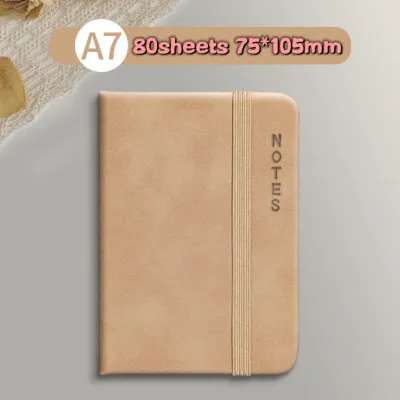
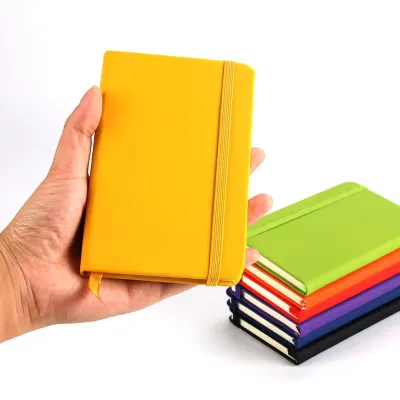
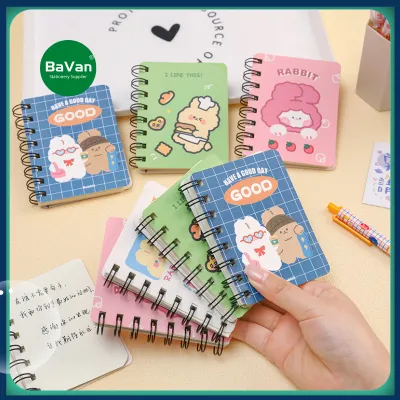

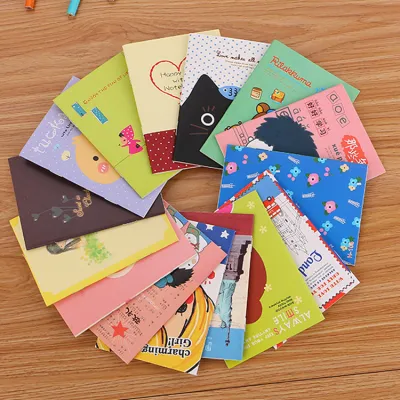
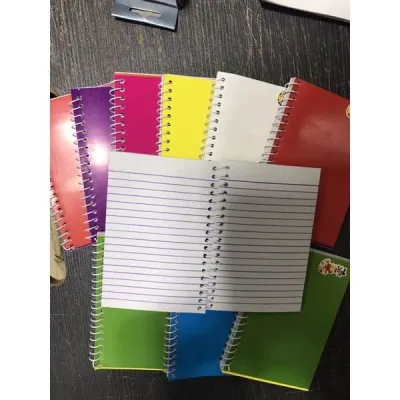
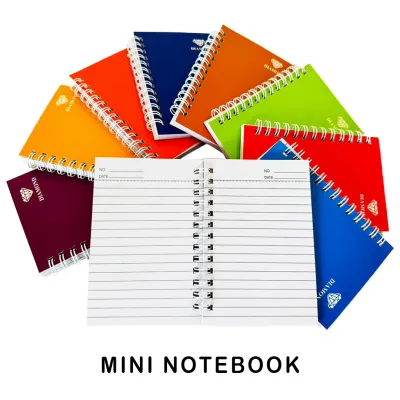
Prices are valid at publication and may change. Please refer to the product page for the latest price.
The A6 format measures approximately 105 mm by 148 mm. This size is highly comparable to a standard passport or a slightly wider modern smartphone. It provides a generous amount of writing space for a pocket-sized book, allowing you to write complete sentences, draw small diagrams, or organize daily schedules without feeling overly restricted. However, its wider footprint means it requires a dedicated bag compartment or a large jacket pocket to carry comfortably.
The A7 format is roughly half the size of an A6, measuring about 74 mm by 105 mm. This size is highly comparable to a stack of standard business cards. It strikes a practical middle ground, offering enough space for short lists, contact details, or quick reminders while remaining small enough to slide into most pants pockets.
Mini formats include specialized slim memo pads and B8 sizes, which typically measure around 64 mm by 89 mm or smaller. These notebooks are roughly the size of a credit card. They offer minimal page space, limiting you to single-word reminders, quick phone numbers, or brief checklists. The primary advantage of a mini notebook is its near-universal portability, as it fits into almost any pocket or small pouch without notice.
Matching Notebook Size to Your Carrying Method
How you transport your notebook throughout the day dictates which size will feel like a natural extension of your routine rather than an inconvenience.

If you prefer carrying your notebook in your clothing, pocket depth and fabric weight are critical factors. Standard shirt pockets, especially on lightweight linen shirts or formal barongs, are shallow and easily weighed down. Carrying an A6 notebook in a shirt pocket often causes the fabric to sag, and the notebook may slip out when you bend forward. For these pockets, mini or A7 formats are much more suitable because they distribute weight evenly and sit securely below the pocket line. Pants pockets can accommodate A7 notebooks, but you must consider how the notebook bends when you sit. A stiff, hardbound A7 notebook in a back pocket can cause discomfort or damage the binding over time.
For those who carry small crossbody bags, belt bags, or clutches, space is at a premium. An A6 notebook is often the maximum size these bags can accommodate alongside essentials like keys, a phone, and a wallet. If your bag has built-in card slots or internal dividers, an A7 notebook can often slide directly into these slots, eliminating the need for a separate cover.
When carrying a notebook in a larger backpack or tote bag, the main risks are corner wear and page damage. Small notebooks can easily get lost at the bottom of a large bag, leading to bent pages and torn covers. If you use a larger bag, look for notebooks with durable covers or check the internal organizer slots of your bag. Ensure the slot is deep enough to hold the notebook securely and that the pen loop clearance is wide enough to accommodate both the notebook and your writing instrument without straining the seams.
Aligning Size with Your Daily Use Scenarios
Your writing habits and daily environment should guide your choice of notebook size, binding, and ruling.
For quick capture, field notes, and rapid task tracking, mini and A7 sizes are highly efficient. These formats are designed for spontaneous writing, allowing you to jot down a thought while standing, walking, or commuting. Because the notebook is small, your palm can fully support the back cover, enabling stable, one-handed writing without needing a desk or flat surface.
If your daily routine involves journaling, sketching, or taking detailed notes during meetings, the limited space of an A7 or mini notebook can quickly become frustrating. An A6 notebook provides the necessary canvas for longer paragraphs, mind maps, and structured bullet journaling. Writing in an A6 notebook is generally a two-handed task that is most comfortable when seated at a desk or table, making it better suited for reflective writing rather than rapid, on-the-go capture.
The binding type also plays a significant role in usability. Spiral bindings allow the notebook to fold back on itself, which is useful for quick writing in tight spaces. However, the metal coils can snag on pocket linings or bag mesh. Stitched or glued bindings offer a slimmer profile and slide smoothly into pockets, but you must verify if they can lay flat on a desk for comfortable writing. Additionally, grid or dotted ruling helps maximize the limited space of smaller formats, while blank pages are ideal if you prefer unconstrained sketching.
How to Measure and Test Before You Buy
Before purchasing a pocket notebook, you can perform a few simple checks to ensure it fits your physical spaces and writing tools.
First, create a paper template. Take a standard sheet of paper and fold or cut it to the exact dimensions of A6 (105 mm x 148 mm) or A7 (74 mm x 105 mm). Place these templates inside the pockets of your favorite shirts, pants, or bag compartments. This simple test allows you to visualize the footprint and check if the notebook will stick out or restrict your movement.
Second, measure your bag’s internal compartments. Pay close attention to the gusset depth and the width of internal dividers. A notebook’s thickness can increase significantly once you add a protective cover or insert a pen into the loop. Ensure there is enough clearance so the bag zips shut easily without putting pressure on the notebook corners.
Third, verify paper compatibility with your writing instruments. Check the manufacturer’s specifications for paper weight, which is usually measured in grams per square meter (gsm). While higher gsm paper generally resists ink penetration better, the actual performance depends on the paper’s treatment and your ink type. If possible, test your preferred pen on a sample page. In humid environments, paper fibers can absorb ambient moisture, which may increase ink feathering or drying times. Testing a small corner helps you observe how the paper behaves under local conditions.
Finally, evaluate the cover durability and binding flexibility. Gently bend the notebook to see if the spine cracks or if the pages strain against the glue. For daily pocket carry, a flexible plastic or water-resistant cardstock cover often provides better protection against sweat and humidity than standard untreated paperboard.
Frequently Asked Questions (FAQ)
Can I use an A6 notebook in a standard shirt pocket?
An A6 notebook is generally too large for a standard shirt pocket. It will typically stick out of the top, making it unstable and prone to falling out when you move. For secure shirt pocket carry, A7 or mini formats are much more practical choices.
What paper features should I check to prevent ink bleed-through in small notebooks?
To prevent ink bleed-through, check the paper weight specification, aiming for higher gsm values. Additionally, look for paper described as ink-resistant or coated. Because local humidity can affect paper absorption, perform a quick trial with your favorite pen on a back page to verify drying speed and bleed resistance before regular use.
Which binding type lasts longest for everyday pocket carry?
Thread-sewn or stitched bindings generally offer the greatest durability for pocket carry. Unlike spiral bindings, they do not have metal coils that can bend, crush, or snag on clothing fibers. A flexible, stitched spine allows the notebook to conform to your body movements without losing pages.
Community discussion
Share your experience or ask a question. Comments are reviewed before publication.