
Quick Guide: Matching Pocket Notebook Features to Your Daily Needs
Choosing the right pocket notebook depends on your primary daily activity. Personal journaling requires paper that resists ink bleed and a lay-flat binding for comfortable writing. Professional note-taking demands fast-drying surfaces, durable covers, and quick-access formats. Field sketching requires toothy, heavier, acid-free pages that can handle dry or light wet media without warping.
In the tropical climate of the Philippines, high relative humidity significantly affects how paper behaves. Moist air softens paper fibers, which can slow down ink drying times and increase the risk of feathering or bleed-through. Selecting the correct combination of page ruling, paper weight, binding style, and cover durability ensures your records remain intact and legible over time.
To find your ideal match, consider how your preferred writing instruments interact with different paper types. A pocket notebook that excels with a fine-tip ballpoint pen during a fast-paced commute might fail when paired with a wet fountain pen or a graphite sketching pencil. Evaluating these key decision dimensions beforehand will help you select a format that fits seamlessly into your daily carry.
Products mentioned in this guide
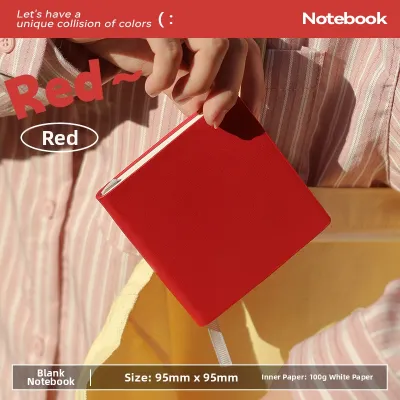
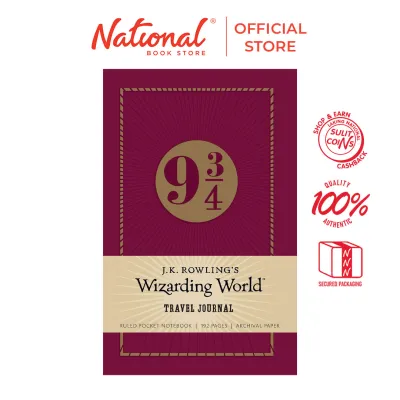
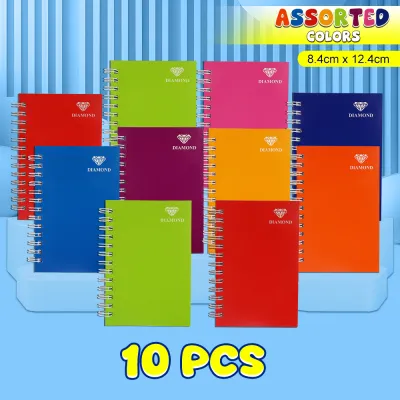
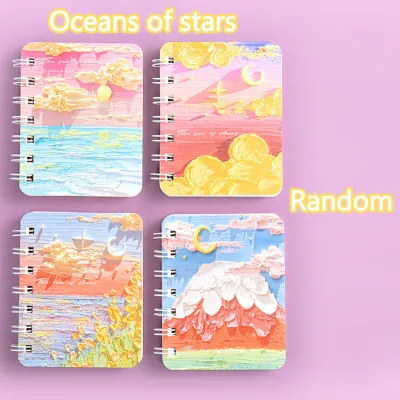
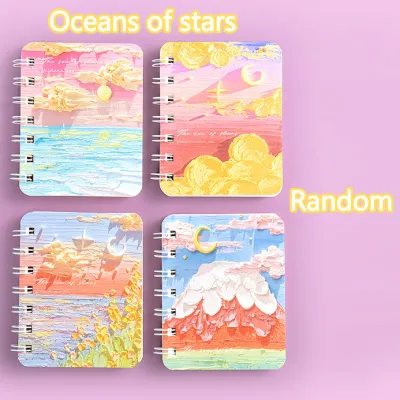
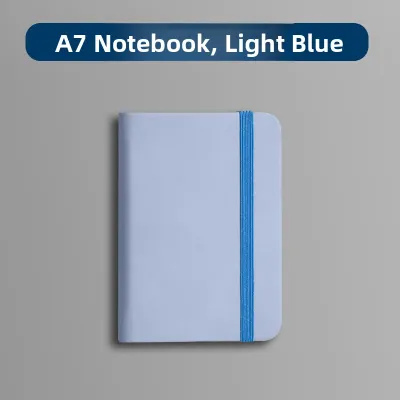
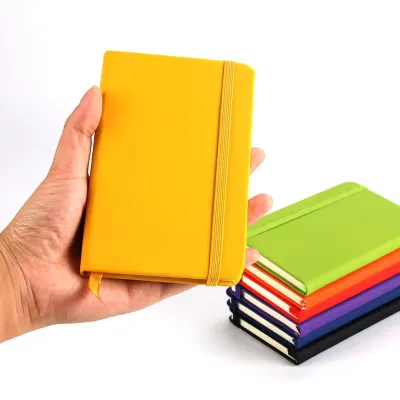

Prices are valid at publication and may change. Please refer to the product page for the latest price.
Best Pocket Notebook Formats for Daily Journaling
For daily journaling and personal reflection, structured page rulings are essential for keeping long-form text neat and legible. Lined (ruled) pages are the traditional choice, providing clear horizontal boundaries that keep your handwriting consistent across the page. Alternatively, dotted pages offer a more flexible grid system, giving you subtle vertical and horizontal alignment guides that virtually disappear when you step back to read your entries.

Paper quality is the most critical factor for journaling, especially if you prefer using fountain pens, liquid ink rollers, or high-flow gel pens. These writing instruments deposit a significant amount of wet ink onto the page, which can easily bleed through thin paper. To prevent this, look for paper with a weight of at least 80 to 100 grams per square meter (GSM). Because local humidity can make paper more absorbent, always verify the manufacturer’s paper weight specifications and perform a quick ink test on the back page before committing to a full journal.
Thread-sewn (Smyth-sewn) bindings are highly recommended for journaling because they allow the notebook to lie completely flat when open. Writing in a pocket-sized book can be frustrating if you constantly have to fight a stiff spine to write near the inner margin, also known as the gutter. A lay-flat binding ensures you can use the entire width of the page comfortably without having to apply heavy physical pressure to hold the notebook open.
When choosing a cover for your journal, balance the trade-offs between softcover flexibility and hardcover protection. Soft covers, made of flexible cardstock or thin faux leather, conform easily to your body shape when carried in a back pocket or a tight bag compartment. Hardcovers, on the other hand, offer a rigid writing surface and superior protection against bending, sweat, and environmental moisture, ensuring your personal reflections are preserved for years to come.
Ideal Pocket Notebooks for Meeting Notes and Quick Capture
Professionals and students who need to capture information rapidly require a notebook designed for speed and organization. Ruled pages with narrow line spacing are excellent for squeezing maximum text onto a small page, while grid (graph) pages are ideal for drafting quick tables, checklists, and structured diagrams. These structured layouts help you organize action items and meeting minutes on the go without losing visual clarity.
Durability is paramount when carrying a notebook through busy daily commutes, site visits, or active work environments. Look for sturdy covers made from synthetic materials, such as water-resistant polypropylene, or heavy-duty coated cardstock. These materials protect the inner pages from getting bent, torn, or damaged by sweat when stored in pockets or tossed into a crowded bag.
For fast-paced note-taking, spiral or wire-o binding offers a distinct advantage over stitched alternatives. A spiral spine allows you to fold the notebook completely back on itself, cutting its physical footprint in half and providing a stable writing surface when you do not have a desk. However, if you plan to archive your notes long-term, a slim stitched binding is often better because it slides smoothly into pockets without snagging on fabric and stacks neatly on a shelf.
Fast note-taking requires a smooth paper surface that minimizes friction, allowing ballpoint or hybrid ink pens to glide effortlessly. Look for uncoated or lightly calendered paper that promotes rapid ink absorption and fast drying times. This is especially important in humid conditions, where slow-drying inks are prone to smudging when you quickly flip the page to keep up with a speaker.
Choosing a Pocket Notebook for Sketching and Field Drawing
Artists, designers, and hobbyists who use pocket notebooks for visual work require blank, unruled pages to allow for unrestricted drawing. When evaluating sketchpads, pay close attention to the paper’s “tooth,” which refers to its surface texture. A paper with a slight texture or tooth grabs graphite, colored pencils, and charcoal effectively, while a very smooth paper is better suited for precise technical fineliners and ink illustration.
Paper weight is even more critical for sketching than it is for writing. Standard writing paper is too thin to handle heavy ink markers, brush pens, or light watercolor washes without buckling or pilling. For dry media, a paper weight of 100 to 120 GSM is usually sufficient, but if you plan to use wet media or markers, look for heavy-weight paper ranging from 140 to 160 GSM to ensure the pages remain flat and intact.
To preserve your artwork over time, always verify that the notebook features acid-free, pH-neutral paper. Standard wood-pulp paper contains natural acids that cause it to turn yellow and become brittle, a process that is accelerated by exposure to tropical heat and humidity. Acid-free paper prevents this degradation, keeping your sketches, ink lines, and colors vibrant and stable for decades.
For field drawing, a hardcover notebook is almost always the superior choice. The rigid cover acts as a built-in miniature clipboard, allowing you to sketch comfortably while standing, sitting on a bench, or working outdoors without a table. Before starting a finished piece, always conduct a media trial on the very last page of the notebook to check how your specific pencils, inks, or markers behave regarding feathering, bleed-through, and surface pilling.
Can One Pocket Notebook Handle Journaling, Notes, and Sketching?
If you prefer carrying a single everyday carry (EDC) notebook rather than managing multiple books, you will need to make some practical compromises. A dotted or light-grey grid ruling serves as the best all-around middle ground. The dots provide enough linear guidance to keep your handwriting straight when writing notes or journaling, yet they easily fade into the background when you want to draw a freehand sketch.
Balancing paper weight is another critical trade-off when selecting a single, versatile notebook. A medium paper weight of 80 to 100 GSM is the sweet spot; it is heavy enough to minimize ghosting from standard gel pens and pencils, yet thin enough to keep the notebook slim and portable. If the paper is too thick, the notebook becomes bulky and heavy, defeaturing the convenience of a pocket-sized format.
However, you should separate your notebooks if your specific activities conflict. If you regularly use wet art media like watercolors or heavy markers that ruin the reverse side of the page, or if your rapid meeting notes are messy and disposable while your journal contains highly personal thoughts, a single book will not suffice. In these cases, carrying two ultra-slim, dedicated notebooks inside a single leather or fabric slipcover offers an organized, modular solution.
Practical Tips for Carrying and Pairing Pens with Pocket Notebooks
To get the best performance out of your pocket notebook, you must pair it with the right writing instrument. In humid environments, gel and fountain pen inks dry much slower, making them highly susceptible to smudging when you close the book quickly. To mitigate this, pair your notebook with quick-drying gel pens, fine-point ballpoint pens, or water-resistant pigment liners that bond rapidly with the paper fibers.
Protecting your notebook from physical wear is essential for maintaining its structural integrity during transit. Pocket notebooks are subjected to constant friction, body heat, and moisture when carried in pockets or bags. Using notebooks with built-in elastic closures, or investing in a simple plastic, canvas, or leather slipcase, prevents the pages from fraying and keeps the book securely closed.
Finally, keeping your thoughts organized is key to making your pocket notebook highly functional. Because these small books fill up quickly, consider leaving the first two pages blank to create a custom index or table of contents. If your notebook does not come with pre-printed page numbers, manually number the pages as you go and log important entries, sketches, or meeting dates in your index for effortless retrieval later.
Frequently Asked Questions (FAQ)
What is the standard size for a pocket notebook?
The most common standard sizes for pocket notebooks are A6 (105 x 148 mm) and the classic pocket size of 3.5 x 5.5 inches (approximately 90 x 140 mm). Because pocket sizes can vary slightly by brand, always measure your actual shirt pockets, pants pockets, or bag compartments before purchasing to ensure a comfortable fit.
How do I stop ink from bleeding through my pocket notebook?
To prevent ink from bleeding through, choose a notebook with a higher paper weight (80 GSM or above) and switch to lower-flow writing instruments, such as extra-fine gel pens or traditional ballpoints. You can also place a thick sheet of cardstock or a plastic pencil board (shitajiki) directly behind your active page to absorb excess pressure and protect the sheets underneath.
Are spiral-bound pocket notebooks better for note-taking?
Spiral-bound pocket notebooks are excellent for quick, on-the-go note-taking because they lay completely flat and can be folded back 360 degrees, allowing you to write easily while standing. However, thread-sewn or stitched bindings are much slimmer, slide into tight pockets without snagging on clothing, and offer better long-term durability for archiving your written notes.
Community discussion
Share your experience or ask a question. Comments are reviewed before publication.