
Selecting the ideal portfolio folder is more than a matter of aesthetic preference; it is a practical decision that directly impacts how well your documents, credentials, and creative works survive daily transit. In a tropical climate like the Philippines, where sudden heavy downpours and high relative humidity are constant factors, your filing system must serve as a reliable shield. The right choice depends entirely on your daily routine, the physical dimensions of your materials, and the environments where you present your work.
Students require lightweight, high-capacity organizers like button folders or zip binders that can withstand being stuffed into crowded backpacks during daily commutes. Professionals need structured, elegant padfolios or presentation cases that keep documents completely flat while offering dedicated slots for business cards and tablets during corporate meetings. Creatives, such as artists and architects, must prioritize oversized, rigid art portfolios equipped with acid-free sleeves to protect delicate mediums from yellowing or physical damage.
Identify Your Core Needs: Which User Profile Fits You?
Before browsing online marketplaces or local office supply stores, you must analyze your daily workflow. A portfolio that works perfectly for a corporate board meeting will quickly fail if subjected to the rough-and-tumble environment of a daily university commute. Conversely, a simple plastic envelope folder will look out of place and lack the necessary structure during a high-stakes job interview or client pitch.
Products mentioned in this guide
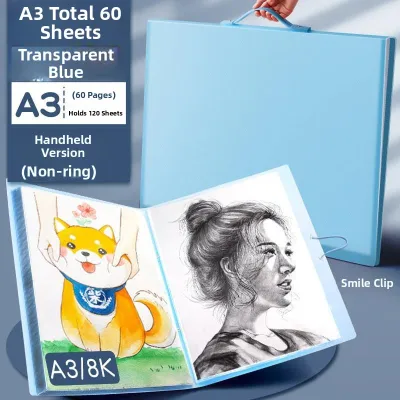
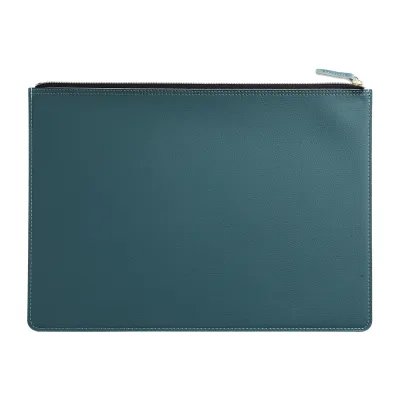
Prices are valid at publication and may change. Please refer to the product page for the latest price.
To determine which category you fall into, consider three primary factors: the physical nature of your contents, your mode of transportation, and the expectations of your audience. If you primarily carry loose worksheets, handouts, and basic writing tools, your needs are functional and utility-driven. If you carry sensitive legal contracts, printed resumes, or a digital tablet to formal meetings, your priority is structured organization and a polished appearance. If you handle large sketches, charcoal drawings, or architectural blueprints, your primary concern is physical protection and material preservation.
Use this quick self-assessment to guide your decision:
- What are you carrying? Identify if your materials are standard A4 documents, oversized art boards, delicate physical mediums, or a mix of paper and digital devices.
- How do you travel? Consider if your daily commute involves walking through humid streets, riding in open-air jeepneys, or navigating crowded trains, which demands weather-resistant seals.
- What is the presentation setting? Determine if you need to quickly hand over loose sheets or if you need a professional surface to write on and present documents directly from the folder.
By matching these variables to the correct portfolio style, you prevent common issues like bent corners, water damage, and disorganized presentations.
Everyday Carry for Students: Button Folders and Zip Binders
For students, a portfolio folder must be highly resilient, lightweight, and economical. Academic life involves carrying a constantly shifting volume of loose handouts, exam sheets, and lecture notes. These items need to be accessed quickly between classes and protected from getting crumpled at the bottom of a backpack.

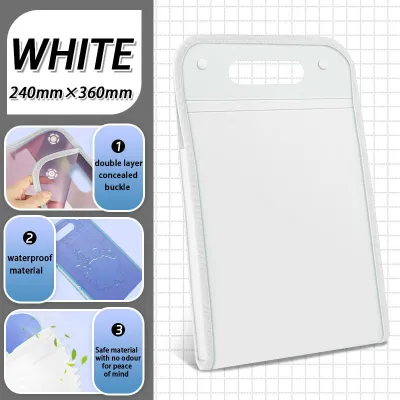
Button Folders / Envelope Folders are the most accessible and cost-effective options, typically ranging from ₱20 to ₱100. Made from flexible polypropylene plastic, they feature a simple flap secured by a plastic snap button or an elastic string. They are excellent for separating documents by subject or keeping a small stack of homework clean and dry. However, because they lack rigid sides, they offer minimal protection against bending if your backpack is tightly packed. Their semi-open sides can also allow moisture to seep in during heavy monsoon rains.
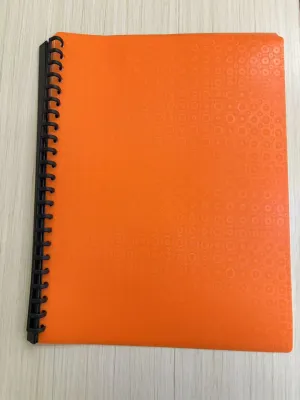
Zip Binders / Zippered Portfolios are a far superior choice if you carry a larger volume of materials. These folders feature a heavy-duty zipper that runs along three sides, completely sealing the contents inside. They often incorporate multi-ring binders, expanding pockets, and fabric covers made of durable canvas or nylon. A zip binder prevents loose pens, flash drives, and small note cards from falling out during a hectic commute on public transit.
When selecting a student portfolio, always verify the quality of the seams and the zipper mechanism. Look for thick nylon zippers with smooth pull tabs, as metal zippers can sometimes rust when exposed to salty coastal air or persistent tropical humidity. Additionally, prioritize interior layouts that include pen loops, mesh utility pockets, and dedicated slots for student ID cards or index cards.
Professional Polish: Presentation Cases and Padfolios
In a professional setting, your portfolio is an extension of your personal brand. Walking into an interview or a client pitch with a crumpled plastic folder immediately undermines your credibility. Professionals require sleek, structured padfolios or presentation cases that project competence, organization, and attention to detail.
Padfolios and Presentation Cases are designed to be carried by hand or inside a slim briefcase. A classic padfolio opens like a book, featuring a secure sleeve for an A4 or Letter-sized writing pad on one side, and organized pockets for business cards, contracts, and pens on the other. Many modern professional portfolios also include a padded, micro-fiber-lined compartment designed to hold a tablet or a slim laptop safely.
Material Considerations are critical for both durability and appearance. Genuine leather offers unmatched longevity and a classic, premium look, but it requires regular maintenance with specialized leather conditioners to prevent mold growth in the humid Philippine climate. High-quality polyurethane (PU) faux-leather is a highly popular alternative. It is naturally water-resistant, easy to wipe clean, and budget-friendly, typically costing between ₱500 and ₱1,500. However, you must inspect the edges; look for stitched borders rather than heat-sealed edges, as heat-sealed PU is prone to peeling and cracking under high temperatures.
When evaluating a professional portfolio, check for a rigid internal board. The spine and covers must be stiff enough to allow you to write comfortably while standing or sitting without a desk. Secure closures, such as low-profile magnetic snaps or concealed zippers, ensure that your confidential contracts and resumes remain securely inside and protected from dust.
Maximum Protection for Creatives: Art Portfolios and Heavy-Duty Binders
Artists, designers, architects, and photographers face unique challenges when transporting their work. Their creations are often oversized, highly delicate, and sensitive to environmental factors. Standard office folders are completely inadequate for these needs, requiring specialized creative portfolios designed for maximum physical and chemical protection.
Art Portfolios with Carrying Straps are indispensable for large-format works such as A3 sketches, A2 watercolor paintings, or architectural blueprints. These cases feature rigid outer shells made of molded plastic or heavy-duty board wrapped in water-resistant synthetic fabrics. Because of their sheer size, they must include comfortable, adjustable shoulder straps and reinforced handles, allowing you to carry them safely while keeping your hands free during transit.
Heavy-Duty Zip Binders for Creatives are ideal for smaller creative projects, sketchbooks, and digital-physical hybrids. These often combine a protective sleeve for a digital drawing tablet with storage for physical sketchpads, marker sets, and reference swatches.
Critical Material Specifications require creatives to pay close attention to the chemical composition of the interior sleeves. Always verify that the plastic sleeves are explicitly labeled as acid-free and archival-safe (typically made of polypropylene rather than PVC). Acidic plastics can react chemically with graphite, charcoal, pastel, and certain inkjet prints, leading to yellowing, fading, or the disastrous transfer of ink onto the plastic sleeve. Additionally, ensure the portfolio features a completely flat-laying design when opened, which prevents delicate papers from creasing or curling at the spine.
Final Pre-Purchase Checklist: Sizing, Materials, and Humidity
Before making your final purchase from an online store or a local stationery shop, run through this practical checklist to ensure your chosen portfolio matches your physical requirements and environmental conditions.
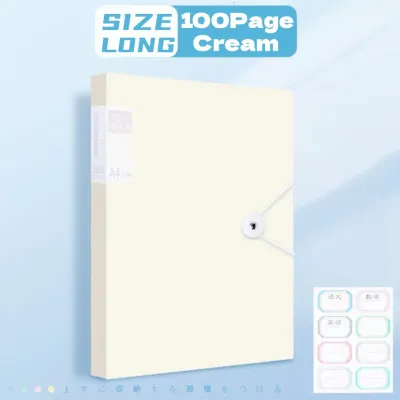
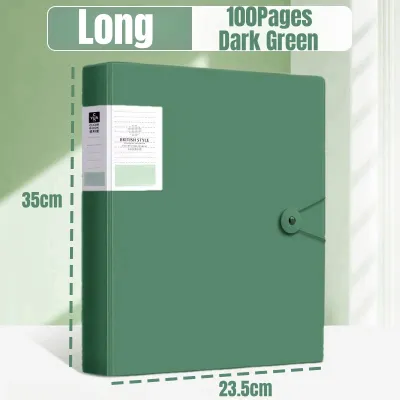
Size and Paper Standard Fit must never be assumed based on a generic label. In the Philippines, there is a crucial distinction between standard A4 paper (210 x 297 mm), US Letter (8.5 x 11 inches), and Legal size (often referred to locally as “long bond paper,” measuring 8.5 x 13 inches). Many imported portfolios are designed strictly for the international A4 standard. If you attempt to store long bond paper in an A4 folder, the top edges of your documents will stick out, leading to inevitable damage when you close the zipper or flap. Always measure your largest document and compare it directly to the folder’s internal dimensions.
Climate and Moisture Resistance are essential because high relative humidity can quickly soften paper, making it highly susceptible to tearing and mold. If you commute regularly, avoid portfolios made of untreated canvas or raw cardboard, as they absorb moisture from the air. Instead, opt for synthetic materials like polypropylene or water-resistant nylon. To verify the water resistance of a synthetic cover, perform a quick spot test by placing a few droplets of water on an inconspicuous corner; the water should bead up and slide off easily rather than soaking into the fibers.
Capacity and Gusset Width determine how much you can carry. A flat portfolio is designed for a very limited number of sheets (typically 10 to 20 pages). If you need to carry thick catalogs, textbooks, or a tablet alongside your paperwork, look for a folder with a gusseted edge or a defined spine width (at least 1 to 2 inches). Forcing too many items into a flat folder puts immense strain on the seams and closures, leading to premature failure.
Closure and Lining Inspection should be performed before first use. Test the closure mechanism multiple times. Zippers should glide smoothly without catching on the inner lining. Inspect the interior seams to ensure there are no exposed, sharp plastic edges or rough threads that could scratch your digital devices or snag delicate tracing papers.
Frequently Asked Questions (FAQ)
How do I clean a faux-leather portfolio without damaging it?
To clean a faux-leather (PU) portfolio, gently wipe the exterior surface with a soft, lint-free microfiber cloth that has been slightly dampened with clean water. For stubborn dirt or sweat marks, add a single drop of mild dishwashing liquid to the water, wipe the surface gently, and follow immediately with a clean, damp cloth to remove any soap residue. Always allow the portfolio to dry completely in a well-ventilated indoor space away from direct sunlight or heat sources. Avoid using rubbing alcohol, chemical solvents, disinfectant wipes, or stiff brushes, as these can permanently dissolve, discolor, or crack the synthetic polyurethane coating.
Can I use a standard A4 portfolio for legal-size documents?
No, you should not use a standard A4 portfolio for legal-size documents. Standard A4 paper measures 8.27 x 11.69 inches, whereas local legal-size paper (long bond paper) measures 8.5 x 13 inches. Because legal paper is over an inch longer than A4, forcing these documents into an A4 folder will cause the top edges to protrude. When you zip or snap the portfolio shut, these exposed edges will inevitably bend, crease, or get caught in the zipper mechanism, ruining your documents. Always check the exact internal dimensions of the portfolio to confirm it is rated for legal or long-size documents before purchasing.
Community discussion
Share your experience or ask a question. Comments are reviewed before publication.