
The ideal portfolio folder organizer depends entirely on the specific documents you carry and your daily environment. Whether you need to protect delicate artwork, present corporate contracts, or survive a crowded campus commute, the right choice balances capacity, material durability, and professional appearance. By matching the folder’s material, closure, and internal layout to your specific routine, you can ensure your important papers remain secure and pristine.
Matching Portfolio Folder Organizers to Your Primary Use Case
Selecting the right organizer requires looking at how often you travel, the size of your papers, and how quickly you need to retrieve them. While a rigid, heavy-duty case offers maximum protection against bending, it adds bulk to your daily carry, whereas a flexible sleeve is lightweight but offers less structural support.
School Requirements and Daily Academics
For students navigating busy campuses, durability and weather resistance are paramount. High humidity and sudden tropical downpours mean you should look for water-resistant exterior materials, such as heavy-duty polypropylene, and reinforced stitched edges that will not easily fray inside a packed backpack.
Products mentioned in this guide
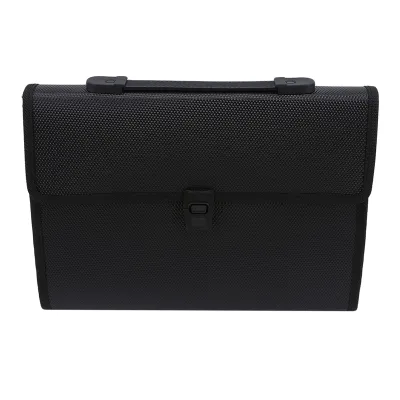
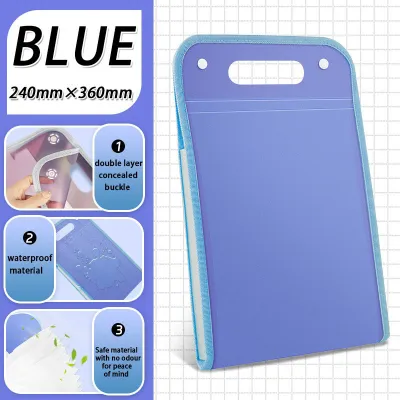
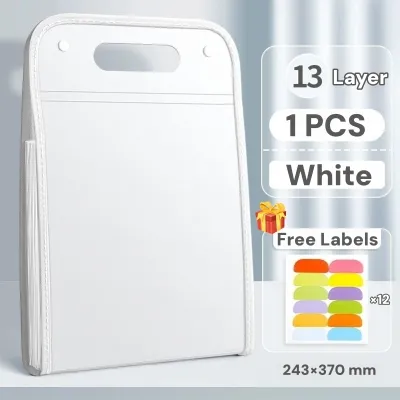
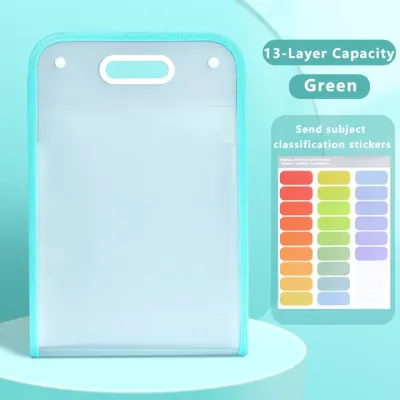
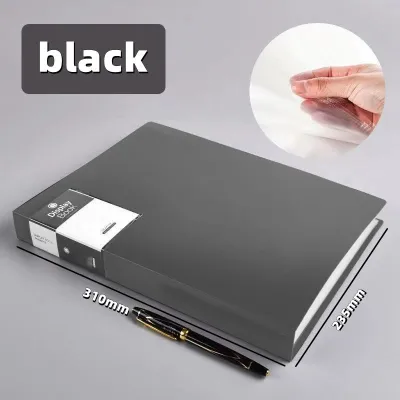
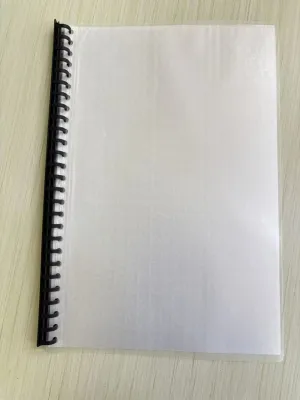
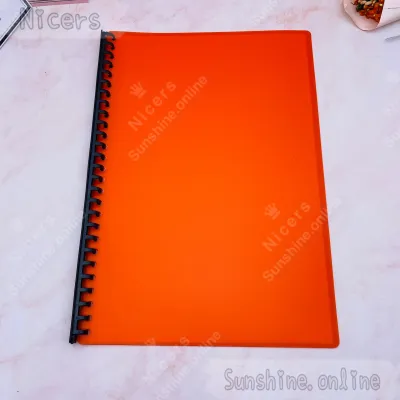
Prices are valid at publication and may change. Please refer to the product page for the latest price.
A multi-pocket layout is ideal for keeping your syllabi, homework assignments, and graded papers separated by subject. Before purchasing, verify that the internal dimensions comfortably fit standard A4 or Letter-sized loose-leaf papers, and check if the pockets are wide enough to accommodate spiral notebooks without tearing the plastic seams.
Job Interviews and Professional Meetings
When stepping into a job interview or a high-stakes meeting, your organizer serves as a visual extension of your professionalism. Opting for understated, high-density textured finishes or classic faux leather in neutral tones projects a polished image far better than bright, casual plastics.
Look for internal configurations that feature dedicated slots for your business cards, a reliable pen loop, and a secure sleeve for a legal pad or a slim tablet. Ensure the closure mechanism—such as a smooth zipper or a secure magnetic flap—keeps your resume copies pristine and prevents loose sheets from sliding out as you move between offices.
Client Presentations and Corporate Pitching
Corporate pitches and client consultations require an organizer that facilitates seamless document sharing. If you frequently hand out customized proposal packets, a built-in ring binder mechanism allows you to add or remove pages easily, whereas fixed clear sleeves are excellent for presenting a set, non-negotiable portfolio.
For networking events, prioritize folders equipped with clear ID windows and easily accessible business card holders on the inside cover. If your work involves carrying thick contracts, product brochures, or physical samples, look for an organizer with expandable gussets that can grow to accommodate the extra volume without warping the spine.
Creative Portfolios and Artwork Protection
Artists, designers, and architects require specialized protection to keep their visual work in pristine condition. Standard office folders often fall short, so you must verify the exact internal dimensions to ensure non-standard paper sizes, sketches, or design drafts fit comfortably without any bending or folding.
To protect delicate prints and drawings from chemical degradation over time, look for organizers featuring acid-free, archival-quality plastic sleeves. Additionally, choose a portfolio with a rigid backing board or a hard outer shell, which provides the necessary structural support to prevent creasing when carrying your work flat.
Key Structural Features to Verify Before Purchasing
Evaluating the physical build and functional limits of any portfolio folder organizer before buying will save you from future frustration. Pay close attention to how the materials and construction align with your daily handling habits.

Material and Finish: The outer material determines how well your folder handles daily wear and environmental exposure. Vinyl is highly wipeable and water-resistant but can crack over time in extreme heat, while nylon and canvas offer lightweight durability and resist edge fraying but may absorb moisture if not treated. Faux leather provides a premium look and good structure, though it requires careful handling to avoid surface scuffs.
Closure Mechanisms: A secure closure keeps your documents safe from wind, dust, and accidental drops. Zipper closures offer the highest level of security, sealing all sides completely, though they take slightly longer to open. For quick access during fast-paced meetings, envelope flaps, snap buttons, or elastic bands are highly convenient, though they leave the edges of the folder slightly exposed.
Internal Configuration: How you organize your papers depends on how often you need to swap them out. Fixed top-loading clear sleeves are excellent for permanent displays, while side-loading pockets make it easier to slide documents in and out quickly without catching on the edges. If your needs change weekly, an adjustable ring binder system offers the ultimate flexibility to add, remove, or reorder pages.
Spine and Gusset: Consider the overall thickness of your typical document stack before choosing a spine style. An expandable spine or gusseted pocket allows the folder to stretch as you add more papers, preventing the cover from bulging or warping. Conversely, a fixed spine maintains a slim, elegant profile but strictly limits the number of sheets you can carry before the folder fails to close properly.
Cross-Scenario Compatibility: Can One Folder Do It All?
Many professionals and students find themselves transitioning between different environments, such as heading straight from a university lecture to a formal job interview, or moving from a casual creative studio to a corporate client site. In these hybrid scenarios, carrying multiple specialized folders can become cumbersome and impractical.
However, relying on a single universal folder involves clear compromises. A heavy-duty, brightly colored plastic folder that survives a rugged campus commute will look out of place in a corporate boardroom, while an elegant faux-leather portfolio might lack the water resistance and pocket capacity needed for daily academic use.
To balance these competing demands, look for a versatile hybrid design. Choose a neutral color like black, navy, or charcoal, and opt for a mid-weight, water-resistant material that offers both durability and a clean aesthetic. A folder featuring a combination of a slim ring-binder mechanism and a few removable clear sleeves provides the adaptability needed to transition smoothly across different settings.
Maintenance and Care for Long-Lasting Use
Proper maintenance ensures your portfolio folder organizer remains presentable and structurally sound over years of use. For daily upkeep, use low-risk cleaning methods tailored to the specific material: wipe vinyl or plastic covers with a slightly damp microfiber cloth, and use a soft-bristled brush to remove dust and lint from canvas or nylon surfaces.
Before applying any specialized chemical cleaners, leather conditioners, or spot treatments to faux leather or fabric folders, always check the manufacturer’s care label or instructions to prevent discoloration. Because tropical humidity can encourage mold growth and weaken adhesives, store your folders upright or flat in a well-ventilated, dry environment, keeping them away from direct sunlight to prevent warping or permanent creasing along the spine.
Frequently Asked Questions (FAQ)
What is the difference between a portfolio folder and a standard presentation folder?
A portfolio folder organizer is designed for long-term, repeated use, featuring durable materials like faux leather, heavy-duty plastic, or canvas, along with secure closures and internal organization pockets. In contrast, a standard presentation folder is typically a lightweight, cover-stock paper folder with two simple interior pockets, designed for single-event handouts or temporary document storage. Use a portfolio organizer to protect high-value, frequently accessed documents, and reserve standard paper folders for distributing disposable meeting materials or marketing handouts to clients.
How do I prevent my documents from slipping out of the pockets?
To keep your loose papers secure, look for organizers that feature pockets with angled cuts, inner security flaps, or zipper closures that seal the entire compartment. If your folder lacks built-in rings or fasteners but you need to keep specific documents from shifting, you can use temporary adhesive corner mounts or place the papers inside a dedicated clear sleeve insert. For permanent setups, utilizing a standard hole punch with a ring-binder mechanism remains the most reliable way to lock pages securely in place.
Community discussion
Share your experience or ask a question. Comments are reviewed before publication.