
Choosing the right modeling material is the most critical decision you will make before starting any sculpting project. When browsing for a rainbow clay set, you will quickly find that these vibrant collections are not all made of the same material. In fact, they generally fall into three distinct categories: play dough, air-dry clay, and polymer clay. Selecting the wrong type can lead to cracked sculptures, ruined details, or frustrated kids, while choosing the correct one ensures your creative vision comes to life seamlessly.
To make the right choice, you must look past the appealing spectrum of colors and evaluate the physical properties of the compound itself. Each type of clay has a unique chemical formulation that dictates how it behaves under your hands, how it cures, and how long the final piece will last. By aligning these material characteristics with your specific crafting goals, you can select a set that delivers the perfect balance of workability, durability, and safety.
Identify Your Crafting Goals for a Rainbow Clay Set
Before purchasing a rainbow clay set, it is essential to diagnose your project needs by asking a few fundamental questions. First, consider the age and skill level of the primary user. Are you buying this for a toddler who is still developing fine motor skills, a school-aged child working on a classroom diorama, or an adult hobbyist crafting intricate jewelry? Matching the user’s physical capabilities to the material prevents unnecessary frustration and ensures a safe crafting environment.
Products mentioned in this guide
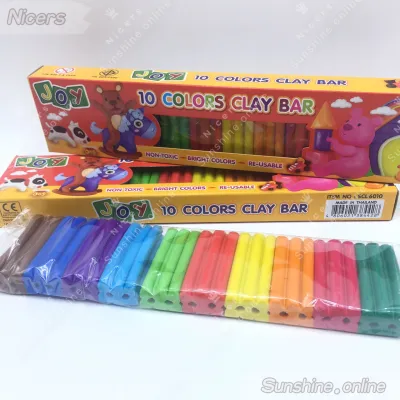
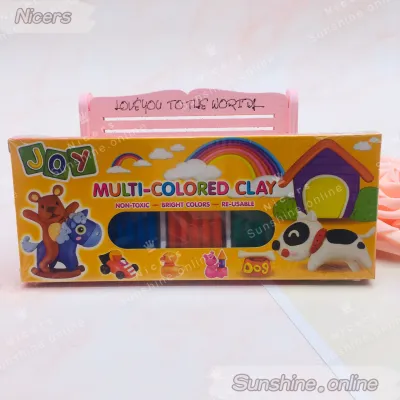
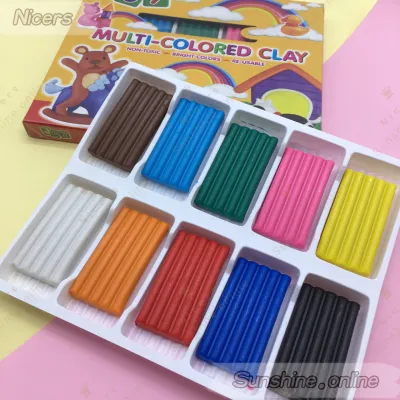
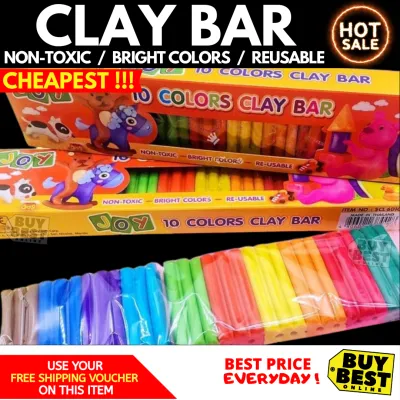
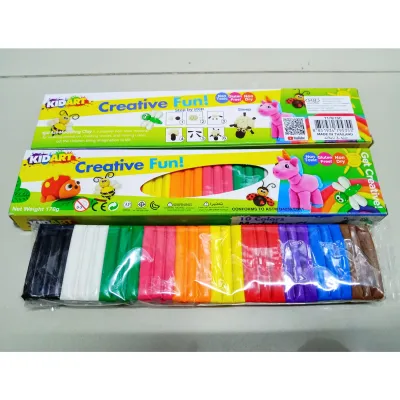
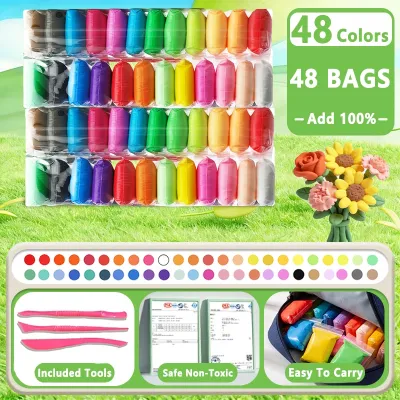
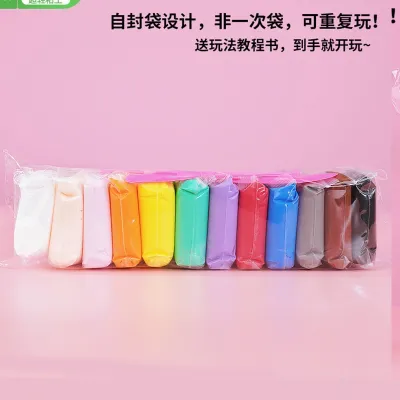
Prices are valid at publication and may change. Please refer to the product page for the latest price.
Next, define the intended lifespan of the finished creation. If you want to create permanent keepsakes, custom jewelry, or durable figurines, you need a material that cures into a solid, resilient state. Conversely, if the goal is temporary sensory play, color-mixing practice, or a quick afternoon activity that can be squished and remolded tomorrow, a non-hardening compound is far more appropriate.
Finally, evaluate your available workspace and equipment. Some clay types require specialized curing methods, such as baking in a standard home kitchen oven with precise temperature controls. Other types cure naturally at room temperature but require a clean, dust-free area where they can sit undisturbed for several days. Understanding these logistical requirements beforehand ensures you do not end up with a project you cannot properly dry or bake. Remember that while a multi-color set offers great aesthetic variety, the physical properties, safety guidelines, and tool requirements remain entirely dependent on the underlying clay formulation.
Play Dough: Best for Sensory Play and Young Children
Play dough is the classic choice for early childhood development and casual, non-permanent play. This compound is typically made from water, flour, and salt, resulting in an incredibly soft, pliable texture that is easy for small hands to squeeze, roll, and stamp. Because it is designed primarily for toddlers and young children, reputable brands formulate play dough to be non-toxic and safe, though you should always check the product packaging for official age recommendations and safety certifications.

The primary value of play dough lies in its tactile, sensory benefits. It serves as an excellent tool for teaching young children fine motor skills, hand-eye coordination, and basic color theory. With a rainbow set, children can experiment with color mixing—blending blue and yellow to create green—without the pressure of creating a permanent object. It is a medium designed for the process of creation rather than the final product, making it perfect for temporary sculptures, play mats, and imaginative storytelling.
However, play dough has distinct limitations that make it unsuitable for advanced crafting. It cannot hold fine, intricate details, as the material tends to spring back slightly and lacks the structural integrity of true modeling clays. Furthermore, if left exposed to the air, play dough will dry out, shrink, and crack, leaving behind a crumbly residue. It is not a medium for keepsakes or functional items.
In the tropical climate of the Philippines, environmental factors play a significant role in how play dough behaves. The high ambient humidity can cause opened play dough to absorb excess moisture from the air, making it sticky, gooey, and prone to mold growth over time. Conversely, playing with it in heavily air-conditioned rooms can dry the compound out much faster than expected. To maximize the lifespan of your set, always store the dough in airtight plastic containers immediately after play, keeping them in a cool, dry place away from direct sunlight.
Air-Dry Clay: Ideal for School Projects and Casual Crafting
Air-dry clay bridges the gap between temporary play compounds and professional sculpting mediums, making it a highly popular option for school assignments, dioramas, and casual home crafting. This material is lightweight, water-based, and incredibly easy to manipulate. The standout feature of air-dry clay is its curing method: it hardens naturally at room temperature without requiring a kiln or a kitchen oven. This makes it an exceptionally safe and accessible choice for classrooms, community workshops, and busy households.
For school-aged children and hobbyists, air-dry clay offers impressive versatility. While wet, it can be molded into substantial structures, hollow vessels, or detailed figures. Once it cures completely, the clay transforms into a solid, lightweight, matte medium that can be further refined. You can easily sand down rough edges, carve fine details into the surface, and paint the finished piece using standard acrylic paints or permanent markers. This post-cure workability makes it the go-to choice for school science projects, historical model dioramas, and handmade holiday ornaments.
Despite its convenience, air-dry clay has structural limitations. Because it is water-based, the material shrinks slightly as the water evaporates during the drying process, which can lead to minor warping or cracking in thick, uneven pieces. Once dry, the finished items remain somewhat fragile and highly porous. They are not naturally waterproof and will soften or dissolve if they come into contact with water, meaning you must apply a clear varnish or sealer if you want to protect the surface from moisture.
Living in the Philippines presents unique challenges when working with air-dry clay due to the country’s high relative humidity. The moisture in the tropical air significantly slows down the evaporation process, meaning a project that dries in 24 hours in a dry climate might take three to five days to cure fully. To ensure even drying and prevent moisture from getting trapped inside thick sculptures—which can cause internal mold or structural failure—always place your wet projects in a well-ventilated area. Running a desk fan nearby or placing the piece in an air-conditioned room with lower humidity will help the clay cure evenly and prevent cracking.
Polymer Clay: The Choice for Detailed Crafting and Keepsakes
For advanced hobbyists, artists, and crafters looking to create durable, highly detailed, and professional-grade items, polymer clay is the gold standard. Unlike water-based clays, polymer clay is an oil-based modeling compound formulated with polyvinyl chloride (PVC) binders. This unique chemical composition means the clay does not dry out when exposed to air, giving you an unlimited amount of time to sculpt, refine, and rework your creations without any rush.
Polymer clay is highly valued for its ability to hold exceptionally fine details. It is the ideal medium for making custom jewelry, intricate beads, miniature figurines, dollhouse accessories, and highly detailed charms. Because the colors do not bleed or blend unless thoroughly conditioned together, a rainbow set allows you to create complex patterns, canes, and gradients that retain their sharp boundaries even after curing. Once baked, polymer clay cures into a dense, durable, and completely waterproof plastic state that can withstand daily wear and tear, making it perfect for functional keepsakes.
However, polymer clay comes with strict equipment and safety boundaries. It does not air-cure; it must be baked in a standard home kitchen oven or a dedicated toaster oven to harden. It should never be cured in a microwave, as this can cause the material to overheat, burn, and release harmful fumes. Because of the baking requirement, the need for sharp sculpting tools, and the chemical composition of the uncured paste, polymer clay is generally not recommended for young children without close adult supervision.
When working with polymer clay, you must strictly follow the manufacturer’s baking instructions printed on the packaging. Different brands within a rainbow clay set may have slightly different temperature thresholds—typically ranging between 110°C and 130°C. Maintaining precise temperature control is critical; under-baking results in brittle, fragile pieces that break easily, while over-baking can scorch the clay and release irritating chemical vapors. Always use an external oven thermometer to verify your oven’s temperature, as built-in dials are often inaccurate.
Quick Decision Matrix: Matching Clay to Your Project
To help you quickly identify which material fits your upcoming project, refer to the comparison matrix below. This table outlines the key differences in curing methods, durability, and ideal use cases for each clay type found in popular rainbow sets.
| Clay Type | Curing Method | Durability & Finish | Best Use Case | Recommended Age Group |
|---|---|---|---|---|
| Play Dough | No curing (Re-usable) | Very low; dries out and crumbles if left exposed | Sensory play, color mixing, temporary sculpting | Toddlers and preschoolers (3+) |
| Air-Dry Clay | Air-cures at room temperature | Medium; lightweight, matte, porous, paintable | School projects, dioramas, casual home crafts | School-aged children and teens (6+) |
| Polymer Clay | Oven-baked (110°C – 130°C) | High; dense, waterproof, durable plastic | Jewelry, miniatures, permanent keepsakes | Teens and adult hobbyists (14+) |
When purchasing a set for children, always look at the product packaging to verify safety standards. Ensure the set features recognized non-toxic certifications, such as the ASTM D-4236 or EN71 standards, which guarantee the materials have been evaluated for safety. While budget-friendly rainbow clay sets can range from ₱150 for basic play dough to over ₱800 for premium polymer sets in the Philippines, prioritizing safety certifications and correct material properties will ensure a successful and enjoyable crafting experience.
Frequently Asked Questions (FAQ)
Can I mix different types of clay from the same rainbow set?
No, you cannot mix different formulations of clay, even if they come from the same manufacturer or are packaged together. While you can easily blend different colors of the same clay type to create new shades, mixing play dough with air-dry clay or polymer clay will ruin the chemical composition of both. The water-based nature of play dough and air-dry clay is completely incompatible with the oil-based binders of polymer clay. Attempting to mix them will result in a clumpy, unworkable paste that will fail to cure, crack during drying, or burn in the oven.
How should I store opened clay to prevent it from drying out?
Proper storage is key to preserving your rainbow set for future projects. For water-based materials like play dough and air-dry clay, wrap any unused portions tightly in plastic cling wrap before placing them in airtight plastic containers. To prevent drying in hot, tropical climates, you can add a slightly damp paper towel inside the container (without letting it touch the clay directly) to maintain humidity. For oil-based polymer clay, wrap the opened blocks in wax paper or plastic wrap and store them in a cool, dark drawer or container. Keep polymer clay away from direct sunlight and high heat sources, as prolonged exposure to temperatures above 30°C can cause the clay to partially cure and harden in its packaging.
Community discussion
Share your experience or ask a question. Comments are reviewed before publication.