
Selecting the perfect ribbon roll for your gift wrapping project involves more than just picking a color that matches your wrapping paper. The material of the ribbon dictates how easily it ties, how well it holds its shape, and how it physically interacts with the surface of your gift box. Whether you are preparing a delicate token or wrapping a heavy corporate gift, understanding the structural properties of different ribbon fabrics ensures your presentation remains secure and visually striking.
In tropical climates where humidity can soften paper and relax ribbon tension, choosing a material with the right grip and weight is especially important. A poorly matched ribbon can slip off a glossy box or sag under its own weight, while the right material enhances the overall tactile experience of receiving a gift. By matching the physical characteristics of satin, organza, grosgrain, and other specialty fabrics to your specific wrapping style, you can elevate a simple package into a beautifully crafted work of art.
Understanding Common Ribbon Materials for Gift Wrapping
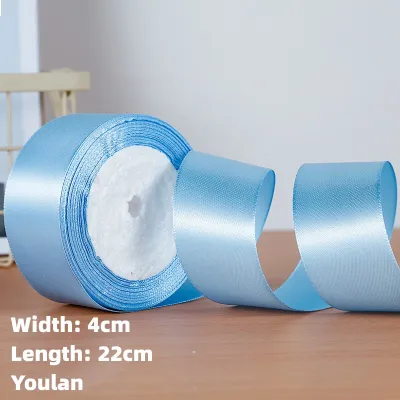
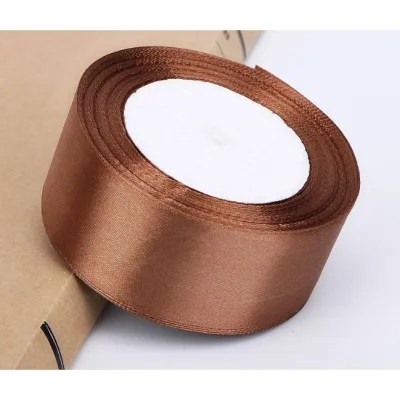
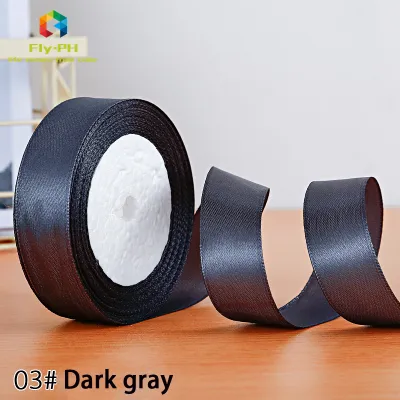
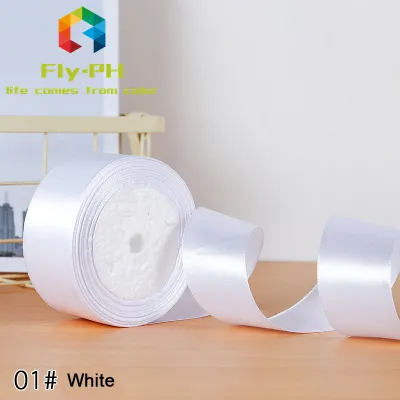
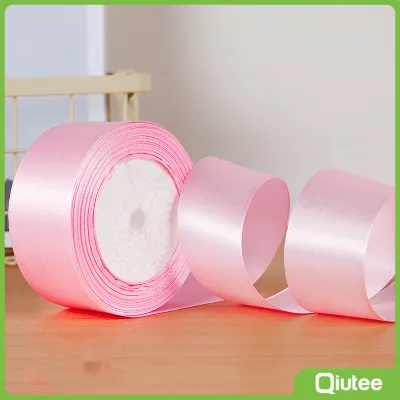
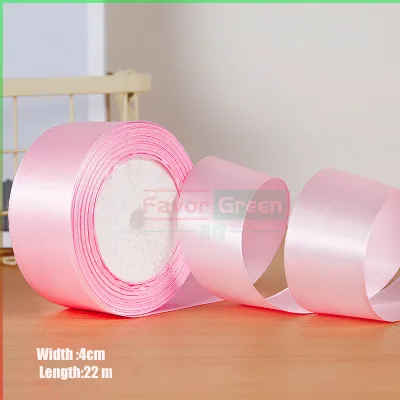
Satin ribbon is the classic choice for elegant gift wrapping. Characterized by its smooth, glossy finish and fluid drape, satin reflects light beautifully, adding an instant touch of sophistication. When purchasing a satin ribbon roll, you will typically choose between single-face satin, which is shiny on one side, and double-face satin, which is lustrous on both sides. While double-face satin is more versatile because both sides look identical when tying loops, both types offer a soft, pliable texture perfect for traditional flat bows and long, cascading tails. However, because satin is exceptionally smooth, it has very little friction, meaning your knots must be tied tightly to prevent them from slipping loose over time.
Products mentioned in this guide
Prices are valid at publication and may change. Please refer to the product page for the latest price.
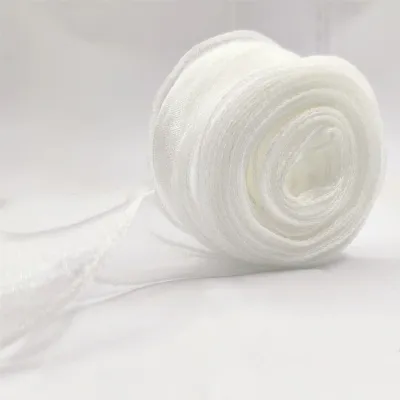
Organza ribbon offers a sheer, translucent appearance and lightweight structure. Made from tightly woven synthetic filaments, organza has a unique stiffness despite its delicate look. This inherent springiness allows organza to hold volume exceptionally well, making it ideal for creating full, airy bows with multiple loops that do not collapse. It works beautifully as an overlay on top of wider, solid-colored ribbons, or as a delicate accent for small jewelry boxes and floral arrangements. Because it is sheer, the color of the wrapping paper underneath will show through, allowing for creative color-layering effects.
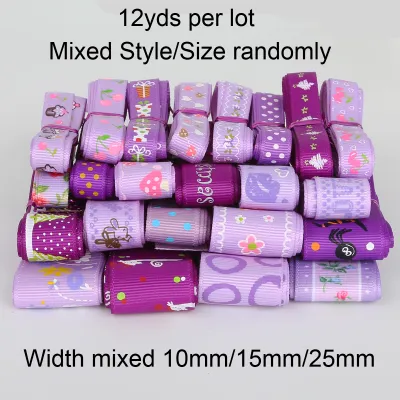
Grosgrain ribbon is easily identified by its distinct ribbed texture, created by a heavy weft-thread weave that forms parallel horizontal ridges along the fabric. This structural design makes grosgrain durable, stiff, and highly slip-resistant. Unlike satin, grosgrain ribbon rolls do not slide against themselves, allowing you to tie tight, secure knots that stay in place without constant adjustment. This high friction and structural integrity make grosgrain the preferred material for heavy gift boxes, structured multi-loop bows, and packages that require frequent handling. Its matte, textured finish offers a modern, tailored look that contrasts beautifully with glossy wrapping papers.
Other ribbon variants cater to specific design themes. Cotton and linen ribbons provide a soft, matte, and organic feel that is perfect for minimalist or rustic gift wrapping, pairing naturally with plain kraft paper. Burlap and jute ribbons offer a coarse, highly textured, and stiff alternative that excels in eco-friendly presentations, though they can be prone to shedding small fibers. Velvet ribbon, with its rich, plush pile on one side, adds a luxurious and warm tactile element that is highly favored for holiday gifts, though its weight and thickness require simple bow structures to avoid looking bulky.
Matching Ribbon Material to Your Box and Bow Style
The physical dimensions and weight of your gift box should directly influence your choice of ribbon roll material. Large, heavy packages—such as a box containing books, homeware, or gourmet food items—require a substantial ribbon that can physically support the box and maintain its tension. A thick grosgrain or heavy cotton ribbon is ideal for these larger projects, as their sturdy fibers will not stretch or snap under pressure. Conversely, small, lightweight items like a delicate pastry box or a jewelry case are best paired with lighter materials like organza or narrow satin. A heavy, wide ribbon can easily overwhelm a small box, making the package look unbalanced and difficult to untie.

Your desired bow style also dictates the material you should select. If you plan to create a complex, multi-loop bow that stands upright and retains its shape, you need a material with high structural memory. Grosgrain ribbons and any ribbon featuring a wired edge are excellent for these elaborate designs, as they hold creases and can be easily fluffed back into shape if compressed during transport. If your design calls for a simple, classic bow with long, trailing tails that drape elegantly down the sides of a gift bag or box, a soft, unwired satin ribbon is the superior choice. Satin’s natural fluid drape allows the tails to fall gracefully, creating a sense of movement that stiffer ribbons cannot replicate.
Finally, consider how the texture of the ribbon interacts visually and physically with your wrapping paper. Glossy wrapping paper has a very slick surface, which can cause slippery ribbons like satin to slide off center easily. To combat this, you can pair glossy paper with a ribbed grosgrain ribbon, which provides the necessary friction to stay secure while creating an appealing contrast between the shiny paper and the matte, textured ribbon. If you are using matte or rustic kraft wrapping paper, you have the freedom to play with extreme contrasts. Adding a high-shine double-face satin ribbon to a rustic kraft box creates a sophisticated, modern aesthetic, while pairing it with a cotton or burlap ribbon reinforces a cohesive, organic, and handmade feel.
What to Check Before Buying a Ribbon Roll
Before purchasing a ribbon roll online or in-store, it is essential to verify its physical specifications to ensure it fits your project needs. Start by checking the width of the ribbon, which is typically measured in millimeters. For standard gift wrapping, a width of 25mm is highly versatile, fitting medium-sized boxes perfectly. Narrower ribbons, such as 6mm or 12mm, are excellent for small favors or tying delicate tags, while wider ribbons of 38mm or 50mm are best reserved for large, statement-making packages. To determine how much ribbon you need, measure the perimeter of your box along the path the ribbon will take, multiply that number by two, and add an extra 30 to 50 centimeters to ensure you have enough length to tie a comfortable bow without straining.
Another critical factor to verify is the edge finishing of the ribbon. Ribbon rolls generally come with either woven edges, cut edges, or wired edges. Woven edges are finished during the manufacturing process, preventing the sides of the ribbon from fraying over time. Cut edges are simply sliced from a wider sheet of fabric; while they are often more affordable, they are highly prone to unraveling along the sides if handled frequently. Wired edges contain a very thin, flexible wire embedded along both borders of the ribbon. This feature is incredibly useful for crafting large, dramatic bows, as it allows you to sculpt, bend, and lock the loops into precise shapes, making it easy to restore the bow’s volume if it gets flattened.
Lastly, pay close attention to colorfastness and care instructions, particularly if you live in a humid environment or are wrapping delicate fabric items. High humidity can cause moisture to accumulate on the surface of your gift packages, which may lead to dye transfer from low-quality ribbons onto light-colored wrapping paper or the gift itself. Check the manufacturer’s product description or label for terms like “colorfast” or “washable.” If you are wrapping a valuable fabric item, such as a clothing gift, or using a vibrant red or dark blue ribbon on stark white wrapping paper, it is wise to test a small scrap of the ribbon first. Dampen the scrap with water and press it against a piece of scrap paper to verify that no dye bleeds before committing to wrapping the entire gift.
Frequently Asked Questions (FAQ)
Can I use the same ribbon roll for both gift wrapping and hair accessories?
While it is physically possible to tie gift wrapping ribbon into your hair, you should verify the material grade and safety specifications before doing so. Ribbon rolls designed strictly for craft and gift wrapping purposes are often treated with stiffening agents, synthetic starches, or metallic dyes to help them hold their shape on boxes. These chemical treatments can cause skin irritation or scalp discomfort during prolonged contact, and rough cut edges or metallic threads can easily snag and damage hair strands. For hair accessories, it is best to choose textile-grade ribbons that are explicitly labeled as safe for apparel use, machine washable, and certified free from harmful chemical residues. These ribbons are softer, more flexible, and designed to withstand regular washing and wear without losing their color or irritating the skin.
How do I prevent the ends of my ribbon from fraying after cutting?
To keep your ribbon ends looking clean and professional, the finishing method must match the ribbon’s fiber content. For synthetic ribbons such as polyester satin, organza, or grosgrain, heat sealing is the most effective method. Using a lighter or a match, carefully bring the cut edge of the ribbon close to the base of the flame for a split second—do not let the flame touch the fabric directly. The heat will melt the synthetic fibers, fusing them into a smooth, solid plastic bead that permanently prevents fraying. For natural fibers like cotton, linen, or burlap, heat sealing will only burn the fabric; instead, apply a tiny drop of clear liquid fabric sealant or fray-check adhesive along the cut edge, testing it on a scrap piece first to ensure it does not discolor or overly stiffen the material. Regardless of the material, always use exceptionally sharp fabric shears and cut your ribbon at a 45-degree bias angle or in an inverted V-shape, as these diagonal cuts naturally distribute tension and significantly reduce structural unraveling.
Community discussion
Share your experience or ask a question. Comments are reviewed before publication.