
Choosing the right writing instrument can transform your daily productivity, whether you are taking quick notes during a humid afternoon lecture or meticulously organizing a personal planner. The Sharpie S-Gel has become a popular choice for those seeking a smooth, skip-free writing experience. However, with multiple tip sizes, barrel designs, and color configurations available, finding the exact variant that matches your specific paper types and writing habits requires a closer look at its technical specifications.
Selecting the ideal gel pen involves balancing ink flow, drying speed, and ergonomic comfort. Because gel ink behaves differently than traditional ballpoint or rollerball ink, understanding how each variant interacts with your writing surface is key to avoiding smudges and bleed-through. By evaluating your primary tasks and paper choices, you can identify the specific pen configuration that will deliver clean, legible lines every time.
Understanding Core Specifications of Sharpie Gel Pens
To make an informed purchasing decision, it is essential to understand the physical and functional characteristics that distinguish each gel pen variant. Manufacturers design these pens with specific user experiences in mind, balancing the precision of the tip with the comfort of the barrel.
Products mentioned in this guide
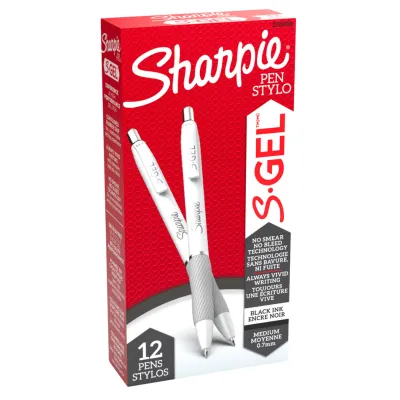
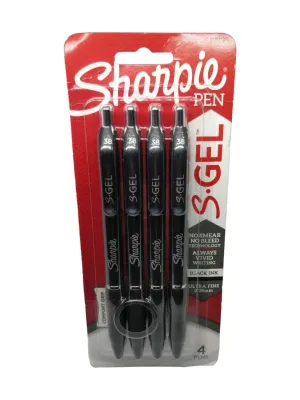
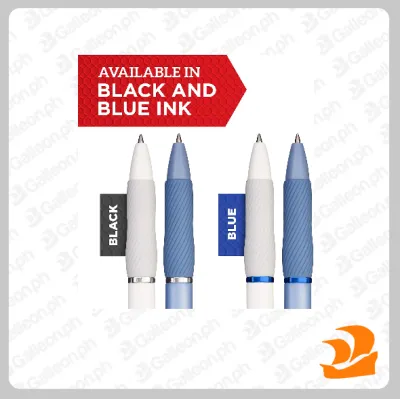
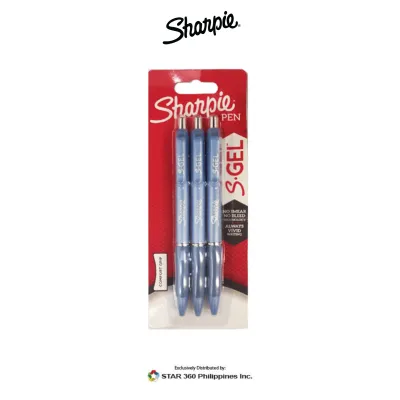
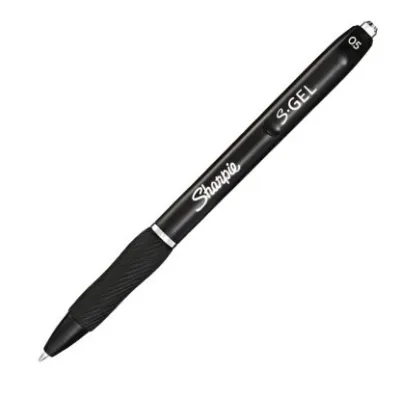
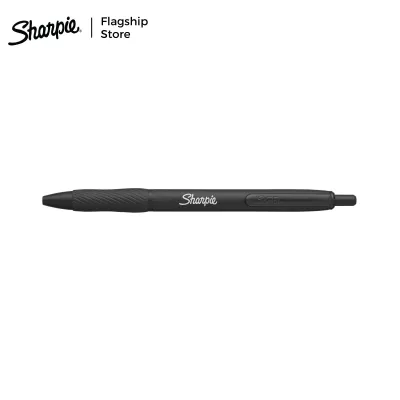
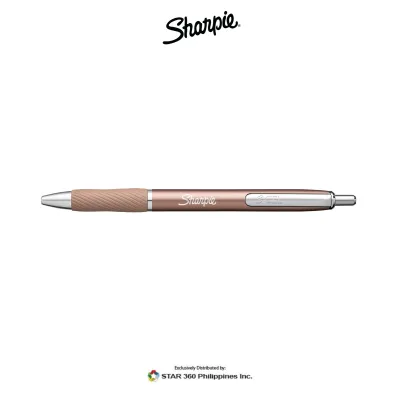
Prices are valid at publication and may change. Please refer to the product page for the latest price.
Tip sizes are the most critical specification to consider, as they directly dictate the line width and ink volume deposited onto the page. These pens typically come in fine (0.38 mm or 0.5 mm), medium (0.7 mm), and bold (1.0 mm) configurations. You can verify these measurements by checking the front carding of the product packaging or looking for the size indicator printed directly on the pen barrel or pocket clip. A smaller tip size restricts ink flow for ultra-precise lines, while a larger tip allows the ceramic or metal ball to glide more freely, producing a richer, darker line at the expense of faster ink consumption.
Barrel ergonomics and grip materials also vary across the product line. Many variants feature a contoured, rubberized grip that extends close to the tip, providing a secure hold that prevents fingers from slipping during long writing sessions. This is particularly beneficial in warm, tropical climates where hand moisture can affect your grip. The barrels themselves are available in different finishes, including classic matte black, sleek pearl white, and modern metallic-look plastics. While the internal ink cartridge remains identical across these style variations, the weight and texture of the outer casing can subtly alter your writing balance and comfort.
Ink formulation is another key differentiator. Standard gel ink utilizes a water-based pigment suspension that is thixotropic—meaning it becomes fluid under the shearing force of the rotating ball but thickens immediately upon hitting the paper. This formulation is designed to resist fading and water damage once fully dry. Some specialty variants may feature metallic or neon pigments, which contain larger suspended particles to achieve their unique visual effects. Always check the manufacturer’s product description to confirm whether a specific variant uses standard document-grade ink or a specialized decorative formulation.
Matching Pen Variants to Your Specific Tasks
Not all gel pens are suited for every task. Matching the technical profile of a pen variant to your primary activity ensures optimal performance and prevents common writing frustrations.

Everyday Writing and Note-Taking
For daily tasks such as school lectures, office meetings, and quick brainstorming sessions, efficiency and reliability are paramount. In these environments, writers often use standard ruled notebooks or loose-leaf paper, which can vary significantly in quality.
A medium 0.7 mm tip is often considered the standard for everyday writing because it offers a highly smooth glide without requiring excessive hand pressure. However, if you frequently write on thin, low-gsm paper common in standard school notebooks, a 0.5 mm fine tip may be more appropriate. The finer tip deposits less ink, which helps prevent the text from spreading or bleeding through to the reverse side of the page.
Left-handed writers must pay close attention to drying speeds to avoid smudging their work as their hand moves across the page. When selecting a pen for rapid note-taking, look for variants labeled with quick-drying ink technology. You can perform a simple trial by writing a single line and immediately running a finger over it; a high-quality everyday gel pen should resist smudging within one to two seconds of application.
Journaling, Planning, and Color-Coding
Journaling and planning require a high degree of visual organization and precision. Planners often feature tight grid patterns, narrow columns, or small daily boxes that demand neat, compact handwriting.
For these applications, a 0.38 mm or 0.5 mm fine tip is highly recommended. These sizes allow you to write legibly in confined spaces without your letters closing up or overlapping. Additionally, fine tips produce clean, sharp lines that make complex layouts, such as habit trackers or bullet journal grids, look neat and professional.
Color-coding is another effective way to organize information in planners and journals. Many gel pen sets are sold in multi-color packs, ranging from classic black, blue, and red to vibrant fashion shades like green, purple, and turquoise. When using multiple colors, check the contrast and opacity of each shade on your specific planner paper. Some pastel or lighter ink colors may require a slightly thicker tip, such as a 0.7 mm, to remain easily readable against off-white or cream-colored pages.
Crafting, Lettering, and Artistic Projects
Artistic endeavors, hand lettering, and DIY crafts call for bold lines, rich pigments, and the ability to write on non-traditional surfaces.
For bold, expressive strokes, a 1.0 mm bold tip is the ideal choice. This size allows for significant line variation depending on the angle and pressure applied, making it excellent for modern calligraphy, card making, and outlining drawings. The generous ink flow of a bold tip ensures solid, saturated coverage without the scratchy feel that can sometimes occur with finer tips on textured art paper.
If your projects involve dark cardstock, kraft paper, or glossy photo paper, standard black or blue gel inks may not provide sufficient contrast. Look for specialty packs that feature metallic, neon, or white ink formulations. Before starting a project, always check the product labels to ensure the ink is compatible with the surface material, and perform a small test in an inconspicuous corner to verify that the ink adheres properly without pooling or flaking off.
Evaluating Ink Performance and Paper Compatibility
To get the most out of your gel pens, it is important to understand how the ink interacts with different paper fibers. Gel ink performance is highly dependent on the texture, weight, and coating of the writing surface.
In humid environments, such as the tropical climate of the Philippines, paper fibers naturally absorb moisture from the air. This increased humidity can prolong the drying time of gel inks, making them more prone to smearing. To mitigate this, pair your pens with high-quality, uncoated paper that allows the ink to penetrate and dry quickly. If you must write on glossy or highly calendared (smooth) paper, allow extra time for the solvent to evaporate before closing your notebook or touching the text.
Water resistance and archival quality are critical factors if you are signing legal documents, writing in permanent journals, or creating artwork meant to last. Standard gel inks are generally more water-resistant than liquid rollerball inks because the pigments bind tightly to the paper fibers once dry. To verify these properties, look for terms like “archival safe,” “acid-free,” or “fade-resistant” on the manufacturer’s packaging. You can test water resistance yourself by drawing a line, letting it dry completely for several hours, and then placing a small drop of water over it to see if the pigment runs or remains stable.
Paper weight, measured in grams per square meter (gsm), also plays a major role in ink behavior. Lightweight papers (under 70 gsm) are highly susceptible to ghosting (where the writing is visible from the back of the page) and bleed-through (where the ink physically leaks through the paper). For a clean writing experience with medium or bold gel pens, opt for paper weights of 80 gsm or higher. If you are working with heavy sketchbooks or mixed-media paper, the textured surface may cause fine-tip pens to feel scratchy; in these cases, a smoother paper finish or a larger tip size will provide a much more comfortable writing experience.
Navigating Pack Options, Refills, and Purchasing Decisions
Once you have identified the right tip size and ink type for your needs, the final step is determining the most practical and cost-effective way to purchase and maintain your pens.
Gel pens are available in several packaging formats, each suited to different usage volumes and budgets. Single pens are ideal if you want to test a specific tip size or color before committing to a larger purchase. For regular users, multi-packs (such as 2-packs, 4-packs, or 12-packs) offer a lower cost per pen, making them a more economical choice in the long run. When shopping in local retail stores or online marketplaces, compare the total price in ₱ against the number of pens in the pack to calculate the best value for your budget.
To reduce waste and save money, check if your chosen pen variant is compatible with refills. Many high-quality gel pen barrels are designed to be reused multiple times. To replace the ink cartridge, simply unscrew the nose cone of the pen, remove the depleted cartridge along with its spring, insert the new refill, and reassemble the barrel. Ensure you purchase refills that match both the brand and the specific model of your pen, as internal dimensions and spring placements can vary slightly between different manufacturers.
When purchasing pens online or from local stationery shops, always verify the authenticity of the product. Counterfeit pens often use inferior ink formulations that clog easily, smear excessively, or dry out prematurely. Inspect the packaging for crisp, high-quality printing, clear barcodes, and official brand logos. Additionally, check the physical condition of the pens; genuine retractable gel pens should have a smooth click mechanism, a secure pocket clip, and a small protective wax bead on the tip of the pen to prevent the ink from drying out before its first use.
Frequently Asked Questions (FAQ)
How can I revive a dried-out Sharpie gel pen?
If your gel pen stops writing, first ensure it has been stored correctly. Gel pens should ideally be stored horizontally or tip-down in a cool, dry place away from direct sunlight. To revive a stubborn pen, try scribbling gentle circles on a piece of scrap paper to friction-warm the ball tip and encourage ink flow. Another safe method is to roll the pen barrel firmly between your palms for a few minutes to warm the ink inside the cartridge. Avoid exposing the pen to extreme heat sources, such as open flames or boiling water, as this can melt the plastic barrel or cause the ink suspension to separate permanently.
Are Sharpie gel pens safe for use on skin or as body art?
Standard stationery gel pens are formulated strictly for use on paper and other craft surfaces. They are not cosmetic-grade products and do not undergo the rigorous dermatological testing required for skin-safe applications. Using standard office or craft pens on your skin can lead to localized skin irritation, redness, or allergic reactions, especially in individuals with sensitive skin or open cuts. Always check the product packaging for safety certifications; unless a pen is explicitly labeled as safe for cosmetic use or body art, keep it away from your skin and use dedicated, skin-safe markers instead.

Community discussion
Share your experience or ask a question. Comments are reviewed before publication.