
Choosing the right space pen in the Philippines depends on matching the pen’s physical form factor to your daily environment and writing habits. Whether you are an outdoor enthusiast navigating sudden tropical downpours, a field engineer working on humid construction sites, or an everyday carry (EDC) hobbyist looking for a reliable pocket pen, your ideal choice will vary. A compact, cap-posted model suits minimal pocket carry, while a textured, wider-grip pen is better for long writing sessions or wet hands. Pressurized pens offer unmatched reliability because they do not rely on gravity, making them highly dependable tools for challenging local conditions.
What Makes a Space Pen Different from Standard Pens?
Standard ballpoint, gel, and rollerball pens rely on gravity and capillary action to feed ink. When you write upside down, against a vertical wall, or on greasy or wet surfaces, gravity works against the ink flow, or surface tension prevents adhesion, leading to skipping or complete ink failure.
A pressurized pen solves this by sealing the ink inside a hermetically closed cartridge pressurized with nitrogen gas. This constant pressure continuously pushes the ink toward the tungsten carbide ballpoint tip. Because the system is completely sealed, the ink does not dry out when exposed to air and cannot leak under normal atmospheric changes.
Products mentioned in this guide
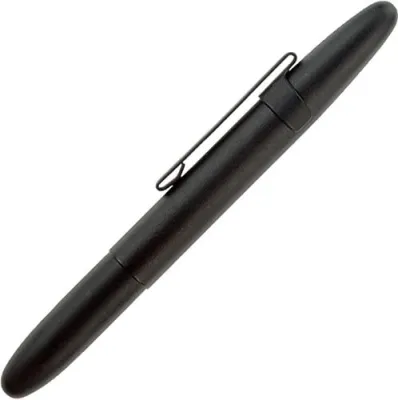
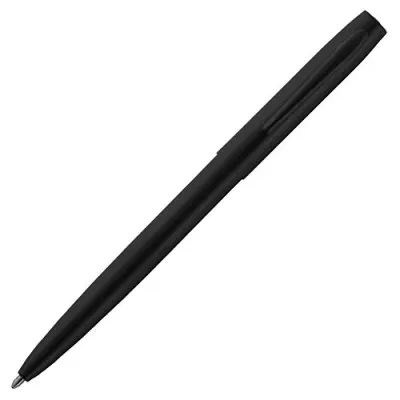
Prices are valid at publication and may change. Please refer to the product page for the latest price.
This design allows the pen to write in environments that would instantly disable a standard pen. In the Philippines, where high relative humidity and sudden monsoon rains are common, a pressurized pen writes smoothly on damp paper, greasy receipts, and even underwater. It also functions perfectly in extreme temperatures, whether left inside a hot car parked under the sun or used in cold, air-conditioned server rooms.
However, users should be aware of certain physical trade-offs. Because the ink is constantly under pressure, it is formulated to be highly viscous (thicker than standard ballpoint ink) so it does not leak. This high viscosity can sometimes cause small amounts of ink to accumulate around the tip, resulting in occasional “blobbing” or smudging when you first touch the pen to paper. Additionally, the unique ink formula may glide differently on highly glossy or synthetic papers, requiring a brief drying period to prevent smearing.
How to Evaluate Space Pen Features for Your Daily Routine
Before purchasing a pressurized pen, establish a personal checklist based on your daily routine. The physical dimensions, weight, and materials of the pen body dictate how comfortable it is to use and how easily it fits into your lifestyle.

First, consider the size and weight. If your primary goal is to have a pen with you at all times without feeling weighed down, an ultra-lightweight, short-barrel model is ideal for slipping into a pocket, organizer, or small pouch. However, if you frequently write long reports, fill out logbooks, or sketch diagrams, a very short or thin pen can cause hand fatigue. For extended writing sessions, a full-sized pen with balanced weight distribution is far more comfortable, even if it requires more space in your bag.
Second, evaluate the grip materials and barrel textures. In a tropical climate, sweaty hands can make smooth metal pens slippery and difficult to control. If you work outdoors, in humid warehouses, or wear gloves on the job, look for pens with pronounced knurling, deep ridges, or rubberized grip sections. These textures provide the necessary friction to maintain a secure hold without requiring you to squeeze the pen too tightly, reducing strain on your fingers and wrist.
Third, assess the deployment mechanism. The way you open and close the pen affects its usability in fast-paced environments. Cap-operated pens are highly secure and prevent accidental ink stains in your pocket, but they generally require two hands to open. Click, twist, or slide mechanisms allow for quick, one-handed operation, which is incredibly convenient when you are holding a clipboard, flashlight, or tool in your other hand. Ensure the mechanism feels robust and does not easily deploy by accident when carried.
Matching Popular Space Pen Form Factors to Your Use Case
Rather than searching for a single “best” model, look at the distinct design categories available. Because stock and specific model availability can fluctuate across local retailers and online marketplaces, understanding these design archetypes allows you to find a suitable alternative that matches your functional requirements.
Compact and Pocket-Friendly Designs
Compact and pocket-friendly designs are engineered for maximum portability. These pens are often incredibly short when closed, making them easy to carry in a front pocket, coin pocket, or compact daily organizer. They are the quintessential everyday carry (EDC) writing instruments, designed to be there when you need them without taking up valuable space.
The primary trade-off of an ultra-compact pen is its ergonomics during extended use. When closed, these pens are often too short to rest comfortably in the web of your hand. To solve this, many pocket pens utilize a cap-posting design. When you remove the cap and push it onto the back of the pen barrel, it extends the pen to a full, comfortable writing length. This clever mechanism gives you the best of both worlds: a tiny footprint in your pocket and a balanced grip in your hand.
When evaluating a pocket-friendly pen, pay close attention to the pocket clip and overall durability. A weak clip can easily slip off a pocket edge, leading to a lost pen. Look for heavy-duty steel clips or models that offer removable, deep-carry clips. The barrel material should also be robust enough to withstand being sat on or bumped against keys and coins; machined aluminum, brass, or stainless steel are excellent choices for long-term pocket survival.
Ergonomic and Grip-Focused Designs
For professionals who spend hours writing every day, ergonomic and grip-focused designs are the preferred choice. These pens prioritize hand comfort and control over absolute portability, making them excellent tools for office work, journaling, or detailed field documentation.
These models typically feature contoured barrels that mimic the natural grip of your fingers, rubberized or textured grip sections that prevent slipping, and wider diameters that reduce the pinching force required to hold the pen. A wider grip profile helps distribute pressure across your hand, which can significantly alleviate cramping during long writing sessions.
The main trade-off with ergonomic designs is their bulk. They do not slip easily into tight pockets and are better suited for pen loops, shirt pockets, or desk organizers. When choosing an ergonomic pressurized pen, check the manufacturer’s specifications for the grip diameter. If you have smaller hands, an excessively thick barrel might feel clumsy, whereas those with larger hands or those who wear work gloves will find a thicker, textured barrel much easier to control.
Tactical and Rugged Utility Designs
Tactical and rugged utility pens are built for extreme environments and demanding professional use. These pens are often favored by emergency responders, security personnel, outdoor guides, and industrial workers who need a writing instrument that can survive harsh physical impacts and serve multiple purposes.
These rugged pens frequently incorporate additional utility features directly into their metal bodies. Common additions include integrated low-output flashlights, ceramic glass-breaker tips, or heavy-duty screw caps. The finishes are typically matte, hard-anodized, or powder-coated to resist scratches and reduce glare in low-light environments.
When selecting a rugged utility pen, verify any specific water and dust resistance claims by checking the product packaging or manufacturer specifications for official IP (Ingress Protection) ratings if electrical components like flashlights are integrated. Additionally, be mindful of local regulations and workplace policies. Some environments, such as corporate offices, schools, or airport security checkpoints, may restrict or prohibit carrying pens with prominent tactical features like glass breakers or aggressive, weapon-like styling. Choosing a model with a more understated, industrial aesthetic can help you avoid unnecessary complications while retaining durability.
Navigating Refills, Ink Colors, and Paper Compatibility
The performance of your pressurized pen is ultimately determined by the cartridge inside it. Understanding how to select, replace, and test your refills ensures that your pen remains a reliable tool for years to come.
Most pressurized pens are designed around a specific, proprietary refill size, though some manufacturers offer adapters to make their refills compatible with standard pen bodies. Before buying, verify the exact refill model your pen requires. Standard pressurized refills are widely available, but it is always wise to check if your preferred local stationery shop or online distributor regularly stocks them.
Pressurized refills come in various ink colors—most commonly black, blue, red, and green—and different point sizes, such as fine (typically around 0.8mm) and medium (typically around 1.1mm). Fine points are excellent for writing small notes in compact pocket diaries or on cheap, thin paper, as they lay down less ink and reduce the chance of bleeding. Medium points offer a smoother, bolder line that is highly legible, making them ideal for signing documents or writing on rough surfaces.
While pressurized ink is designed to write on almost anything, testing its compatibility with your specific writing surfaces is highly recommended. If you use synthetic, waterproof notebooks or glossy thermal paper, perform a quick test on a corner of the page. Write a few words and observe how quickly the ink dries. Because these non-porous surfaces do not absorb ink like standard wood-pulp paper, pressurized ink may take a few seconds longer to dry completely. Knowing this helps you avoid accidental smudges on important field notes or official documents.
Buying Authentic Space Pens in the Philippines
As pressurized pens have grown in popularity among everyday carry enthusiasts and professionals in the Philippines, counterfeit products have also appeared on various online marketplaces. Buying a fake pen not only results in poor writing performance but also deprives you of the durability and safety guarantees of an authentic product.
To ensure you are purchasing a genuine space pen, start by looking for authorized distributor badges or official brand stores on major online shopping platforms. Many reputable brands maintain official flagship stores or partner with certified local stationery distributors. Avoid buying from unverified third-party sellers who cannot provide clear proof of authenticity or who use generic, low-resolution product photos.
When your pen arrives, perform a thorough physical inspection before discarding the packaging. Authentic pressurized pens are packaged in high-quality boxes, often accompanied by user manuals, warranty cards, and sometimes holographic security seals. Inspect the refill inside the pen; genuine refills feature crisp, clear laser-etched or printed branding, batch numbers, and manufacturing codes. Counterfeit refills often have blurry printing, misaligned text, or lack these markings entirely.
Finally, use price as a primary indicator of authenticity. Compare the local listing price in ₱ with the manufacturer’s suggested retail price (MSRP) converted from international sites. While local promotions and shipping costs can cause minor price variations, a listing that is priced significantly lower than the standard market rate—such as a premium metal pen offered for a fraction of its usual cost—is a strong indicator of a counterfeit product. Investing in a genuine pen from a trusted source ensures you receive a reliable tool that performs exactly when you need it most.
Frequently Asked Questions (FAQ)
Do pressurized pen refills expire or dry out over time?
Unlike standard ballpoint or gel refills, which can dry out within a couple of years due to exposure to air and evaporation, pressurized refills have an exceptionally long shelf life. Because the ink is hermetically sealed inside a metal cartridge pressurized with nitrogen gas, the volatile solvents in the ink cannot evaporate. Most manufacturers state that these refills can remain fully functional in storage for five to fifteen years. To verify the age of your refill, check the packaging or the metal barrel of the cartridge for a printed manufacturing code or expiration date. For optimal performance, store spare refills in a cool, dry place away from direct sunlight to maintain the correct ink viscosity.
Can I use a space pen refill in my favorite standard pen body?
Yes, in many cases you can upgrade your favorite standard pen body with a pressurized refill, but it depends entirely on the physical dimensions of the pen’s internal cavity. Many standard pressurized refills are sold with a small plastic adapter that extends the cartridge to match the length and shape of a standard Parker-style refill. Before attempting an upgrade, measure the length and diameter of your existing refill and compare it to the specifications of the pressurized cartridge. Never force a refill into a pen body if it does not fit smoothly; forcing a mismatched cartridge can damage the internal spring, jam the click mechanism, or cause the pressurized tip to leak inside your pen.
Community discussion
Share your experience or ask a question. Comments are reviewed before publication.