
Choosing the right Staedtler technical pen depends entirely on your specific drawing discipline, required line precision, and the paper you use most often. Rather than a single universal tool, technical pens offer distinct nib structures and ink formulations tailored to different workflows. Whether you are drafting architectural plans, rendering detailed illustrations, or keeping a daily visual journal, matching the pen’s design to your medium ensures consistent ink flow and prevents frustrating clogs or smudges.
In tropical climates like the Philippines, high relative humidity can significantly influence how ink behaves on paper. Moisture in the air often softens paper fibers, making them more absorbent and prone to feathering. Consequently, selecting a pen with the correct ink properties and nib style becomes even more critical to maintaining crisp, professional lines. By evaluating your specific creative or technical demands, you can invest in a tool that performs reliably under local environmental conditions.
Understanding the differences between various pen models also helps you manage your budget effectively. High-quality technical pens represent a significant investment, whether you are purchasing a single pen for around ₱150 or a complete professional set. By identifying your exact requirements beforehand, you avoid spending on specialized tools that may not suit your daily routine, ensuring that every pen in your collection serves a clear, practical purpose.
Products mentioned in this guide
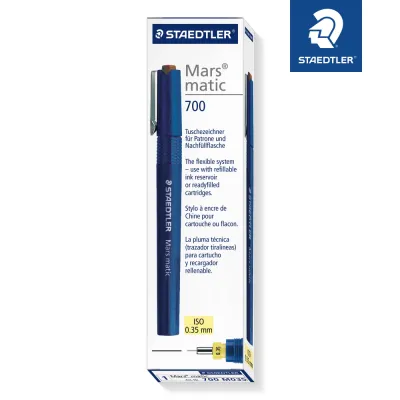
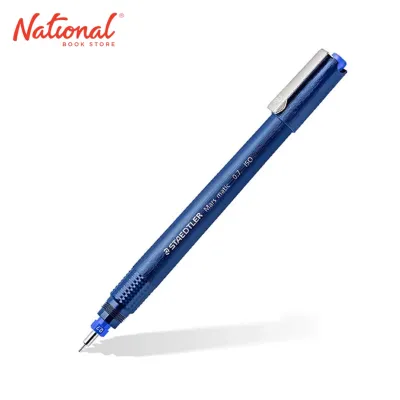
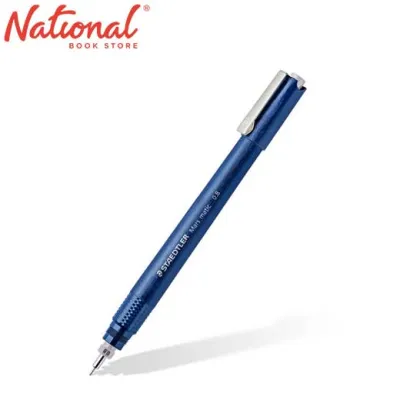
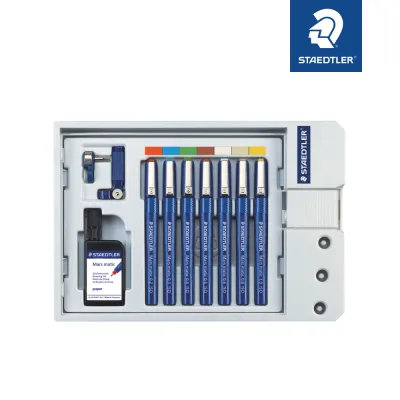
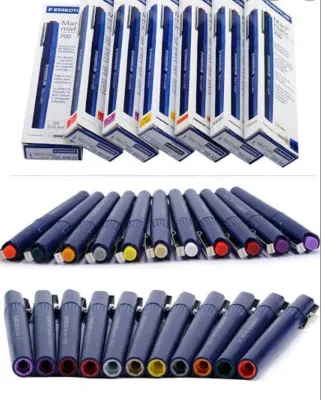
Prices are valid at publication and may change. Please refer to the product page for the latest price.
Understanding Your Drawing Requirements
Before selecting a technical pen, you must define the exact nature of your line work. Technical drawings, such as engineering schematics or architectural floor plans, require absolute consistency in line width. For these applications, a rigid metal-collared nib that delivers a constant volume of ink is indispensable. Conversely, expressive illustrations or freehand sketches often benefit from a tool that allows for slight variations in line weight and speed, where a more forgiving fiber tip might be preferable.
The primary drawing surface you use plays a decisive role in how a pen performs. Standard copy paper, heavy watercolor sheets, tracing paper, and vellum all interact differently with ink. Highly textured or uncoated papers can wear down delicate nibs quickly and cause ink to bleed. Coated or non-porous surfaces, on the other hand, require fast-drying inks to prevent smudging, especially when you are working with rulers or templates that slide across the page.
In the Philippines, the local climate adds another layer of complexity to paper selection. During the rainy season, paper stored in non-air-conditioned spaces absorbs ambient moisture, which can cause ink to spread or feather more than it would on dry paper. Testing your pen on a small scrap of your chosen paper under local weather conditions is an excellent way to observe how the ink behaves before committing to a final draft.
Usage frequency is another critical factor that dictates the best pen configuration for your desk. Traditional refillable technical pens feature intricate internal weight systems that require regular movement to keep the ink from settling and drying out. If you draw daily, these high-precision instruments offer unmatched line consistency and long-term cost savings through refilling. For occasional sketching or intermittent drafting, low-maintenance disposable liners with self-contained ink reservoirs are often more practical and less prone to clogging during storage.
Key Features to Check in Staedtler Technical Pens
When evaluating different models, the nib size and grading system are your primary indicators of performance. Technical pens typically display their line widths in millimeters directly on the pen barrel, cap, or color-coded rings. These sizes range from ultra-fine options like 0.05 mm for intricate detailing to broader tips like 1.2 mm for bold outlines and borders. Understanding these standardized measurements allows you to build a cohesive set of pens that correspond directly to international drafting standards.

The physical material of the nib also determines its durability and suitability for different tasks. Metal-jacketed plastic tips provide excellent support for ruler work, while pure stainless steel tubular nibs offer maximum durability when used on abrasive drafting films. If you tend to write or draw with a heavy hand, a reinforced fiber tip is less likely to bend or split under pressure, making it a safer choice for beginners or those transitioning from standard ballpoint pens.
Ink formulation is equally vital, as it determines the longevity and appearance of your work. Pigment-based inks contain solid particles suspended in a liquid carrier, offering exceptional lightfastness, deep opacity, and water resistance once dry. These archival qualities are essential for documents and artworks intended for long-term preservation. Dye-based inks, while often drying faster, may fade over time when exposed to sunlight and can bleed if they come into contact with moisture, making them less suitable for permanent records.
The physical design of the barrel and grip affects your comfort during extended drawing sessions. A well-balanced pen reduces hand fatigue, allowing you to maintain a steady grip and consistent pressure. Some models feature textured or rubberized grip zones, while others rely on smooth, classic plastic barrels. Additionally, the cap mechanism must be highly effective; a secure screw-on cap or a tight click-lock cap with an internal seal is necessary to prevent air from entering and drying out the nib when the pen is not in use.
Matching Pen Types to Specific Use Cases
Different creative and technical workflows demand distinct pen structures to achieve the best results. While a professional draftsman requires rigid precision, a graphic novelist might prioritize ink opacity and flexibility. By categorizing your primary tasks, you can identify which pen characteristics will support your workflow rather than hinder it.
Choosing the wrong pen type can lead to unnecessary frustration, such as torn paper fibers or inconsistent ink flow. For instance, using an ultra-fine metal drafting pen on rough watercolor paper can clog the nib with loose fibers almost instantly. Conversely, using a soft fiber-tip liner for high-precision architectural scaling can result in lines that are too thick or uneven, compromising the accuracy of the entire drawing.
Architectural Drafting and Precision Line Work
Architectural drafting demands strict adherence to standardized line weights to represent different materials, walls, and dimensions accurately. For this work, a technical pen with a stainless steel, tube-like nib is the industry standard. This rigid metal sleeve protects the delicate internal wire mechanism and allows you to guide the pen smoothly along straight edges, T-squares, and lettering guides without bending the tip.
Smudge resistance and rapid drying are critical when you are continuously moving rulers and triangles across a large drafting board. In humid environments, ink can take slightly longer to set, making fast-drying, water-resistant pigment ink a necessity. Using a pen that delivers a controlled, minimal amount of ink prevents pooling at the corners of your lines, ensuring that your scaled plans remain sharp, legible, and free of unsightly smears.
Furthermore, the consistency of the line width must remain absolute regardless of the drawing speed or direction. Traditional technical pens excel at this because their gravity-fed ink delivery system ensures that the line remains exactly the same width whether you draw slowly or quickly. This predictability is essential for creating professional-grade blueprints and technical schematics that must be easily read by builders and engineers.
Illustration and Inking
For illustrators and comic artists, the depth of the black ink and its behavior on heavy paper are paramount. When working on multi-layered drawings, you need an ink that dries to a rich, matte black finish without looking gray or washed out. The ink must also resist bleeding through the paper fibers, especially when you are applying multiple passes or working on highly absorbent illustration boards.
To create dynamic artwork, illustrators often require a wider variety of nib sizes to handle everything from fine cross-hatching to bold foreground outlines. While fine metal nibs excel at intricate textures, broader fiber-tip pigment liners are excellent for filling in larger areas or creating expressive, hand-drawn borders. These fiber tips conform slightly to your hand’s natural angle, offering a more organic drawing experience than rigid drafting pens.
Additionally, compatibility with other art mediums is a key consideration for illustrators. If you plan to apply watercolor washes or alcohol-based markers over your ink drawings, you must ensure that the pen’s ink is completely waterproof and smudge-proof once dry. Testing the ink’s resistance on a sample sheet before starting your final piece prevents the heartbreaking experience of seeing hours of detailed line work dissolve under a wet brush.
Technical Sketching and Everyday Use
If you need a reliable pen for field sketching, travel, or daily note-taking, portability and low maintenance are your top priorities. Traditional technical pens can be temperamental when subjected to temperature changes or atmospheric pressure variations during travel, occasionally leading to leaks. For on-the-go use, disposable pigment liners with robust fiber tips are highly reliable, as they do not require manual refilling or complex cleaning routines.
The effectiveness of the cap seal is crucial for a portable pen that might sit in a bag or pocket for days between uses. A high-quality cap prevents the nib from drying out, ensuring that the pen writes instantly the moment it touches paper. Look for durable barrel materials and sturdy pocket clips that secure the pen to your sketchbook or shirt pocket, making it easy to carry around during site visits or outdoor sketching sessions.
For everyday users, the cost of ownership is also a practical factor. Disposable pigment liners offer an affordable entry point into the world of technical drawing, allowing you to experiment with different line weights without a significant upfront investment. Once you establish your preferred drawing style and line widths, you can then decide whether to transition to a more permanent, refillable technical pen system.
Maintenance and Care for Consistent Ink Flow
To keep your technical pens performing at their best, establishing a regular cleaning routine is essential. Over time, tiny paper fibers and dried ink particles can accumulate inside the delicate metal nib, restricting the ink flow and causing scratchy lines. If you are using refillable models with pigment-based inks, you should flush the pen with lukewarm water every time you refill the reservoir or if you plan to store the pen unused for more than a few days.
When flushing a pen, gently disassemble the barrel and rinse the nib assembly under running water until the water runs completely clear. For stubborn clogs, soaking the nib assembly in a shallow dish of water or a specialized technical pen cleaning solution overnight can dissolve hardened ink deposits. Never use hot water, harsh household detergents, or rubbing alcohol, as these can warp the plastic components and damage the internal seals.
Proper storage habits are equally important for maintaining consistent ink flow. Always store your technical pens horizontally or nib-up when they are not in use; storing them nib-down can cause ink to pool in the cap, leading to leaks or clogs. Ensure the cap is firmly clicked or screwed into place immediately after you finish drawing. If a nib becomes physically bent, frayed, or remains completely blocked even after thorough soaking, stop using the pen and replace the nib unit to avoid scratching your drawing surface.
In tropical regions like the Philippines, the warm climate can accelerate the drying of ink inside the pen if it is left uncapped even for short periods. Developing the habit of capping your pen immediately when pausing to think or adjust a ruler can save you from frequent clogs. If you notice the ink flow starting to skip, a gentle tap of the pen on a scrap piece of paper can often restart the flow, but avoid shaking the pen violently as this can force excess ink into the cap.
What to Verify Before Buying
Before making your purchase at a local stationery store or through an online marketplace, verify the exact specifications of the pen to ensure it fits your needs. Check the nib size printed clearly on the cap and barrel, and confirm that it matches the line weight required for your projects. If you are buying a set, ensure it contains a practical range of sizes rather than duplicate widths that you rarely use.
Examine the packaging to see what accessories are included with the pen. Some high-end technical pens are sold as part of drafting sets that include compass adapters, joint bars, or starter bottles of ink, which can offer better value than buying each component separately. If you are purchasing a refillable model, verify whether it uses proprietary cartridges or a refillable reservoir that allows you to use bottled ink.
Finally, consider the availability of replacement parts and ink refills in your local area. In the Philippines, high humidity and warm temperatures mean that ink cartridges should be stored in a cool, dry place to prevent premature evaporation. Ensure that the specific ink cartridges or bottled refills for your chosen model are readily accessible from reliable local stationery suppliers, so you do not run out of ink in the middle of an important project.
It is also wise to inspect the physical condition of the pen before leaving the store if you are buying in person. Check that the cap fits tightly and that there are no visible cracks in the plastic barrel or grip section. If the store provides tester pens, take a few moments to draw basic lines and circles to assess the smoothness of the nib and the consistency of the ink flow on paper, ensuring that the tool feels comfortable and responsive in your hand.
Frequently Asked Questions (FAQ)
Can I use Staedtler technical pens on tracing paper or vellum?
Yes, you can use these pens on tracing paper and vellum, but you must account for the non-porous nature of these materials. Because the ink cannot soak into the fibers as it does on standard paper, drying times will be significantly longer, especially in humid conditions. It is best to allow each line ample time to dry and to use a clean sheet of scrap paper under your hand to prevent accidental smudging as you work.
How do I safely clear a clogged technical pen nib?
To clear a clog safely, soak the nib assembly in lukewarm water for several hours or overnight to dissolve any dried ink. You can gently shake the nib while it is submerged to help loosen stubborn particles, but never use sharp objects like needles, pins, or wires to clear the channel. These hard tools can easily bend the delicate metal tube or damage the internal weight wire, permanently ruining the pen’s precision.
What is the difference between a pigment liner and a traditional drafting pen?
A pigment liner features a fiber tip encased in a small metal sleeve, making it highly durable, disposable, and virtually maintenance-free. A traditional drafting pen uses a hollow metal tube with an internal weighted wire to deliver ink, offering absolute line width precision and a refillable design. While pigment liners are excellent for general sketching and illustration, traditional drafting pens are preferred for precise, ruler-assisted technical drawings.
Community discussion
Share your experience or ask a question. Comments are reviewed before publication.