
Finding the right tool set for your DIY craft projects depends on matching the specific demands of your medium—whether it is delicate plastic model parts, intricate paper layers, or light wood pieces—with the precise capabilities of the hand tools in the kit. Instead of buying the largest, most expensive set available, the most efficient approach is to analyze the materials you work with most frequently and select a configuration that prioritizes those specific tasks. A well-matched tool set ensures clean cuts, precise assembly, and comfortable handling, while an mismatched kit leaves you with unused specialty items and a lack of essential everyday tools.
Identify Your DIY Craft Project Requirements
Before browsing through different tool configurations, it is crucial to categorize your primary crafting activities to determine your baseline tool requirements. DIY crafts vary widely in their physical demands, material resistance, and the level of detail required. For instance, scale model assembly and miniature painting demand extreme precision, requiring tools that can handle microscopic plastic gates, photo-etched metal parts, and delicate decals without causing damage. In contrast, paper crafting, scrapbooking, and card making focus heavily on clean, straight cuts, precise folding, and controlled adhesive application.
If your interests lean toward light woodworking or mixed-media crafts, your tools must be robust enough to handle denser materials like balsa wood, leather, or thin wire. These projects require sturdier cutting edges, small hand saws, and reliable gripping tools. Jewelry making, on the other hand, relies on smooth-jawed pliers that can bend and loop wire without leaving unsightly marring marks on soft metals. By identifying where your projects fall on this spectrum, you can avoid purchasing kits that are either too delicate for tough materials or too bulky for intricate work.
Products mentioned in this guide
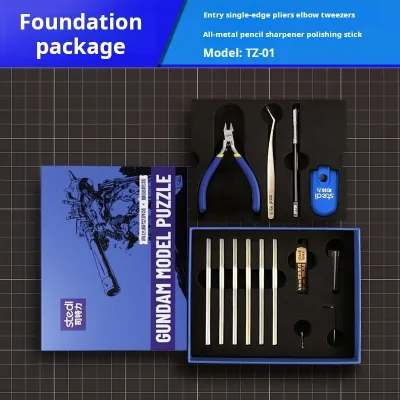
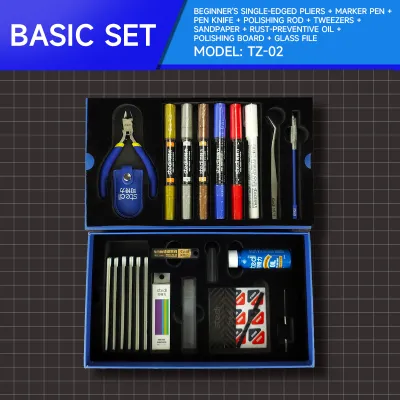
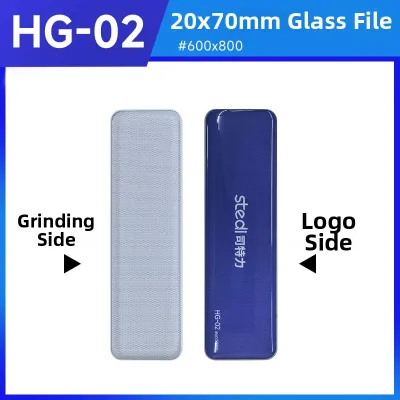
Prices are valid at publication and may change. Please refer to the product page for the latest price.
Your frequency of use and current skill level should also guide your selection process. Casual hobbyists who only craft occasionally during weekends or holidays may not need highly specialized, professional-grade tools. A basic, versatile starter set is often more than sufficient and prevents a large upfront investment in gear that might sit idle. However, if you find yourself crafting daily or tackling highly complex projects, investing in a set with specialized, high-durability components will save time and reduce frustration. Understanding your commitment level helps you strike the perfect balance between utility and cost.
Evaluate STEDI Tool Set Configurations
When evaluating different tool sets, the first specification to examine is the tool count and the variety of instruments included. It is easy to be swayed by high piece counts, but a kit with fifty pieces might include dozens of identical driver bits or minor accessories that you rarely use. A smaller, highly focused ten-piece set containing premium tweezers, a high-quality hobby knife, and a self-healing mat can offer far more value for a model builder than a massive general-purpose household kit. Look closely at the inventory list on the packaging to ensure the core tools you need are the stars of the set.

Material composition is another critical factor that directly impacts tool longevity and performance, especially in tropical climates. When reviewing product specifications, check whether the metal components are made of stainless steel, carbon steel, or chrome vanadium steel. Stainless steel offers excellent resistance to rust and corrosion, making it highly suitable for humid environments, where moisture in the air can quickly degrade unprotected metal. Carbon steel tools often hold a sharper edge for longer but require more diligent maintenance and oiling to prevent surface oxidation.
Ergonomics and grip design play a vital role in preventing hand fatigue during long crafting sessions. Look for tools featuring double-sheet spring mechanisms, non-slip textured grips, and ergonomic handle shapes. In warm, humid weather, hands can easily sweat, causing smooth plastic handles to slip and compromise your cutting precision. Handles coated with thermoplastic rubber (TPR) or textured matte finishes provide a secure, comfortable hold, allowing you to maintain control over delicate cuts and high-pressure grips without straining your fingers.
Finally, consider the storage and portability solutions provided with the tool set. A durable, dedicated carrying case or zippered pouch not only keeps your workspace organized but also protects delicate tool tips from bending or dulling when not in use. Hard plastic cases with molded slots keep each tool securely in place, making it easy to spot if a piece is missing before you pack up. For crafters with limited workspace or those who travel to workshops and community meetups, a compact, lightweight, and impact-resistant case is an invaluable feature that preserves the life of your investment.
Match Project Types to Tool Set Features
To simplify your decision-making process, it helps to view tool sets through a structured framework that connects specific crafting scenarios to key tool characteristics. Different materials demand distinct physical interactions, meaning a tool that excels at slicing paper might fail or even break when applied to hard plastic or wood. By aligning the physical properties of your crafting medium with the engineered features of a tool set, you can ensure clean results and a much safer crafting experience.
Precision and Model Assembly
Scale model building, Gundam assembly, and miniature crafting require tools designed for extreme detail and delicate handling. For these projects, your tool set must feature ultra-fine-tipped tweezers, micro-screwdrivers, and a highly controllable hobby knife with a rigid, non-wobbling blade chuck. Precision side cutters or nippers are also essential for cleanly removing plastic parts from runners without leaving stress marks or gouges in the plastic.
When selecting a set for model assembly, check the product descriptions for anti-static (ESD-safe) coatings on tweezers and non-marring surfaces on gripping tools. These features protect sensitive electronic components if you are adding LED wiring to your models, and they prevent scratching on painted or polished surfaces. A hobby knife with a knurled metal grip provides the micro-control needed for shaving off tiny imperfections, ensuring your final assembly fits together seamlessly.
Paper Crafting and Scrapbooking
Working with paper, cardstock, and delicate boards requires tools that prioritize clean shearing forces and precise folding lines. A suitable tool set for this category should include precision scissors with fine tips for intricate fussy-cutting, a bone folder for creating crisp, professional creases, and a self-healing cutting mat. The cutting mat is particularly important; it protects your dining table or desk while preserving the sharpness of your blades.
Verify that the blades included in the set are rust-resistant and that the cutting mat has clear grid lines and angle guides to assist with alignment. Because paper crafting involves adhesives, look for tools that are easy to clean. Scissors with non-stick coatings prevent sticky tape residue from building up on the blades, which can otherwise cause tearing or jagged cuts on your next project.
General and Multi-Material Crafts
If your crafting style is eclectic and spans across mixed-media, home decor, and light repairs, you need a versatile, general-purpose tool set. These kits should feature robust needle-nose pliers, wire cutters, and a multi-bit screwdriver set. These tools allow you to bend wire armatures for sculptures, tighten loose screws on crafting jigs, and cut through tougher materials like leather, cardboard, or thin metal sheets.
The main trade-off to consider here is between specialized precision and general utility. A general-purpose kit offers excellent durability and versatility for household tasks, but it will lack the ultra-fine tips required for delicate model work. If you frequently switch between heavy-duty crafting and fine detail work, you may need to supplement a general utility set with a few specialized precision tools, rather than trying to make a single kit do everything.
Pre-Purchase Checklist and Safety Considerations
Before finalizing your purchase of a tool set, take a moment to run through a practical checklist to ensure the kit meets all your expectations and safety requirements. First, cross-reference the exact tool inventory listed on the product packaging with your personal project needs. Do not assume a “complete” kit contains a specific tool size or type; verify the exact dimensions, such as screwdriver bit sizes or tweezer tip shapes, to avoid the disappointment of missing a crucial instrument on project day.
Next, check the availability of replacement parts and consumables. Blades dull, cutting mats wear down, and small screwdriver bits can easily go missing in a busy workspace. Choosing a tool set that uses standard-sized utility blades or widely compatible accessories ensures you can easily source replacements from local stationery shops or online marketplaces without having to purchase an entirely new tool set.
Safety is paramount, especially when working with sharp blades, pointed tweezers, and heavy-duty cutters. Review the manufacturer’s age recommendations and safety warnings on the packaging. If you are purchasing a set for a younger crafter or plan to use it in a household with children, look for kits that include protective safety caps for all sharp tips, blade storage cases, and secure locking mechanisms on pliers and cutters. Always store sharp tools out of reach of children and pets.
Finally, verify the seller’s status and the warranty terms offered. Purchasing from authorized distributors or official brand stores on reputable ecommerce platforms protects you from counterfeit products that may use inferior, brittle metals. A genuine tool set should come with clear return policies and customer support contact details, giving you peace of mind that your investment is protected against manufacturing defects.
Frequently Asked Questions (FAQ)
How do I maintain and clean my craft tools to prevent rust?
To protect your tools from rust, especially in humid tropical climates, always wipe down metal surfaces with a dry microfiber cloth after every crafting session. This removes moisture, sweat, and corrosive skin oils that accumulate during use. If you have been working with adhesives or tape, use a small amount of isopropyl alcohol on a cloth to dissolve the sticky residue, then dry the tool thoroughly. Store your tools inside their dedicated case with a few silica gel packets to absorb any lingering moisture in the air.
Can I buy individual replacement tools if one breaks or goes missing?
Yes, you can often find individual replacement tools and consumable parts by checking the manufacturer’s official online storefronts or authorized retailers on major ecommerce platforms. Standard items like hobby knife blades, cutting mats, and common screwdriver bits are highly standardized, meaning you can easily find compatible third-party replacements if official ones are out of stock. For highly specialized tools, compare the cost of an individual replacement against a basic starter kit, as buying a small bundle can sometimes offer better overall value.
Community discussion
Share your experience or ask a question. Comments are reviewed before publication.