
Finding the right mechanical pencil is not about searching for a single, universal solution. Instead, it requires matching the mechanical design of a pencil to the specific physical demands of your daily tasks. Whether you are drafting precise architectural plans, taking rapid notes during a long lecture, or sketching initial creative concepts, Tombow offers a variety of models engineered for distinct purposes. By understanding how lead diameter, grip ergonomics, and weight distribution interact with your writing style, you can select a tool that enhances your workflow and prevents hand strain. Always consult the manufacturer’s official specifications to verify the exact features of each model before making your choice.
Identifying Your Primary Writing or Drawing Scenario
Before comparing specific models, you must analyze how you intend to use your mechanical pencil on a daily basis. Each activity places unique demands on the pencil’s tip, lead advancement mechanism, and overall ergonomics.
Technical drafting requires absolute precision and consistent line weights. If you are drawing schematics, working with rulers, or detailing blueprints, you need a pencil that offers an unobstructed view of the paper. A fixed guide pipe at the tip is essential for keeping your lines perfectly aligned against straightedges. In this scenario, lead breakage must be minimized to maintain a continuous, uninterrupted line, and the lead itself must remain highly stable within the chuck mechanism.
Products mentioned in this guide
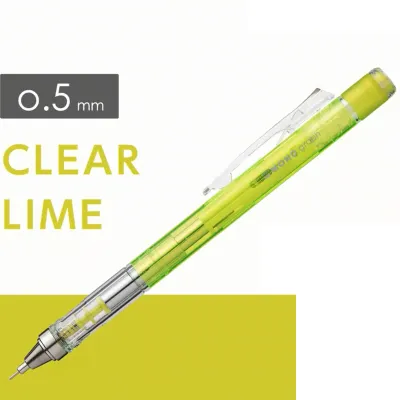
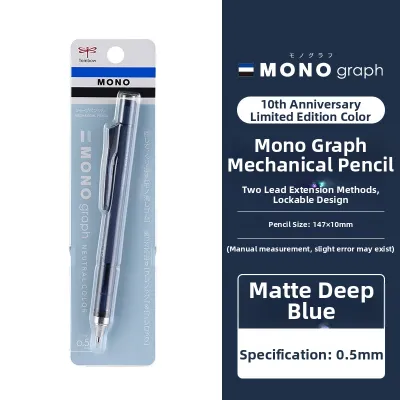
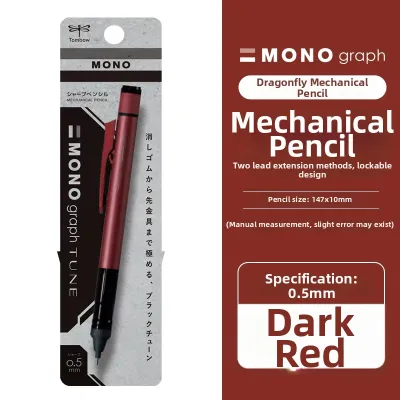
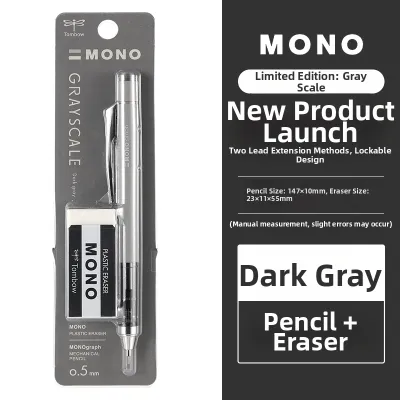
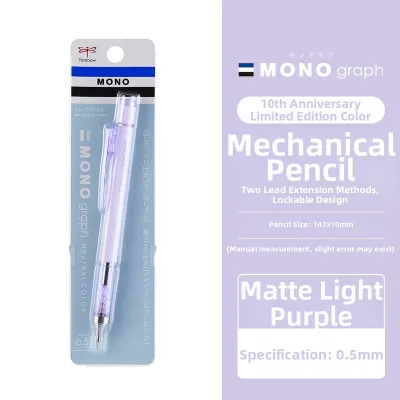
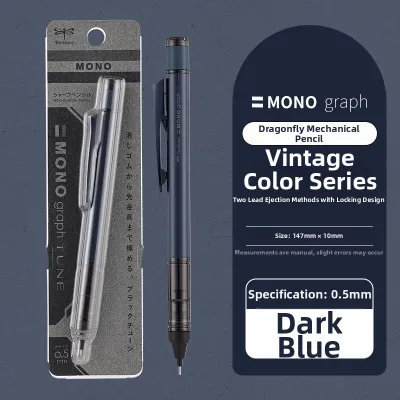
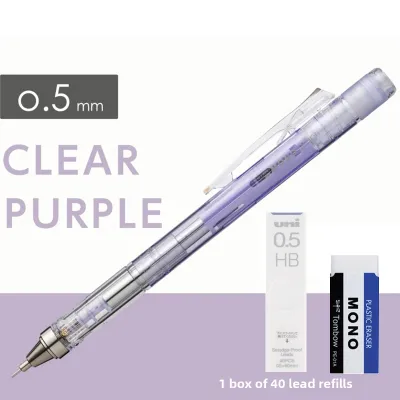
Prices are valid at publication and may change. Please refer to the product page for the latest price.
Everyday note-taking, by contrast, prioritizes speed, comfort, and convenience. When writing continuously during meetings or classes, you need a pencil that advances lead quickly without disrupting your thought process. The grip must be comfortable enough to prevent finger fatigue over hours of use, and the overall construction must be durable enough to survive being tossed into a bag or pocket.
Artistic sketching demands a completely different set of characteristics. Artists often vary their grip, holding the pencil further back for light layout lines or closer to the tip for fine details. A sketching pencil needs a balanced center of gravity that accommodates these shifts in hand position. It also benefits from mechanisms that allow for quick lead adjustment and compatibility with softer lead grades that facilitate smooth shading and expressive line variation.
Key Tombow Pencil Features to Match Your Needs
To find the model that aligns with your primary scenario, you must evaluate several core technical specifications. These features directly influence how the pencil feels in your hand and how it performs on different paper types.

Lead diameter selection is your first major decision. Tombow mechanical pencils are commonly available in diameters ranging from ultra-fine 0.3mm to standard 0.5mm, bolder 0.7mm, and thick 2.0mm utility sizes. A 0.3mm lead is ideal for intricate drafting and small-character writing, but it requires a light touch to prevent snapping. The 0.5mm size is the versatile standard for general writing, balancing line clarity with moderate break resistance. For heavy-handed writers or those sketching bold outlines, 0.7mm or 2.0mm options provide the structural strength needed to withstand high downward pressure.
The grip design is another critical factor, especially in warm, humid tropical climates like the Philippines. High humidity can cause your fingers to slip on smooth plastic or polished metal barrels. Look closely at the grip material and texture. Textured metal grips provide reliable traction and a forward-weighted balance, which is highly favored for technical work. Soft rubber or silicone grips cushion the fingers, reducing the localized pressure that causes calluses during long note-taking sessions. Smooth, round plastic barrels offer a lightweight feel but may require more gripping force if your hands tend to perspire.
Finally, consider the pencil’s weight distribution and lead advancement mechanism. A low center of gravity—where the weight is concentrated near the tip—helps guide the pencil naturally, reducing the effort required to write. Advancement mechanisms also vary widely. While the traditional top-click button is reliable and familiar, shaker mechanisms allow you to advance the lead with a simple flick of the wrist, keeping your hand in a continuous writing position. Some models also feature side-click buttons or twist-to-advance systems, each offering a distinct tactile experience.
Evaluating Specific Tombow Models for Your Use Case
When shopping for a Tombow mechanical pencil, you should rely on official product packaging, manufacturer labels, and authorized store descriptions rather than generalized online reviews. This ensures you get accurate information regarding the materials, dimensions, and intended applications of each model.
Start by verifying the model’s specific design intent on its packaging. Technical models often highlight features like a “fixed 4mm pipe,” which indicates a professional drafting sleeve designed to clear the edge of thick rulers. General-use models may emphasize “shaker mechanism” or “lock system” features, which are designed to prevent accidental lead extension while the pencil is carried in a pencil case or pocket.
Compatibility is another crucial factor to check before purchasing. Ensure that replacement erasers and lead refills are readily available for your chosen model. Many Tombow pencils utilize proprietary twist-out or slide-out erasers, such as the integrated Mono eraser system. Verify the exact refill code on the packaging to ensure you can easily source replacements in the future. Using non-compatible refills can jam the internal clutch mechanism or damage the eraser housing.
Additionally, evaluate the build materials for durability and safety. If you plan to carry your pencil in a shirt pocket or a soft pouch, look for models with retractable tips or pocket clips that double as tip-retraction triggers. A fixed metal sleeve can easily puncture fabric or bend if dropped on a hard floor. Models constructed with high-grade polycarbonate or metal barrels offer increased impact resistance, making them a better investment for long-term daily use.
Testing and Adjusting for Long-Term Comfort
Once you have selected a model, the true test of its suitability occurs during actual use. Because paper texture, humidity, and personal writing pressure vary, you should actively monitor how your hand and pencil interact over the first few weeks.
Begin by observing your lead breakage rate. If you find yourself constantly snapping the lead, it may not be a fault of the pencil itself, but rather a mismatch between your writing pressure and the lead grade or diameter. Try switching to a stronger lead grade, or practice extending only a minimal amount of lead—usually no more than two clicks—beyond the guide pipe.
Pay close attention to your hand comfort during extended writing or drawing sessions. If you notice muscle tension in your forearm or find yourself constantly adjusting your grip due to slippage, the barrel diameter or grip material may not be optimal for your hand size. In humid environments, a simple swap to a model with a more pronounced texture or a wider rubber grip can immediately alleviate this strain.
If discomfort persists despite adjusting your writing posture and lead type, it is best to stop using that specific model. Continuing to use an poorly fitting pencil can lead to chronic hand fatigue. Use your observations to consult alternative specifications, perhaps moving from a heavy metal drafting pencil to a lighter, rubber-gripped model designed for general writing.
Frequently Asked Questions (FAQ)
Can one Tombow mechanical pencil handle both drafting and sketching?
While you can use a single pencil for multiple tasks, doing so requires clear compromises. A technical drafting pencil with a fixed, long guide sleeve provides the line precision needed for drafting, but its rigid tip and fine lead (such as 0.3mm or 0.5mm) make broad, expressive sketching strokes difficult and prone to breakage. Conversely, a pencil suited for sketching often lacks the precise tip visibility required for detailed ruler work. If you must use one tool for both, a 0.5mm model with a retractable sleeve offers a middle ground, though dedicated tools remain highly recommended for specialized workflows.
How do I choose the right lead hardness for my Tombow pencil?
Choosing the right lead hardness depends on your writing pressure and paper type. The standard scale ranges from hard, light-marking leads (H grades) to soft, dark-marking leads (B grades), with HB serving as the balanced middle point. For technical drafting where clean, smudge-free lines are critical, harder leads like H or 2H are ideal. For everyday note-taking, HB or B grades offer a smooth writing feel without requiring excessive pressure. If you are sketching and need rich, dark shadows, softer grades like 2B or 4B are preferred, though they wear down faster and smudge more easily in humid conditions.
Community discussion
Share your experience or ask a question. Comments are reviewed before publication.