
To find the right white paper bag size, you must match the physical dimensions of your gift—its length, width, and height—to the bag’s width, depth (gusset), and height, while leaving a small clearance margin. Choosing the correct size ensures your gift sits securely without stretching the seams, tearing the paper, or looking awkwardly swallowed by excess space. White paper bags offer a clean, minimalist, and elegant presentation suitable for weddings, corporate events, and personal celebrations. Whether you are packaging a ₱500 corporate giveaway or a delicate handmade item, selecting the correct size is crucial. In the warm and humid climate of the Philippines, paper can absorb ambient moisture, which softens the fibers and reduces structural integrity. Selecting a bag with the correct dimensions and structural support is therefore essential to prevent sagging, tearing, or handle failure during transport.
Understanding White Paper Bag Dimensions
When browsing packaging supplies, manufacturers typically list paper bag dimensions in a standard format: Width x Depth x Height (often written as W x D x H, or Width x Gusset x Height). The width represents the front-facing horizontal measurement of the bag when it is standing upright. The depth, commonly referred to as the gusset, is the side panel that folds inward when the bag is flat and expands outward when opened. The height is the vertical measurement from the flat base to the top rim of the bag.
The bottom gusset is the most critical factor for three-dimensional or bulky items. When you open a gusseted bag, the bottom folds out to create a flat, rectangular base. This base distributes the weight of your gift evenly and allows the bag to stand upright on its own, creating a clean and stable presentation.
Products mentioned in this guide
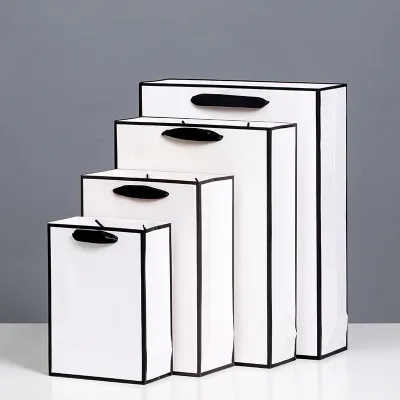
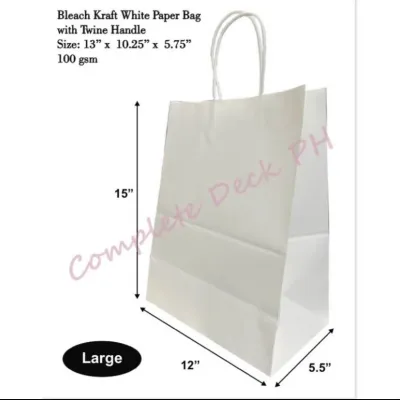
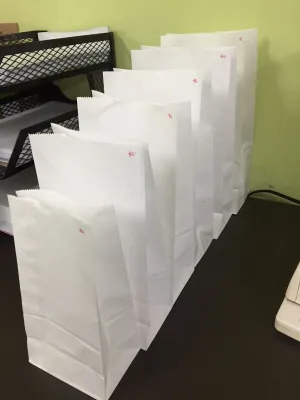
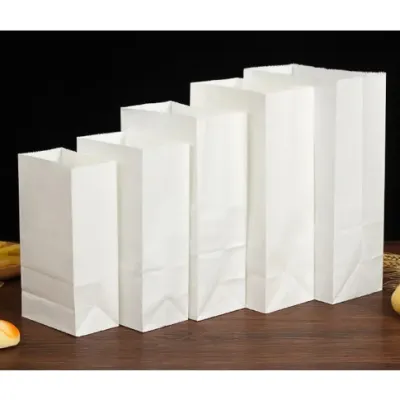
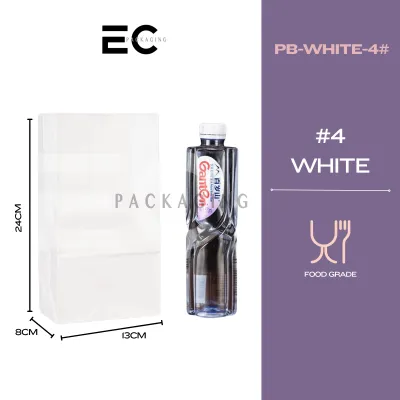
![[50 pcs] White Paper Supot Take Out Bag Disposable Supot - Size 1 2 4 6 8 10 12 16](https://img.lazcdn.com/g/p/2491e16fd13e17675c4c9f129b89f162.jpg_400x400q80.jpg_.webp)
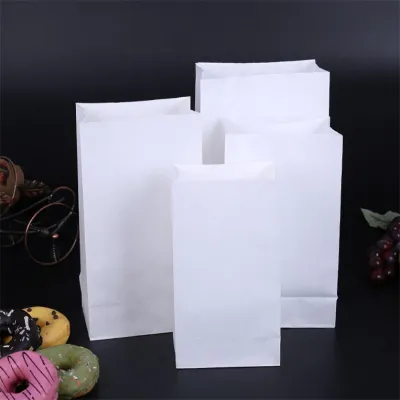
Prices are valid at publication and may change. Please refer to the product page for the latest price.
In contrast, flat bags lack these side and bottom gussets. They are designed primarily for flat items like greeting cards, art prints, single notebooks, or stickers. If you attempt to force a thick, three-dimensional gift into a flat bag, the sides will pull inward, reducing the usable height and putting immense pressure on the side seams, which often leads to tearing.
How to Measure Your Gift and Calculate the Ideal Bag Size
To determine the correct bag size, start by placing your gift on a flat surface. Measure its three primary dimensions using a ruler or measuring tape: length (the longest side of the base), width (the shorter side of the base), and height (from the surface to the highest point). If your gift is irregularly shaped, such as a plush toy or a ceramic figurine, measure the widest points along each axis to treat the item as a virtual rectangular box.

Once you have these raw measurements, you must add a clearance allowance to ensure the gift slides in and out smoothly without catching on the paper. A practical guideline is to add at least 1.5 to 2 centimeters of clearance to both the width and the depth of the bag. For the height, ensure the bag is at least 3 to 5 centimeters taller than the gift so the top can close neatly or accommodate decorative tissue paper without exposing the item.
For example, if you are packaging a rectangular gift box that measures 15 centimeters in length, 8 centimeters in width, and 20 centimeters in height, your target bag dimensions should be at least 17 centimeters wide, 10 centimeters deep, and 24 centimeters tall. If you are packing multiple nested items or a pre-packaged gift box, measure the outer boundaries of the entire assembly. For fragile items wrapped in bubble wrap or thick corrugated paper, measure the item after wrapping it, as protective layers can significantly increase the overall volume.
Estimated Bag Sizes for Common Gift Categories
While precise measurements are always recommended, standard gift categories generally align with common paper bag sizes. For small items like jewelry boxes, cosmetics, essential oils, or standard ceramic mugs, a small gift bag (often around 12 cm x 6 cm x 16 cm) provides a snug, secure fit that keeps the item from shifting excessively.
Medium-sized gifts such as hardcover books, folded t-shirts, light jackets, or standard shoeboxes require a medium bag (typically around 20 cm x 10 cm x 28 cm or 25 cm x 12 cm x 33 cm). These dimensions offer a wider gusset that accommodates folded textiles without crushing them and allows rectangular boxes to sit flat at the bottom.
Large or tall items, including board games, winter wear, or boots, demand large bags (often starting at 32 cm x 12 cm x 41 cm or larger). For tall, slender items like wine bottles, specialized bottle bags with a narrow width and deep height are necessary to keep the bottle upright and prevent it from tipping sideways. Always treat these categories as general starting points; verify the actual dimensions of your specific item before purchasing your packaging.
Verifying Weight Capacity and Handle Strength
A bag that is correctly sized can still fail if it cannot support the weight of your gift. Always check the manufacturer’s specifications for the recommended weight capacity. In humid environments, paper can absorb moisture from the air, which naturally reduces its tensile strength and makes it more susceptible to tearing under heavy loads.
The type of handle is a strong indicator of a bag’s carrying capacity. Twisted paper handles and woven ribbon handles are generally secured with heavy-duty adhesive patches inside the rim, making them suitable for moderate to heavy gifts like books or jarred preserves. Flat paper handles are cost-effective but are best reserved for lighter items like clothing. Die-cut handles, which are cut directly into the paper body, offer excellent structural integrity but reduce the usable height of the bag since you cannot pack items past the handle opening.
If you can inspect the bag physically before buying, check the thickness of the paper (often measured in grams per square meter, or GSM) and look for a reinforced cardboard base insert. A thick cardboard base plate distributes the downward pressure of the gift across the entire bottom gusset, preventing the paper from sagging and keeping the seams intact during transport.
Frequently Asked Questions (FAQ)
Should I size up if I am adding a lot of tissue paper or filler?
Yes. Decorative fillers like crinkle paper or multiple sheets of tissue paper add physical volume to the bag. If you plan to use generous amounts of filler, select a bag with a slightly wider gusset (depth) and width rather than just increasing the height. This extra space allows the filler to cushion the gift naturally without compressing it or forcing the sides of the bag to bulge outward.
What is the best way to pack a wine bottle in a standard paper bag?
When packing a wine bottle, prioritize a specialized tall bag with a square base that matches the bottle’s diameter. The bag’s height must comfortably exceed the bottle neck to prevent tipping. Ensure the bottom gusset is fully expanded and flat so the bottle stands perfectly upright. For added security, place a thick cardboard insert at the base to reinforce the paper against the heavy, concentrated weight of the glass.
Can I use a flat white paper bag for a boxed gift?
You can only use a flat white paper bag for very thin, flat boxes, such as those containing jewelry, stationery sets, or single chocolate bars. If the box has any significant depth (typically more than 2 centimeters), a flat bag will stretch tightly across the corners, distorting the bag’s shape and likely tearing the side seams. For any standard three-dimensional gift box, always choose a bag with a dedicated bottom gusset.
Community discussion
Share your experience or ask a question. Comments are reviewed before publication.