
Yes, erasable gel pen ink can disappear in the intense heat of the Philippines, but it does not happen simply from writing in a typical room. The thermo-sensitive ink is engineered to turn transparent at a specific high-temperature threshold, which is often reached inside parked cars, under direct tropical sunlight, or near hot electronic devices. Understanding how this specialty ink behaves in warm, humid environments is essential to keeping your notes, journals, and sketches safe from accidental erasure.
Quick Answer: Frixion Ink and Tropical Heat
Standard indoor use in the Philippines is generally safe, as typical room temperatures—even during the dry season—remain well below the threshold required to make thermo-sensitive ink transparent. The ink is designed to become colorless at a specific high temperature, usually around 60°C (140°F). However, direct heat sources and unventilated spaces in a tropical climate can easily exceed this limit, posing a significant fading risk.
Because formulations can vary slightly, check the manufacturer’s packaging for exact temperature limits before use. While the ink is highly reliable for daily planning under normal conditions, keeping your documents away from localized heat sources is key to preventing accidental erasure.
Products mentioned in this guide
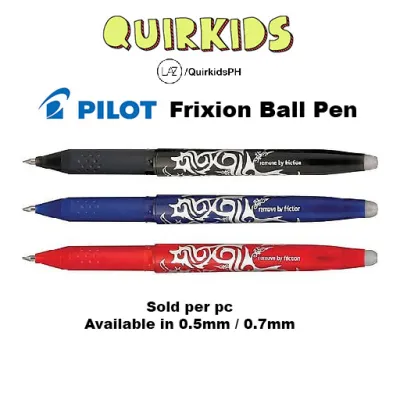
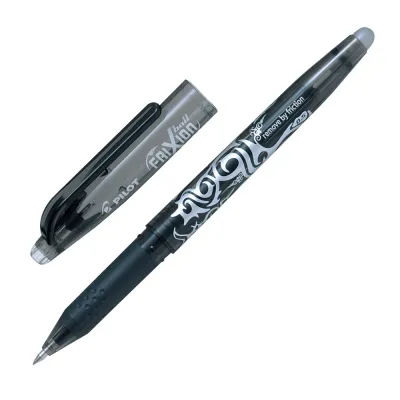
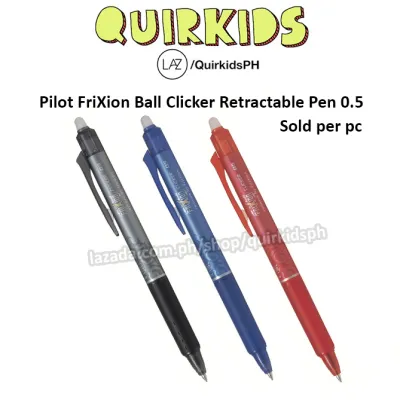
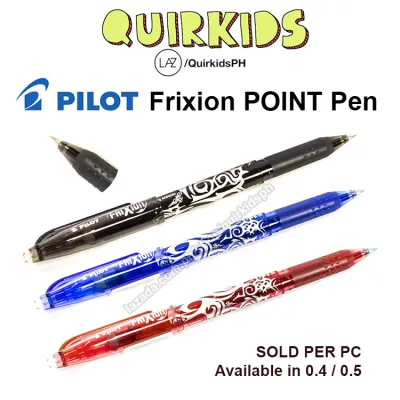
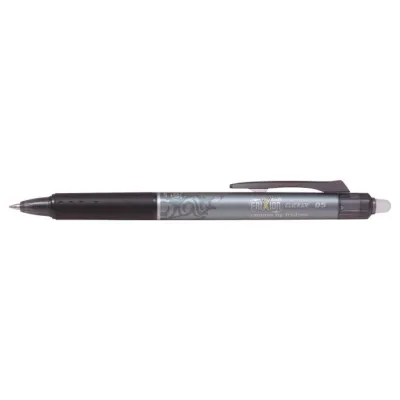
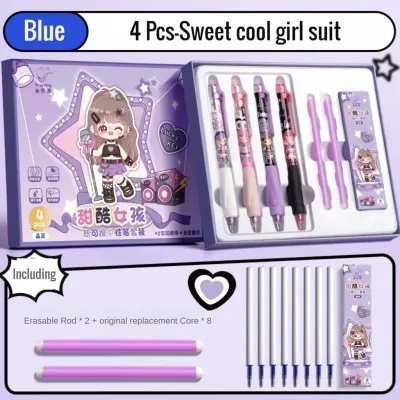
Prices are valid at publication and may change. Please refer to the product page for the latest price.
How Thermo-Sensitive Ink Reacts to Warm Environments
The technology behind erasable gel pens relies on a specialized thermo-sensitive ink containing microcapsules. These microcapsules hold a color-forming substance, a color developer, and a temperature-adjusting agent. When you rub the rubber tail tip of the pen against paper, friction generates localized heat. Once this heat reaches the activation point, the temperature-adjusting agent prevents the color developer and color former from binding, rendering the ink transparent. This physical reaction makes the ink colorless without damaging the paper fibers.

In a tropical climate like the Philippines, it is crucial to distinguish between high humidity and high heat. High humidity does not trigger the chemical transition that makes the ink disappear. Instead, moisture in the air primarily affects the paper medium, making it more absorbent and slower to dry. This can lead to longer drying times for the gel ink, increasing the risk of smudging.
Conversely, high heat acts directly on the ink’s chemical structure. When a notebook is left in direct sunlight or inside an enclosed, unventilated space, the ambient temperature of the paper itself can rise to match or exceed the activation threshold. This causes the written text to fade away without any physical friction.
Daily Scenarios That Cause Ink to Fade
In the Philippines, daily routines present several high-risk scenarios where written notes can easily vanish. One of the most common culprits is leaving notebooks, planners, or documents inside a parked vehicle. Even on a moderately sunny day, the greenhouse effect inside a closed car can cause cabin temperatures to soar well past 50°C, with dashboard surfaces easily exceeding 60°C. Any documents left on seats, in the glove compartment, or on the dashboard are highly susceptible to complete erasure.
Another common risk occurs indoors. Desks, bags, or storage shelves positioned near windows can absorb significant radiant heat from direct tropical sunlight. Even if the room is air-conditioned, a notebook sitting in a direct sunbeam can reach temperatures high enough to fade the ink. Similarly, placing your notebook on top of or adjacent to heat-generating electronics—such as laptop power bricks, external monitors, or kitchen appliances—can transfer enough localized heat to trigger the ink’s transition.
During outdoor transit, carrying notebooks in dark-colored bags that absorb solar radiation can also elevate internal temperatures. To protect your work, recognize the early signs of heat damage. Before the ink disappears completely, you may notice a distinct loss of color vibrancy, where deep blacks or vibrant blues turn into a faint, washed-out grey. If you observe this premature fading, it is an immediate warning sign that your storage environment is too warm and that the documents must be moved to a cooler location.
Best Practices for Storing and Using Erasable Pens
To ensure your erasable gel pens perform reliably in a tropical climate, proper storage and handling are essential. Always store both your pens and written notebooks in cool, dry, and shaded environments. Avoid keeping pens in pockets close to body heat for extended periods, and never leave them in unventilated spaces during the peak of summer. Keeping your writing instruments stored horizontally or tip-down can also help maintain consistent ink flow and prevent air bubbles from forming in the cartridge.
Managing ink flow in high humidity requires a bit of patience. Because humid air slows down the evaporation of water from the gel ink, you should allow extra drying time before closing your notebook or turning the page. To prevent smudging, avoid touching the freshly written text for at least a few seconds. Additionally, the choice of paper plays a significant role; highly coated, non-porous papers will extend drying times further, whereas standard matte notebook paper absorbs the ink more quickly, reducing the risk of accidental smears.
Before committing important notes to a new notebook, perform a simple trial. Take a scrap piece of the same paper you plan to use and write a few test lines. Observe how smoothly the pen glides, how quickly the ink dries under your current environmental conditions, and how cleanly the rubber eraser removes the marks. This quick verification step ensures that the specific combination of your pen’s tip size, ink formulation, and paper texture delivers the desired performance without unexpected bleeding or ghosting.
How to Restore Faded Frixion Ink
If your notes have accidentally faded due to heat exposure, there is a reliable scientific method to recover them. Because the chemical reaction of thermo-sensitive ink is reversible, exposing the faded document to extreme cold can restore the color. Placing the affected notebook or paper inside a household freezer—which typically operates at -10°C (14°F) or lower—for about 15 to 30 minutes will usually cause the ink to reappear. The intense cold forces the temperature-adjusting agent to release its hold, allowing the color developer and color former to recombine and restore the pigment.
However, this restoration process has notable limitations, especially in a humid tropical climate. When you remove a cold notebook from the freezer into warm, humid air, moisture will immediately condense on the cold paper surfaces. This condensation can weaken the paper fibers, cause pages to warp, or lead to ink bleeding if the paper becomes excessively damp. To minimize this risk, place the notebook inside a sealed, airtight plastic bag before putting it in the freezer, and leave it inside the bag until it has fully warmed back up to room temperature.
It is also important to note that the restored ink may not look exactly like the original writing. The background paper might retain a slight ghosting effect, and other colors on the page could be slightly altered. Furthermore, repeated temperature cycling—alternating between extreme heat and extreme cold—can degrade both the paper medium and the chemical stability of the ink, eventually leading to permanent fading or structural damage.
When to Avoid Erasable Pens for Important Documents
While erasable gel pens offer unmatched convenience for brainstorming, daily scheduling, and temporary notes, they are not suitable for every writing task. You must strictly avoid using thermo-sensitive ink for documents that require long-term permanence, legal validity, or official security. This includes legal contracts, land titles, government forms, academic examinations, financial checks, and archival records. If a check written with erasable ink is left in a warm delivery truck or a warm office, the critical financial details could vanish, leading to severe complications.
For these high-stakes applications, rely on alternative pen types designed for permanence. Pigment-based gel pens, traditional ballpoint pens with oil-based ink, or archival-quality fine liners are excellent choices. These inks are formulated to resist water, light, and heat, ensuring that your signatures and records remain legible for decades regardless of environmental exposure.
To help you decide which writing instrument to use, consider this quick decision checklist:
- Is the document legally binding or financially sensitive? If yes, use permanent pigment-based ink.
- Will the paper be exposed to temperatures above 50°C (e.g., in transit or near machinery)? If yes, avoid thermo-sensitive ink.
- Are you taking temporary notes, sketching, or planning a daily schedule? If yes, erasable pens are highly suitable.
- Does the task require frequent corrections and clean edits? If yes, erasable pens provide excellent utility, provided the documents are stored in a cool, shaded place.
Frequently Asked Questions (FAQ)
Does high humidity make Frixion ink bleed or smudge?
High humidity in the Philippines does not cause the ink to disappear, but it does slow down the drying process. Because the air is saturated with moisture, the water content in the gel ink evaporates more slowly, leaving the written lines wet for longer. To prevent smudging, allow at least 10 to 15 seconds of drying time before touching the text or closing the notebook. Using highly absorbent, uncoated paper can also help speed up drying times in humid conditions.
Can I use Frixion pens for school exams in the Philippines?
It is highly recommended to avoid using erasable pens for school exams, national assessments, or board examinations in the Philippines. Most educational institutions and official testing bodies strictly prohibit the use of erasable ink to prevent cheating, accidental erasure during transport, or grading complications. Always check your school’s specific exam guidelines or the official instructions of the testing board before selecting your writing instrument.
Will the ink disappear if I leave my notebook in an air-conditioned room?
No, leaving your notebook in an air-conditioned room will not cause the ink to disappear. Standard air-conditioning temperatures in homes and offices typically range from 18°C to 24°C, which is perfectly safe and well below the ink’s thermal activation threshold. In fact, storing your notebooks and pens in a cool, air-conditioned environment is highly beneficial, as it protects them from both extreme heat and high humidity, preserving your notes long-term.

Community discussion
Share your experience or ask a question. Comments are reviewed before publication.