
Choosing between Winsor & Newton Cotman and Professional watercolor lines comes down to your current skill level, painting frequency, and whether your work requires archival permanence. For beginners, hobbyists, and those executing high-volume washes or daily sketches, the Cotman line provides an accessible entry point with reliable handling. It allows you to practice essential water control techniques without the pressure of wasting expensive materials. On the other hand, the Professional watercolor line is formulated for artists who demand high pigment concentration, complex color-mixing capabilities, and long-term lightfastness for commissioned or gallery-bound work. While the Professional line offers exceptional depth and subtle handling characteristics, it also requires a higher level of water control to fully appreciate. Understanding how these two lines differ in formulation, performance, and cost will help you build a suitable palette that matches both your creative goals and your budget.
Understanding the Core Differences Between Cotman and Professional Lines
To make an informed choice, it is essential to understand the fundamental manufacturing philosophies that separate student-grade and artist-grade watercolors. Winsor & Newton designs the Cotman line as a student-grade paint, which means the formulation focuses on affordability and consistency. In student-grade watercolors, expensive natural pigments are often replaced with synthetic alternatives or blends, commonly referred to as “hues.” Additionally, these paints typically contain a higher proportion of binders, extenders, and fillers. These additives ensure that the paint behaves predictably across different colors, but they also reduce the overall pigment concentration.
Conversely, the Professional watercolor line is engineered to showcase the unique characteristics of each individual pigment. This artist-grade line uses a higher pigment-to-binder ratio and minimizes the use of fillers. Because of this, different colors within the Professional range can behave quite differently from one another; some may be highly granulating, while others are incredibly smooth or staining. Rather than forcing every paint to behave the same way, the Professional line embraces these natural variations to give artists maximum expressive control.
Products mentioned in this guide
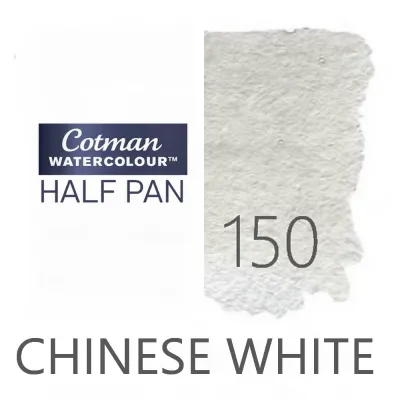

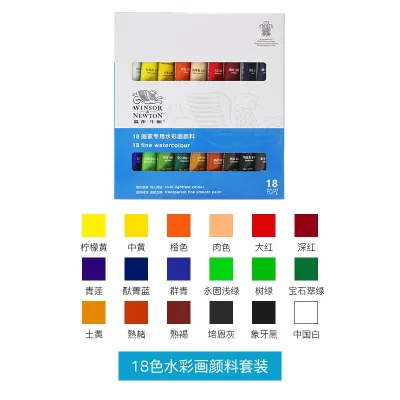

Prices are valid at publication and may change. Please refer to the product page for the latest price.
Because formulations vary significantly by individual color, you should not rely on blanket assumptions about either line. Instead, get into the habit of checking the tube or pan labels for exact pigment indices (such as PB29 for Ultramarine or PY150 for Nickel Azo Yellow). This practice allows you to verify whether a color is a single-pigment paint or a convenient blend of multiple pigments, which directly impacts how the paint behaves when mixed on your palette.
Comparing Key Performance and Handling Characteristics
The physical behavior of watercolor on paper is where the differences between Cotman and Professional lines become most apparent during a painting session. Pigment load directly influences color intensity and tinting strength. Because the Professional line features a high concentration of pure pigment, a tiny dab of paint goes a long way. When you mix multiple Professional colors together, they tend to maintain their vibrancy and clarity, allowing for clean, luminous glazes. In contrast, the lower pigment load of the Cotman line means you may need to use more paint to achieve the same depth of color. When mixing multiple Cotman colors, the presence of fillers and multi-pigment “hues” can sometimes lead to slightly duller or muddier mixtures, especially if you combine more than three colors.

Transparency and granulation also differ noticeably between the two ranges. The Professional line offers a wider selection of naturally transparent colors, which are ideal for traditional layering and glazing techniques. It also highlights natural granulation—the beautiful, textured settling of heavy pigment particles into the valleys of cold-pressed or rough watercolor paper. In the Cotman line, the addition of extenders can sometimes impart a slightly more uniform, semi-opaque quality to the wash, which can soften the dramatic effects of granulating pigments like Cobalt Blue or Genuine Viridian.
Lightfastness and permanence are critical considerations if you plan to display or sell your artwork. While both lines utilize high-quality binders, the Professional line is specifically formulated to meet strict archival standards, ensuring your paintings resist fading over decades. You can verify the permanence of each color by checking the ASTM rating (typically Category I or II for high permanence) or the manufacturer’s own rating system printed on the tube. Keep in mind that even within artist-grade lines, certain historical or specialty colors may have lower lightfastness ratings, making label verification an essential step for any serious artist.
Evaluating Price, Formats, and Overall Value
The financial investment required for watercolor painting is a major deciding factor, particularly when comparing student and artist grades. The Professional line is categorized into price series based on the cost of the raw pigments, meaning rare minerals like cobalt and cadmium cost significantly more than earth pigments like ochres and sienna. The Cotman line, by contrast, features a uniform pricing structure because it utilizes affordable synthetic alternatives. When shopping in the Philippines, you should verify current retail prices in ₱ at local art supply stores or authorized online marketplaces, as import costs and local promotions can cause prices to fluctuate.
For high-volume practice, broad washes, and plein air sketching, the Cotman line offers exceptional cost-effectiveness. It allows you to paint freely without worrying about the cost per brushstroke, which is vital for developing muscle memory and experimenting with water-to-paint ratios. In the humid, tropical climate of the Philippines, where paper dries at different rates depending on the season, having an affordable paint for quick outdoor sketches is highly practical.
However, the higher investment in the Professional line is fully justified when your work demands archival longevity, complex color mixing, or is intended for professional commissions. That said, beginners should avoid assuming that buying the most expensive paint will automatically yield better results. Without a solid foundation in water control, paper selection, and brush technique, the intense pigment load and rapid dispersion of professional paints can sometimes feel difficult to manage, leading to wasted material.
Decision Framework: Which Line Should You Buy?
To help you choose the right watercolor line for your studio, consider this practical decision framework based on your current needs and painting environment.
Choose Cotman if:
- You are a beginner or student learning the fundamentals of watercolor painting, such as washes, glazing, and wet-on-wet techniques.
- You paint frequently in a sketchbook, execute daily warm-ups, or produce high-volume illustrations where archival permanence is not a primary concern.
- You enjoy plein air painting and want a lightweight, affordable pan set that you can travel with without fear of loss or damage.
- You are working within a strict budget and want to maximize the number of colors you can purchase at once.
Choose Professional if:
- You are an advanced painter or professional artist creating original work for exhibition, sale, or commission.
- Your painting style relies heavily on subtle glazing, high transparency, or the dramatic visual textures of granulating pigments.
- You require absolute certainty regarding the lightfastness and archival quality of your pigments over time.
- You have mastered water control and want a paint that responds instantly to delicate brushwork and wet-in-wet dispersion.
Consider a Mixed Approach if:
- You want to build a highly cost-effective palette by using Cotman for your base washes, large background areas, and high-volume mixing colors.
- You want to supplement your student-grade palette with a few select Professional tubes for critical focal points, such as a highly granulating French Ultramarine or a vibrant, single-pigment Quinacridone Gold.
Verify First if:
- You have specific material sensitivities or are purchasing paints for a classroom or shared studio space. Always check the product labels for certified non-toxic designations (such as the AP seal) and review safety data sheets if you are working with heavy metal pigments like cadmiums or cobalts.
Frequently Asked Questions (FAQ)
Can I mix Cotman and Professional watercolors in the same painting?
Yes, you can physically mix Cotman and Professional watercolors on the same palette or within the same painting. Because both lines use gum arabic as their primary binder, they are fully compatible and will adhere to the paper without peeling or cracking. However, you should test your mixtures on a scrap piece of paper first. Combining a highly pigmented Professional color with a Cotman color containing fillers can lead to unexpected shifts in transparency, drying times, and granulation. Observing how these mixtures behave wet-in-wet will help you avoid muddy patches in your final artwork.
When is the right time to upgrade from Cotman to Professional?
The right time to upgrade is when you find that your current materials are limiting your artistic progress. If you frequently feel frustrated because your color mixtures turn muddy, or if you are struggling to achieve deep, rich darks without your paint looking chalky, you have likely outgrown student-grade pigments. Additionally, if you begin accepting commissions or selling original paintings, upgrading to the Professional line is necessary to guarantee the archival permanence your clients expect. Transitioning color by color as your Cotman tubes run out is an excellent, budget-friendly way to make the upgrade.

Community discussion
Share your experience or ask a question. Comments are reviewed before publication.