
The Short Answer: Which Pencil Wins for Elementary Kids?
Finding the best pencil for kids in elementary school is a key step in setting them up for academic success. Choosing the right writing tool for an elementary school student in the Philippines is not a one-size-fits-all decision. The optimal choice depends heavily on your child’s grade level, fine motor skill development, and specific school guidelines. For younger learners in grades 1 through 3, traditional wooden pencils are almost always the superior option. These pencils provide the physical resistance and structural stability necessary for children who are still developing hand strength and learning to control their writing pressure.
Conversely, mechanical pencils become highly practical for older elementary students in grades 4 through 6. By this stage, most children have developed a lighter, more controlled writing touch and can benefit from the convenience of a tool that never needs sharpening. However, before making a purchase, parents must weigh several key factors, including grip development, daily maintenance, long-term supply costs, and classroom rules. Understanding how these elements interact with your child’s daily school routine will help you select the tool that minimizes classroom distractions and supports neat handwriting.
Writing Experience and Grip Control for Young Learners
The physical design of a pencil plays a fundamental role in how a child learns to write. During the early years of elementary school, children transition from gross motor movements to fine motor precision. Wooden pencils are uniquely suited for this developmental stage because they are widely available in various ergonomic shapes, including hexagonal and triangular barrels. Thicker triangular wooden pencils, often designed specifically for beginners, naturally guide a child’s fingers into the recommended tripod grip. This physical structure prevents the fingers from slipping and helps establish a comfortable, fatigue-free writing habit early on.
Products mentioned in this guide
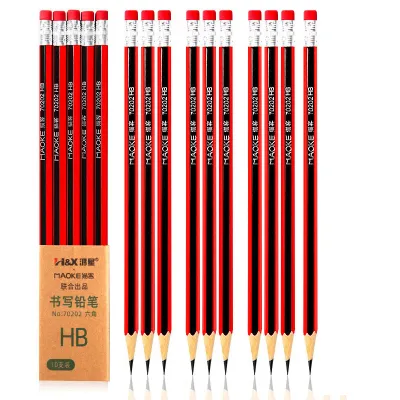
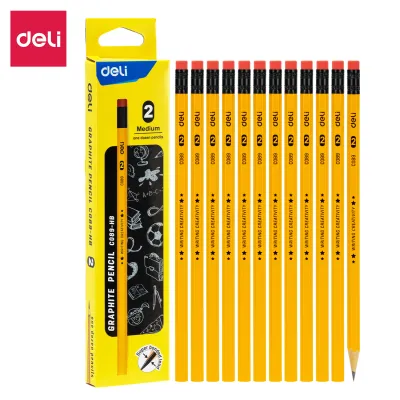
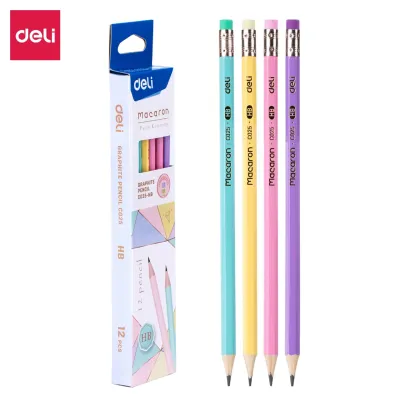
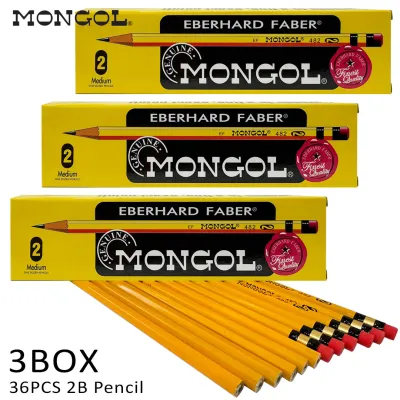
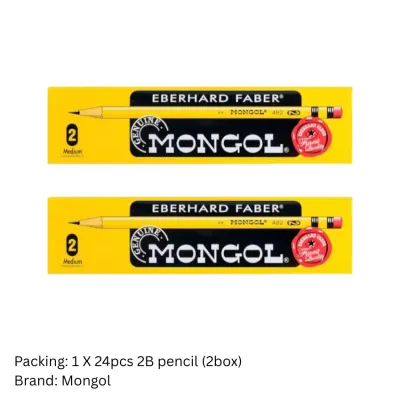
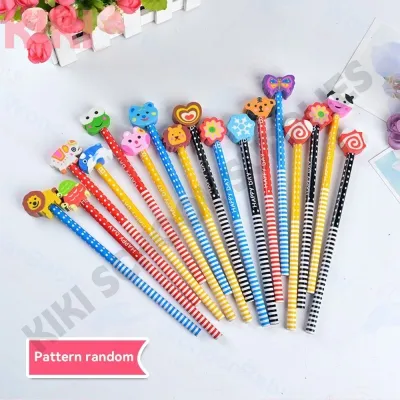
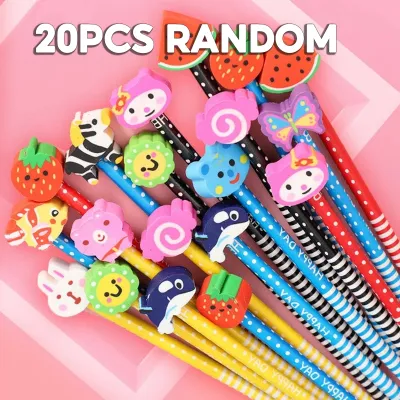
Prices are valid at publication and may change. Please refer to the product page for the latest price.

Furthermore, the natural texture of wood provides a subtle tactile feedback that plastic mechanical pencils cannot replicate. When a child writes with a wooden pencil, the friction between the graphite and the paper, combined with the slight give of the wooden casing, helps them feel the strokes they are making. This sensory feedback is crucial for young learners who are still mastering letter formation and spacing. The physical feedback allows them to adjust their hand movements in real-time, leading to steadier lines and more legible handwriting on standard school paper.
Mechanical pencils, on the other hand, present several challenges for young learners. Most standard mechanical pencils feature thin, round barrels made of smooth plastic or metal. These barrels can be difficult for small hands to grasp securely, often leading to hand fatigue or encouraging improper gripping techniques, such as wrapping the thumb tightly over the index finger. While some mechanical models feature rubberized grips or thicker barrels, the overall writing experience remains highly slick. The smooth glide of thin mechanical lead requires a very light, consistent touch, which most early elementary students have not yet developed.
Line consistency also differs significantly between the two pencil types, directly affecting how children practice writing. A standard wooden pencil produces a line that naturally thickens as the tip wears down. For beginners, this broader line is highly forgiving, making their early writing look more solid and legible even if their pressure is uneven. In contrast, mechanical pencils utilize thin leads, typically 0.5mm or 0.7mm in diameter. While these leads produce a highly precise and uniform line, they can look faint or shaky when used by a child who has not yet mastered steady hand control. For handwriting practice in early grades, the broader, more stable stroke of a wooden pencil remains the preferred standard.
Daily Maintenance and Classroom Practicality
A student’s pencil must be able to withstand the chaotic and fast-paced environment of a typical elementary classroom. One of the most significant differences between wooden and mechanical pencils is the daily maintenance they require. Wooden pencils require regular sharpening to maintain a usable tip. While this task is straightforward, it can become a frequent source of distraction in the classroom. A child must walk to the classroom sharpener, grind the pencil, and dispose of the wood shavings, which takes away valuable instructional time and can disrupt the flow of a lesson.
However, refilling a mechanical pencil introduces a different set of practical challenges. To keep a mechanical pencil functional, a student must handle tiny, fragile lead refills and feed them into a narrow chamber. For young children with developing fine motor skills, this process can be incredibly frustrating. It is common for kids to drop the lead refills, which easily shatter on hard classroom floors, or to accidentally jam the internal mechanism by loading too many leads at once. Clearing a lead jam often requires adult assistance, turning what should be a quick adjustment into an ongoing classroom chore.
The issue of writing pressure is particularly acute in early elementary classrooms. Young children naturally press down hard on the page as they concentrate on forming letters. Wooden pencils are structurally solid and can easily withstand heavy downward pressure without breaking. When the tip does eventually dull or break, it is a predictable event that is easily resolved. Mechanical pencils, however, are highly sensitive to writing pressure. Standard 0.5mm or 0.7mm leads snap instantly under heavy hands, requiring the student to constantly click for more lead, only for it to break again seconds later. This constant cycle of snapping and clicking interrupts the child’s concentration and slows down their schoolwork.
In the tropical climate of the Philippines, high humidity can also affect paper and writing supplies. Standard school pad paper can absorb moisture from the air, making it softer and more prone to tearing. When a child uses a sharp, thin mechanical pencil on humid, soft paper, the lead is much more likely to pierce or tear the page compared to the broader, smoother stroke of a wooden pencil.
Classroom distractions are another critical factor for parents to consider. The repetitive clicking sound of a mechanical pencil can become a nervous habit for a child and a source of irritation for teachers and classmates. Additionally, mechanical pencils consist of multiple small, removable parts, including the eraser cap, the pocket clip, and the internal lead sleeve. If a child begins playing with these components during a lesson, they can easily lose them, rendering the pencil useless. A wooden pencil, being a single solid piece of wood and graphite, offers far fewer opportunities for fidgeting, helping students stay focused on their schoolwork.
Upfront Costs vs. Long-Term Supply Value
When preparing for the school year, parents must evaluate the financial trade-offs between wooden and mechanical writing tools. Wooden pencils represent a very low initial investment. In the Philippines, a bulk box of twelve standard #2 wooden pencils typically costs between ₱60 and ₱150, depending on the brand. This means that even if a child loses or damages several pencils during the first few months of school, replacing them is incredibly inexpensive. For families on a budget, or for children who frequently misplace their school supplies, the low cost of wooden pencils provides excellent peace of mind.
Mechanical pencils require a higher upfront investment. A single, durable mechanical pencil designed for school use can cost anywhere from ₱50 to over ₱200. While this initial cost is manageable, the long-term expenses can accumulate quickly. Parents must purchase specialized lead refills, which generally cost between ₱20 and ₱50 per tube, as well as specific replacement erasers that fit the pencil’s model. Furthermore, if a child loses a mechanical pencil or breaks its internal clutch mechanism, the entire initial investment is lost, and a costly replacement must be purchased.
To assess the true practical value of these tools, parents should analyze their child’s organizational habits and care patterns. If your child is prone to losing items, dropping their pencil case, or lending supplies to classmates without getting them back, a bulk supply of inexpensive wooden pencils is transitionally the more cost-effective choice. However, if your child is older, highly organized, and takes pride in maintaining their personal belongings, a high-quality mechanical pencil can last for several school years. In this scenario, the ongoing cost of lead refills can actually be lower than the cumulative cost of buying and sharpening dozens of wooden pencils over time.
School Rules, Teacher Preferences, and Exam Requirements
Regardless of personal preference, institutional rules and teacher mandates often dictate which pencil a child must use. In the early grades of elementary school, many teachers strictly prohibit mechanical pencils in their classrooms. This rule is rarely arbitrary; rather, it is established to maintain classroom order and ensure that all students can participate in lessons without technical interruptions. Teachers know that mechanical pencils lead to constant requests for help with jammed mechanisms, frequent distractions from clicking, and a messy classroom floor littered with broken lead pieces.
Furthermore, standardized testing and grading systems heavily favor traditional wooden pencils. In the Philippines, national examinations and school-wide assessments often utilize optical mark recognition (OMR) sheets, commonly referred to as scantron sheets. These grading scanners are calibrated to detect the specific graphite density of a standard #2 or HB wooden pencil. The broad, solid mark made by a wooden pencil ensures that the scanner registers the student’s answer correctly. Mechanical pencils, with their thin and sometimes faint lines, run the risk of not being detected by the scanner, which can lead to grading errors on important exams.
Before purchasing school supplies, it is highly recommended that parents thoroughly review the official supply list provided by the school or consult with the classroom teacher. Bringing unapproved writing tools to class can cause unnecessary stress for your child, who may be forced to borrow a wooden pencil from a classmate or purchase a replacement at the school canteen. Adhering to the teacher’s guidelines ensures that your child starts the school year with the exact tools they need to succeed, allowing them to focus entirely on their lessons rather than managing supply conflicts.
Final Verdict: Choosing the Best Pencil for Kids
To help you make the best decision for your child’s daily school routine, use this straightforward decision framework based on their age, writing style, and school environment.
Choose Wooden Pencils If:
- Your child is in early elementary (grades 1–3): They are still developing basic fine motor skills and require the physical guidance of a structured barrel.
- They write with heavy hand pressure: The solid wooden casing will prevent constant lead breakage and the resulting frustration.
- They are still mastering their pencil grip: Ergonomic triangular or hexagonal wooden pencils provide the necessary support for learning a proper tripod grip.
- The school explicitly mandates them: Your child's teacher or the school supply list specifies #2 or HB wooden pencils for daily work and exams.
Choose Mechanical Pencils If:
- Your child is in upper elementary (grades 4–6): They have developed a lighter, more controlled writing touch and can handle small components responsibly.
- They prefer a consistently sharp line: They dislike the interruption of sharpening and want their handwriting to remain neat and uniform throughout the day.
- They are highly organized: They can keep track of their writing tools, lead refills, and small eraser caps without losing them.
- The school guidelines permit them: The classroom teacher allows mechanical pencils for daily note-taking and assignments.
Verify First If:
- The school has a strict supply list: Always check the specific requirements for standardized tests and daily classroom activities.
- Your child has occupational therapy recommendations: Some children benefit from specialized pencil grips that fit better on wooden pencils than on mechanical ones.
- Your child tends to chew on their writing tools: If your child frequently chews on pencils, plastic mechanical parts and small lead caps can present a choking or ingestion hazard, making wooden pencils the safer choice.
A practical approach for many families is to keep a mix of both pencil types at home. You can provide high-quality wooden pencils for your child to take to school to comply with classroom rules, while keeping a few mechanical pencils at their home study desk for homework and drawing. This allows them to enjoy the convenience of mechanical pencils in a controlled environment while ensuring they remain fully prepared and compliant at school.
Frequently Asked Questions (FAQ)
Are mechanical pencils safe for young children?
Mechanical pencils are generally not recommended for very young children due to several safety concerns. The small plastic caps, pocket clips, and tiny lead refills pose a notable choking hazard for children who still have a habit of putting objects in their mouths. Additionally, the thin metal or plastic tip of a mechanical pencil, combined with the sharp, exposed lead, can cause accidental poking injuries if a child runs, plays, or falls while holding the tool. It is best to wait until a child is mature enough to handle small parts responsibly—typically around the age of eight or nine—before introducing mechanical pencils into their daily routine.
What is the best lead grade for elementary school kids?
The universal standard for elementary schoolwork is #2 lead, which is equivalent to HB in the international grading system. This lead grade strikes the perfect balance between darkness and hardness, making it ideal for daily writing, drawing, and standardized test scanners. Softer lead grades, such as B or 2B, produce dark, smooth lines but smudge very easily under young, sweaty hands, resulting in messy notebooks and dirty fingers. Harder lead grades, such as H or 2H, produce faint lines that are difficult to read and require excessive writing pressure, which can easily tear the thin pad paper commonly used in classrooms. For general school supplies, parents should always stick to standard #2 or HB lead.
Community discussion
Share your experience or ask a question. Comments are reviewed before publication.