
The choice between a wooden pencil and a mechanical pencil depends on whether you prioritize tactile feedback and expressive line variation or continuous writing consistency and maintenance-free convenience. Wooden pencils offer a warm, organic grip and a dynamic line that changes with the angle of your hand, making them excellent for sketching and expressive writing. Mechanical pencils provide a constant line width, eliminate the need for a sharpener, and offer a balanced, reusable chassis ideal for precise drafting, note-taking, and long study sessions.
In the humid tropical climate of the Philippines, paper can absorb moisture from the air, which directly affects how graphite behaves on the page. A soft wooden pencil might glide smoothly but smudge easily on damp paper, while a thin mechanical pencil lead might tear through softened fibers if too much pressure is applied. Understanding how these tools interact with your paper, your hand, and your daily routine is the key to finding a suitable writing companion.
Comparing the Writing Feel and Line Control
The physical sensation of writing begins with the barrel. Standard wooden pencils feature a lightweight, hexagonal casing made of cedar or basswood. This design provides a natural, warm grip that grows shorter and lighter as you use and sharpen it. Because the wood itself is light, the balance point remains close to your fingers, allowing for relaxed, low-fatigue writing during long sketching sessions.
Products mentioned in this guide
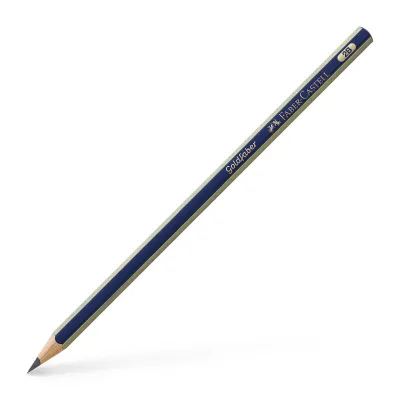
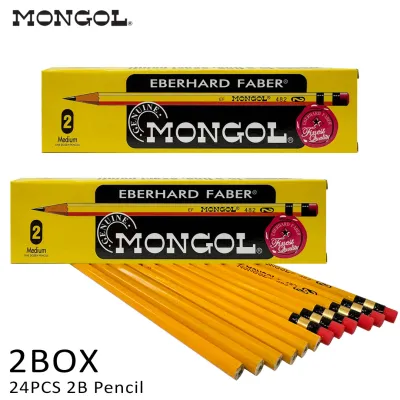
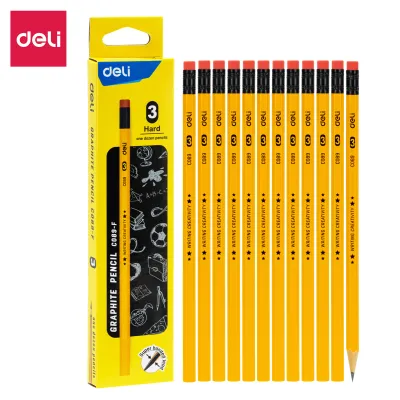
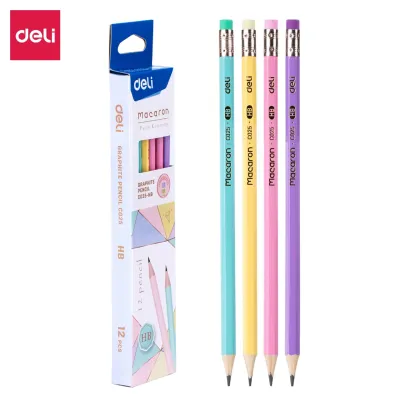
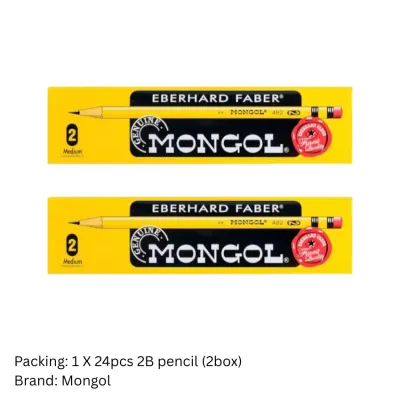
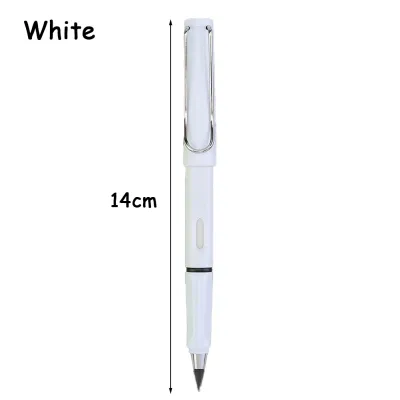
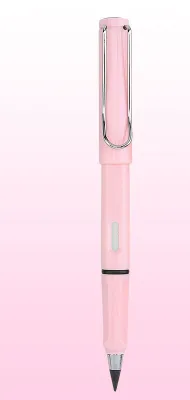
Prices are valid at publication and may change. Please refer to the product page for the latest price.
In contrast, mechanical pencils utilize a fixed-length chassis made of plastic or metal. This creates a consistent weight distribution that never changes, regardless of how much lead you consume. Many mechanical models feature textured metal grips or soft rubber sleeves to prevent slipping in warm, humid weather. The overall weight is typically heavier than a wooden counterpart, shifting the balance point slightly higher for greater stability.
Line control reveals the most significant functional divide. A wooden pencil lead wears down as you write, transitioning from a sharp point to a broad, blunt edge. This natural wear allows you to vary your line width dynamically simply by rotating the pencil or altering your writing angle, making it excellent for shading and organic line work. Mechanical pencils are engineered for absolute consistency, maintaining a uniform lead diameter—commonly 0.5 mm or 0.7 mm—from the first word to the last, which is ideal for technical drawings and neat print inside tight planner grids.
To find a suitable match for your specific stationery, you must test how the graphite interacts with your paper. Draw a series of heavy lines on your standard notebook, followed by rapid hatching. Rub your finger lightly across the marks to observe the smudging resistance; softer wooden leads often leave a dark halo, whereas harder mechanical leads might resist smudging but feel scratchy. Pay close attention to whether the sharp, thin tip of a mechanical pencil skips or tears the paper fibers, especially on lightweight or moisture-softened sheets.
Daily Convenience, Maintenance, and Durability
Daily upkeep shapes your relationship with your writing instrument. Wooden pencils demand regular sharpening to maintain a functional point, which requires you to carry a manual sharpener. This process produces wood shavings and graphite dust, which can be messy if you are writing on the go, in a crowded jeepney, or at a small coffee shop table. However, the simplicity of a wooden pencil means there are no moving parts to fail; it is always ready to write as long as you have a way to expose the core.

Mechanical pencils replace the sharpening routine with a simple click of a button or a shake of the barrel. This internal advancement mechanism offers unmatched convenience for fast-paced environments like classrooms and offices. You can write continuously for pages without interrupting your train of thought. The trade-off lies in the complexity of the internal clutch mechanism, which can occasionally jam if a tiny fragment of lead breaks inside the sleeve, requiring careful clearing.
Physical durability under daily wear is another critical factor. A wooden pencil is incredibly resilient; if you drop it on a hard tile floor, the wood casing protects the inner graphite core, though severe impacts can sometimes fracture the lead internally. Even if the tip breaks, a quick turn in a sharpener restores its utility. A mechanical pencil, particularly one with a plastic body, can crack under heavy impact, and a bent metal tip sleeve can permanently ruin the alignment of the lead advancement mechanism.
Portability and safety during transit require different precautions. An exposed wooden pencil tip can easily puncture pencil cases, stain fabric pockets, or snap off inside a bag. Using a dedicated pencil cap is highly recommended to protect both the tip and your belongings. Mechanical pencils often feature retractable sleeves or pocket clips that pull the delicate metal tip safely inside the body when not in use, making them exceptionally pocket-safe and convenient for everyday carry in a backpack or shirt pocket.
Lead Grades, Refills, and Long-Term Value
The versatility of any pencil depends on its graphite composition. Wooden pencils utilize the classic HB scale, ranging from hard, light-marking H grades to soft, dark-marking B grades. Because the entire core is supported by a thick wooden sheath, you can easily use very soft grades like 4B or 6B for deep, rich blacks without worrying about the lead crumbling instantly. This wide range of accessible hardness levels makes the wooden format highly adaptable for both writing and fine art.
Mechanical pencils categorize their refills by both diameter and hardness. While you can find mechanical lead in various grades like 2B or HB, you are physically constrained by the fixed diameter of your pencil’s sleeve. A 0.3 mm pencil can never accept 0.5 mm or 0.9 mm lead, meaning you must own multiple mechanical bodies if your work requires different line weights. Furthermore, very soft leads in thin diameters like 0.5 mm break extremely easily under normal writing pressure, limiting your practical choices to harder, more resilient grades.
Evaluating the long-term financial value involves comparing initial investments against recurring costs. A pack of high-quality wooden pencils is highly affordable upfront, often costing only a few pesos per piece. However, because the wood is shaved away with every use, you must continuously purchase new pencils as they shorten. A premium mechanical pencil requires a higher initial ₱ investment for a durable metal or high-grade plastic body, but the ongoing cost of lead refills is remarkably low, as a single tube of refills can last for months of heavy writing.
Environmental impact and material waste offer another layer of comparison. Wooden pencils are biodegradable, typically made from sustainably harvested softwoods, though they do generate physical waste in the form of shavings and short, unusable stubs. Mechanical pencils are designed for years of reuse, reducing physical wood waste to zero. However, most affordable mechanical pencils are made of non-recyclable plastics that eventually end up in landfills if the internal mechanism breaks or the body cracks, making a high-quality, repairable metal mechanical pencil the more sustainable choice for long-term use.
How to Choose the Right Pencil for Your Workflow
Selecting the right tool comes down to aligning the pencil’s strengths with your daily tasks. You should choose wooden pencils if your workflow involves creative drawing, shading, or expressive handwriting where line variation adds character. The organic feel of wood, the pleasant aroma of cedar shavings, and the ability to adjust your line width on the fly create a sensory writing experience that digital or mechanical tools cannot replicate. They are also ideal for those who appreciate a simple, reliable tool that never jams or runs out of click mechanism life.
On the other hand, you should choose mechanical pencils if your work demands absolute precision, clean lines, and zero downtime. If you are an engineering student drafting technical layouts, an accountant filling out dense ledgers, or a planner enthusiast organizing daily schedules in tiny grids, the consistent line width of a mechanical pencil is indispensable. The convenience of clicking to advance the lead allows you to maintain focus during fast-paced exams or meetings without the distraction of sharpening.
Before making your final purchase, always verify the specific requirements of your environment. Some standardized academic exams or professional board examinations in the Philippines strictly mandate the use of traditional No. 2 or HB wooden pencils for optical answer sheets, as some mechanical leads can scratch the paper or fail to deposit enough graphite for the scanner to read. Additionally, check your favorite notebook or planner; highly coated, smooth papers may cause soft wooden pencil marks to smudge excessively, while thin, delicate pages might perform better with a gentle, broad wooden tip rather than a sharp, piercing mechanical point.
Frequently Asked Questions (FAQ)
Can I use mechanical pencil lead in a wooden pencil?
No, you cannot use mechanical pencil lead in a wooden pencil. Wooden pencils are manufactured by gluing a solid, relatively thick graphite rod (usually around 2 mm to 3 mm in diameter) between two grooved wooden slats, which are then cut and shaped. Mechanical pencil leads are extremely thin (typically 0.3 mm to 0.9 mm) and lack the structural strength to be used without the continuous support of a mechanical pencil’s internal metal or plastic sleeve. Attempting to insert or use them in any wooden casing is physically impossible and will result in the lead instantly shattering.
Which pencil type is better for standardized tests and scantrons?
Traditional wooden pencils, specifically those graded as No. 2 or HB, are generally better and safer for standardized tests and scantrons. Optical mark recognition (OMR) scanners read answer sheets by detecting the reflection of light off the graphite deposits. Wooden pencils deposit a broader, flatter, and more reflective layer of graphite that easily fills the bubble. While some high-quality mechanical pencils with HB lead can work, thin mechanical tips run the risk of tearing or embossing the paper, creating physical indentations that can cause scanning errors or prevent the bubble from being read correctly. Always check your specific exam guidelines, as many testing centers explicitly prohibit mechanical pencils.
Community discussion
Share your experience or ask a question. Comments are reviewed before publication.