
Choosing between a wooden and a mechanical pencil is not merely a matter of nostalgia versus modern convenience; it is a decision that directly shapes your daily writing flow, hand comfort, and productivity. The ideal choice depends entirely on your primary tasks, whether you are sketching expressive portraits, drafting precise technical diagrams, taking rapid notes in a humid lecture hall, or shading answer sheets for standardized national exams. While wooden pencils offer rich tactile feedback and organic line variation, mechanical pencils deliver unwavering line consistency and eliminate the need for sharpening. By evaluating how each tool handles writing feel, daily maintenance, paper compatibility, and long-term cost, you can select the exact instrument that aligns with your personal habits and environment.
Core Differences in Writing Feel and Line Control
The physical construction of a pencil dictates how it balances in your hand and how the graphite interacts with the paper surface. A traditional wooden pencil consists of a solid graphite core encased in a single piece of wood, usually cedar or basswood. This design provides a lightweight, uniform feel that gradually shifts as the pencil is sharpened down. Because the wood is a natural material, it absorbs a small amount of hand moisture and offers a warm, organic grip that many writers find comforting during long sessions. The tactile feedback of wood on paper is direct and dampens vibrations, allowing you to feel the texture of the page as you write.
In contrast, a mechanical pencil features a complex internal mechanism housed in a plastic, resin, or metal body. This construction typically places the center of gravity closer to the tip, especially in models designed with weighted brass clutches or knurled metal grips. This nose-heavy balance can significantly reduce hand fatigue by allowing the weight of the pencil to do the work, requiring less downward pressure from your fingers. However, the rigid metal or plastic body does not absorb hand sweat, which can make the grip slippery in warm, tropical climates unless the pencil features a textured or rubberized sleeve.
Products mentioned in this guide
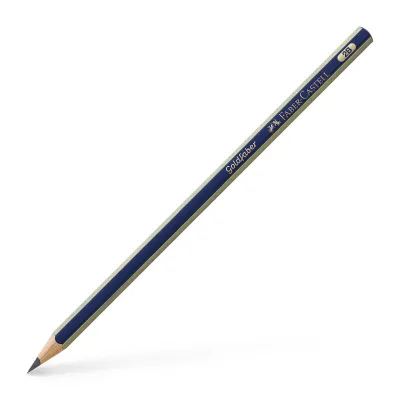
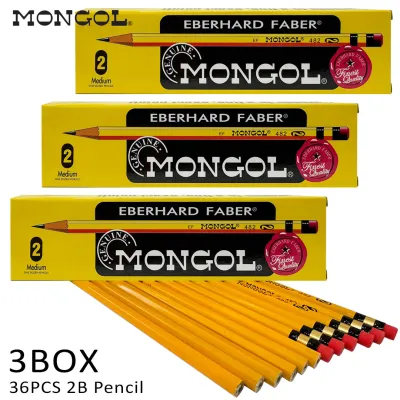
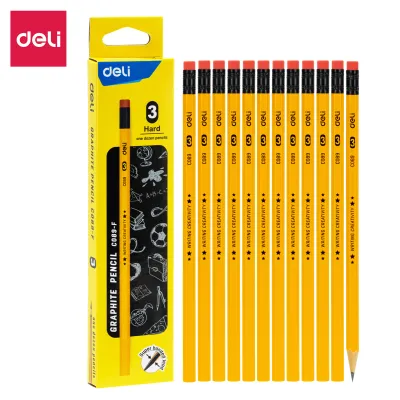
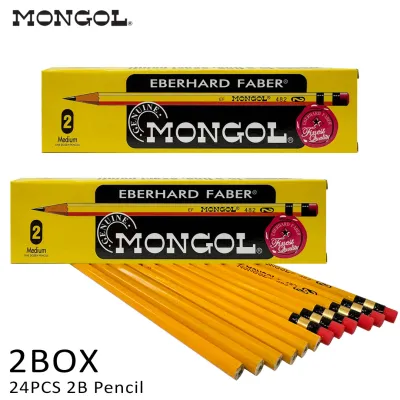
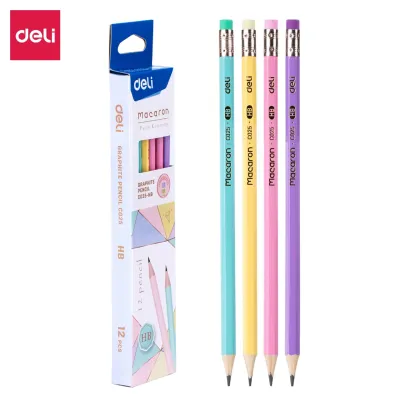
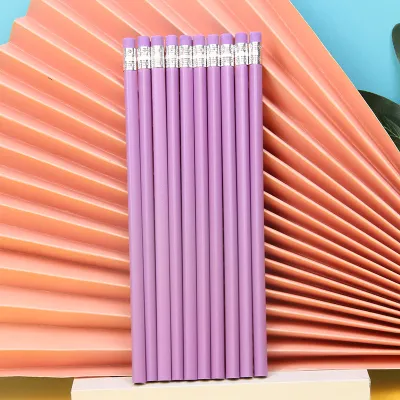
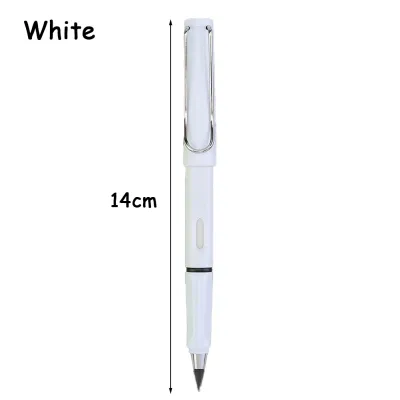
Prices are valid at publication and may change. Please refer to the product page for the latest price.
Line control is where these two tools diverge most dramatically. A wooden pencil allows for immense line variation; by tilting the pencil, you can transition from a razor-sharp line to a broad, soft smudge. This makes the wooden pencil an indispensable tool for artists, designers, and anyone who uses pressure and angle to express depth. The trade-off is that the point dulls continuously with every stroke, requiring you to rotate the pencil constantly to find a sharp edge or pause your work to use a sharpener.
Mechanical pencils excel at absolute line consistency. Because the lead is held in a fixed metal sleeve, the line width remains identical from the first word to the last. If you use a 0.5mm mechanical pencil, your lines will always be 0.5mm wide, regardless of how long you write or the angle at which you hold the tool. This precision is vital for mathematical equations, accounting ledgers, and technical drafting where overlapping lines or varying thicknesses can cause errors. To evaluate which feel you prefer, try writing a single paragraph with each type; observe whether your hand naturally adjusts to the changing tip of a wooden pencil or prefers the predictable, rigid feedback of a mechanical sleeve.
Convenience, Maintenance, and Daily Usability
Daily usability is largely defined by how much maintenance you are willing to tolerate during your workflow. Wooden pencils require a reliable sharpener and a way to dispose of wood shavings and graphite dust. If you are working at a clean desk, this may be a minor inconvenience, but if you are commuting, taking field notes outdoors, or working in a crowded classroom, managing shavings becomes a hassle. Furthermore, a wooden pencil constantly changes in length; as you sharpen it, the pencil becomes shorter, altering its balance and eventually requiring a pencil extender to remain usable.

The built-in eraser is another usability factor to consider. Traditional wooden pencils often feature a small pink eraser held by a metal ferrule at the end. In warm, humid climates, these erasers can dry out quickly, becoming hard and abrasive, which leads to smudging or tearing the paper rather than erasing cleanly. Mechanical pencils typically feature small, replaceable erasers hidden under the push-button cap. While these erasers are convenient for quick corrections, they are small and wear down rapidly, often requiring you to carry a separate block eraser for larger corrections.
Mechanical pencils eliminate the need for a sharpener entirely. A simple click of a button or a twist of the cap advances a fresh, perfectly formed point of lead. This allows for uninterrupted writing sessions, which is highly beneficial during timed exams or fast-paced lectures. However, mechanical pencils introduce their own maintenance challenges, primarily lead breakage. Because mechanical lead is thin and unsupported once it extends past the metal sleeve, applying too much pressure can cause it to snap repeatedly, leading to frustration and wasted lead.
Portability is another key factor to consider for daily use. A wooden pencil with a freshly sharpened point can easily poke holes in your bag lining, stain your pencil case, or snap its tip if dropped. To carry it safely, you often need to use specialized point protectors. Mechanical pencils are generally much safer to transport; many models feature retractable sleeves where the metal tip slides completely inside the body when not in use, protecting both the pencil and your pockets from damage.
Lead Options, Paper Compatibility, and Ergonomics
The relationship between your pencil, your lead choice, and your paper is crucial for a smooth writing experience. Wooden pencils use a solid, bonded graphite core that is graded on the standard scale from hard and light (H grades) to soft and dark (B grades). Because the core is thick, it can tolerate softer, darker formulations like 2B or 4B without breaking easily. This makes wooden pencils highly compatible with a wide variety of paper types, from rough sketchpads to cheap, thin notebook paper.
Mechanical pencils use replaceable lead refills that must match the exact diameter of the pencil’s internal clutch, such as 0.3mm, 0.5mm, 0.7mm, or 0.9mm. While you can find mechanical leads in various hardness grades, the thinner diameters (0.3mm and 0.5mm) are generally limited to harder formulations to prevent constant breakage. If you prefer the dark, buttery feel of a 2B lead, you may need to use a thicker 0.7mm or 0.9mm mechanical pencil to avoid frequent snapping.
Paper compatibility is especially important in humid climates, where paper fibers tend to soften and hold moisture. Writing with a soft lead on damp paper can cause severe smudging, leaving dark graphite dust on the side of your hand and across your pages. Harder leads resist smudging but can easily tear thin or damp paper if the tip is too sharp. When using a mechanical pencil on textured or soft paper, you must use a light touch to prevent the fine metal sleeve from catching on the paper fibers and tearing the sheet.
Ergonomically, mechanical pencils offer a wider variety of specialized designs to suit different hand shapes and writing styles. You can find models with thick, squishy silicone grips to cushion your fingers, weighted barrels to balance the hand, or internal spring mechanisms that absorb excess writing pressure to prevent lead breakage. Wooden pencils rely entirely on their natural hexagonal or round shape. While some writers appreciate this minimalist simplicity, others may find that the hard wooden edges cause discomfort during extended writing sessions unless they slide on an aftermarket foam grip.
Cost Structure, Longevity, and Environmental Trade-offs
Understanding the long-term financial and environmental impact of your stationery choices can help you make a more sustainable decision. Wooden pencils have a very low upfront cost, with high-quality options available for just ₱5 to ₱20 per pencil at local bookstores. However, because they are entirely consumable, you must replace them regularly. If you write or sketch in high volumes, the cost of purchasing boxes of wooden pencils and high-quality sharpeners can add up over time.
Mechanical pencils require a higher initial investment, with entry-level plastic models starting around ₱50 and professional-grade metal drafting pencils costing ₱500 or more. Despite this higher upfront cost, the long-term operating cost is remarkably low. A single pack of lead refills, which often costs less than ₱50, can last for months of daily writing. If you invest in a durable mechanical pencil body, your cost-per-use drops significantly over the years, making it a highly economical choice for students and professionals alike.
The physical longevity of the tool is a major differentiator. A wooden pencil has a finite lifespan; once it is sharpened down to a short stub, it can no longer be used comfortably and must be discarded. A high-quality mechanical pencil, however, can last for years or even decades if cared for properly. The primary point of failure for a mechanical pencil is its internal clutch mechanism. Models with brass clutches are highly durable and resist wear, while cheap models with plastic clutches can wear out quickly, causing the lead to slip or jam.
From an environmental perspective, both options present distinct trade-offs. Wooden pencils are biodegradable and often made from sustainably managed forests, making them a great choice for minimizing plastic waste. However, they do require the continuous harvesting of trees and produce physical waste in the form of wood shavings. Mechanical pencils reduce wood consumption but are frequently made of non-biodegradable plastics. To minimize your environmental footprint, consider purchasing a single, high-quality metal mechanical pencil that you can refill indefinitely, rather than relying on cheap, disposable plastic models that end up in landfills when the lead runs out.
How to Choose the Right Pencil for Your Needs
To finalize your decision, consider how your daily routine aligns with the specific strengths of each pencil type. Your choice should reflect your primary tasks, your writing environment, and your personal comfort preferences.
Choose Wooden Pencils if:
- You are an artist or designer who requires dynamic line variation, shading capabilities, and organic tactile feedback.
- You prefer a lightweight writing instrument that naturally conforms to your hand over time.
- You frequently write on rough, textured, or low-quality paper that might catch on fine mechanical sleeves.
- You enjoy the sensory experience of sharpening a pencil and appreciate using biodegradable, natural materials.
Choose Mechanical Pencils if:
- You need absolute line consistency for technical drawing, mathematics, accounting, or neat print handwriting.
- You want to write continuously without the interruption of sharpening or managing wood shavings.
- You require a highly portable tool with a retractable tip that can be safely carried in pockets or bags.
- You want to customize your writing experience with specialized ergonomic grips, weighted barrels, or specific lead diameters.
Verify First if:
- Exam Regulations: Some standardized national exams or board examinations in the Philippines strictly require standard No. 2 wooden pencils for optical character recognition (OCR) answer sheets, prohibiting mechanical pencils entirely.
- Clutch Quality: Before purchasing a mechanical pencil, check whether the internal clutch is made of brass or plastic to ensure long-term reliability.
- Lead Availability: Ensure that the specific lead diameter and hardness grade you prefer are readily available at your local stationery shops or online marketplaces.
| Feature | Wooden Pencil | Mechanical Pencil |
|---|---|---|
| Line Consistency | Variable (dulls with use) | Constant (fixed lead diameter) |
| Maintenance | Requires regular sharpening | Requires lead refills |
| Upfront Cost | Very low (₱5 – ₱20) | Moderate to high (₱50 – ₱500+) |
| Lifespan | Finite (shortens with use) | Long-term (refillable body) |
| Best Use Case | Sketching, shading, exams | Technical drafting, note-taking |
| Portability | Requires point protectors | Highly portable (often retractable) |
Community discussion
Share your experience or ask a question. Comments are reviewed before publication.