
Sourcing office stationery in bulk requires balancing cost with functional performance. For schools and offices, the yellow pad remains an indispensable tool for drafting, note-taking, and documentation. However, a low-cost bulk purchase can quickly turn into a liability if the paper bleeds, the sheets tear unevenly, or the binding falls apart under daily use. To secure the best value for your organization, you must systematically compare paper weight, ruling formats, binding construction, and supplier terms before finalizing a wholesale order.
Paper Weight, Ruling, and Size Standards
Paper weight, measured in grams per square meter (GSM), directly determines how the pad handles different writing instruments. Standard yellow pads typically range from 50 GSM to 80 GSM. Lightweight pads (50 to 55 GSM) are highly economical but tend to suffer from ghosting and ink bleed-through, especially when writers use gel pens, rollerballs, or fountain pens. If your office or school relies heavily on liquid-ink sign pens, opting for a medium-weight (60 to 70 GSM) or heavyweight (80 GSM) paper is essential to ensure both sides of the sheet remain usable.
Ruling formats also dictate the utility of the pad. Legal ruling features wider line spacing (typically 8.7 mm), which is ideal for bold handwriting, rapid note-taking, and leaving space for edits. College ruling offers narrower spacing (7.1 mm), allowing students and professionals to maximize the amount of text on a single page. Additionally, pay close attention to the margin lines; standard legal pads feature a red vertical margin line on the left side, providing a designated area for annotations, dates, or action items.
Products mentioned in this guide
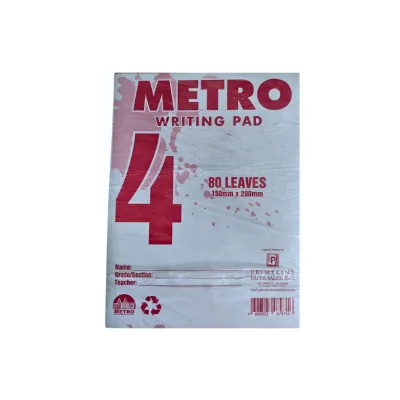
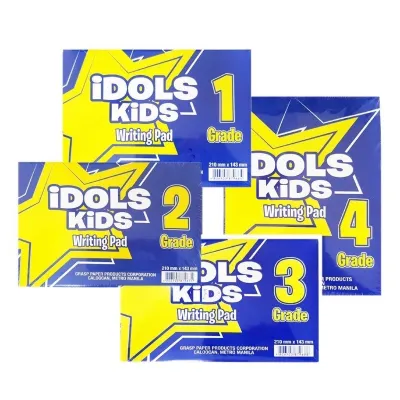

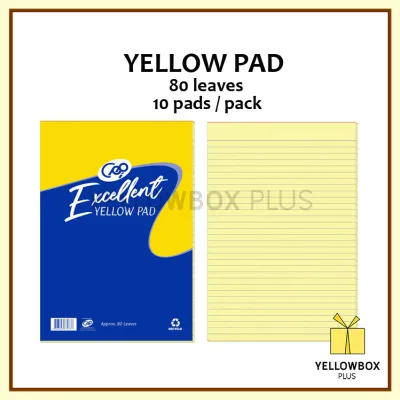
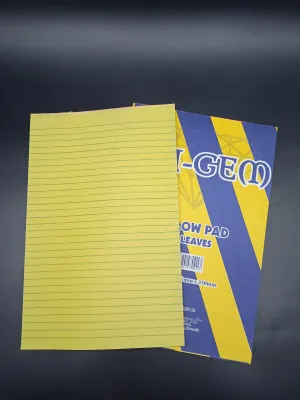
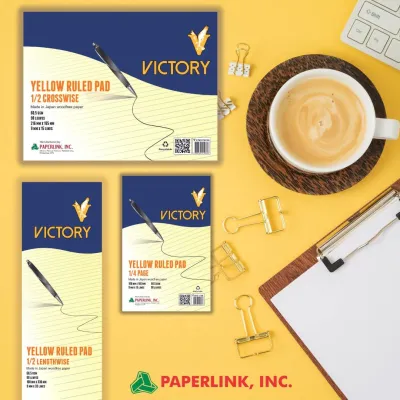
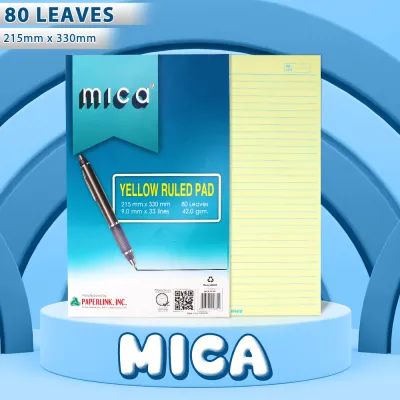
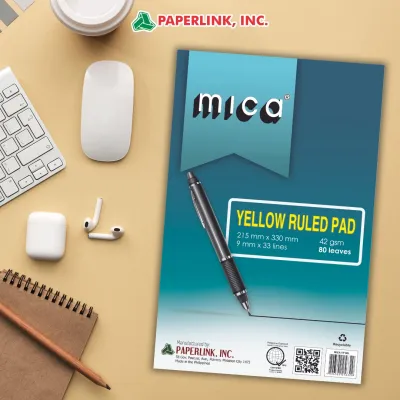
Prices are valid at publication and may change. Please refer to the product page for the latest price.
Size compatibility is another critical factor. While “legal pad” is often used as a generic term, these pads come in distinct sizes, primarily Letter (8.5 x 11 inches) and Legal (8.5 x 14 inches). Sourcing the wrong size can lead to storage issues, as legal-sized sheets will hang out of standard letter-sized folders, desk organizers, and filing cabinets. Furthermore, if your office digitizes documents, ensure the pad size matches the scanning bed dimensions of your multi-function printers to avoid cropped scans.
Binding Styles and Perforation Features
The structural integrity of a yellow pad depends entirely on its binding style. Top-glued pads, also known as padded tops, rely on a flexible adhesive to hold the sheets together. While these pads allow for quick, easy sheet removal, low-quality adhesives can dry out and crack, causing pages to detach prematurely. For pads that will be carried in bags or handled frequently, stitched or tape-bound headers offer superior durability, keeping the sheets securely attached even when the pad is bent or folded.

Perforation quality is what separates professional-grade pads from frustrating alternatives. Look for pads featuring micro-perforation. Unlike standard perforations, which can leave jagged, messy edges or tear the top of the page, micro-perforations consist of tiny, closely spaced punctures. This design ensures that when a sheet is pulled, it detaches cleanly and evenly, leaving a professional edge that is suitable for sharing or filing.
For organizations that archive physical notes, pre-punched options are highly beneficial. Some wholesale yellow pads come pre-punched with two or three holes along the top or side. Purchasing pre-punched pads eliminates the administrative task of manually punching holes before filing sheets into ring binders or archival prong fasteners, saving valuable time in busy school offices and administrative departments.
Evaluating Wholesale Pricing and Order Terms
When evaluating wholesale pricing, the headline price per pad can be misleading. Procurement officers should calculate the total cost of ownership by analyzing minimum order quantities (MOQs) and tiered pricing structures. Suppliers often offer significant discounts when purchasing by the carton or pallet. Compare the cost per dozen or cost per box in Philippine Pesos (₱) to identify the exact threshold where bulk discounts become financially viable for your organization’s consumption rate.
Logistics and delivery terms can heavily impact the final cost. Paper is heavy and bulky, meaning shipping fees can quickly erode any savings gained from a low unit price. When negotiating with wholesale distributors, clarify whether delivery is included in the quoted price or if additional freight charges apply. Lead times are equally important; ensure the supplier can guarantee delivery before peak periods, such as the start of the academic year or fiscal quarters, to prevent supply shortages.
Before committing to a large-scale order, always request physical samples. A reputable wholesale supplier should provide a sample pack containing different paper weights and binding styles. Use this sample to conduct in-house testing. Write on the paper with the exact pens used by your staff, test the tear strength of the perforation, and inspect the consistency of the ruling lines. This hands-on evaluation prevents the costly mistake of purchasing hundreds of unusable pads.
Matching Yellow Pad Features to Your Use Case
Selecting the right yellow pad requires matching the product’s specifications to the specific tasks of your users. For legal departments, executive offices, and formal documentation, prioritize premium heavyweight pads (70 to 80 GSM) in legal size with tape binding and clean micro-perforations. These environments require durable, professional-looking documents that can withstand handling, archiving, and scanning without tearing or smudging.
For high-volume environments, such as university lecture halls, call centers, or general office brainstorming sessions, standard-weight pads (55 to 60 GSM) in letter size are generally the most cost-effective choice. In these scenarios, the speed of note-taking and the sheer volume of paper consumed make unit cost a higher priority than premium paper thickness. Opting for college-ruled formats in these settings will also help users fit more information per page, reducing overall paper consumption.
Finally, establish a clear verification protocol for your procurement team. When the bulk shipment arrives, inspect a random selection of boxes to verify that the paper weight, sheet count, and ruling match the approved sample. Check for any signs of moisture damage or adhesive failure that may have occurred during transit, ensuring that every pad delivered meets your organization’s standards.
Frequently Asked Questions (FAQ)
Are recycled yellow pads suitable for formal office documents?
Recycled yellow pads are an eco-friendly option, but they do have distinct characteristics. The recycling process shortens paper fibers, which can result in a slightly rougher texture and higher porosity compared to virgin paper. This increased porosity can cause ink to feather or bleed more easily, particularly when using gel pens or fountain pens. Additionally, recycled paper may have a slightly duller yellow hue. For formal office documents or client-facing materials, it is advisable to test a sample first to ensure the paper’s opacity and ink compatibility meet your professional standards.
How should I store bulk yellow pads to prevent paper degradation?
Bulk paper products are highly sensitive to environmental conditions, particularly in tropical climates with high humidity. To prevent paper degradation, store your yellow pads in a cool, dry, and well-ventilated storage room. Keep the pads in their original plastic shrink-wrap packaging until they are ready for use; this barrier helps protect the paper from absorbing airborne moisture, which causes warping and page curling. Avoid storing boxes directly on concrete floors, as moisture can seep upward; instead, use pallets or shelving. Finally, keep the storage area away from direct sunlight and extreme heat, which can dry out and weaken the binding adhesives, causing the pads to fall apart.
Community discussion
Share your experience or ask a question. Comments are reviewed before publication.