
Direct Answer: Which Zest O Paint Fits Your Art Style?
Choosing the right painting medium depends on your creative goals, your preferred workflow, and your physical workspace. For artists exploring the Zest O paint lines, the decision comes down to three distinct paths. Watercolor is ideal if you want transparent washes, delicate layers, and a highly portable setup. Acrylic paint is the best choice if you need a fast-drying, highly versatile medium that is easy to clean, forgiving of mistakes, and capable of adhering to almost any surface. Oil paint is the ultimate option if you prioritize rich, blendable colors, heavy textures, and a slow drying time that allows you to work on a piece over several days.
Your optimal medium also depends on how you handle drying times and environmental factors, such as the high relative humidity typical of the climate in the Philippines. While watercolors and acrylics dry rapidly, oils require patience and a dedicated workspace. To explore the complete range of these mediums, verify current stock, and compare starter bundle options, you can visit the zest o official store or authorized online retailers. Selecting the right paint from the start ensures your tools match your creative instincts and technical setup.
Understanding the Core Characteristics of Each Paint Type
To make an informed purchase, you must first understand how these three mediums differ in their chemical composition, handling, and visual behavior. Each paint type utilizes a unique binder to hold its pigments, which directly dictates how the paint behaves on your brush and how it cures on your chosen surface.
Products mentioned in this guide
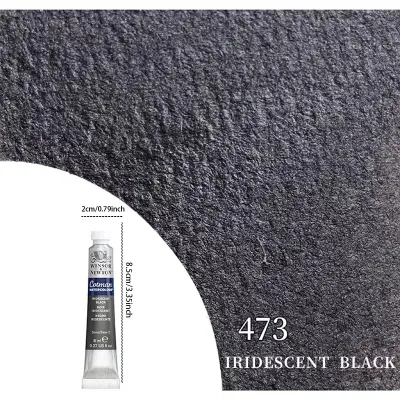
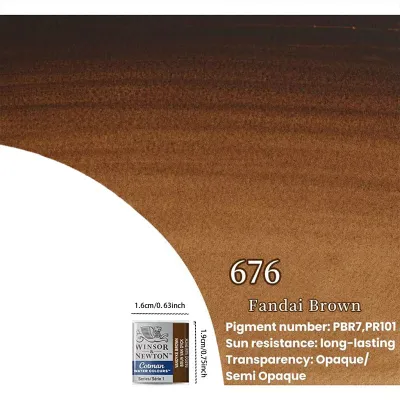
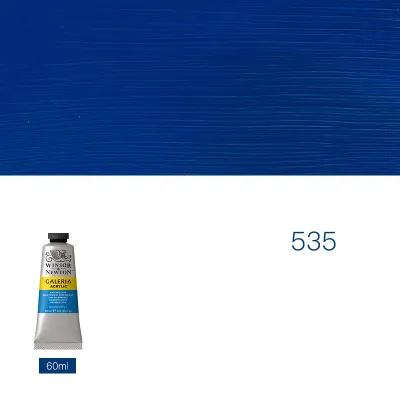
Prices are valid at publication and may change. Please refer to the product page for the latest price.

Watercolor Paint
Watercolor consists of finely ground pigments bound together by water-soluble gum arabic. This formulation makes the medium highly reactive to water, allowing you to re-wet and work with the paint even after it has dried on your palette. Because watercolors are inherently transparent, they rely on the white of the paper to reflect light back through the layers of paint, creating a luminous, airy effect.
When working with Zest O watercolors, mastering the water-to-pigment ratio is essential. Too much water will dilute the pigment excessively, leading to weak colors and potential paper warping, while too little water prevents the paint from flowing smoothly across the page. Layering with watercolor requires careful planning from light to dark values, as you cannot easily cover a dark stroke with a light one. Before purchasing, check the product labels for pigment concentration and lightfastness ratings, which indicate how resistant the paint is to fading when exposed to light over time.
Acrylic Paint
Acrylic paint features pigments suspended in an acrylic polymer emulsion. It is water-soluble when wet, meaning you can thin it with water or acrylic mediums, but it dries to a completely water-resistant, flexible plastic film. This rapid drying process allows you to paint multiple layers in a single session without disturbing the colors underneath.
One of acrylic’s greatest strengths is its versatility. You can apply it in thin, transparent washes to mimic watercolor, or use it straight from the tube to achieve thick, textured strokes similar to oil paint. It is highly durable and does not yellow with age. When browsing acrylic options, verify whether the specific line is formulated for general crafts, paper, canvas, or mixed-media applications, as this affects the paint’s viscosity and adhesion properties.
Oil Paint
Oil paint is a traditional medium where pigments are bound in a drying oil, most commonly linseed oil. Unlike water-based paints that dry through evaporation, oil paint dries through a slow chemical process of oxidation. This characteristic gives oil paint a rich, buttery consistency and allows the colors to remain vibrant and identical from wet to dry, avoiding the dry-color shifts often seen in acrylics.
Because oil paint dries so slowly, it offers unmatched blending capabilities, allowing you to create smooth gradients and soft edges over several days. However, this medium requires specific solvents, such as odorless mineral spirits or turpentine, for thinning the paint and cleaning your brushes. Oil paint also requires a long curing time—often several months—before a varnish can be applied to protect the finished artwork. Always check the manufacturer’s specifications for solvent compatibility and safety requirements before setting up your oil painting workspace.
Testing Your Paint
Because smoothness, bleed resistance, and drying speeds are highly dependent on the specific combination of paint, brush, and paper or canvas, running a small-scale trial is highly recommended. Before starting a major project, paint a small swatch card on your chosen medium to observe how the color settles, how long it takes to become dry to the touch, and whether the paint bleeds through or warps the surface.
Key Decision Dimensions: Matching Paint to Your Needs
Selecting the right paint requires balancing your artistic ambitions with practical considerations such as your current skill level, your physical workspace, and the tools you have available. Evaluating these key dimensions will help you narrow down the options.
Skill Level and Learning Curve
For beginners, acrylic paint offers the gentlest learning curve. Its fast drying time means that if you make a mistake, you can simply wait a few minutes and paint right over it. Cleanup is straightforward, requiring only water and mild soap, making it highly accessible for hobbyists and students.
Watercolor has a moderate to high learning curve due to the unpredictable nature of water. It requires patience and practice to control how washes spread across wet paper, and mistakes are difficult to erase or cover up. Oil painting presents the most complex learning curve, not only because of the blending techniques involved, but also because you must learn to apply the “fat over lean” rule. This rule dictates that flexible, oil-rich layers must be applied over faster-drying, thin layers to prevent the surface from cracking as it cures over time.
Drying Time and Workflow in Tropical Climates
Your local environment plays a significant role in how paint behaves. In the humid tropical climate of the Philippines, drying times can fluctuate. High relative humidity can slightly slow down the evaporation of water-based paints, giving you a bit more time to blend watercolors and acrylics on the surface.
Even with high humidity, acrylics still dry within minutes, which suits artists who prefer a fast-paced, highly structured workflow. Watercolors dry relatively quickly but require precise timing if you plan to blend colors directly on the paper. Oil paint remains wet for days or even weeks regardless of the climate, making it perfect for artists who enjoy a slow, meditative painting process but challenging for those who want to pack away their canvases quickly.
Surface Compatibility and Paper Requirements
Matching your paint to the correct substrate is crucial for achieving professional results and ensuring the longevity of your artwork.
- Watercolors: Require heavy, absorbent paper, ideally 300 gsm (grams per square meter) or higher. Thinner paper will buckle, warp, and pill when exposed to wet washes.
- Acrylics: Can adhere to almost any non-greasy surface, including primed canvas, heavy paper, wood, clay, and leather. This makes acrylics the most versatile choice for craft projects and mixed-media art.
- Oil Paints: Require a properly primed surface, such as canvas or wood panels coated with gesso. If you apply oil paint directly to unprimed paper or canvas, the acidic oils will seep into the fibers, causing them to rot and decay over time.
Always verify the surface preparation guidelines on your paint packaging to ensure proper adhesion and prevent peeling.
Cleanup, Workspace, and Safety
Your physical workspace is a major deciding factor when choosing between water-based and oil-based paints. Watercolor and acrylic painting can be done safely on a kitchen table or in a small bedroom, as they do not produce harmful fumes and clean up easily with water.
Oil painting requires a dedicated, well-ventilated space. Traditional solvents used for thinning oil paints and cleaning brushes release volatile organic compounds (VOCs) that can cause headaches or dizziness if inhaled in enclosed spaces. Additionally, solvent-soaked rags can pose a fire hazard if not stored and disposed of according to local safety guidelines. If you do not have a well-ventilated studio space, watercolors or acrylics are much safer and more practical options.
Price, Value, and Purchasing Considerations
When evaluating the cost of Zest O paints, it is helpful to understand how paint grades affect both the price and your overall painting experience. Paints are generally categorized into student-grade and artist-grade lines.
Student-grade paints are highly budget-friendly, typically ranging from ₱150 to ₱400 for a basic starter set. These paints utilize synthetic fillers and lower pigment concentrations, making them excellent for practice, color mixing exercises, and beginners who want to experiment without worrying about wasting expensive materials. Artist-grade paints feature a much higher pigment load and superior lightfastness, which results in more vibrant colors and smoother blending, but they come at a higher price point, often sold in individual tubes ranging from ₱150 to over ₱500 per tube.
To maximize your value, compare the price per milliliter across different set sizes. Purchasing a starter set that includes essential primary colors, a basic brush, and a mixing palette is often far more economical than buying individual tubes and accessories separately.
To ensure you are purchasing authentic products with accurate pigment labels and safe formulations, always buy from the zest o official store or verified online marketplaces. Purchasing from official channels protects you from counterfeit goods and gives you access to direct customer support, accurate product specifications, and seasonal bundle deals. Because prices and stock availability fluctuate, checking the official storefront regularly will help you secure the best deals for your budget.
Step-by-Step Decision Guide: How to Choose
To simplify your decision, use this step-by-step guide to match your creative preferences and physical setup to the right Zest O paint medium.
Step 1: Evaluate Your Workspace
- If you paint in a small, enclosed room, bedroom, or shared living space: Choose Watercolor or Acrylic. These water-based paints are low-odor, non-toxic, and require no harsh chemical solvents for cleanup.
- If you have a dedicated studio, a well-ventilated room, or an outdoor workspace: You can safely choose Oil Paint, provided you follow proper solvent handling and ventilation guidelines.
Step 2: Consider Your Preferred Painting Speed
- If you want to complete your artwork in one sitting and pack your supplies away immediately: Choose Acrylic or Watercolor. Both mediums dry to the touch within minutes to hours.
- If you want to paint slowly, blend colors seamlessly over several days, and return to your canvas to make adjustments: Choose Oil Paint.
Step 3: Match the Medium to Your Creative Goals
- Choose Zest O Watercolor if: You enjoy delicate, transparent washes, working primarily on heavy paper, and value a highly portable painting setup that you can easily take on travels or use for quick outdoor sketching.
- Choose Zest O Acrylic if: You want a highly versatile, durable paint that can be applied thickly or thinly, works on almost any surface (canvas, wood, paper, or crafts), and offers a forgiving, beginner-friendly learning curve.
- Choose Zest O Oil Paint if: You want to master classic fine art techniques, create rich textures (impasto), achieve smooth gradients, and appreciate the depth of color that only slow-curing oils can provide.
If you are still undecided, starting with a basic student-grade acrylic set is highly recommended. Because acrylic can mimic both watercolor washes and oil textures, it allows you to experiment with different styles and build brush confidence before committing to the specific technical demands of watercolor or oil paint.
Frequently Asked Questions (FAQ)
Can I mix Zest O acrylic and oil paints in the same artwork?
You should never mix acrylic and oil paints directly on your palette, as water-based and oil-based mediums naturally repel each other. Mixing them will prevent the paint from binding correctly, leading to cracking, peeling, and uneven drying. However, you can use them in layers by applying oil paint over a completely dry layer of acrylic paint (often used for quick underpaintings). You must never apply acrylic paint over oil paint, as the water-based acrylic will not adhere to the oily surface and will eventually flake off.
Does Zest O oil paint require turpentine for cleanup?
Traditional oil paints require a solvent to break down the oil binder for thorough brush cleaning and thinning. While turpentine is a traditional option, it produces strong, harsh fumes. Many modern artists prefer odorless mineral spirits (OMS) or specialized oil paint brush cleaners, which are much safer for indoor use. Always read the specific product label on your oil paint tubes, as some modern formulations may support water-mixable oils that can be cleaned with soap and water. Always ensure your workspace is well-ventilated when using any solvent.
What paper weight is best for Zest O watercolors?
For watercolor painting, you should use paper with a weight of at least 300 gsm (grams per square meter) or 140 lb. Heavy paper is essential because watercolor techniques involve applying significant amounts of water. Thinner papers, such as standard sketchpad paper (typically 90 to 150 gsm), will quickly buckle, warp, and tear under wet washes, ruining your artwork. For the best results, look for cold-press paper if you prefer a textured surface, or hot-press paper if you prefer a smooth surface for detailed line work.
Community discussion
Share your experience or ask a question. Comments are reviewed before publication.