
Selecting the right paint medium from the Zest O official store depends entirely on your artistic goals, your skill level, and the physical environment where you plan to paint. Whether you are a student working on a school project, a hobbyist exploring weekend crafts, or an advanced artist painting on canvas, each of these three mediums—watercolor, acrylic, and oil—offers distinct physical properties, drying times, and visual outcomes.
To make the right purchase, you must understand how these paints behave under different conditions. Watercolor is ideal if you want quick, transparent washes on paper with minimal setup and cleanup. Acrylic is the most versatile option, offering fast drying times and opaque, water-resistant layers that adhere to almost any surface. Oil paint is the traditional choice for fine art, providing an exceptionally slow drying time that allows for seamless blending, rich textures, and deep color transitions. By matching these characteristics to your specific project needs and workspace, you can confidently select the perfect paint set for your creative journey.
Core Characteristics: Watercolor vs Acrylic vs Oil
Before purchasing your next set of paints, it is essential to understand the fundamental physical properties of each medium. These characteristics dictate how the paint behaves on your brush, how it adheres to surfaces, and how you must manage your painting process from start to finish.
Products mentioned in this guide
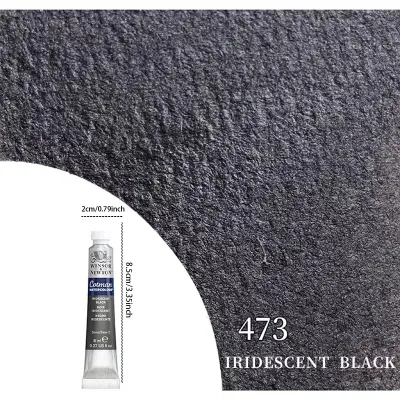
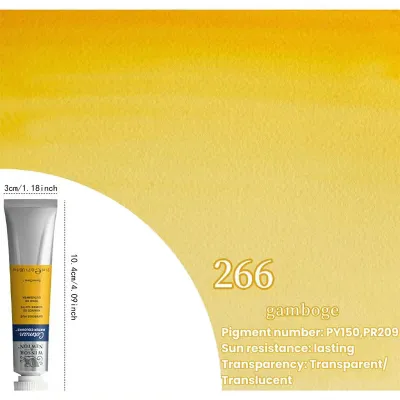
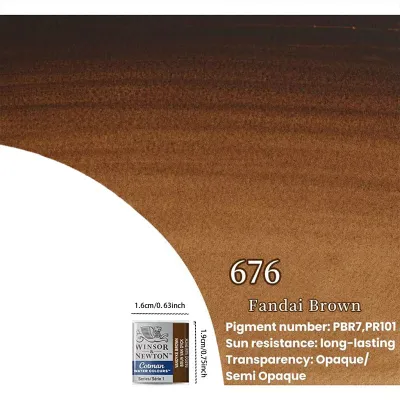
Prices are valid at publication and may change. Please refer to the product page for the latest price.
Drying Time and Blending Capabilities
The drying time of a paint medium is one of the most critical factors influencing your painting workflow. Watercolor dries relatively quickly as the water evaporates from the paper, but it remains completely water-soluble even after it is dry. This unique characteristic allows you to reactivate dry paint on your paper or palette simply by adding water, making it easy to soften edges, blend colors, or lift pigment to correct mistakes. However, this also means you must be careful when layering wet paint over dry areas to avoid accidentally disturbing the underlying work.
Acrylic paint dries very rapidly through water evaporation, forming a permanent, flexible, and water-resistant polymer film. Once dry, acrylic paint cannot be reactivated or altered. This rapid drying time is highly beneficial if you like to build up opaque layers quickly without waiting hours between steps. However, it also means your window for blending colors directly on the canvas is extremely short. To achieve smooth gradients or soft transitions, you must work quickly or use specialized acrylic mediums that slow down the drying process.
Oil paint lies at the opposite end of the spectrum, drying incredibly slowly over days, weeks, or even months. Because oil paint cures through oxidation rather than simple evaporation, the paint remains wet and workable on your canvas for an extended period. This long open time gives you unparalleled freedom to blend colors smoothly, make gradual adjustments, and practice wet-on-wet techniques over multiple painting sessions. The major trade-off is that you must be patient, as you cannot apply fast, dry layers over wet oil paint without risking cracking or muddying your colors.
Opacity, Texture, and Finish
The visual impact of your artwork is heavily determined by the opacity, texture, and finish of the paint you choose. Watercolor is naturally transparent or semi-transparent, relying on the white of the paper beneath to reflect light back through the thin pigment layers. This transparency creates a luminous, airy, and delicate effect that is difficult to replicate with other mediums. Watercolor leaves no physical texture on the surface; it sinks directly into the fibers of the paper, resulting in a completely flat, matte finish.
Acrylic paint offers immense versatility in terms of opacity and texture. It can be applied in thin, transparent glazes that mimic watercolor, or in thick, heavy layers that provide solid, opaque coverage. Because acrylic paint is a plastic polymer, it has a flexible, slightly rubbery body that can retain brushstrokes and palette knife marks if applied thickly. The natural finish of dry acrylic paint can vary from matte to satin or high gloss, depending on the specific product line and any mediums you mix into the paint. Always check the product labels of the Zest O acrylic line to verify the specific finish of the set you are purchasing.
Oil paint is renowned for its rich, buttery consistency and intense depth of color. It naturally has a high pigment load and a thick body, allowing you to create dramatic physical textures (impasto) that retain every detail of your brushwork. When dry, oil paint typically has a rich, lustrous, semi-gloss or high-gloss finish that enhances the depth and vibrancy of the pigments. This characteristic gloss gives oil paintings a traditional, high-end look, though you can adjust the final sheen by applying specialized varnishes once the paint has fully cured.
Cleanup and Solvent Requirements
Maintaining your tools and keeping your workspace clean requires very different approaches depending on the paint medium you select. Watercolor is by far the easiest to clean. Because the binder is water-soluble gum arabic, you can clean your brushes, palettes, and hands with plain water, even if the paint has fully dried. This makes watercolor an exceptionally clean, low-maintenance option for artists of all ages.
Acrylic paint is also water-soluble while wet, allowing you to clean your brushes and palettes easily with soap and water. However, because acrylic cures into a water-resistant plastic, you must clean your brushes immediately after use. If acrylic paint is allowed to dry on your brushes, it will ruin the bristles, requiring harsh chemical brush cleaners to remove. It can also be very difficult to wash out of clothing once it has dried.
Oil paint requires the most intensive cleanup routine and the use of specialized solvents. Because oil paint is not water-soluble, you cannot clean your brushes with water alone; instead, you must use mineral spirits, odorless paint thinner, turpentine, or specialized oil-based soaps to break down the binder. These solvents require careful handling, proper storage, and responsible disposal. Always read the manufacturer’s safety and cleanup instructions on the packaging before working with oil paints and solvents to ensure a safe creative environment.
Matching the Medium to Your Skill Level
Your experience level, patience, and willingness to learn specific techniques should play a significant role in deciding which Zest O paint to buy. Each medium offers a different learning curve and level of forgiveness for mistakes.

Beginners and Casual Crafters
If you are just starting your artistic journey or looking for a fun, low-stress craft activity, watercolor and acrylic paints are generally the most accessible options. Watercolor is highly popular for beginners because it requires very little preparation, has no chemical fumes, and cleans up effortlessly. It is a fantastic medium for learning color theory and water control. However, because watercolor is transparent, it can be somewhat unforgiving; mistakes cannot easily be painted over, and you must plan your light and dark areas carefully from the beginning.
Acrylic paint is widely considered the most forgiving medium for beginners and casual crafters. Because it dries quickly and is completely opaque, you can easily correct mistakes simply by waiting a few minutes for the paint to dry and then painting directly over the error. This makes acrylics highly encouraging for those who want to experiment without fear of ruining their work. Acrylics are also excellent for quick weekend crafts, school projects, and DIY home decor, providing instant satisfaction with their fast drying times and vibrant results.
Intermediate to Advanced Artists
For artists who have developed foundational skills and are looking to explore more complex, traditional techniques, oil paint offers a rewarding challenge. The slow drying time of oil paints is highly prized by advanced artists who want to master classical techniques such as glazing, blending seamless skin tones, or creating rich, textured landscapes. Working with oils requires a deeper understanding of paint chemistry, specifically the “fat over lean” rule, which dictates that slow-drying, oil-rich layers must be applied over faster-drying, lean layers to prevent the painting from cracking as it cures.
Advanced acrylic and watercolor techniques also offer their own distinct complexities for experienced creators. Advanced watercolorists must master the precise timing of wet-on-wet washes, control pigment granulation, and understand how different paper types react to water. Experienced acrylic painters often use a wide array of mediums—such as retarders to slow drying, gesso to prepare surfaces, and pouring mediums for abstract fluid art—to push the boundaries of what the medium can achieve.
Project Types and Surface Compatibility
The surface you intend to paint on and the type of project you are planning are major deciding factors when choosing between watercolor, acrylic, and oil paints. Using the wrong medium on an incompatible surface can lead to poor adhesion, warping, or long-term damage to your artwork.
- Watercolor: This medium is highly specialized and best suited for heavy, absorbent surfaces. It is designed to be used on specialized watercolor paper, typically with a weight of 300 gsm (grams per square meter) or higher, to prevent the paper from warping or buckling under wet washes. Watercolor is perfect for illustrations, sketchbooks, bullet journals, delicate botanical art, and card-making. It does not adhere well to non-porous surfaces like canvas, plastic, wood, or metal unless the surface has been treated with a specialized watercolor ground.
- Acrylic: Acrylic is the ultimate multi-surface medium, making it incredibly versatile for almost any creative project. It adheres beautifully to stretched canvas, canvas boards, wood panels, terracotta pots, fabric, paper, cardboard, and primed metal. Whether you are painting a canvas masterpiece, customizing a pair of canvas shoes, decorating wooden signs, or painting clay pottery, acrylic paint is the go-to choice. It is highly durable and water-resistant once dry, making it suitable for both indoor crafts and light outdoor projects.
- Oil: Oil paint is primarily intended for traditional fine art applications on properly prepared surfaces. It is most commonly used on stretched canvas, canvas boards, or wood panels. Crucially, oil paint cannot be applied directly to unprimed paper, canvas, or wood, as the oils will seep into the fibers, causing them to rot and decay over time. You must ensure your surface is properly primed with gesso before applying oil paint. Always read the product labels and manufacturer instructions to verify surface preparation requirements before starting your oil painting.
Workspace and Climate Considerations in the Philippines
When choosing a paint medium, it is easy to overlook the physical environment where you will be working. In the Philippines, the tropical climate—characterized by high relative humidity and warm temperatures—can significantly alter how paint behaves on your palette and your canvas.
High humidity can slow down the drying time of acrylic paints slightly, but in hot, dry weather or in air-conditioned rooms, acrylics can dry almost instantly on your palette. This rapid drying can lead to wasted paint and make blending difficult. To combat this, many local artists use a wet palette or keep a misting bottle of water nearby to keep their acrylic paints workable. Conversely, high humidity can make watercolor layers take much longer to dry, which can lead to unexpected “blooms” or backruns if you apply a wet layer before the previous one has fully set. You may need to use a hair dryer on a cool setting to speed up drying times during the rainy season.
Oil paints are also highly sensitive to the tropical climate. While the warm weather can speed up the chemical curing process of oil paints slightly, high humidity can sometimes leave the paint feeling tacky for a prolonged period. Proper storage is essential in a tropical climate; keep your paint tubes tightly sealed and stored in a cool, dry place away from direct sunlight to prevent acrylics from drying out inside the tube, watercolors from developing mold, and oil binders from separating or turning rancid.
Furthermore, workspace ventilation is a critical safety consideration, particularly for oil painters in the Philippines. Because oil painting often involves solvents like mineral spirits or turpentine, painting in a closed, air-conditioned room can quickly lead to a buildup of harmful fumes. If you choose to work with oil paints, you must ensure your workspace has excellent ventilation. Paint near an open window, use a fan to direct fumes outside, or consider using water-soluble oil paints or solvent-free mediums to minimize health risks in enclosed spaces.
Buying Guide: Verifying Products from the Zest O Official Store
To ensure you are getting genuine, high-quality art supplies that perform as expected, it is highly recommended to purchase directly from the Zest O official store on your preferred online marketplace or from authorized local craft retailers. Buying from official channels guarantees that the paints have been stored in proper temperature-controlled environments prior to sale, preventing issues like premature drying or pigment separation.
When your paint set arrives, take a few moments to verify the product quality before you begin painting:
- Check the Seal: Inspect each tube or pan to ensure the safety seals are completely intact and there is no leakage.
- Verify the Manufacturing Date: Look for the manufacturing or batch date on the packaging to ensure you are receiving fresh stock.
- Read the Product Labels: Check the labels for important safety warnings, age recommendations (especially if purchasing for young children), and non-toxic certifications (such as the AP seal).
- Inspect the Consistency: Open a tube to ensure the paint has a smooth, consistent texture without excessive separation of the liquid binder from the pigment.
By purchasing from authorized sources and verifying these details, you can protect your investment and enjoy a seamless painting experience.
Final Decision Framework
To help you make your final purchase decision from the Zest O official store, use this straightforward conditional framework based on your project requirements and painting style:
- Choose Watercolor if: You want a highly portable, low-maintenance medium for sketching, journaling, or delicate illustrations on paper, and you enjoy working with transparent layers and easy water cleanup.
- Choose Acrylic if: You need a highly versatile, fast-drying, and durable paint that works on a wide variety of surfaces (canvas, wood, fabric, crafts), allows you to easily paint over mistakes, and cleans up with simple soap and water.
- Choose Oil if: You are focused on traditional fine art, require extended blending times for smooth gradients and rich textures, and have a dedicated, well-ventilated workspace where you can safely handle and store solvents.
- Verify first if: You are unsure about the specific surface preparation requirements (such as applying gesso) or the safety protocols for using solvents. Always consult the product packaging or manufacturer instructions before starting your project.
Community discussion
Share your experience or ask a question. Comments are reviewed before publication.