
Selecting the right notebook binder is more than just a matter of choosing an attractive cover; it is a practical decision that directly impacts how easily you can turn pages, how well your notes resist tearing, and how simple it is to find refill paper. The core difference between 2-ring, 3-ring, and 4-ring binders lies in how they distribute weight and align with regional paper standards. Choosing the correct format requires balancing your need for page stability against the availability and cost of compatible paper refills.
Structural Differences and Paper Compatibility
The mechanical design of a binder dictates which paper sizes it can hold and how well those pages survive daily use. A 2-ring binder typically features a spacing of 80mm between the two rings. This is a common international standard, particularly for archiving documents in folders, but it is less common for active, daily note-taking. Because there are only two points of contact, the paper experiences significant stress at the punch holes, making pages prone to tearing when flipped quickly.
In contrast, 3-ring binders are the standard for Letter-sized paper (8.5 by 11 inches), featuring a spacing of 4.25 inches (approximately 108mm) between rings. This format is highly prevalent in academic and office environments that rely on standard letter dimensions. The three points of contact distribute the weight of the paper more evenly than a 2-ring system, reducing the likelihood of the paper tearing at the margins.
Products mentioned in this guide
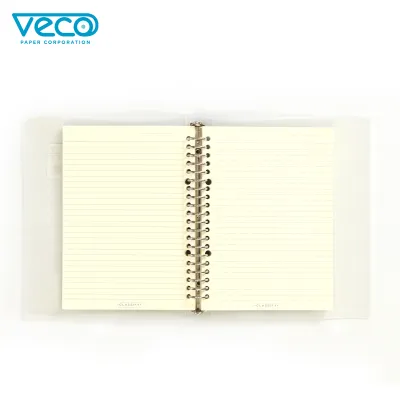
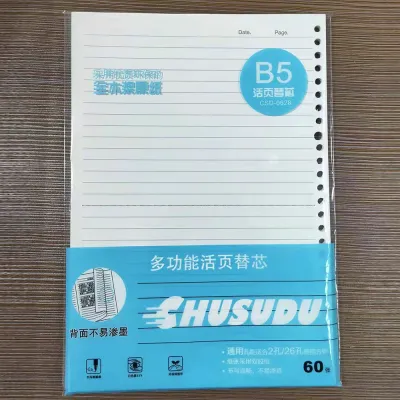
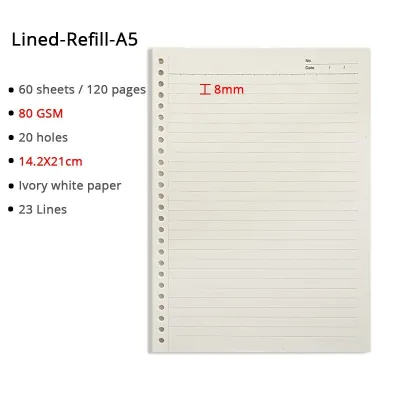
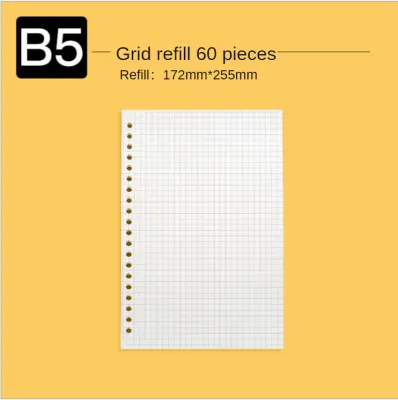
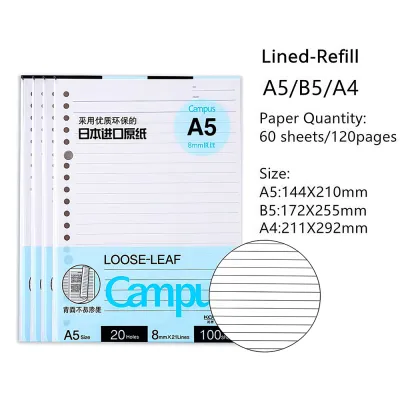
Prices are valid at publication and may change. Please refer to the product page for the latest price.
For those using A4 paper (210 by 297 mm), the 4-ring binder is a highly secure option. It utilizes four rings spaced 80mm apart, which provides the most robust support. The weight of the paper is distributed across four distinct points, minimizing the physical stress on any single punch hole.
In tropical climates like the Philippines, high humidity can soften paper fibers over time. When paper absorbs moisture from the air, it loses some of its structural integrity, making the edges around punch holes highly susceptible to tearing under tension. A mismatch between your paper’s pre-punched holes and your binder’s ring configuration will ruin your pages, so verifying the exact dimensions and standards of both is essential before making a purchase.
Capacity, Stability, and the Page-Turning Experience
When evaluating how much a notebook binder can hold, avoid relying on generic page-count estimates printed on packaging. Instead, check the manufacturer’s specifications for the exact ring diameter and spine width. Paper thickness, measured in grams per square meter (gsm), varies widely; a binder that holds 150 sheets of thin 60 gsm paper might only accommodate 100 sheets of premium 100 gsm paper.

The shape of the rings also plays a significant role in capacity and stability. Round rings (O-rings) are common but allow pages to hang down, which can cause the bottom sheets to crumple against the spine. D-ring binders align pages along a straight edge, allowing for higher capacity and keeping the paper stack perfectly flat.
The number of rings also dictates the smoothness of your page-turning experience. In a 2-ring binder, pages tend to sag in the middle because there is no central support. This sagging causes the paper to catch or snag on the rings when you try to flip through your notes. A 4-ring binder keeps the inner margin of the paper perfectly straight, allowing pages to glide smoothly along the rings without catching.
To test a binder’s stability before committing to a purchase, perform a simple observable check. Open the binder fully on a flat surface, load it with your desired volume of paper, and lift it by the spine. Observe whether the rings remain tightly closed or if they gap open under the weight. If the rings gap even slightly, the paper will slip out or snag during daily use.
Portability, Refill Availability, and Cost
Daily portability is another key factor to consider. Binders with more rings require larger, heavier metal mechanisms, which adds noticeable weight to your bag. If you travel frequently or move between classrooms, a lightweight 2-ring shell may feel more comfortable to carry than a heavy-duty 4-ring alternative.
However, portability must be weighed against the availability of refills. Before choosing a binder format, visit your local stationery stores and browse online marketplaces to see which refill papers are most accessible. In many regions, 3-ring loose-leaf paper is incredibly easy to find, whereas 4-ring refills or specialized multi-hole paper may require ordering from specialty shops.
Do not forget to compare the upfront cost of the binder shell against the ongoing expense of refills in ₱. A cheap binder shell might seem like a bargain, but if it requires proprietary or hard-to-find refill paper, you will end up spending significantly more over the lifespan of the notebook. Standardized formats generally offer the most affordable refill options.
Decision Framework: Matching the Binder to Your Workflow
To streamline your choice, match the binder format directly to your specific workflow and organizational habits.
Choose a 2-ring binder if you prioritize a lightweight, compact setup for archiving documents or storing notes that you do not need to flip through constantly. This format is ideal for low page volumes where portability is more important than heavy-duty page stability.
Choose a 3-ring binder if you need a reliable, everyday option for school or office work. This format offers an excellent balance of page stability and standard compatibility, making it easy to find affordable refill paper and standard office accessories.
Choose a 4-ring binder if you manage large volumes of notes, use A4-sized paper, or want to prevent your pages from sagging and tearing. The four points of contact provide maximum support, making this the best choice for heavy-duty use and long-term archiving.
Before making your final decision, verify what tools you already own. If you already have a high-quality hole puncher or a large stockpile of pre-punched paper, choose the binder format that matches your existing equipment to save money and avoid compatibility issues.
Frequently Asked Questions (FAQ)
Can I use a standard office hole punch for my notebook binder?
Standard office hole punches are typically designed for specific regional standards, such as a fixed 2-hole punch or a fixed 3-hole punch. They may not align correctly with the ring spacing of a 4-ring binder or specialized multi-hole formats. To ensure accurate alignment, check if your office puncher has adjustable punching heads, or invest in a dedicated multi-hole punch designed specifically for your binder’s format.
How do I fix a stuck or misaligned binder ring?
If a binder ring is stuck or misaligned, start with a visual inspection to check for trapped paper debris, dust, or bent metal components along the spine mechanism. Gently guide the misaligned ring back into place using light manual pressure, ensuring you do not force it. If the mechanism requires excessive force or if the metal is severely warped, avoid using pliers or heavy tools, as this can permanently damage the spring mechanism; instead, consider replacing the binder shell to protect your pages from tearing.

Community discussion
Share your experience or ask a question. Comments are reviewed before publication.