
Selecting a 3D birthday cake envelope that can beautifully accommodate handwritten calligraphy requires balancing visual spectacle with writing utility. To ensure your lettering remains sharp, legible, and elegant, you must look for an envelope constructed from heavyweight, sized paper with a smooth finish, a design that offers flat writing zones, and structural support that prevents the 3D element from being crushed. Because 3D pop-up cards and their matching envelopes often feature complex folds and thick paper layers, choosing the right material combination prevents common issues like ink feathering, bleeding, or physical damage to the paper.
In tropical climates like the Philippines, high relative humidity can significantly slow down ink drying times and make paper fibers more receptive to moisture, which amplifies the risk of ink bleeding. Understanding how paper weight, texture, and envelope construction interact with your calligraphy tools is the key to creating a memorable, hand-lettered birthday greeting that stands the test of time.
How Paper Texture and Weight Affect Calligraphy Ink
The physical surface of an envelope dictates how your calligraphy pen behaves and how the ink settles into the fibers. When working with a 3D birthday cake envelope, the outer paper must be receptive to your specific writing medium, whether you are using a flexible dip pen, a brush pen, or a fine liner.
Products mentioned in this guide
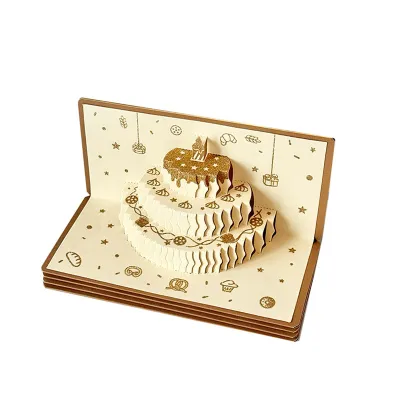
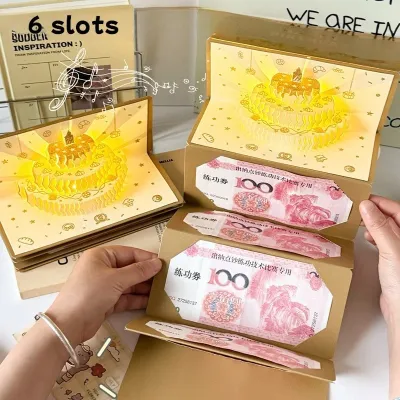
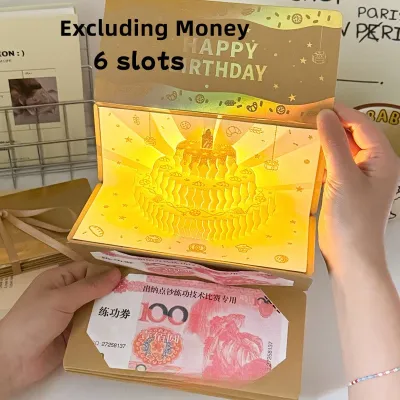
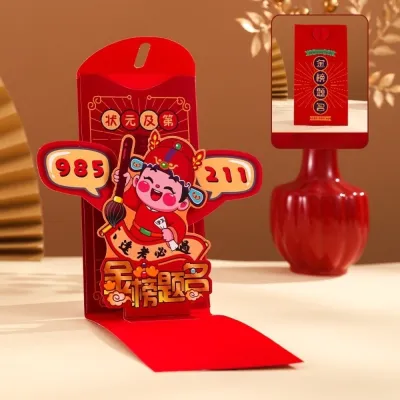
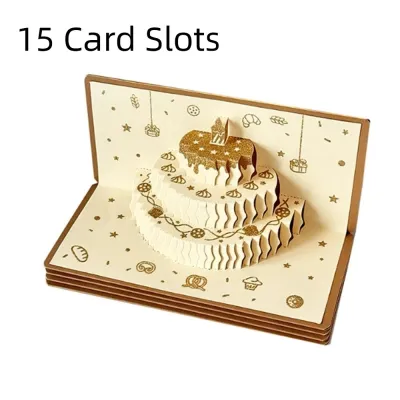
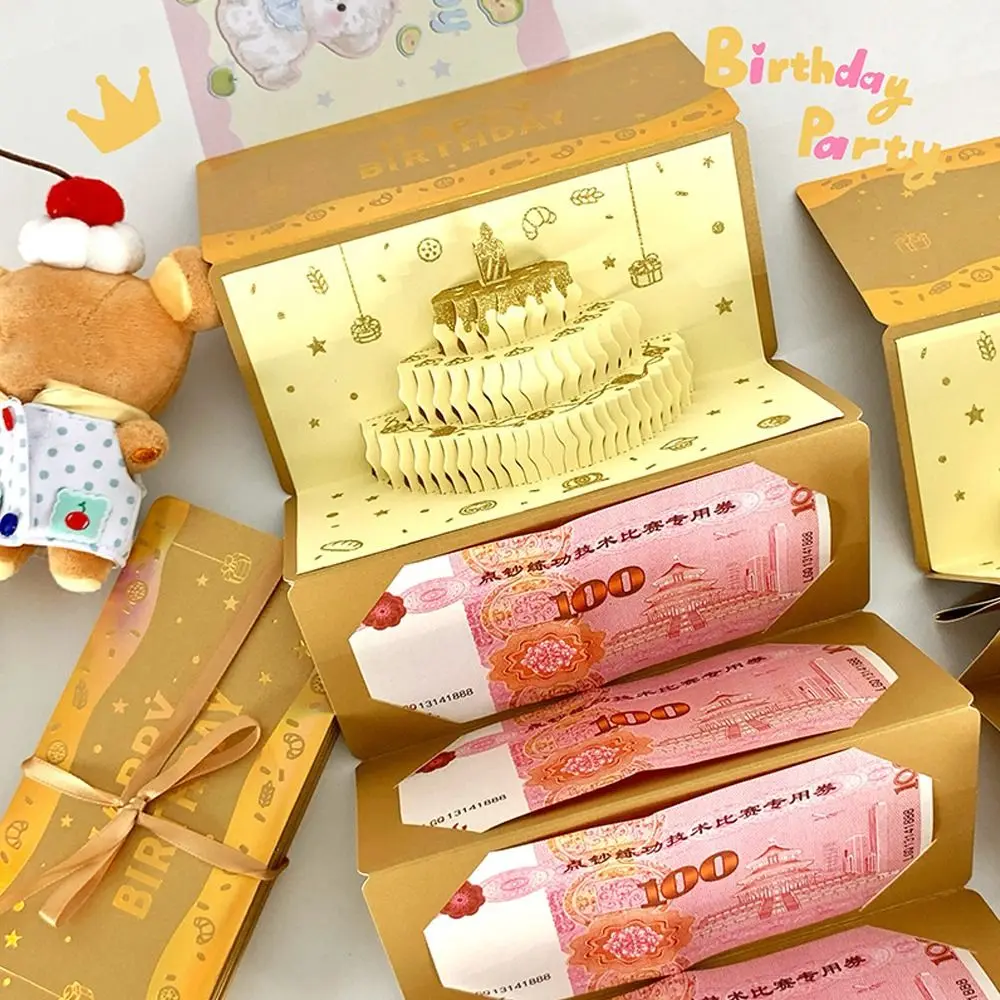
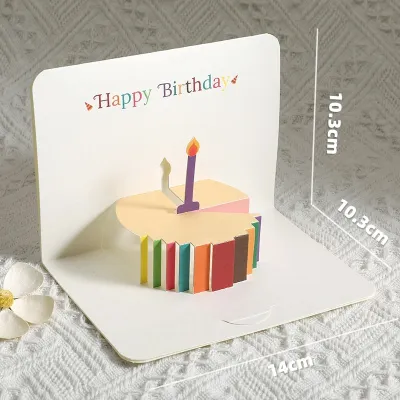
Prices are valid at publication and may change. Please refer to the product page for the latest price.
Surface texture plays a decisive role in stroke precision. Heavily textured papers, such as rough cold-press or handmade cotton sheets, present physical obstacles for fine calligraphy nibs. Flexible pointed nibs can easily snag on uneven fibers, causing ink splatters, ruined tines, or sudden pooling. Conversely, a smooth, hot-press or calendered finish allows both metal nibs and delicate brush pen tips to glide effortlessly, ensuring clean hairline strokes and consistent ink flow.
Paper weight, measured in grams per square meter (GSM), directly determines how well the envelope handles wet ink. Standard mailing envelopes often range from 80 GSM to 100 GSM, which is typically too thin for heavy calligraphy inks and can lead to severe bleed-through or ghosting on the reverse side. For hand lettering, seek out envelopes made from heavy cardstock or premium cover paper, ideally ranging from 120 GSM to 250 GSM. This thickness provides the structural integrity needed to support the folded 3D cake mechanism while remaining robust enough to absorb wet inks without warping.
Sizing is another critical factor in paper manufacturing that controls absorption. Sizing refers to chemical additives applied internally or on the surface of the paper to resist liquid penetration. Highly absorbent, unsized paper acts like paper towels, pulling the ink rapidly outward along the fibers in a process known as feathering, which blurs the sharp edges of your letters. Sized papers keep the ink sitting on the surface longer, allowing it to dry into crisp, well-defined letterforms.
Evaluating Interior Space and 3D Structural Limits
A 3D birthday cake envelope is not a simple flat sleeve; its internal pop-up mechanisms, folded paper layers, and structural supports create unique spatial challenges. Before you begin writing, you must assess how these internal components affect the available writing area and the structural safety of the piece.

The primary trade-off of 3D bulk is the unevenness it introduces to the writing surface. When a 3D cake structure is folded flat inside the envelope, it creates localized thick spots and ridges. Attempting to write directly onto an envelope that contains a collapsed pop-up element underneath will result in bumpy, uneven strokes, as your pen tip jumps over the hidden internal seams.
To overcome this challenge, identify dedicated flat writing zones on the envelope. Look for designs that feature a wide, flat back panel, an extended closing flap, or a separate pocket designed to hold a flat card. Writing on these designated flat areas before assembling or inserting the 3D elements ensures that your hand has a stable, uniform surface to rest on, which is essential for maintaining consistent slant and pressure in your calligraphy.
Protecting the 3D element itself is equally vital. The envelope should provide enough depth—often achieved through pre-scored side folds or gussets—so that inserting your completed handwritten card does not compress, crease, or prematurely tear the delicate paper cake structure inside. If the envelope is too tight, the friction of sliding the card in can snag the intricate paper cuts of the 3D cake, ruining both the calligraphy and the pop-up mechanism.
Key Features to Check When Browsing Stationery Stores
When shopping for a 3D birthday cake envelope in physical stationery boutiques or browsing online marketplaces, having a concrete checklist of physical specifications will help you identify high-quality options that support calligraphy.
Paper Material and Finish
The raw material of the paper dictates its performance under wet ink. Cotton-blend papers are highly prized in calligraphy because their long, natural fibers offer excellent durability, flexibility, and a luxurious tactile feel. They absorb ink predictably and resist warping. Standard wood-pulp cardstock can also work well, provided it has been properly sized and calendered.
However, you should carefully avoid envelopes with glossy, metallic, or heavily coated plastic-like surfaces. While these finishes can look festive, they are highly hydrophobic. Water-based calligraphy inks, fountain pen inks, and brush markers will bead up, pool, or smear on coated papers instead of binding to the fibers. If you must use a metallic or dark-colored envelope, ensure it has a matte, uncoated finish, and pair it with highly opaque, pigment-based acrylic inks or metallic gel pens rather than standard water-based dye inks.
Seam and Fold Quality
Examine how the envelope is constructed and folded. High-quality 3D envelopes feature clean, pre-scored folds that allow the paper to bend easily without cracking or tearing the surface fibers. Paper cracking not only looks unprofessional but also exposes raw, unsized inner fibers that will cause ink to bleed uncontrollably if your pen crosses the fold line.
Additionally, inspect the glued seams. The adhesive should be applied neatly and sparingly, keeping the edges flat. Avoid envelopes where excess glue has seeped onto the writing areas or where the glued seams create prominent, rigid ridges directly beneath the surface where you intend to write.
Closure Mechanism
The closure mechanism must secure the bulky 3D envelope safely without requiring excessive force that could flatten or crush the internal paper cake. Look for envelopes with gentle tuck flaps, magnetic snaps, or light, peel-and-stick adhesive strips.
Avoid closure designs that require heavy pressure to seal, such as aggressive snap buttons or thick, rigid metal clasps. If you choose an adhesive closure, ensure the glue strip is covered with a protective backing paper that you can easily peel off after your calligraphy is completely dry.
Best 3D Envelope Styles for Calligraphy Inserts
Not all 3D envelopes are structured the same way. Categorizing these envelopes by their structural design helps you select the most practical format for your calligraphy goals.
Envelopes with Detachable Insert Cards
For calligraphers of all skill levels, envelopes that feature a completely separate, detachable blank insert card are the most forgiving and practical option. In this design, the 3D pop-up cake is permanently attached to the inside of the envelope or folder, but a dedicated slot holds a separate, flat piece of cardstock meant for your personal message.
This style is highly recommended because it allows you to write your calligraphy on a completely flat, isolated sheet of paper. You can easily tape the insert card to your writing desk, use guidelines underneath it with a light pad, or practice your layout multiple times. If you make a lettering mistake, you only risk ruining the single insert card rather than the entire expensive 3D envelope structure. Once the ink is dry, you simply slide the card back into its designated slot.
Flat-Back Pop-Up Cake Envelopes
Flat-back pop-up envelopes confine the 3D cake structure entirely to the front cover or the interior centerfold, leaving the back panel of the envelope completely flat. This design offers a traditional writing surface on the reverse side of the envelope while still delivering a delightful 3D surprise when opened.
When using this style, you can write directly on the flat back panel of the envelope before the 3D elements are fully expanded. However, keep in mind that if the interior 3D cake folds inward and rests against the back panel when closed, you must complete all your writing before assembling or folding the envelope. Writing on it afterward risks pressing your pen nib directly into the hidden folds of the cake, which can damage the paper structure.
Expandable Gusset 3D Envelopes
If you plan to include a thick, multi-page calligraphy letter, a heavy watercolor card, or if the 3D birthday cake structure itself is exceptionally thick, an expandable gusset envelope is the ideal choice. These envelopes feature V-shaped folds along the sides and bottom, allowing the envelope to expand in depth, much like a small accordion folder.
The primary benefit of a gusseted envelope is that it keeps the interior writing space uncompressed. It prevents the thick 3D elements from bulging awkwardly against the outer walls of the envelope, which can distort your calligraphy or cause the seams to burst open during transit. This style provides a spacious, protective pocket that preserves both your delicate hand lettering and the intricate paper engineering of the pop-up cake.
How to Test Your Envelope Before Writing
Before committing your final, painstakingly crafted calligraphy to a premium 3D envelope, performing a few simple, low-risk tests will save you from costly mistakes and ruined stationery.
First, conduct a discreet ink test. Locate a hidden area on the envelope, such as the inside of the bottom flap, a small corner that will be covered when sealed, or use a scrap piece of the exact same paper stock if provided by the manufacturer. Apply a few small strokes of your chosen pen and ink. Observe the paper closely for a few minutes to check for feathering (ink spreading along the fibers) and turn the paper over to check for bleed-through.
Next, match your pen nib to the tested paper texture. If your test strokes reveal that the paper is highly textured or slightly fibrous, avoid using delicate, flexible copperplate dip nibs that can easily catch. Instead, opt for a firmer monoline pen, an archival gel pen, or a high-quality brush pen with a synthetic nylon tip that can handle slight surface variations without fraying.
Finally, always use a clean sheet of blotter paper or a thick backing sheet when writing. Place this protective sheet directly inside the envelope, underneath the panel you are writing on. This simple step prevents any wet ink from seeping through the top layer of paper and transferring onto the delicate 3D cake structure or the opposite side of the envelope, keeping your entire presentation pristine.
Frequently Asked Questions (FAQ)
What type of pen ink is safest for 3D paper cake envelopes?
For untested or unknown paper stocks commonly used in 3D envelopes, the safest choices are quick-drying, low-water-content inks. Pigment-based fineliners, archival gel pens, and acrylic paint markers are ideal because their pigments sit on top of the paper fibers rather than soaking deep into them, minimizing the risk of bleeding and feathering. Traditional dye-based fountain pen inks or highly fluid dip pen inks should be reserved exclusively for envelopes that you have verified to be made of heavily sized, high-GSM cardstock or premium cotton-blend papers.
Can I use a wax seal on a 3D birthday cake envelope?
While a wax seal adds a beautiful, classic touch, applying hot wax directly onto a bulky 3D envelope can be challenging and risky. The uneven surface created by the collapsed 3D cake inside makes it difficult to press a wax stamp flat, which can result in an incomplete or smeared seal. Furthermore, the heat and pressure of the hot wax can warp or crush the delicate paper mechanisms underneath. To safely use a wax seal, apply it to a separate paper belly band that slides over the envelope, a flat tuck-flap, or an attached gift tag, ensuring your 3D cake remains completely undamaged.

Community discussion
Share your experience or ask a question. Comments are reviewed before publication.