
Starting a bullet journal is an exciting way to organize your life, and adding a cute sticker book can make the process both functional and visually rewarding. However, with countless options available on online marketplaces and in local craft stores, it is easy to feel overwhelmed by the sheer variety of designs, materials, and formats. Rather than relying on a rigid ranked list, this guide focuses on the practical selection criteria, theme coherence, and physical checks you need to find the right sticker books that match your journaling style and skill level.
For a beginner, the ideal sticker book acts as a bridge between creative expression and functional planning. It eliminates the pressure of drawing perfect layouts by hand while allowing you to maintain a consistent aesthetic across your weekly and monthly spreads. By understanding what to look for in terms of material quality, adhesive properties, and design utility, you can build a collection that enhances your productivity without cluttering your workspace or draining your budget.
What Makes a Sticker Book Ideal for Beginners?
When you are new to bullet journaling, the physical usability of your stickers is just as important as their visual appeal. A common frustration for beginners is dealing with stickers that tear, curl, or refuse to separate from their backing sheets. High-quality sticker books feature sturdy backing paper that remains flat, allowing you to peel designs away cleanly without bending the corners of adjacent stickers. If the backing is too thin or poorly waxed, the adhesive can cling too tightly, leading to ripped edges and wasted designs.
Products mentioned in this guide
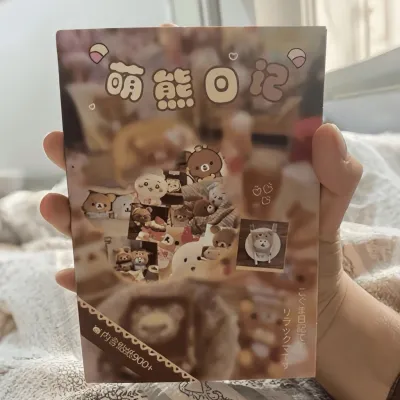
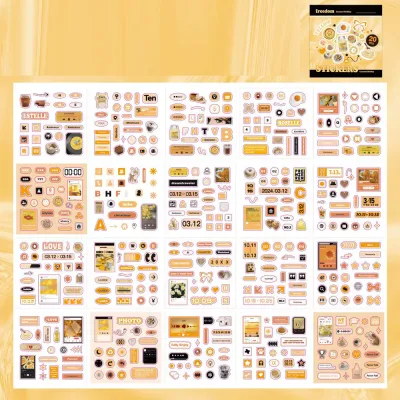
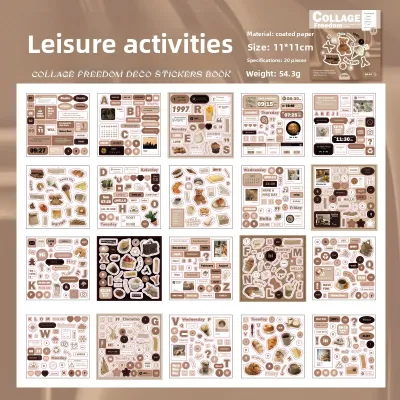
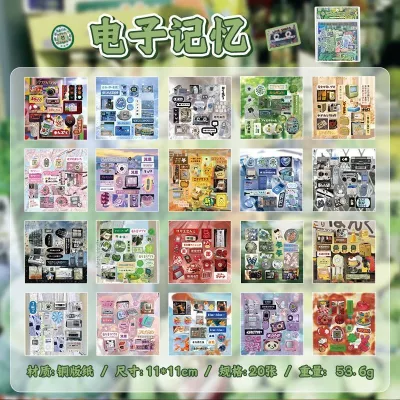
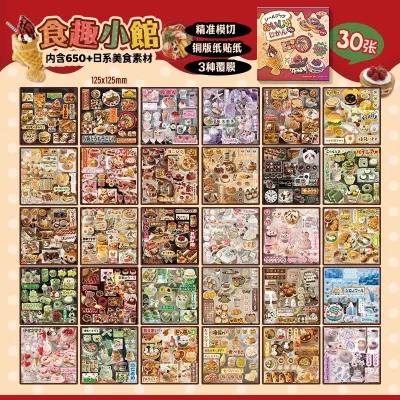
Prices are valid at publication and may change. Please refer to the product page for the latest price.
Understanding the cutting format of your sticker book is another crucial step in ensuring a smooth journaling experience. Most sticker books utilize either die-cut or kiss-cut formats. Die-cut stickers are cut completely through both the sticker paper and the backing, resulting in individual, loose pieces. While charming, these can be difficult to peel and easily misplaced. Kiss-cut stickers, which are the standard for high-quality sticker books, are cut only through the top adhesive layer, leaving the backing sheet intact. This format allows you to see the entire collection at a glance and peel individual elements quickly, significantly increasing your journaling speed and layout precision.
Size compatibility is the final structural element to consider. Most bullet journalers prefer A5-sized notebooks, which typically feature a five-millimeter dot grid. If your stickers are too large, they will overwhelm your daily logs and leave little room for actual writing. Look for sticker books specifically designed for planners or journals, as these usually feature functional elements like headers, trackers, and icons scaled precisely to fit within standard grid dimensions. Checking the product specifications for individual sticker measurements ensures that your decorative borders and habit trackers align neatly with your journal’s layout.
Key Features to Check Before Buying
The material and finish of your stickers dictate how they will look on the page and how they will interact with your writing instruments. Matte sticker paper is highly favored by bullet journalers because of its paper-like texture, which blends seamlessly with the journal page. Matte surfaces are generally receptive to various inks, allowing you to write directly on top of them. Glossy stickers, on the other hand, offer vibrant color reproduction and a shiny finish, but they require specialized permanent markers to write on and can create unwanted glare under desk lamps.

Adhesive strength is another critical factor, especially when considering the paper weight of your journal. Standard bullet journals range from thin eighty-gram-per-square-meter paper to thick one-hundred-and-sixty-gram-per-square-meter options. If you use a journal with thinner pages, highly permanent adhesives can cause the paper to warp or even bleed oils through to the reverse side over time. Opting for sticker books that feature mild, repositionable adhesives allows you to correct placement mistakes without tearing your journal pages. This flexibility is incredibly valuable for beginners who are still experimenting with page layouts and spacing.
Before making a purchase, examine the sheet layout and grid alignment of the sticker book. High-quality books maintain a consistent border around each kiss-cut design, ensuring that the cutting blade did not drift during manufacturing. If the cuts are misaligned, you may end up with stickers that have uneven white borders or designs that are partially cut off. Additionally, look for books that group similar shapes and sizes together, leaving adequate spacing between individual stickers so you can grip and peel them without accidentally lifting neighboring designs.
Popular Themes and Styles to Explore
A well-rounded sticker book should offer a balanced mix of functional and decorative elements. Functional stickers include date headers, day-of-the-week labels, habit trackers, and small icons representing daily chores, appointments, or moods. These elements save time and keep your journal organized. Decorative stickers, such as illustrations, quotes, and borders, add personality and visual interest. As a beginner, look for books that dedicate at least half of their pages to functional designs, ensuring that your purchase serves a practical purpose in your daily planning routine.
Exploring different aesthetic categories can help you identify your personal journaling style. Minimalist cute designs often feature simple line drawings, pastel tones, and clean typography, making them highly suitable for clean, uncluttered layouts. Vintage themes utilize sepia tones, retro ephemera, and classic illustrations, which pair beautifully with kraft paper inserts. Botanical designs offer delicate floral and leaf patterns that bring a natural, calming feel to your pages. Character-based sticker books feature adorable animals or cartoon figures, adding a playful and whimsical touch to your weekly spreads.
Color palette selection plays a vital role in maintaining page balance and visual harmony. Using too many contrasting colors on a single spread can make your journal look chaotic and difficult to read. Many beginner-friendly sticker books are organized by color family or seasonal themes, allowing you to stick to a cohesive palette for each monthly setup. Choosing a book that features a mix of soft neutral tones and a few coordinating accent colors will help you create professional-looking spreads without requiring advanced design skills.
How to Build Your Starter Collection on a Budget
Building a functional sticker collection does not require a massive financial investment. The key is to prioritize multi-purpose sticker books over highly specialized ones. Look for books labeled as “all-in-one” or “planner companion” sets, which typically feature a diverse mix of headers, functional icons, decorative illustrations, and colorful blank labels. These versatile books allow you to experiment with different layouts and styles before committing to a specific aesthetic, saving you from buying multiple single-theme books that you might only use once.
When comparing prices on online marketplaces, look past the initial price tag in ₱ and calculate the value based on the sheet count or the total number of stickers. A book priced at ₱300 containing fifty sheets of high-quality, kiss-cut stickers offers far better value than a ₱150 book that only contains ten sheets of thin, easily torn paper. Additionally, check if the book includes duplicate sheets of high-use items like date headers and habit trackers, as you will consume these much faster than purely decorative illustrations.
Avoid the common beginner trap of purchasing highly specific, single-use theme books too early. While a sticker book dedicated entirely to a specific holiday or a niche hobby might look incredibly cute, its utility is limited to a very short period. Instead, focus your budget on books with broad, year-round appeal, such as seasonal transitions, daily routines, and general productivity themes. This approach ensures that every sticker in your collection has a high probability of being used, maximizing your investment and keeping your storage clutter-free.
Where to Shop and What to Verify
Navigating online marketplaces requires a discerning eye to avoid low-quality listings and misleading product images. Sellers often use highly stylized, brightened digital mockups that do not accurately represent the physical product. To verify the actual quality, always scroll down to the user reviews and look for real-life photos uploaded by previous buyers. These photos will reveal the true color saturation, the thickness of the paper, and whether the kiss-cuts are aligned correctly or suffer from manufacturing defects.
Always verify the exact dimensions and sheet counts listed in the product description. Thumbnail images can be highly deceptive, often making a pocket-sized sticker book appear as large as an A4 notebook. Check the product details for measurements in centimeters or inches, and compare them to your journal size to ensure a good fit. Additionally, confirm the total sheet count and whether the pages are single-sided or double-sided, as this directly impacts the variety and volume of stickers you will receive.
In tropical climates like the Philippines, shipping and packaging standards are crucial for preserving stationery quality. High humidity and rough transit can cause sticker sheets to warp, curl, or stick together before they even reach your doorstep. Look for sellers who package their sticker books with stiff cardboard backings or bubble wrap to prevent bending. Reading customer feedback regarding shipping packaging will help you choose reliable shops that deliver your sticker books in pristine, flat condition, ready for your bullet journal.
Frequently Asked Questions (FAQ)
Can I use regular stickers instead of dedicated sticker books?
While you can certainly use regular craft stickers in your bullet journal, dedicated sticker books offer several distinct advantages for beginners. Regular stickers are often designed for scrapbooking or envelope sealing, meaning they are typically thicker, heavier, and feature highly permanent adhesives that can cause thin journal pages to warp or bleed. Furthermore, generic sticker packs rarely include the functional planning elements—such as date headers, habit trackers, and tiny task icons—that make bullet journaling efficient. Dedicated sticker books are specifically engineered with thin, lightweight paper and mild adhesives, ensuring your journal remains flat and easy to write in.
How should I store my sticker books to keep them in good condition?
Proper storage is essential for maintaining the adhesive quality and color vibrancy of your sticker books, especially in warm and humid tropical environments. Store your sticker books flat rather than upright to prevent the pages from sagging, curling, or warping over time. Keep them in a cool, dry place away from direct sunlight, which can fade the printed designs and dry out the adhesive, making the stickers brittle and difficult to peel. If you live in an area with high humidity, storing your collection in a sealed plastic container with a few silica gel packets will help absorb excess moisture and prevent the sheets from sticking together.
What pens work best on matte sticker paper?
Matte sticker paper is highly versatile, but the most suitable pen choice depends on the specific paper texture and ink drying time. Water-based gel pens and fine-liners work beautifully on high-quality matte paper, but they may require a few seconds of drying time to prevent smudging. For immediate smudge resistance, classic ballpoint pens or oil-based felt-tip markers are excellent choices. It is always best practice to perform a quick ink test on a small, unused corner of a sticker sheet or on the border paper before writing important notes on your layouts, ensuring your handwriting remains clean and legible.

Community discussion
Share your experience or ask a question. Comments are reviewed before publication.