
Finding the right faux fur fabric by the yard in the Philippines requires a balance of aesthetic vision and practical planning. Whether you are sourcing materials from bustling textile districts like Divisoria, local fabric boutiques, or online marketplaces, the variety of synthetic furs can be overwhelming. Selecting the ideal fabric involves understanding how pile height, fiber composition, and backing structures perform under local tropical conditions.
Because the Philippine climate is characterized by high humidity and warm temperatures, your choice of faux fur must account for heat retention and breathability, especially for wearable items. By learning to identify the physical characteristics of different fur types, you can ensure your sewing, crafting, or upholstery projects are both durable and comfortable to use.
Identifying Faux Fur by Pile Height and Texture
Pile height refers to the length of the synthetic fur fibers extending from the fabric backing. Categorizing faux fur by its pile height is the first step in matching the material to your project’s scale and functional needs.
Products mentioned in this guide
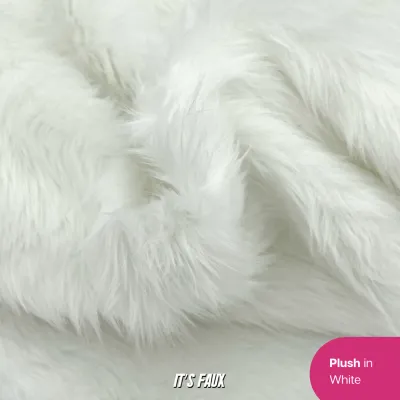
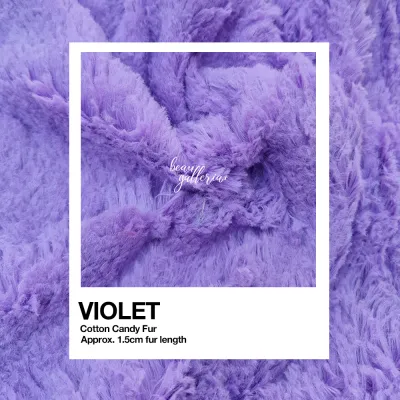
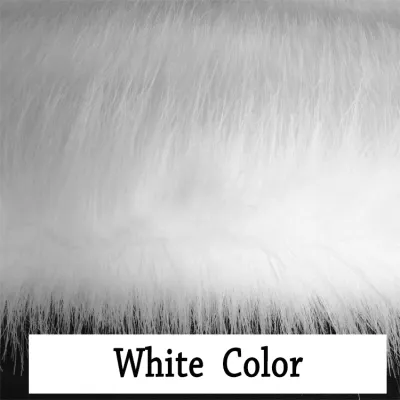
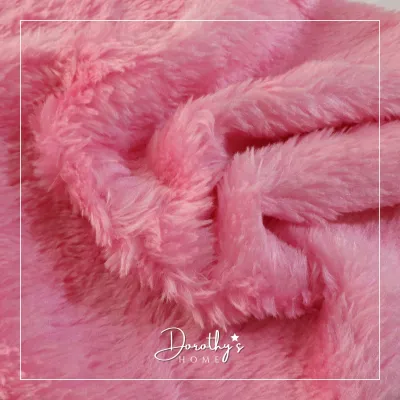
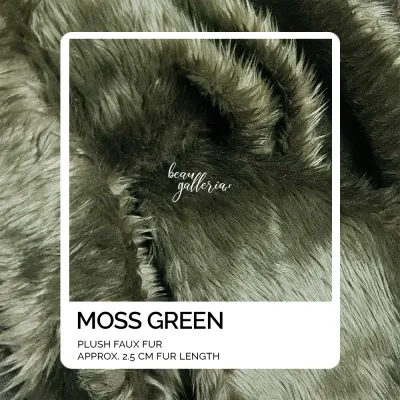
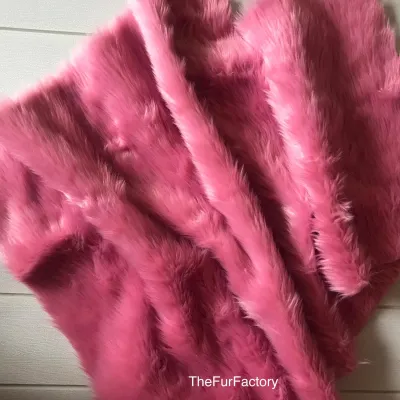
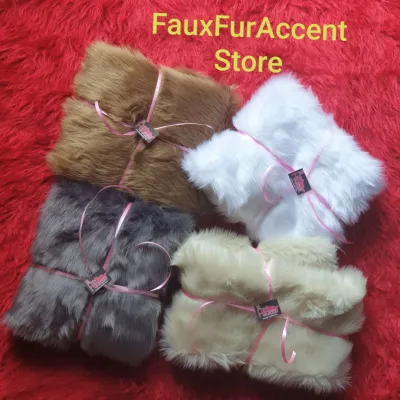
Prices are valid at publication and may change. Please refer to the product page for the latest price.
Short-pile faux fur typically features fibers under half an inch in length. Common varieties include minky, velboa, and micro-fur, which offer a dense, velvety texture. These fabrics are highly favored in local markets for plush toys, baby blankets, and lightweight apparel accents because they trap minimal heat and are exceptionally easy to cut and sew.
Medium-pile faux fur ranges from half an inch to one and a half inches in length. This category mimics the natural density of animal pelts, such as fox or rabbit, providing a plush volume without excessive weight. It is highly versatile, making it a popular choice for costume collars, home decor accents, and structured outerwear details.
Long-pile faux fur, often called shag, features fibers exceeding one and a half inches. Shag fur is dramatic, highly visible, and ideal for statement pieces, cosplay designs, and decorative rugs. However, the long fibers require advanced handling techniques to prevent the seams from looking bulky or uneven.
Texture variations further define the visual character of the fabric. Straight faux fur offers a sleek, uniform appearance that reflects light evenly, while curly or crimped textures mimic sheepskin or sherpa, adding rustic depth. Sheared finishes feature varied fiber heights or sculpted patterns, creating unique geometric or organic designs across the surface.
Evaluating the pile direction, commonly known as the nap, is critical before making a purchase. The nap is the natural direction in which the fur fibers lay flat. Running your hand across the fabric will reveal the nap; brushing with the grain feels smooth, while brushing against it raises the fibers. The nap dictates how light reflects off the surface and how the fabric drapes, meaning all pattern pieces must be cut in the same direction to avoid a patchy, mismatched appearance.
Evaluating Fiber Content and Backing Types
The durability, stretch, and overall feel of faux fur depend heavily on the synthetic fibers used in its construction and the structure of its backing material.

Most faux fur fabrics are composed of polyester, acrylic, or modacrylic fibers. Polyester is highly durable, moisture-resistant, and widely available, though it can sometimes feel slightly stiff or synthetic to the touch. Acrylic and modacrylic fibers offer a much softer, more realistic hand-feel and superior drape, though they are highly sensitive to heat and require careful maintenance.
In the humid Philippine climate, heat sensitivity is a primary concern. High temperatures from irons, clothes dryers, or direct midday sunlight can permanently melt or frizz synthetic fibers. When working with acrylic-heavy blends, you must avoid direct heat application and rely on air-drying to preserve the texture of the pile.
The backing of the fabric determines its structural stability and stretch. Knit backings are flexible, lightweight, and offer a slight stretch, making them comfortable for garments, hoods, and cozy throws. Woven backings are rigid, stable, and do not stretch, which is essential for upholstery, heavy bags, and structured crafts that must hold their shape under tension.
Before purchasing fur fabric per yard, check the manufacturer specifications or product tags for exact fiber blends and fabric weight. If you are shopping in physical stores where tags may be missing, ask the seller for the roll details or perform a gentle touch test to evaluate the flexibility of the backing and the softness of the fibers.
Inspecting Fur Fabric Per Yard In-Store or Online
Whether you are browsing physical rolls in a local textile market or scrolling through digital listings on an e-commerce platform, a systematic inspection prevents costly purchasing mistakes.
When shopping in person, perform a gentle shed test by lightly pulling on the fibers near the cut edge. While minor shedding is normal on freshly cut edges, excessive shedding throughout the body of the fabric indicates a loose weave and poor backing construction. Inspect the backing closely to ensure there are no bald spots, uneven fiber distribution, or visible glue lines.
Verify the usable fabric width from selvage to selvage. Faux fur rolls typically range from 54 to 60 inches wide, but the usable width may be narrower if the edges are unfinished, glued, or damaged during transit. Knowing the exact usable width is essential for calculating how many yards you need to accommodate wide pattern pieces.
Examine the condition of the pile for matting, crushed spots, or deep creases. In tropical climates, tightly packed fabric bolts stored in humid, non-air-conditioned warehouses can develop permanent creases or musty odors. If you are purchasing clearance remnants or end-of-roll pieces, inspect them thoroughly to ensure the pile can be restored with a light brushing.
When purchasing online, request close-up photos of the backing and the pile under natural lighting. Read customer reviews to verify if the fabric color matches the listing photos, as digital screens can distort shades. Confirm the seller’s cutting policy to ensure your yardage will be delivered as a single continuous piece rather than individual one-yard cuts.
Essential Sewing and Handling Tips for Faux Fur
Working with faux fur requires specialized preparation and cutting techniques to preserve the beauty of the pile and protect your sewing equipment.
Always plan your cutting layout on the backing side of the fabric. Use a chalk marker or fabric pen to trace your pattern pieces on the reverse side, ensuring that the nap arrows point downward for every single piece. This uniform alignment ensures that the fur lays naturally and consistently across the finished item.
Never use standard fabric shears to cut straight through faux fur, as this slices the fibers and leaves blunt, unnatural edges. Instead, use a sharp utility knife, a craft blade, or the very tips of sharp scissors to cut only the backing fabric. Slide the blade carefully beneath the pile, slicing the backing while leaving the long fur fibers intact.
Adjust your sewing machine settings to accommodate the thickness of the fabric. Use a heavy-duty universal needle or a denim needle (size 90/14 or 100/16) and increase your stitch length to 3.0mm or 3.5mm to prevent the machine from jamming. A walking foot is highly recommended to help feed the thick layers evenly through the machine.
Once your seams are sewn, use a comb, a wire pet brush, or a darning needle to gently pull out any fur fibers that became trapped in the seam line. This simple step hides the seam entirely, creating a professional, seamless transition between the fabric panels.
Frequently Asked Questions (FAQ)
How do I calculate the exact yardage needed for a faux fur project?
To calculate yardage, you must account for the strict downward alignment of the pile direction. Because you cannot flip pattern pieces upside down to nest them tightly, you will generally require more fabric than you would with standard flat textiles. Measure your widest pattern piece against the usable width of the fabric to determine if pieces can sit side-by-side. Always add a safety margin of 10% to 15% to your final calculation to accommodate cutting errors, seam allowances, and potential alignment adjustments.
Does faux fur fabric fray when cut?
Faux fur fabric with a woven backing is highly prone to fraying along the raw, cut edges, which can weaken your seams over time. Knit backings do not fray as easily, but they can curl or stretch during handling. To stabilize raw edges on woven backings, you can apply a thin line of fabric sealant, use a serger, or sew a zigzag stitch along the edges before assembling your project. Keeping your seam allowances clean and finished ensures the longevity of the item.
What is the best way to store leftover faux fur fabric?
Folding faux fur fabric for long-term storage creates deep, permanent creases that crush the synthetic pile and ruin its texture. Instead, roll your leftover fabric loosely around a clean cardboard tube with the fur side facing inward to protect the fibers. Store the roll horizontally in a cool, dry closet away from direct sunlight, high humidity, and heavy objects to prevent compression and mildew growth.

Community discussion
Share your experience or ask a question. Comments are reviewed before publication.