
When building a cohesive journal, selecting the right decorative elements is just as important as choosing your pens and notebooks. Exploring the washi tape and sticker collections from Educrate PH requires a clear understanding of how different materials, finishes, and dimensions interact with your specific journaling style. This guide outlines the essential specifications and evaluation criteria you need to navigate their catalog, ensuring the supplies you choose align with your layout goals, paper types, and long-term archival needs. By focusing on observable characteristics like adhesive tack, paper weight compatibility, and ink resistance, you can confidently curate a collection that enhances your creative spreads.
Navigating the Educrate PH Catalog for Journaling
To find the right decorative elements for your journal, you need a systematic approach to browsing the Educrate PH catalog. Navigating an online storefront or official digital catalog can sometimes feel overwhelming due to the sheer volume of designs. A practical strategy is to filter products by visual themes rather than searching for specific, unverified seasonal names. Most stationery collections are grouped into broad aesthetic categories, such as minimalist grids, botanical illustrations, vintage ephemera, or whimsical cartoon characters. Identifying your primary journaling aesthetic beforehand helps narrow down your options and prevents impulse purchases that might not fit your established style.
When browsing, pay close attention to the product descriptions provided on the ecommerce platform. These descriptions often contain crucial details regarding the intended use cases of each item. For instance, some sticker sheets are specifically designed for functional planning, featuring checkboxes, habit trackers, and date covers, while others are purely decorative, featuring large-scale illustrations suited for scrapbooking or art journaling. Recognizing these distinctions ensures that the items you add to your cart serve a clear purpose in your daily logging or creative layouts.
Products mentioned in this guide
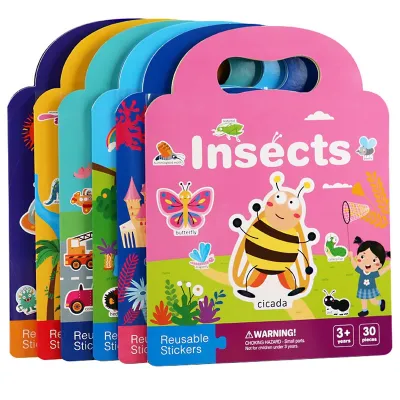

Prices are valid at publication and may change. Please refer to the product page for the latest price.
Another key consideration is the visual consistency of the collections. Many stationery brands offer bundled sets, which typically feature a curated selection of washi tapes or stickers that share a unified color palette and design language. Purchasing a bundle is an excellent way to maintain a cohesive look throughout a monthly or weekly spread. On the other hand, if you prefer a highly customized layout, selecting individual rolls or sheets allows you to mix and match different textures and styles. When choosing individual items, try to visualize how they will look side-by-side on your paper to ensure they complement rather than clash with each other.
Finally, keep in mind the practical aspects of ordering from local online marketplaces in the Philippines. Shipping times, packaging methods, and product availability can vary. Reading customer reviews on the platform can provide valuable insights into how the items are packaged for transit, which is particularly important for delicate paper products like sticker sheets and washi tape rolls that can easily bend or crease during delivery. When planning your stationery budget, keeping track of your expenses in ₱ helps you build a collection without overspending.
Matching Washi Tape Specifications to Your Journal Layouts
Washi tape is a versatile tool in any journaler’s toolkit, but its effectiveness depends heavily on its physical specifications. One of the first attributes to consider is the width of the tape. Washi tapes come in various sizes, ranging from ultra-narrow rolls (around 3mm to 5mm) to extra-wide rolls (30mm or more). Narrow tapes are exceptionally useful for functional tasks, such as underlining headers, creating borders between columns, or marking off specific dates in a monthly grid. Wide tapes, conversely, are ideal for blocking out large sections of a page, creating background layers for collages, or serving as decorative borders along the edges of your notebook.

The material composition of the tape also plays a significant role in its usability. High-quality washi tape is typically made from traditional Japanese paper (washi), which is lightweight, slightly translucent, and easy to tear by hand. This hand-tearability is a highly sought-after feature, as it allows you to create textured, organic edges that blend seamlessly into your journal pages. However, some tapes may feature a plastic or foil backing, which requires scissors or a tape dispenser to achieve a clean, straight cut. Before purchasing, verify the material specifications to ensure the tape matches your preferred application method.
Adhesive strength and repositionability are equally critical factors, especially if you frequently adjust your layouts. Ideal journaling washi tape should feature a low-tack adhesive that allows you to peel the tape off and reposition it without tearing the underlying paper or leaving a sticky residue behind. This is particularly important when working with delicate or low-GSM (grams per square meter) paper, which is highly susceptible to surface tearing. Checking the manufacturer’s notes or user feedback regarding adhesive behavior can save you from ruining a carefully planned layout.
Lastly, consider the opacity of the tape. Because washi paper is naturally translucent, the colors and patterns of the tape will interact with whatever is underneath them. If you plan to use washi tape to cover up mistakes or write directly on top of it, you will need a tape with higher opacity or a solid, light-colored background. Conversely, if you want to layer multiple tapes to create depth and texture, a more translucent tape will allow the underlying patterns to show through, creating a beautiful, layered effect.
Choosing Sticker Finishes and Formats for Your Spreads
Stickers are an effortless way to add personality and structure to your journal, but the variety of finishes and formats available can make selection challenging. The three most common finishes you will encounter in the Educrate PH collections are matte, glossy, and transparent. Matte stickers are highly favored by journalers because they blend in naturally with the texture of paper and do not reflect light, making them easy to photograph. Furthermore, matte paper stickers often allow you to write directly on top of them using standard gel pens, ballpoints, or pencils, which is incredibly useful for adding notes or dates to your decorative elements.
Glossy stickers, on the other hand, offer vibrant color reproduction and a sleek, polished look. However, their shiny surface can reflect overhead light, which might make reading any text on them difficult under certain lighting conditions. Glossy finishes also resist most water-based inks, meaning you will need a specialized permanent marker if you want to write on them. Transparent stickers, usually made from polyethylene terephthalate (PET) or clear vinyl, are excellent for creating a seamless, “printed-on” look. Because they have no white borders, they blend perfectly into the background of your page, making them ideal for botanical illustrations or delicate line art.
In addition to the finish, you must choose between different sticker formats, primarily die-cut and kiss-cut. Die-cut stickers are cut individually through both the sticker material and the backing paper. They are highly portable and great for collecting, but they can be difficult to peel if you do not have long fingernails. Kiss-cut stickers are supplied on a larger sheet where only the sticker layer is cut, leaving the backing intact. This format makes peeling incredibly easy and keeps your collection organized in a single sheet, which is highly convenient for storage and travel.
When selecting stickers, always align the visual motifs with your existing journal themes and daily routines. If you use your journal primarily for productivity, look for functional sticker sheets that include checkboxes, habit trackers, weather icons, or daily headers. If your journal is more of a creative outlet or diary, decorative sheets featuring illustrations, quotes, or vintage ephemera will help you express your thoughts visually. Maintaining a balance between functional and decorative stickers ensures your journal remains both practical and aesthetically pleasing.
Verifying Paper Compatibility and Adhesive Quality
Before committing any new washi tape or sticker to a major journal layout, it is essential to conduct a series of compatibility tests. Not all stationery products perform the same way on every type of paper. For example, a tape that peels off effortlessly from a thick, coated 160 GSM notebook page might tear a delicate 52 GSM Tomoe River paper sheet. To prevent damage to your primary pages, designate a scrap piece of paper or a few blank pages at the very back of your journal as a testing ground.
To perform a patch test, cut a small strip of the washi tape or peel a small sticker and apply it to your test page. Press it down firmly to ensure full contact, and leave it in place for at least twenty-four hours. This waiting period is crucial, as some adhesives can bond more strongly to paper fibers over time. After the time has elapsed, gently attempt to peel the tape or sticker off. Observe whether the adhesive lifts cleanly, leaves a sticky residue, or pulls up the top layer of paper fibers. If the paper tears, you will know to use that specific tape only for permanent placements where repositioning is not required.
Another critical aspect to verify is ink compatibility. If you plan to write or stamp over your stickers or washi tapes, test your favorite writing instruments on them during your patch test. Check for ink bleeding, feathering, or smudging. Some glossy or plastic-based materials may cause water-based fountain pen inks or gel inks to bead up and smear, requiring a longer drying speed or a different type of pen altogether. Observing these interactions beforehand prevents frustrating smudges on your finished layouts.
Finally, inspect the physical quality of the items upon arrival. Check the print alignment to ensure the designs are centered and not cut off. Examine the color accuracy under natural light, as digital screens can sometimes distort colors. If you are concerned about the long-term preservation of your journals, look for product labels that specify “acid-free” or “archival-safe” materials. Acidic adhesives can yellow and degrade paper over time, so choosing archival-quality supplies is essential if you want your journals to last for decades in the humid, tropical climate of the Philippines.
Frequently Asked Questions (FAQ)
Can I reposition these washi tapes without tearing my journal pages?
Yes, most standard washi tapes can be repositioned, but success depends heavily on your journal’s paper weight (GSM). On thicker papers (100 GSM and above), the low-tack adhesive should lift cleanly without causing damage. On thinner, delicate papers, always perform a gentle peel test in a discreet corner. If you feel significant resistance, stop pulling to avoid tearing the page surface.
Do transparent stickers work well with dark-colored journal paper?
Transparent stickers generally do not perform well on dark-colored journal paper, such as black or kraft paper. Because the sticker material is clear, the dark background will show through, significantly reducing the color vibrancy and contrast of the printed design. For dark paper layouts, it is better to choose opaque matte paper stickers with a solid white background or white ink outlines.
How should I store my sticker sheets to maintain their adhesive quality?
To preserve the adhesive quality of your sticker sheets, store them flat in a cool, dry place away from direct sunlight and high humidity. In tropical climates like the Philippines, excess moisture can degrade the adhesive over time. Using protective plastic sleeves, binder folders, or dedicated stationery storage boxes will keep your sheets flat, dust-free, and ready for use.

Community discussion
Share your experience or ask a question. Comments are reviewed before publication.