
Acrylic clay, often referred to as resin clay or cold porcelain, is a versatile modeling material that cures through air evaporation rather than heat. While it shares the air-dry convenience of traditional paper clays and the fine-detail capabilities of polymer clays, its unique acrylic or PVA-based composition gives it distinct handling properties, shrinkage rates, and finishing requirements. Understanding these material differences is essential for selecting the right medium for your specific crafting, sculpting, or DIY project.
Choosing the wrong clay can lead to cracked sculptures, lost details, or ruined finishes. By analyzing how acrylic clay behaves during shaping and curing, you can avoid common crafting pitfalls. This guide breaks down the science behind this modern modeling material and compares it directly with other popular options on the market.
Understanding Acrylic Clay Composition and Core Properties
To understand how acrylic clay behaves, look at its chemical makeup. Unlike traditional earth clays, acrylic clay is formulated using a blend of polyvinyl acetate (PVA) glue, acrylic emulsions, or cellulose derivatives. These synthetic binders give the wet clay an elastic, stretchy quality that allows you to pull and roll it into thin sheets without tearing.
Products mentioned in this guide
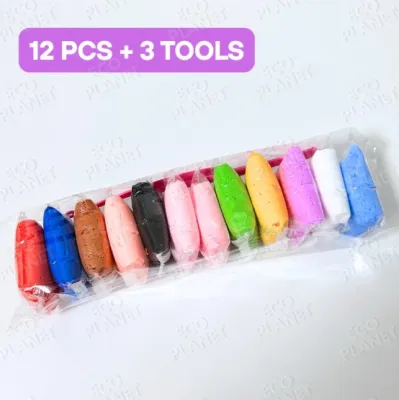
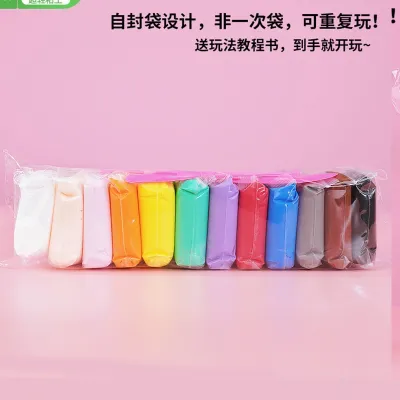

Prices are valid at publication and may change. Please refer to the product page for the latest price.
The curing process relies entirely on water evaporation. When you expose the clay to air, the water content escapes, causing the polymer chains to lock together and harden. Because this process depends on evaporation, ambient humidity plays a massive role. In highly humid environments, drying slows down significantly, while dry, air-conditioned rooms accelerate it.
As water evaporates, you will observe distinct visual and tactile changes. Acrylic clay typically undergoes a slight amount of shrinkage as the water content leaves the material. The wet clay, which often looks opaque and bright, transitions to a semi-translucent or matte finish once fully cured. This semi-translucent quality is highly prized for creating realistic flower petals.
Because marketing terms can be confusing, always read the manufacturer’s ingredient list and safety labels rather than relying on generic names like “resin clay” or “cold porcelain.” Some products labeled as resin clay are actually heavy polymer clays, while others are lightweight air-dry clays. Checking the actual composition ensures you get a water-based, air-drying material.
Acrylic Clay vs. Polymer Clay: Key Differences for Crafters
The most significant difference between acrylic clay and polymer clay lies in their curing requirements. Acrylic clay cures naturally at room temperature over several hours or days, requiring no specialized equipment. Polymer clay is a plastic-based material that remains soft indefinitely until it is baked in a dedicated craft oven according to precise temperature guidelines.

Once fully cured, these two materials offer very different levels of durability and flexibility. Polymer clay cures into a dense, highly water-resistant plastic that withstands moderate handling. Acrylic clay dries to a slightly flexible, rubbery state that resists shattering when dropped, but it remains sensitive to prolonged water exposure. If submerged, the cured PVA base can soften and lose its structural integrity.
Tooling and cleanup also differ dramatically. Because acrylic clay is water-based, you can easily clean your hands, tools, and work surfaces with simple soap and water while the material is still wet. Polymer clay is oil-based and leaves a greasy residue, requiring dedicated plastic or metal tools, rubbing alcohol, or specialized solvents for thorough cleanup.
Working with these clays also presents unique risks during curing. Polymer clay carries the risk of burning or releasing unpleasant fumes if your oven temperature spikes. Acrylic clay does not carry a burning risk, but it is highly susceptible to surface cracking if you attempt to force the drying process using hair dryers or direct heat. Slow, natural evaporation is essential for a smooth finish.
Acrylic Clay vs. Air-Dry Clay: When to Choose Which
When deciding between acrylic clay and traditional air-dry clay, detail retention is often the deciding factor. Traditional air-dry clays, such as paper clay, contain visible fibers that make fine detail work difficult. Acrylic clay has an ultra-fine, non-fibrous particle structure, making it a popular choice for delicate features like miniature dollhouse food, intricate jewelry, and lifelike floral arrangements.
Shrinkage and cracking patterns also set these two air-drying materials apart. Traditional air-dry clays tend to shrink significantly as they dry, which can lead to warping or cracking. Acrylic clay also shrinks, but its elastic binders help distribute the tension more evenly. However, for larger sculptures, both materials require internal structural supports, known as armatures, made of wire or aluminum foil.
The final weight and hardness of the cured pieces differ substantially. Traditional air-dry clay dries to a relatively heavy, rigid, and chalky finish that feels similar to plaster. Acrylic clay dries to an incredibly lightweight, slightly flexible, and resilient finish. This lightweight quality makes acrylic clay highly suitable for wearable art, such as statement earrings.
Post-cure modification is another area where these materials diverge. Traditional air-dry clay is highly receptive to sanding, carving, and scraping once fully dry, allowing you to refine rough edges easily. Cured acrylic clay, because of its rubbery and slightly elastic nature, does not sand cleanly; instead of turning to dust, it tends to pill or tear under sandpaper.
How to Choose the Right Clay for Your Specific Project
To select the right clay, establish a clear decision-making framework based on your project’s scale and type. If your goal is micro-sculpting, jewelry making, or crafting delicate floral elements, the fine detail and flexibility of acrylic clay make it a strong candidate. For large-scale decorative items, traditional air-dry clay or polymer clay will provide the necessary bulk and rigidity.
Environmental constraints are another critical factor, particularly in tropical regions like the Philippines. High humidity levels can significantly prolong the drying time of water-based materials like acrylic clay. A piece that might dry in twenty-four hours in a dry climate could take several days to cure fully in a humid environment. Plan your crafting schedule accordingly, allowing ample drying time.
Budget and material yield should also guide your purchase. When comparing options, look at the price per gram (₱ per gram) on online marketplaces. Traditional air-dry clays are highly cost-effective and sold in large blocks, making them highly suitable for bulk projects. Premium acrylic clays are sold in much smaller, sealed packages, meaning they are best reserved for high-detail, low-volume accent work.
Finally, consider your post-processing plans and how they align with the clay’s physical properties. If you plan to paint your sculpture, both acrylic and traditional air-dry clays accept acrylic paints beautifully. However, the sealants and varnishes you choose must be compatible with the clay’s base. Some solvent-based varnishes can react negatively with the PVA or acrylic binders in acrylic clay.
Essential Handling, Storage, and Safety Checks
Because acrylic clay cures through air exposure, proper storage is vital to prevent your material from drying out. Wrap unused clay tightly in plastic wrap, ensuring there are no air pockets, and store it inside an airtight container. During active sculpting sessions, keep a damp cloth over your working clay or store it under a small plastic cup to preserve its moisture.
Slowing down the drying process while you work gives you more time to sculpt intricate details. Avoid working in direct sunlight, near open windows with strong drafts, or directly under air conditioning vents, as these conditions accelerate evaporation and cause the clay to skin over prematurely. Never use heat guns or ovens to speed up curing, as rapid drying leads to surface cracks.
Safety should always be a priority, especially when crafting with children or creating items that will have prolonged contact with the skin. Look for recognized safety certifications, such as the AP (Approved Product) seal or CE mark, on the product packaging. These certifications verify that the clay has been evaluated for toxicity and is safe for general craft use.
Knowing when to discard your clay is just as important as knowing how to preserve it. If your acrylic clay has begun to cure and form a hard outer skin, or if you notice any signs of mold, discard it. Attempting to reconstitute partially cured acrylic clay by kneading in excessive water will break down the chemical binders, resulting in a sticky, unusable paste.
Frequently Asked Questions (FAQ)
Can you paint or seal acrylic clay after it dries?
Yes, fully cured acrylic clay accepts acrylic paints, watercolors, and protective resin coatings. Ensure the clay is completely dry before applying any finish to prevent trapping moisture, which can cause bubbling. Always check the sealant label to ensure it does not contain solvents that might reactivate or dissolve the clay’s water-soluble PVA base.
Is acrylic clay safe for food-contact items?
No, acrylic clay is not safe for food-contact items or dishwasher use. Even when sealed, modeling clays can harbor bacteria in microscopic crevices, and the chemical binders are not certified for ingestion. Restrict your acrylic clay creations to decorative items, jewelry, and miniatures, and avoid using them for items that will come into direct contact with food or liquids.
How long does acrylic clay take to dry completely?
Drying time depends on the sculpture’s thickness, ambient temperature, and local humidity. Thin pieces like flower petals may dry within a few hours, while thicker items can take twenty-four to seventy-two hours to cure fully. Check the surface before sealing; it should feel completely hard, room temperature, and free of any cool, damp sensation.

Community discussion
Share your experience or ask a question. Comments are reviewed before publication.