
Choosing between a traditional bound Advance notebook and an Advance loose-leaf or refillable system depends entirely on how you organize your thoughts, manage multiple subjects, and carry your daily supplies. Bound notebooks offer a streamlined, lightweight experience ideal for linear note-taking, while loose-leaf systems provide modular flexibility for reorganizing, consolidating, and archiving pages. If you need a single, dedicated space for a specific project, a bound notebook is usually the better fit; if you frequently shift pages between subjects or need to archive completed modules without carrying the whole book, a loose-leaf system will serve you better.
In the Philippines, where students and professionals navigate bustling commutes, humid classrooms, and dynamic study environments, the choice of stationery is more than just a minor detail. The daily grind requires tools that can withstand constant handling, resist the effects of tropical humidity on paper fibers, and fit comfortably into packed bags. Whether you are preparing for board exams, managing office projects, or keeping a daily journal, understanding how these two formats perform under real-world conditions will help you make a practical, cost-effective decision.
Core Differences in Binding and Paper Management
The fundamental distinction between the Advance bound notebook and the Advance loose-leaf system lies in their physical construction and how they handle paper. A traditional bound notebook features pages that are permanently secured along the spine, typically using glue, thread stitching, or wire spirals. This permanent binding creates a self-contained unit where pages remain in a strict, chronological order. The spine design dictates how the book opens; high-quality bound notebooks are designed to lay relatively flat on a desk, though spiral-bound versions offer the distinct advantage of folding completely back on themselves to save desk space in cramped lecture halls or shared workspaces.
Products mentioned in this guide
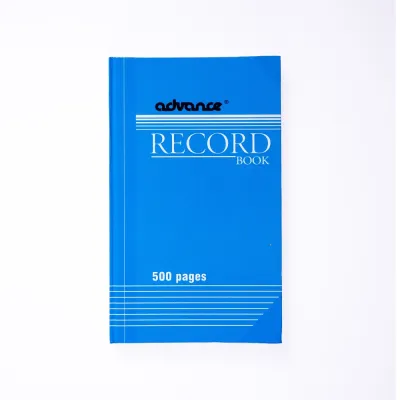
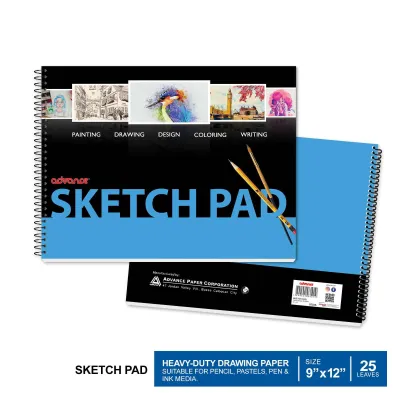
Prices are valid at publication and may change. Please refer to the product page for the latest price.
In contrast, the Advance loose-leaf system relies on an openable binding mechanism, such as multi-ring binders, traditional three-ring binders, or flexible plastic rings. This mechanism allows you to open the spine, insert new sheets, remove old ones, or rearrange the order of your pages at any time. Because the pages are not permanently attached, you can easily integrate handouts, printed syllabus guides, or specialized grid paper directly into your notes. However, this flexibility comes with a different physical profile. The ring mechanisms, especially in larger binders, can create a raised barrier in the center of the page, which some writers find uncomfortable when writing on the back of a sheet.
Page capacity is another area where these two systems diverge significantly. A bound notebook has a fixed page count, meaning you must plan your work around the physical limits of the book. Once you fill the pages, you must transition to a new notebook, which can sometimes split a single subject across multiple volumes. A loose-leaf binder, on the other hand, features an adjustable capacity. You can start the school year with a slim stack of paper and gradually add refills as needed, or remove completed chapters to keep the binder lightweight. The main trade-off is that loose-leaf pages are susceptible to tearing at the punched holes if turned too quickly or subjected to rough handling, whereas bound pages are structurally supported along their entire edge.
Key Factors to Consider for Your Study or Work Habits
When deciding between these two formats, your daily routine and organizational style should guide your choice. One of the most critical factors is how you manage multiple subjects or projects. If you are a student taking five or six distinct classes, or a professional handling several independent client accounts, a loose-leaf binder allows you to consolidate everything into a single volume. By using colored tab dividers, you can allocate specific sections for each subject, keeping your entire academic or work life in one place. This eliminates the risk of accidentally leaving a crucial notebook at home, as long as you remember to pack your main binder.

However, carrying a single, large binder can introduce challenges regarding portability and weight. Binders with heavy ring mechanisms and thick plastic covers can add substantial bulk to your backpack or tote bag. In contrast, carrying a few slim, bound Advance notebooks allows you to distribute weight more evenly or only carry the specific books you need for that day’s schedule. If you commute daily via public transportation in Manila or other busy urban areas, minimizing the physical volume of your bag is often a high priority. A slim, bound notebook slips easily into tight spaces and adds negligible weight to your daily carry.
Paper compatibility and the availability of refills are also vital considerations. When using a bound notebook, you are committed to the paper type, ruling, and size that come with the book. With a loose-leaf system, you must ensure a steady supply of compatible refill paper. You will need to verify whether your binder uses standard hole spacing or a proprietary multi-ring layout. In the Philippines, standard filler paper is widely available in local bookstores and online marketplaces, but you must check the packaging to confirm that the hole configuration matches your binder. If you prefer using fountain pens, gel pens, or heavy highlighters, you should also test how the paper handles ink absorption, as high humidity can slow down drying times and increase the likelihood of ink feathering or bleeding through the page.
Advance Notebook vs. Loose-Leaf: Feature Comparison
To help you visualize how these two stationery formats compare across key performance areas, the table below outlines their practical differences in daily use.
| Feature | Advance Bound Notebook | Advance Loose-Leaf System |
|---|---|---|
| Binding Durability | High; pages are securely stitched or spiraled, preventing accidental loss. | Moderate; rings are durable, but individual paper holes can tear over time. |
| Page Customization | Low; pages are fixed in a chronological sequence and cannot be rearranged. | High; pages can be added, removed, reordered, or mixed with dividers. |
| Archiving Ease | Moderate; requires storing the entire physical notebook once filled. | High; completed pages can be transferred to cheap storage binders. |
| Portability | Excellent; slim profile, lightweight, and easy to slide into any bag. | Variable; can become bulky and heavy depending on ring size and paper volume. |
| Cost Structure | Low initial cost; requires buying a complete new notebook when filled. | Higher initial binder cost; lower ongoing cost for paper refills. |
Note: Exact ₱ costs vary by retailer, paper quality, and specific product lines, so readers should verify current local pricing before purchasing.
How to Decide: Which Format Fits Your Workflow?
Your final decision should align with how you naturally process information and manage your physical workspace. Choose the bound Advance notebook if you prefer a straightforward, linear writing experience. This format is ideal for journaling, creative writing, or dedicated project logs where maintaining a chronological record is essential. It is also the preferred choice for those who value a lightweight, grab-and-go setup that requires zero maintenance. With a bound book, you never have to worry about pages falling out, rings misaligning, or buying the wrong size of refill paper.
On the other hand, you should choose the Advance loose-leaf system if your work is highly modular, collaborative, or subject to frequent changes. If you like to draft notes during a lecture, rearrange them later during study sessions, and insert printed handouts or diagrams directly next to your written text, the loose-leaf format is unmatched in its utility. It is also highly efficient for long-term archiving; at the end of a semester or fiscal quarter, you can extract your notes, bind them cheaply with treasury tags or storage rings, and reuse the main binder for your next set of projects.
Before making your purchase, always verify if your specific school, university, or office has strict formatting, margin, or binding requirements for submitted work. Some academic institutions or professional environments require assignments to be submitted on loose sheets of a specific size, while others mandate bound logbooks for laboratory work or official records to prevent page tampering. Checking these guidelines beforehand will ensure that your chosen stationery system remains fully functional for all your daily tasks.
Frequently Asked Questions (FAQ)
Can I use standard loose-leaf paper in an Advance binder?
Whether you can use standard loose-leaf paper depends entirely on the ring mechanism of your specific Advance binder. Many modern refillable binders use a multi-ring system (such as 20-ring for A5 or 26-ring for B5 sizes), which requires paper with matching closely spaced holes to distribute tension evenly. Standard filler paper sold in the Philippines often features a two-hole or three-hole punch pattern designed for traditional binders, which will not fit these multi-ring systems. Before purchasing paper refills, check the binder’s ring count and hole spacing against the specifications listed on the refill packaging, or use a compatible multi-hole punch to prepare your own custom paper.
Is a loose-leaf system more cost-effective in the long run?
In the long run, a loose-leaf system can be highly cost-effective, but it requires a higher initial investment. The binder itself, especially if made from durable, flexible plastic or reinforced cardboard, represents a larger upfront cost than a single bound notebook. However, once you own the binder, purchasing paper refills is generally more economical over time than buying brand-new bound books. This cost-effectiveness is most apparent for high-volume writers, such as students preparing for major exams or professionals taking daily meeting minutes, who can reuse the same binder across multiple academic years or business cycles.

Community discussion
Share your experience or ask a question. Comments are reviewed before publication.