
Selecting the perfect gift wrapper aesthetic paper is more than just a final step in gift-giving; it is an art form that sets the tone before the package is even opened. The right wrapping style communicates thoughtfulness, effort, and an eye for detail. In the Philippines, where gift-giving is deeply woven into warm family gatherings, milestone celebrations, and festive seasons, presentation holds significant cultural value. Matching your wrapping paper to the specific occasion ensures your gift feels personal and highly curated.
To achieve a truly cohesive look, you must balance visual appeal with practical durability. Tropical humidity and transport conditions mean that paper choice involves more than just selecting a pretty pattern. By understanding the core aesthetic styles—ranging from clean Korean-style minimalism to rich, nostalgic vintage florals—and learning how to pair them with the right accessories, you can transform any simple present into a memorable visual experience.
Understanding Popular Aesthetic Wrapping Paper Styles
To build a versatile wrapping kit, it helps to understand the distinct visual and tactile characteristics of modern aesthetic styles. Each style carries a unique mood and requires different handling techniques depending on the paper’s weight and finish.
Products mentioned in this guide

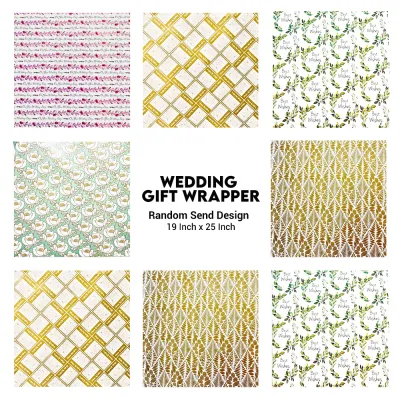
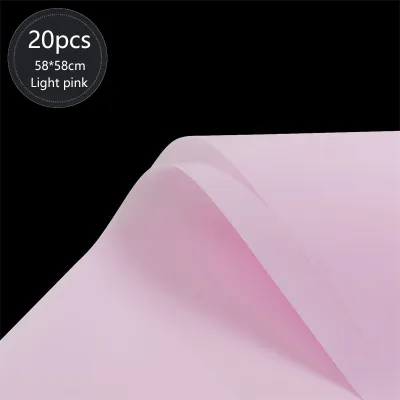
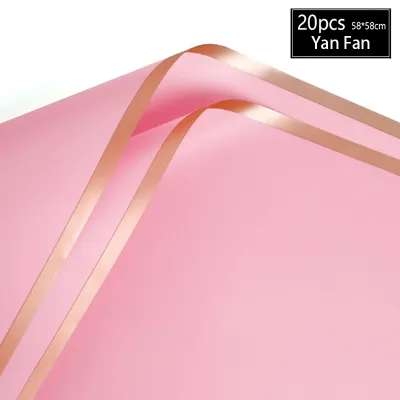
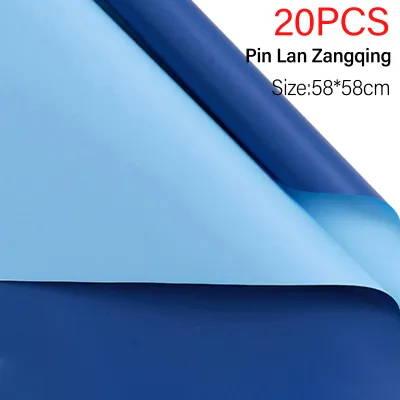
Prices are valid at publication and may change. Please refer to the product page for the latest price.
Minimalist wrapping focuses on clean lines, solid colors, and subtle textures. Instead of busy patterns, this style relies on high-quality paper stock in neutral tones like cream, beige, olive, or charcoal. Korean-style wrapping takes this concept a step further by incorporating soft pastel hues, translucent wax papers, and waterproof matte sheets. These papers often have a velvety, non-reflective surface that feels exceptionally premium to the touch. They are designed to hold crisp, geometric folds and look best when paired with simple, structured wrapping techniques.
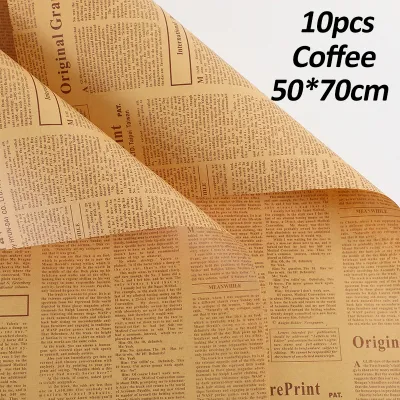
Vintage and floral styles embrace nostalgia, warmth, and organic beauty. Vintage wrapping often utilizes unbleached kraft paper as a base, featuring sepia-toned illustrations, retro typography, or classic patterns like houndstooth and muted plaids. Floral papers range from delicate, watercolor-style botanical prints to bold, vintage-inspired English garden motifs. These designs typically use a softer, matte finish that enhances the hand-painted feel of the artwork. They evoke a sense of timeless elegance and personal warmth, making them feel highly intimate.
When selecting your paper, always check the paper weight, usually measured in grams per square meter (gsm). Standard lightweight papers (around 60 to 70 gsm) are highly flexible and easy to fold, but they tear easily and can reveal the shape or color of the box underneath. Medium-weight papers (80 to 100 gsm) offer the ideal balance of durability and foldability, ensuring clean corners without tearing.
The finish of the paper also dictates its performance. Matte finishes provide a modern, sophisticated look and are excellent for holding double-sided tape securely. Glossy finishes offer vibrant color reproduction and a slight resistance to surface moisture, which can be beneficial in humid tropical climates, though they can be slippery to fold and prone to showing tape lines.
Matching Wrapping Styles to Specific Occasions
Choosing the right aesthetic style requires matching the paper’s visual language to the formality, theme, and emotional tone of the event.

For birthdays, housewarmings, and casual get-togethers, the goal is to convey joy, energy, and personal connection. Playful Korean-style patterns, vibrant watercolor florals, or color-blocked minimalist papers work beautifully here. You can experiment with brighter pastel palettes—such as lavender, mint, or peach—to keep the presentation lighthearted and modern. If the recipient has a specific favorite color, a minimalist solid-colored paper paired with a contrasting ribbon shows personalized care without looking cluttered.
Formal events like weddings, anniversaries, and major career milestones demand a sophisticated, elegant approach. Opt for high-quality minimalist papers in muted, luxurious tones such as champagne, soft sage, dusty rose, or deep navy. Textured papers, such as linen-embossed or handmade cotton sheets, add a tactile layer of luxury that feels appropriate for a lifetime milestone. Vintage styles with subtle gold foil accents or delicate, monochromatic botanical prints also translate beautifully to formal settings, offering a classic look that stands out on a reception gift table.
During major holiday seasons, it is easy to fall back on mass-produced, cartoonish wrapping paper. However, you can elevate your seasonal gifting by adapting sophisticated color palettes and textures to match the festive spirit. Instead of bright red paper covered in illustrations, try a deep terracotta or forest green kraft paper. Pair these rich, solid colors with natural elements like dried pinecones, cinnamon sticks, or a sprig of fresh rosemary. This approach keeps your gifts looking highly aesthetic and cohesive under the tree while still honoring the warmth of the season.
Sourcing and Pairing Aesthetic Wrapping Supplies
Creating a beautiful gift requires sourcing quality materials and coordinating your accessories to complement your chosen paper style.
Finding high-quality aesthetic gift wrapper paper involves looking beyond standard department store stationery aisles. Specialty craft boutiques, local stationery shops, and curated online marketplaces are excellent sources for unique patterns and premium paper weights. When shopping on ecommerce platforms, look for listings that explicitly state the paper weight (gsm) and material type. Reading customer reviews can help you verify if the colors match the product photos and if the paper arrives rolled rather than folded, which prevents unsightly creases.
The ribbon you choose should complement the texture and style of your wrapping paper. For vintage and floral papers, natural fibers work best. Cotton twine, jute string, or frayed linen ribbons enhance the rustic, organic feel of these designs. For minimalist and Korean-style papers, opt for sleek, high-contrast materials. Satin, grosgrain, or delicate organza ribbons add a clean, polished finish. Using double-sided tape to hide seams ensures that the ribbon remains the focal point of your presentation.
Before wrapping an awkwardly shaped item or a heavy box, test the durability of your paper. Gently press your finger against a scrap piece of the paper to see how much tension it can handle before puncturing. If you are wrapping a box with sharp corners, you can reinforce the inner corners of the paper with small pieces of clear tape before folding to prevent the cardboard from poking through.
Frequently Asked Questions (FAQ)
Can I use Korean-style wrapping paper for heavy or oddly shaped gifts?
Yes, but you must select the correct paper weight and use proper structural support. Many Korean-style papers are made of lightweight matte plastic or thin wax paper, which can stretch or tear under the weight of heavy items. For heavy or oddly shaped gifts, it is best to place the item inside a sturdy cardboard gift box first. If you must wrap the item directly, look for Korean-style papers with a thickness of at least 80 gsm, and reinforce the high-stress edges of the gift with double-sided tape to distribute the tension evenly.
How do I prevent vintage or floral wrapping paper from fading over time?
To preserve the vibrant colors and delicate textures of your aesthetic wrapping paper, store your rolls in a cool, dry, and dark environment. In the Philippines, high humidity and intense sunlight can accelerate the yellowing of paper and cause inks to fade. Keep your paper rolls inside a plastic storage bin or a dedicated poster tube to shield them from moisture and dust. Always store the rolls vertically or flat on a smooth surface to prevent the edges from bending or creasing.

Community discussion
Share your experience or ask a question. Comments are reviewed before publication.