
Selecting the right coloring book for your child’s art class involves balancing their current motor skills with the specific lessons planned by their teacher. A book that is too simple can lead to boredom, while one that is too complex can cause frustration and discourage artistic expression. By matching the book’s layout, paper quality, and detail level to your child’s grade level, you ensure they have a tool that supports their learning and helps them succeed in their school activities.
In school environments, art curricula are carefully structured to build skills sequentially. The right coloring book acts as a supportive training aid rather than a distraction. Understanding how developmental stages, physical book features, and coloring mediums interact will help you make an informed purchase that keeps your child engaged and confident in the classroom.
How Developmental Stages Shape Art Class Coloring Needs
Art education is not just about staying within the lines; it is a structured progression of physical and cognitive skills. In early childhood, children develop fine motor skills and hand-eye coordination. Their grip progresses from a palmar grasp to a mature tripod grip. A coloring book with thick lines and large spaces accommodates this early stage, allowing them to practice control without feeling overwhelmed.
Products mentioned in this guide
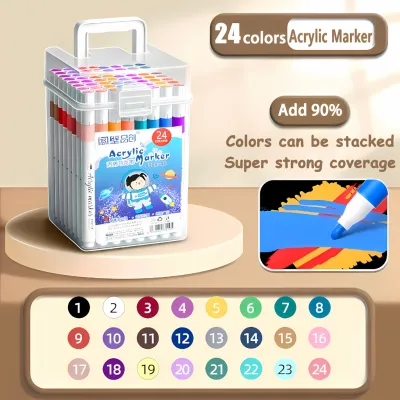
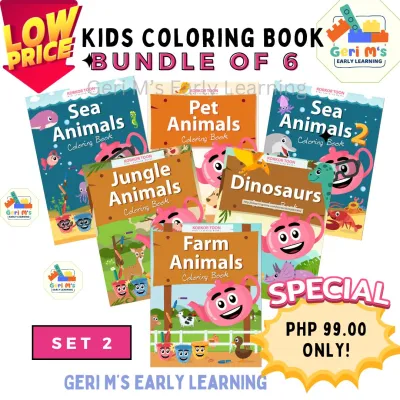
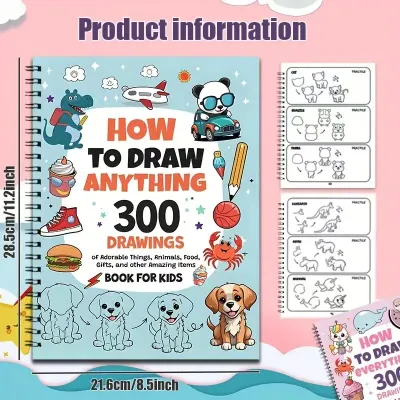
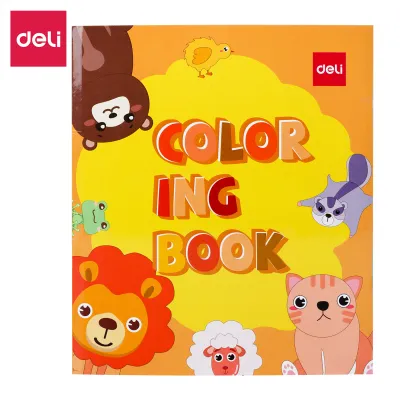
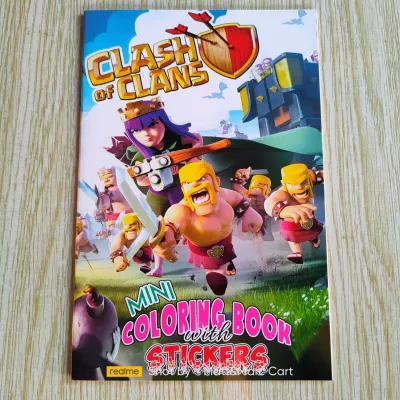
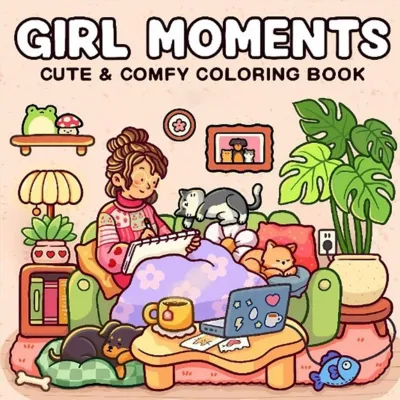
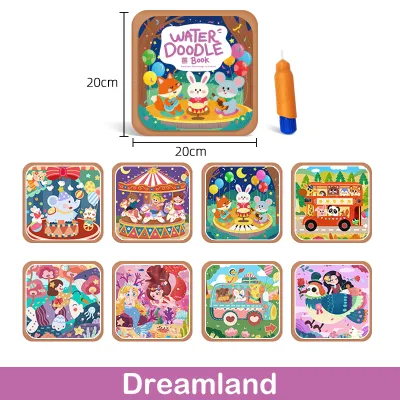
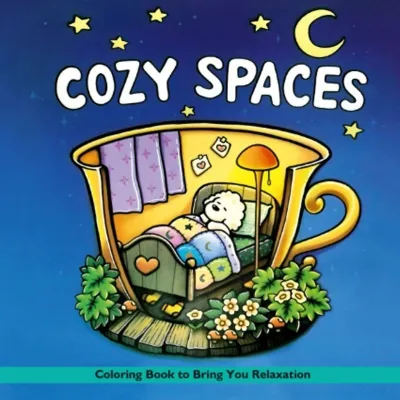
Prices are valid at publication and may change. Please refer to the product page for the latest price.
As children grow, their cognitive abilities expand alongside their physical control. They begin to understand spatial relationships, color theory, and composition. School art classes reflect this growth by moving from simple color identification to complex tasks like shading, blending, and depicting depth. The coloring book must evolve with these lessons, providing challenges that match their expanding capabilities.
Using the correct book supports a child’s confidence. When the difficulty level aligns with their skills, they experience a sense of accomplishment. In contrast, giving a young child an intricate mandala book can lead to fatigue and a sense of failure, while giving an older child a basic shape book can stifle their creativity. Aligning the book with their developmental stage ensures that art class remains an engaging and positive experience.
In the Philippines, school art classes often follow structured guidelines set by the Department of Education (DepEd) or specific private school curricula. These programs emphasize progressive skill-building, starting with basic shapes and moving toward cultural appreciation and detailed composition. Choosing a book that mirrors these academic expectations helps your child transition smoothly between home practice and classroom assignments.
Recommended Coloring Book Types by Grade Level
While children develop at different rates, grade levels provide a reliable framework for choosing art supplies. School curricula are designed around these general developmental milestones, making them a practical guide for parents. It is always wise to review your child’s art syllabus or consult with their teacher to ensure your choice aligns with their specific classroom goals.

In local classrooms, art teachers often have unique approaches to teaching color and form. Some classrooms may focus heavily on traditional mediums like crayons, while others introduce mixed media early on. Understanding these grade-level recommendations will help you make an informed decision that supports your child’s classroom learning and keeps their creative momentum going.
Preschool and Kindergarten (Ages 3–5)
For the youngest artists, simplicity is key. Look for coloring books that feature bold, thick outlines and large, uncomplicated shapes. Single-subject pages—such as a single animal, a simple fruit, or a basic vehicle—are ideal. These designs provide clear boundaries that help children practice their pencil grip and hand-eye coordination without getting lost in details.
At this stage, children are learning basic color recognition and boundary awareness. Thick lines (often 2 to 3 millimeters wide) act as physical and visual guides, making it easier for small hands to control their crayons or thick markers. The goal is to build confidence and muscle memory, not to achieve perfect precision.
Avoid books with busy backgrounds or multiple overlapping elements. These can confuse early learners and make it difficult for them to identify where one object ends and another begins. Keep the focus on single, recognizable items that they can easily relate to their daily lives and vocabulary lessons.
Safety is also a primary consideration for this age group. Ensure the coloring book and accompanying coloring tools are labeled as non-toxic. Young children frequently touch their faces or put drawing tools near their mouths during art sessions, so verifying safety certifications on product labels is a mandatory step before buying.
Early Elementary (Grades 1–3, Ages 6–8)
As children enter early elementary school, their fine motor skills become more refined. They can handle moderate details and enjoy coloring scenes with simple background elements, such as a landscape with trees and clouds or a room with furniture. This is the perfect time to introduce books with thematic pages, such as nature scenes, basic science concepts, or story-based illustrations.
This stage is also excellent for introducing structured coloring activities like color-by-number or simple guided drawing pages. These books help reinforce basic color theory and following instructions, which are key components of the early elementary art curriculum. They also encourage children to think about how different colors interact with one another.
Look for books that balance open spaces with smaller, detailed areas. This variety allows children to practice different coloring techniques, such as using broad strokes for the sky and precise strokes for smaller characters. It keeps the activity challenging yet achievable, fostering a deeper interest in art.
Additionally, early elementary art classes often introduce basic storytelling through art. Books that feature sequential scenes or narratives allow children to explore continuity in color choices, such as keeping a character’s clothes the same color throughout the book. This builds cognitive connections between visual art and reading comprehension.
Upper Elementary (Grades 4–6, Ages 9–11)
Older elementary students are ready for advanced artistic challenges. They have developed the precision and patience required for intricate patterns, detailed mandalas, and complex educational themes like anatomy, geography, or art history. Coloring books for this age group should offer detailed illustrations that encourage creative interpretation and the application of advanced techniques.
At this level, art classes often focus on shading, blending, light sources, and color harmony. Books with realistic drawings or geometric patterns provide the perfect canvas for practicing these skills. They allow students to experiment with different mediums, such as colored pencils, gel pens, or fine-tip markers, to create depth and texture.
Choose books that offer a variety of themes to keep older students engaged. Educational coloring books can serve a dual purpose, helping them visualize complex subjects while refining their artistic skills. These books respect the child’s growing maturity and provide a sophisticated outlet for their creativity.
Furthermore, students in these grades are often asked to express their personal style. Selecting books with open-ended background elements or partial illustrations allows them to add their own drawings to the page. This transition from coloring to active drawing supports the creative autonomy emphasized in upper elementary art programs.
Physical Features to Check Before Buying a Coloring Book
The structural quality of a coloring book is just as important as the designs inside. Before making a purchase, take a close look at the physical construction of the book to ensure it can withstand classroom use. The right physical features can prevent frustration and make it easier for your child to complete and submit their assignments.
First, examine the paper thickness and texture. Thin paper is prone to tearing and allows ink to bleed through to the other side, which can ruin the illustration on the next page. While you may not always find specific paper weight ratings on the cover, you can assess the quality by feeling the pages. Look for paper that feels sturdy and slightly textured; if you can easily see the design of the next page through the paper, it is likely too thin for markers or heavy coloring.
Next, consider the binding type. Books with traditional glued bindings can be difficult to keep open, forcing children to hold the pages down while coloring. This can be awkward on small school desks. Spiral-bound or lay-flat books are much easier to use, as they allow the book to lie completely flat on the desk, giving the child full access to the entire page. Stapled bindings are also a good, lightweight option for younger students.
Page perforation is another crucial feature to verify. If your child’s teacher requires them to submit individual coloring pages for grading or display, look for books with perforated pages. These allow for clean, easy removal without tearing the artwork. If the book is not perforated, removing a page can ruin the binding and cause other pages to fall out. However, if the teacher prefers the student to keep all their work in a single book as a portfolio, a non-perforated, bound book may be more appropriate.
Finally, think about the size and portability of the book. A standard letter-size book (around 8.5 by 11 inches) offers plenty of space for detailed work and fits easily into standard school backpacks. Smaller, travel-sized books are convenient for on-the-go coloring but may not provide enough space for classroom projects. Choose a size that matches the scale of the art assignments and fits comfortably on your child’s school desk.
In the humid climate of the Philippines, paper storage is an important consideration. High humidity can cause thin, low-quality paper to absorb moisture from the air, making it limp and highly susceptible to tearing when colored. Opting for books with slightly thicker, high-quality paper ensures the pages remain crisp and durable, even during the rainy season.
Matching the Coloring Book with Art Class Supplies
A coloring book does not work in isolation; its performance depends heavily on the coloring tools your child uses. Different mediums—such as crayons, colored pencils, water-based markers, and gel pens—interact differently with various paper types. To avoid ruined artwork and frustrated students, it is essential to match the book’s paper with the supplies on the art class list.
Smoothness, bleed resistance, drying speed, water resistance, and erasability are all affected by how a specific medium combines with a particular paper. For example, wax crayons work well on almost any paper, including slightly rough, budget-friendly options, because they do not wet the fibers. Colored pencils also perform well on standard paper, but they require a bit of texture (or “tooth”) to grab the pigment effectively. If the paper is too smooth or glossy, the pencil color may appear faint and difficult to layer.
If the art class list includes water-based markers or gel pens, paper selection becomes critical. These wet mediums require thick, absorbent paper to prevent bleeding and warping. To ensure compatibility, perform a simple trial: have your child make a small test stroke with their marker in an inconspicuous area, such as the back page or a corner, to check for bleed-through and drying speed before starting a major project.
- Wax Crayons: Best for rough, thick paper; highly forgiving for early learners.
- Colored Pencils: Require paper with a slight texture (tooth) to allow layering and shading.
- Water-Based Markers: Require thick, heavy-duty paper to prevent bleed-through and page warping.
- Gel Pens: Work best on smooth, medium-to-thick paper; check drying speed to avoid smudging.
Always check the coloring book’s packaging and labels for compatibility recommendations. Some books are specifically labeled as “marker-friendly” or “suitable for mixed media.” If the instructions on the book conflict with the art teacher’s supply list, or if the paper type is unidentified, it is best to consult the manufacturer’s guidelines or ask the teacher for advice. Ensuring a proper match between the book and the tools will help your child achieve the best possible results in their art class.
Frequently Asked Questions (FAQ)
Are coloring books considered educational tools in modern art classes?
Yes, coloring books serve as valuable educational tools in modern art curricula. While open-ended drawing is essential for self-expression, coloring books are used to teach specific, structured skills. They help students learn color theory, understand spatial relationships, practice pattern recognition, and develop the fine motor control needed for writing and precise drawing. They provide a structured canvas where students can focus on mastering techniques like shading and blending without the pressure of creating an image from scratch.
Should I buy perforated coloring books for school assignments?
Perforated coloring books are highly recommended if your child needs to submit individual pages to their teacher for grading or classroom display. They allow pages to be torn out cleanly without damaging the artwork or the rest of the book. However, if the art teacher requires students to maintain a continuous portfolio of their work throughout the school year, a standard bound book without perforations may be a better choice to keep all assignments organized in one place.
How can I prevent markers from bleeding through the pages?
The most effective way to prevent marker bleed-through is to place a protective barrier, such as a sheet of heavy cardstock, a blank piece of paper, or a thin plastic sheet, directly behind the page being colored. This absorbs any excess ink and protects the subsequent pages. Additionally, look for coloring books that feature single-sided printing, so even if some bleed-through occurs, it does not ruin another illustration. Always test markers on a small, hidden corner of the book first to check the paper’s absorption and drying speed.

Community discussion
Share your experience or ask a question. Comments are reviewed before publication.