
Selecting the ideal modeling compound set for a child requires balancing safety, physical coordination, and cognitive interest. While modeling clay is a classic staple in many households, not every set is designed for every hand. Matching the complexity of the tools and the size of the components to your child’s current developmental stage ensures they remain engaged without becoming frustrated or exposed to safety hazards. By understanding how children interact with sensory materials at different ages, you can make an informed purchase that supports their growth and provides hours of creative play.
Understanding Developmental Stages and Play-Doh Complexity
Children progress through distinct stages of play, moving from basic sensory exploration to complex, multi-step creative projects. In the earliest stages, typically around age two, a child’s interaction with modeling compound is purely tactile. They squeeze, poke, flatten, and pull the material apart to explore its physical properties. They are not trying to build a specific object; they are simply learning how their hands can manipulate a soft medium. As they grow into the preschool years, their play shifts toward symbolic representation, where a rolled-out piece of clay becomes a “snake” or a flattened circle becomes a “pizza.” By school age, children are capable of planning and executing detailed, multi-step designs that require structural stability and mechanical tools.
When browsing the toy aisle, it is important to recognize that the age minimums printed on packaging are safety baselines rather than indicators of optimal engagement. A label that reads “Ages 3+” is primarily a legal warning indicating that the set contains small parts that pose a choking hazard to younger children. It does not mean a three-year-old will have the hand strength or coordination to operate the tools included in that specific set. Conversely, an older child might find a set labeled for younger kids boring because it lacks the detail and complexity they crave.
Products mentioned in this guide
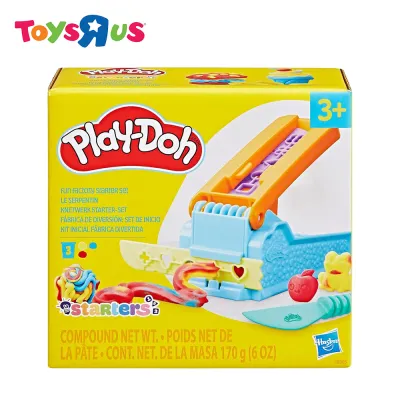
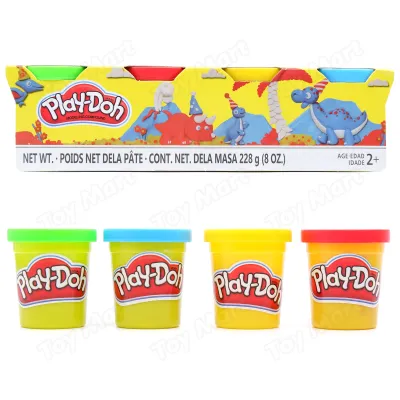
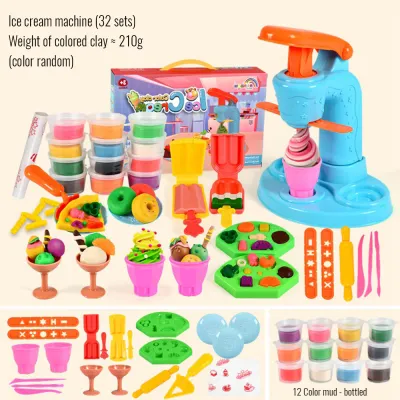
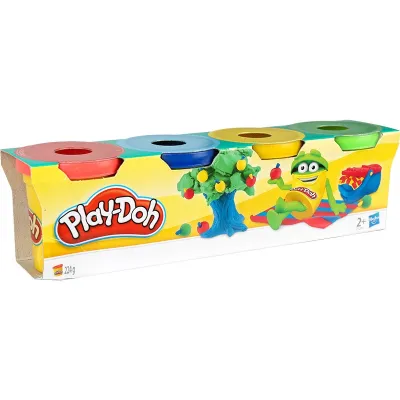
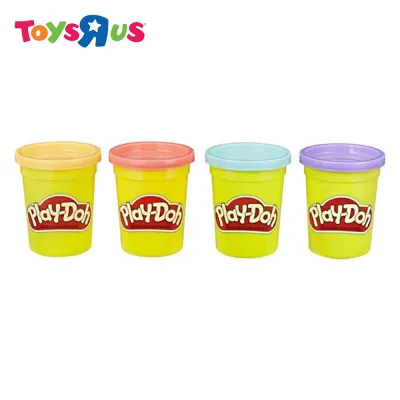
Prices are valid at publication and may change. Please refer to the product page for the latest price.
To choose the right set, observe your child’s current physical and cognitive habits. Pay attention to their grip strength and hand-eye coordination during daily activities. Can they easily squeeze a spray bottle, or do they struggle to press down on a simple pump dispenser? Do they have the patience to sit and align small pieces, or do they prefer rapid, high-energy actions? Assessing their attention span is also critical. A child who moves between activities every few minutes will likely find a massive, multi-piece playset overwhelming, whereas a simple set of colorful cans and basic cutters will offer more open-ended satisfaction.
Choosing Play-Doh Sets for Toddlers (Ages 2 to 3)
For toddlers between the ages of two and three, the focus of play should be entirely on sensory exploration and the development of gross motor skills. When selecting sets for this age group, prioritize those that feature large, wide-mouthed cans. These larger containers are much easier for small, developing hands to grip, open, and scoop from. Avoid any sets that include intricate molds, thin plastic knives, or small decorative stamps. These accessories are not only frustrating for a toddler to use, but they also present immediate choking hazards if placed in the mouth during unsupervised moments.

Look for basic, chunky tools that require gross motor movements rather than fine precision. Thick rollers with wide handles, large stampers that fit comfortably in a toddler’s palm, and simple plastic cutters with dull, rounded edges are ideal. Toddlers naturally use their entire hand or even their body weight to press down on objects. Tools that accommodate this “palmar grasp” allow them to flatten, stamp, and cut the compound successfully, building confidence and strengthening the larger muscles in their arms and shoulders.
Because toddlers are still prone to putting objects in their mouths, direct adult supervision is absolutely necessary during every play session. This is also the perfect time to establish simple cleanup routines. In tropical climates where high humidity and warm temperatures are common, modeling compound can dry out or become sticky if left exposed to the air. Teach your toddler to help gather the pieces and place them back in their cans as soon as play is finished. Ensuring the lids are pressed down firmly until they click will preserve the compound’s soft texture for future use.
Selecting Sets for Preschoolers (Ages 4 to 5)
As children reach the preschool years, their fine motor skills and imaginative capacities expand significantly. This is the ideal stage to transition to sets that feature basic extruders, simple cutting wheels, and recognizable molds. Preschoolers love to mimic real-world activities, so sets themed around cooking, baking, or animal care are highly engaging. These sets encourage storytelling and cooperative play, as children can “bake” treats for family members or create a miniature zoo.
The physical actions required to use these tools offer excellent developmental benefits. Peeling the compound out of detailed molds, rolling thin coils between the palms, and using plastic scissors to snip the clay all strengthen the intrinsic muscles of the hand. These are the exact muscles your child will need to hold a pencil correctly, write legibly, and manage everyday tasks like buttoning a shirt or zipping a jacket. The resistance of the modeling compound provides valuable sensory feedback, helping them learn to regulate the amount of force they apply with their fingers.
One practical challenge at this stage is the inevitable mixing of colors. Preschoolers are fascinated by what happens when different shades are blended, which often results in a single mass of brown or gray compound. While this is a valuable lesson in color theory, you can manage it by introducing smaller, inexpensive multi-color packs alongside the main playset. Establish clear boundaries, such as keeping certain colors separate for specific details, while designating a “mixing can” for free experimentation. Teach your child to wipe away any dried compound from the rims of the cans before sealing them, as a clean rim ensures an airtight seal that prevents drying.
Exploring Advanced Play-Doh Sets for School-Aged Kids (Ages 6 and Up)
School-aged children possess the cognitive capacity to follow multi-step instructions and the physical strength to operate more complex mechanisms. Sets designed for this age group often feature intricate, hand-cranked machines, battery-operated components, or detailed assembly steps. These sets challenge children to problem-solve when a mechanism jams or when a molded piece does not release cleanly, fostering patience, logical thinking, and resilience.
Older kids appreciate precision and detail in their creations. Look for sets that include fine sculpting tools, detailed extruder plates with various geometric profiles, and specialized texturing rollers. To support their ambitious, long-term projects, consider purchasing larger multi-color packs that offer a wider palette of shades, including neon, glitter, or metallic compounds. These variations allow them to create highly detailed models, dioramas, or even characters for stop-motion animation projects.
At this stage, play shifts from parent-led activities to completely independent, self-directed creation. Children may want to leave their creations out to dry to preserve them, or they may spend hours perfecting a single sculpture. Provide them with a dedicated workspace, such as a plastic play mat or a specific tray, where they can leave their projects undisturbed. Encourage them to experiment with combining different textures and using household items, like clean plastic forks or toothpicks, to add fine details to their work.
Pre-Purchase Checklist and Safety Boundaries
Before finalizing your purchase on an online marketplace or at a local toy store, run through a quick verification checklist to ensure you are getting a safe and genuine product. Always verify the seller’s authenticity and check for intact safety seals on the packaging. Counterfeit modeling compounds are common and may contain unauthorized chemicals, industrial dyes, or high levels of preservatives that can cause skin irritation or allergic reactions. Genuine products will clearly state their compliance with international toy safety standards.
Compare prices across authorized retailers to ensure you are getting a fair deal. In the local market, basic tool kits often start around ₱300, while large, mechanical playsets can exceed ₱2,000. When budgeting, factor in the ongoing cost of replacement clay cans versus buying entirely new sets. A complex playset is of little use if the compound dries out and replacement cans are difficult to source. Look for bundles that include both the plastic tools and a generous supply of compound cans to get the best value.
Review the product labels carefully for specific allergy warnings. Reputable modeling compounds are primarily made of water, salt, and flour, meaning they contain gluten. If your child has a known wheat allergy or severe gluten sensitivity, handling the compound can trigger a skin reaction or accidental ingestion issues. If your child has highly sensitive skin or severe allergies, stop and consult a pediatrician or allergist before introducing any modeling compound to your home.
Frequently Asked Questions (FAQ)
Is Play-Doh safe if a child accidentally tastes it?
Reputable modeling compounds are formulated to be non-toxic, meaning a small, accidental taste is generally harmless. The extremely salty taste is actually intentional, designed to deter children from eating the material. However, the compound is not a food product and should never be consumed. If your child swallows a small amount, immediately check their mouth for any remaining pieces to prevent choking. Offer them a few sips of water to clear their throat and wash away the salty taste. Monitor them closely for any unusual symptoms, such as stomach discomfort or skin rashes, especially if they have known food sensitivities. If a large quantity is ingested, or if your child exhibits signs of an allergic reaction or respiratory distress, seek professional medical attention immediately.
How do I revive dried-out Play-Doh from an older set?
If a favorite color has been left out and has become slightly stiff or crusty, you can often restore its pliability with a simple rehydration process. Start by adding a few drops of clean, room-temperature water directly to the compound. Knead the water into the clay thoroughly until it absorbs the moisture. If it remains dry, wrap the compound in a damp paper towel, place it back inside its plastic can, and seal the lid tightly overnight. By the next morning, the compound should have absorbed the moisture from the towel. However, there are limits to this revival process. If the compound has become completely hard, crumbly, or has developed a moldy or sour smell due to tropical humidity, it cannot be saved and must be discarded immediately for safety. Always check the manufacturer’s care instructions on the packaging before attempting to restore the compound.

Community discussion
Share your experience or ask a question. Comments are reviewed before publication.