
Embarking on a crafting journey with air dry clay is an exciting venture, but your success depends heavily on the quality of the materials and tools you start with. Many beginners eagerly purchase the first pre-packaged bundle they find online, only to discover that the clay is tough to work with or the included tools bend and break during their very first project. A truly complete, high-quality air dry clay set should provide a harmonious balance of workable, well-packaged clay and durable, functional tools that allow you to shape, detail, and finish your creations with ease.
In a tropical climate like the Philippines, choosing the right set requires even more careful consideration. High ambient humidity can significantly slow down the drying process, while the intense heat in unconditioned rooms can cause unsealed clay to crust over and lose its pliability before you even finish sculpting. By understanding what a complete kit must include and how to evaluate the quality of both the clay and the tools, you can avoid frustrating purchases and invest in a set that supports your creative vision.
Core Components Every Quality Air Dry Clay Set Should Have
When browsing for an air dry clay set, it is easy to get overwhelmed by listings boasting dozens of pieces. To filter out incomplete or low-quality kits, you must first establish a baseline of what a functional crafting bundle should actually contain. A complete set must provide enough clay volume, a versatile selection of shaping tools, and the necessary finishing accessories to take a project from a raw lump of clay to a polished, completed piece.
Products mentioned in this guide
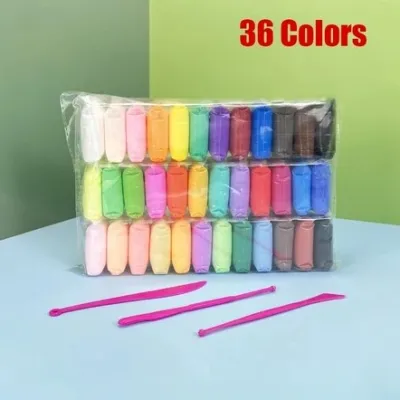
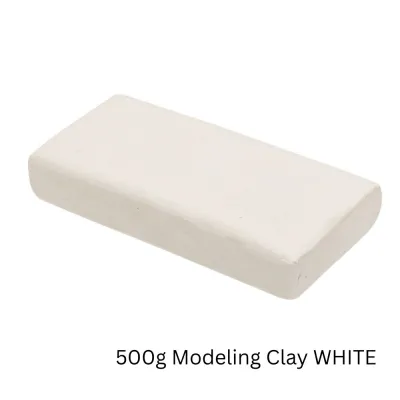
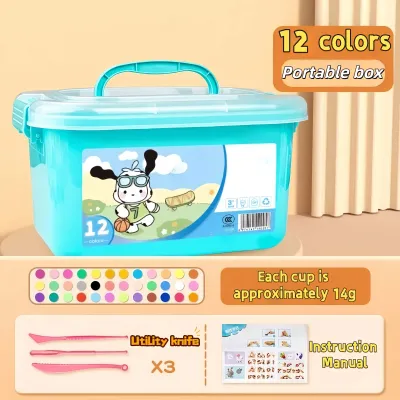
Prices are valid at publication and may change. Please refer to the product page for the latest price.
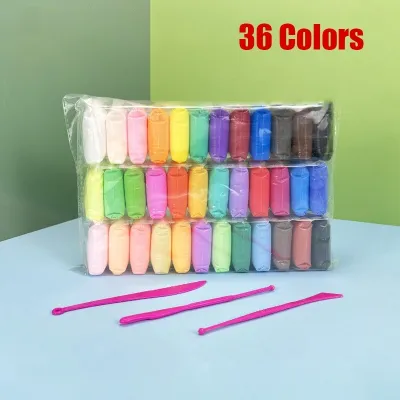
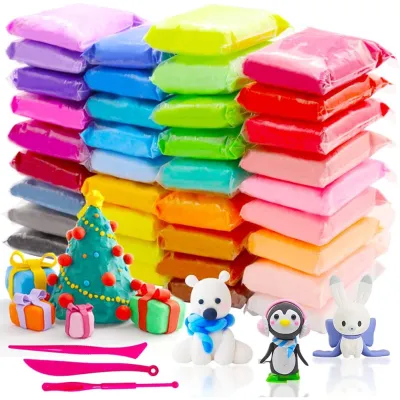
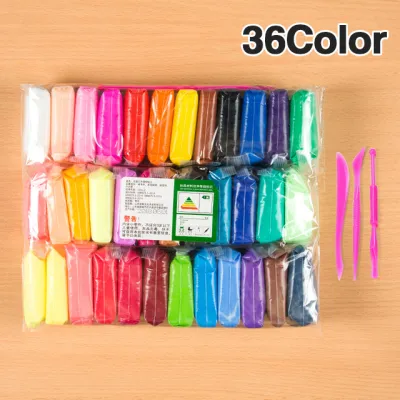
First, evaluate the clay volume and color variety. Many budget sets tempt buyers with 24 or 36 different colors, but a closer look reveals that each color is packaged in a tiny, 10-gram packet. This volume is barely enough to sculpt a few small beads or miniature figures. For standard crafting projects, such as jewelry dishes, small planters, or detailed figurines, look for sets that offer larger, substantial blocks of clay. A good baseline is a set that provides at least 500 grams to 1 kilogram of total clay. If you are a beginner, prioritizing a larger volume of neutral white or terracotta clay is often much more practical than receiving dozens of tiny, colorful packets, as white clay can be easily painted with acrylics once it cures.
Next, examine the included shaping and detailing tools. A functional kit must feature tools that cover the three primary stages of sculpting: cutting, smoothing, and detailing. At a minimum, the set should include a smooth rolling pin (ideally made of acrylic or solid wood) to flatten the clay to an even thickness. It should also feature several modeling sticks or wooden spatulas, which are essential for blending seams, smoothing out rough joints, and joining separate pieces of clay together. For fine details, look for sculpting knives and needle tools that allow you to carve clean lines, add textures like hair or foliage, and poke precise holes for jewelry or hanging ornaments.
Finally, a comprehensive bundle should include essential finishing accessories that protect your workspace and help you polish your final pieces. A silicone or flexible plastic work mat is incredibly useful, as it prevents the wet clay from sticking to your table and tearing when you try to lift it. Some premium kits also include a cutting wire—a thin wire attached to two wooden handles—which allows you to slice clean, even slabs from a large block of clay. Lastly, look for the inclusion of fine-grit sandpaper, which is indispensable for smoothing out minor imperfections, fingerprints, and rough edges once your sculpted pieces have fully dried.
Evaluating the Clay: Quality Markers and Material Checks
The quality of the clay itself is the most critical factor in your crafting experience. Low-grade air dry clay can be sticky, difficult to smooth, prone to severe cracking as it dries, or even emit unpleasant chemical odors. Because sculpting requires prolonged, direct contact with your hands, you must verify the clay’s safety and usability using observable packaging details and manufacturer specifications before you begin working.

Your first step should always be checking the product labels for recognized non-toxic safety markings. Look for certifications such as ASTM D-4236 or EN71. These markings guarantee that the clay formulation has been evaluated by a toxicologist and is free from harmful heavy metals, toxic solvents, or skin irritants. This is especially important if you are crafting with children or if you have sensitive skin. If a product listing or packaging lacks any safety certifications or manufacturer details, it is best to avoid it entirely.
Packaging integrity is another vital quality marker, particularly in tropical environments. Air dry clay begins to cure the moment it is exposed to air, meaning that poor packaging during transit can ruin the clay before it even reaches your home. Inspect the product images or reviews to ensure that the clay blocks are individually vacuum-sealed in thick, durable plastic. Resealable zip-top pouches or airtight plastic tubs are highly desirable, as they provide a built-in way to store leftover clay. In the Philippines, where high humidity can cause poorly sealed clay to attract moisture and develop mold, and air-conditioned rooms can dry it out rapidly, robust packaging is your first line of defense.
Lastly, review the manufacturer-stated drying times, shrinkage rates, and recommended sealing methods. Because the exact drying speed, flexibility, and cracking resistance depend entirely on the specific material formulation of the clay, these properties can vary widely between brands. High-quality air dry clay typically shrinks by about 5% to 10% as its water content evaporates. To prevent your projects from warping or cracking, always perform a small trial check before starting a major piece. Roll out a small, flat tile of clay and let it dry completely in your usual crafting space. This simple test allows you to observe how the clay behaves, how long it takes to cure in your local humidity, and whether it maintains its structural integrity without cracking.
Assessing the Included Tools: Functionality Over Quantity
It is a common marketing tactic for manufacturers to inflate the value of a clay set by packing the box with dozens of cheap, identical plastic tools. However, a kit with five high-quality, durable tools is infinitely more valuable than a kit with thirty flimsy plastic ones that bend, warp, or leave ugly marks on your work. When evaluating a set, prioritize the material, construction, and scale of the tools over the sheer quantity of items in the box.
Begin by evaluating the materials used to construct the tools. Budget clay sets almost always feature tools made from cheap, hollow, injection-molded plastic. These tools often have sharp, raised seams left over from the manufacturing mold, which can easily scratch your clay and ruin a smooth finish. Furthermore, plastic tools lack the rigidity needed to carve or shape firmer clays. Instead, look for sets that feature tools made from polished, close-grained wood or stainless steel. Wooden modeling tools feel warm and comfortable in the hand, and they can be easily sanded down if they ever get nicked. Stainless steel detailing tools, such as loop tools or ribbon tools, offer unmatched precision and will not bend or flex under pressure.
Ergonomics and construction quality are equally important. A good sculpting tool should feel balanced and comfortable to hold for hours at a time. Look for tools with rounded, ergonomic wooden handles or textured metal grips that prevent slipping. Pay close attention to how metal tips, loops, or wire cutters are attached to their handles. High-quality tools feature secure metal ferrules that tightly bind the metal component to the handle. If the metal tips are simply glued into cheap plastic handles, they are highly likely to wobble, loosen, or pull out entirely after just a few uses.
Finally, verify that the larger tools in the set are appropriately sized for the volume of clay provided. A tiny, three-inch plastic rolling pin is virtually useless if you are trying to roll out a slab of clay to make a jewelry dish or a small tray. Similarly, a cutting wire should be long enough to easily slice through the largest block of clay included in the kit. The tools should feel like professional instruments rather than miniature toys, ensuring that you can work efficiently and achieve clean, professional results.
Red Flags to Avoid When Buying Clay Bundles
Navigating online marketplaces can be tricky, as many low-quality clay sets are presented with highly edited photos and misleading descriptions. To protect your budget and avoid disappointment, you must learn to spot the common red flags that indicate a low-quality, incomplete, or misleading product listing.
The most common red flag is a vague product description that hides the actual net weight or volume of the clay. Listings that loudly advertise “50-Piece Clay Set!” but fail to state the weight of the clay blocks in grams or ounces are often trying to hide the fact that they are selling tiny, single-use packets. A “piece” in these listings can refer to a cheap plastic mold, a tiny wire, or even a sheet of stickers. Always look for explicit measurements, such as “500g total weight” or “20g per block,” so you know exactly how much material you are paying for.
Another major warning sign is damaged, unsealed, or excessively generic packaging. If the product images show clay blocks wrapped in plain, unlabeled plastic wrap with no brand name, safety warnings, or manufacturer details, proceed with extreme caution. This lack of branding often points to low-grade industrial clay that has not undergone safety testing. This type of clay may contain harsh chemical odors, excessive chalky fillers that make the clay brittle, or allergens that can cause skin irritation during prolonged contact.
Lastly, be wary of sets where the tool count is artificially inflated with non-functional, single-use, or novelty items. Many cheap bundles include items like flimsy plastic keychains, low-grade glitter packets, cheap plastic beads, or repetitive cookie cutters that do not actually aid in the sculpting process. These items are added simply to make the bundle look larger and more appealing to beginners. A high-quality set will focus on versatile, multi-use sculpting tools rather than cheap plastic accessories that will likely end up in the trash after your first crafting session.
Supplementing or Building Your Own Custom Clay Kit
If you find that most pre-packaged bundles on the market fall short in terms of clay quality or tool durability, building your own custom clay kit is a highly practical and rewarding alternative. By sourcing your clay and tools separately, you can ensure that every single item in your kit is durable, safe, and perfectly suited to the specific projects you want to create.
When building a custom kit, you can invest in specialized tools that are rarely included in standard bundles. For example, high-quality steel ribbon tools, heavy acrylic rollers, and professional-grade silicone smoothing brushes are best purchased individually from dedicated art supply stores. These tools offer superior durability and precision, allowing you to achieve professional-grade finishes that are difficult to replicate with cheap plastic kit tools.
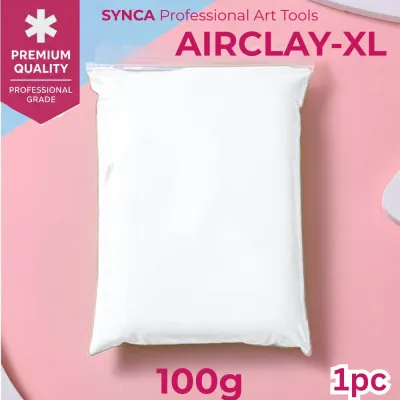
You can then pair these high-quality tools with standalone, premium air dry clay blocks. Purchasing a large, 1-kilogram block of professional-grade white or terracotta air dry clay allows you to work on larger projects without worrying about running out of material. This approach also ensures that you are getting fresh, well-sealed clay from a reputable manufacturer with clear safety certifications and predictable drying characteristics.
From a financial perspective, building a custom kit is often much more cost-effective than it seems. A cheap, pre-packaged clay bundle on an online marketplace might cost around ₱250 to ₱350, but the tools are likely to break quickly, and the tiny clay packets will run out after one or two small projects. In contrast, purchasing a premium 1-kilogram block of air dry clay for approximately ₱300 and a sturdy, reusable 5-piece wooden modeling tool set for around ₱250 brings your total investment to about ₱550. While the initial cost is slightly higher, the custom setup provides significantly more clay by weight and tools that will last for years, making it the far more economical and satisfying choice for anyone serious about clay crafting.
Frequently Asked Questions (FAQ)
How should I store leftover air dry clay from my set?
To prevent your leftover air dry clay from hardening and becoming unusable, you must protect it from air exposure. Wrap the remaining clay tightly in several layers of plastic cling wrap, pressing out any trapped air bubbles as you go. Once wrapped, place the clay inside an airtight plastic container or a heavy-duty, resealable zip-top bag. In the warm, tropical climate of the Philippines, store this container in a cool, dark cupboard away from direct sunlight or heat sources, which can cause the clay to sweat and lose its moisture. For long-term storage, you can place a slightly damp paper towel inside the outer container (ensuring it does not directly touch the clay) to maintain a humid environment.
Can I use regular household items instead of the included sculpting tools?
Yes, you can easily supplement your clay kit or start crafting using common household items. Wooden toothpicks and bamboo skewers make excellent detailing needles for carving fine lines or poking holes. A plastic butter knife, an old credit card, or a metal ruler can be used for straight cuts and scraping, while a smooth glass bottle, a drinking glass, or a piece of PVC pipe can stand in as a rolling pin. If you use household items, ensure they are thoroughly washed after use and are no longer used for food preparation, as craft materials should always be kept separate from kitchen hygiene.

Community discussion
Share your experience or ask a question. Comments are reviewed before publication.