
Selecting the right modeling material for children’s crafts involves balancing creative freedom, safety, and the practicalities of clean-up and curing. With numerous options lining the shelves of local stationery stores and online marketplaces, parents often find themselves choosing between two primary contenders: air-dry clay and polymer clay. Both materials offer unique tactile experiences, but they behave differently under little hands and require distinct environments to cure successfully.
To make the best choice for your next crafting session, consider your child’s age, the complexity of the project, and how much hands-on supervision you can provide. Air-dry clay is generally the preferred option for younger children, casual play, and quick school assignments because it requires no heat to cure and is exceptionally easy to clean up. Polymer clay is better suited for older children, detailed crafting, and long-lasting keepsakes, provided an adult is available to manage the baking process. Before purchasing any clay, always verify that the packaging displays recognized non-toxic safety certifications.
Ease of Use and Shaping: How Each Clay Handles in Little Hands
The physical properties of clay dictate how easily a child can manipulate, shape, and refine their creations. Younger children often lack the hand strength required to work stiff materials, making the initial texture of the clay a critical factor in their enjoyment.
Products mentioned in this guide
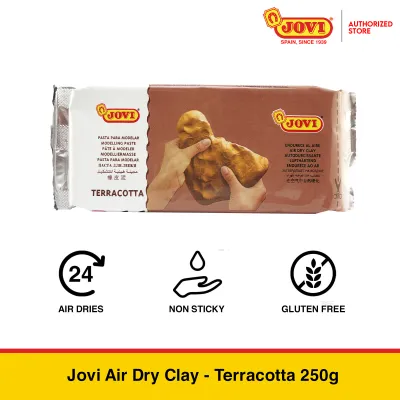
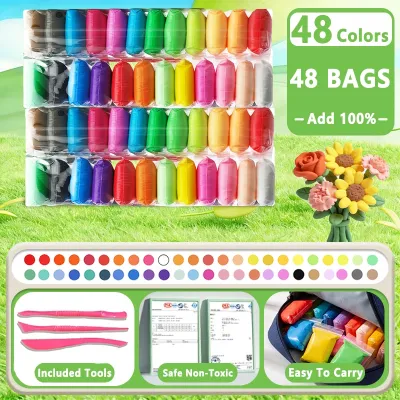
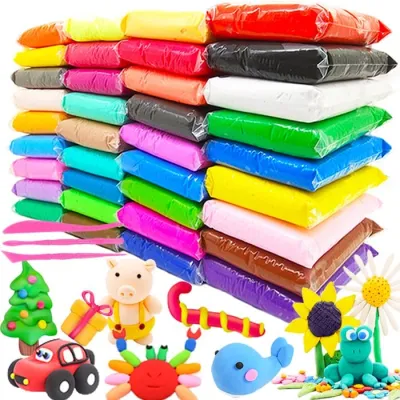
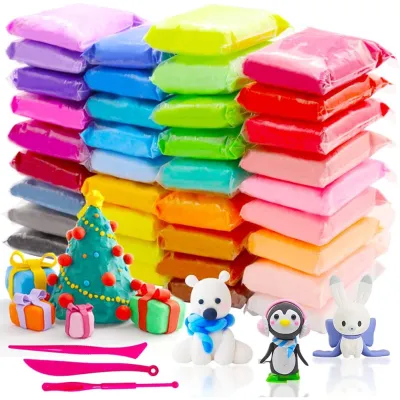
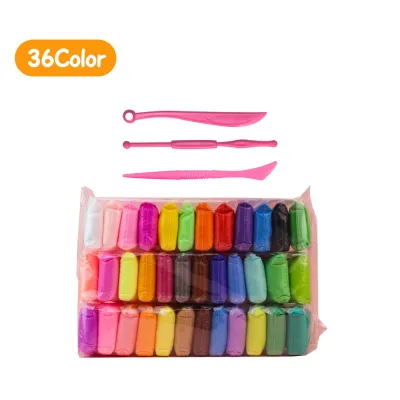
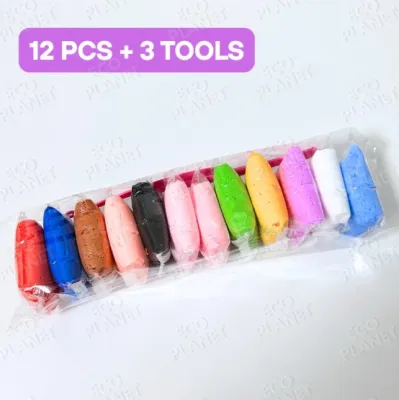
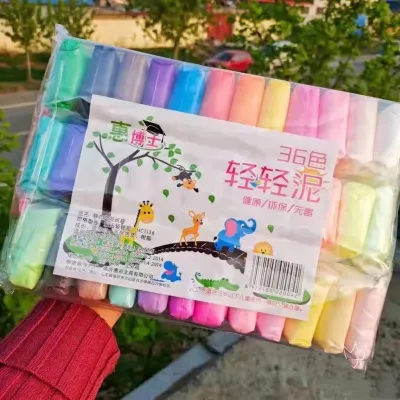
Prices are valid at publication and may change. Please refer to the product page for the latest price.
Polymer clay is a synthetic material made from PVC plastic and liquid plasticizer. Out of the package, it can feel quite firm and cold, requiring a process called conditioning. Conditioning involves kneading, rolling, and warming the clay with hands to make it pliable. For toddlers and younger kids, this initial step can be frustrating without adult assistance. However, once conditioned, polymer clay is highly responsive, holds its shape without drooping, and does not dry out while being worked.
Air-dry clay, which is often water-based or made from lightweight paper fibers, is soft and ready to mold immediately. It requires virtually no prep work, allowing children to begin building right away. The trade-off is that air-dry clay begins to dry as soon as it is exposed to the air. In warm or drafty rooms, the surface can develop tiny cracks during long crafting sessions. Keeping a small sponge or a spray bottle of water nearby allows children to smooth out these cracks easily, though adding too much water can make the clay sticky and difficult to manage.
When it comes to detail retention, polymer clay is the clear choice for intricate work. It can be rolled into incredibly thin sheets, extruded into fine strands, and sculpted into sharp, precise edges that do not warp. Air-dry clay is better suited for broader, organic shapes like pinch pots, simple animal figures, and relief plaques. Because air-dry clay loses water weight as it cures, it undergoes slight shrinkage, which can cause fine details to soften or warp during the drying process.
Safety and Supervision: Baking Requirements and Non-Toxic Labels
Safety is the most critical consideration when introducing any new art medium to children. The primary difference between these two clays lies in how they cure, which directly impacts the level of adult supervision required.

Air-dry clay cures naturally at room temperature. Depending on the thickness of the sculpture and the ambient humidity, it fully hardens within 24 to 72 hours. Because it requires no external heat source, children can complete the entire process independently from start to finish. This makes air-dry clay an excellent choice for classroom settings, playdates, or independent quiet time at home.
Polymer clay does not dry in the air; it must be cured using heat to fuse the plastic polymers. This requires baking the finished pieces in a standard home oven or a dedicated toaster oven, typically at temperatures ranging from 110°C to 135°C (230°F to 275°F). Because of the risk of burns and the precision required to maintain correct temperatures, baking must be handled entirely by an adult. Overheating polymer clay can cause it to scorch and release irritating fumes, making strict adherence to the manufacturer’s temperature guidelines essential.
Proper ventilation is necessary whenever baking polymer clay. It is best to open kitchen windows or run an exhaust fan during the curing process. Additionally, any tools, rollers, or baking sheets used for polymer clay should be dedicated exclusively to crafts. Because polymer clay contains plasticizers, these utensils should never be reused for food preparation. Air-dry clay, being water-based, is generally much easier to clean off household surfaces and hands with simple soap and water.
Regardless of which clay you choose, never rely on general material assumptions. Always inspect the product packaging for recognized safety seals, such as the ASTM D-4236 designation, which indicates the material has been evaluated by a toxicologist and labeled for safe art use. Additionally, check the manufacturer’s age recommendations, as many polymer clays are rated for ages 8 or 14 and older due to the baking requirement, while air-dry clays are often suitable for younger children.
Finished Results: Durability, Painting, and Display
The longevity and appearance of the finished craft often determine how satisfying the project is for the child. Matching the material to the intended use of the final object prevents disappointment down the road.
Once baked, polymer clay transforms into a durable, slightly flexible, and completely waterproof plastic. It can withstand being dropped, handled, and even exposed to moisture without degrading. This makes it highly suitable for creating wearable jewelry, custom keychains, miniature figurines, and decorative items that will be handled frequently. The colors of polymer clay remain vibrant and true to their pre-baked state, requiring no additional paint or sealant to look finished.
Air-dry clay dries to a lightweight, porous, and somewhat brittle state. Unsealed air-dry clay remains highly sensitive to water; if it gets wet, it will soften, warp, and eventually dissolve. To preserve air-dry clay projects, they must be coated with a protective acrylic varnish or sealer once they are completely dry. While less durable than polymer clay, air-dry clay is highly receptive to post-cure decoration. Its porous surface easily absorbs water-based acrylic paints, tempera, poster paints, and even felt-tip markers, making it a highly customizable medium for school dioramas and structural models.
For temporary crafts, classroom activities, or quick afternoon projects, the structural limitations of air-dry clay are rarely an issue. However, if your child wants to create a lasting keepsake, such as a handprint dish, a holiday ornament, or a detailed sculpture to display on a shelf for years, polymer clay or a thoroughly sealed air-dry clay is necessary to prevent cracking and deterioration over time.
Side-by-Side Comparison: Air-Dry vs Polymer Clay for Kids
To help you quickly evaluate which material fits your current crafting goals, use this comparison table to match the characteristics of each clay to your child’s age and your household setup.
| Feature | Air-Dry Clay | Polymer Clay | What to Check on the Label |
|---|---|---|---|
| Curing Method | Air cures at room temperature (24–72 hours) | Requires oven baking (110°C–135°C) | Baking temperature and time limits |
| Supervision Level | Low; safe for independent play | High; adult must handle the baking | Age recommendations and warnings |
| Water Resistance | Low; remains water-soluble unless sealed | High; completely waterproof after baking | Sealant compatibility instructions |
| Detail Retention | Moderate; prone to minor shrinkage | High; retains sharp, intricate details | Conditioning and pliability notes |
| Ideal Age Group | Toddlers to young children (3+) | Older children and teens (8+ or 14+) | Safety certifications (e.g., ASTM D-4236) |
| Storage Needs | Must be kept airtight to prevent drying | Store in a cool, dry place away from heat | Storage and shelf-life recommendations |
Rather than looking for a universal winner, use this table to assess your available equipment and the level of involvement you want to have in the crafting process. If you lack a reliable oven or prefer a hands-off activity, air-dry clay is the practical choice. If you want to create durable, detailed items and don’t mind managing the baking, polymer clay offers superior longevity.
How to Verify Clay Safety and Suitability Before Buying
Before purchasing clay at a local store or ordering online, taking a few moments to read the packaging ensures a safe and frustration-free crafting experience. Use this checklist to evaluate specific products:
- Confirm Safety Certifications: Look for clear indications of non-toxicity. In addition to ASTM D-4236, look for regional safety marks that confirm the product meets strict toy safety standards.
- Check the Age Rating: Ensure the product matches your child's developmental stage. Avoid giving polymer clay to children who still put objects in their mouths, as the raw clay should not be ingested.
- Identify Required Accessories: Determine what extra items you need to complete the project. For air-dry clay, you may need to purchase acrylic paints and a clear sealer. For polymer clay, ensure you have parchment paper, a dedicated baking tray, and an oven thermometer to verify your oven's accuracy.
- Assess Storage Requirements: In tropical climates with high humidity, opened air-dry clay can attract mold if stored wet, or dry out completely if left exposed. Look for brands that come in resealable pouches, or prepare airtight plastic containers with silicone seals to store leftover clay. Keep polymer clay wrapped in wax paper or plastic wrap inside a cool drawer, away from direct sunlight and metal roofs that trap intense heat.
Frequently Asked Questions (FAQ)
Can air-dry clay be reused if it starts to dry out?
Yes, air-dry clay can often be rehydrated if it has only begun to stiffen. If the clay is slightly dry or losing its pliability, add a few drops of water and knead it thoroughly on a non-porous surface. For clay that has become quite hard but is not yet fully cured, wrap it in a damp paper towel, place it inside a sealed plastic bag, and let it sit overnight to absorb the moisture. However, once air-dry clay has fully hardened, crumbled, or lost its structural integrity, it cannot be successfully restored to a workable state and should be discarded.
Is it safe to bake polymer clay in the same oven used for food?
Generally, manufacturers state that it is safe to bake polymer clay in a home oven, provided you strictly adhere to the recommended baking temperatures. However, because polymer clay releases mild plasticizer fumes during curing, you must ensure excellent ventilation. To prevent any residue from settling on the oven walls or food racks, you can bake the clay inside a sealed aluminum foil tent or a dedicated polyester baking bag. If you plan to craft frequently, using a dedicated countertop toaster oven placed in a well-ventilated garage or utility room is highly recommended.
Which clay is better for making functional items like small bowls or jewelry?
Polymer clay is significantly better for making functional items like jewelry, keychains, and small decorative bowls because of its post-cure strength, flexibility, and water resistance. Air-dry clay is too fragile and sensitive to moisture for items that will be handled regularly, unless it is coated in multiple layers of heavy-duty protective varnish. It is important to note that neither air-dry clay nor polymer clay is food-safe. Even when sealed, neither material should ever be used to create plates, cups, or utensils intended to come into direct contact with food or beverages.

Community discussion
Share your experience or ask a question. Comments are reviewed before publication.