
Selecting the right modeling clay depends entirely on whether your project requires permanent durability, intricate detail, or reusable flexibility. For large, rustic sculptures and easy painting, air-dry clay is highly accessible. If you are crafting delicate jewelry, miniatures, or waterproof items, polymer clay offers unmatched strength after heat curing. For temporary models, stop-motion animation, or sculpting practice, plasticine remains soft indefinitely. Understanding how these materials behave under local environmental conditions, such as high tropical humidity, ensures your finished piece looks exactly as intended without cracking or melting.
Understanding the Core Differences in Modeling Clay
Modeling clays are formulated differently to serve distinct creative purposes. The primary difference lies in how they transition from a pliable state to a finished form. Some require simple air exposure, others need heat activation, and some are designed never to set at all.
Air-dry clay is water-based. It hardens through natural evaporation. As the water leaves the clay, the material shrinks slightly and becomes solid, though it remains porous and sensitive to moisture unless sealed.
Products mentioned in this guide
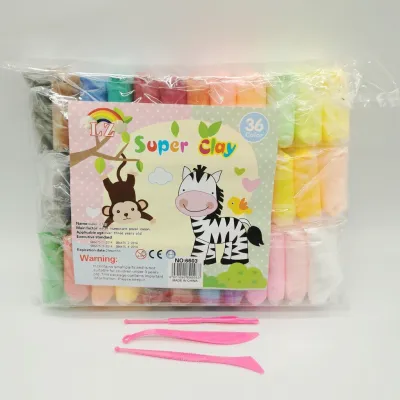
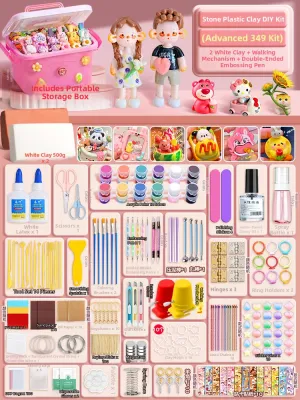
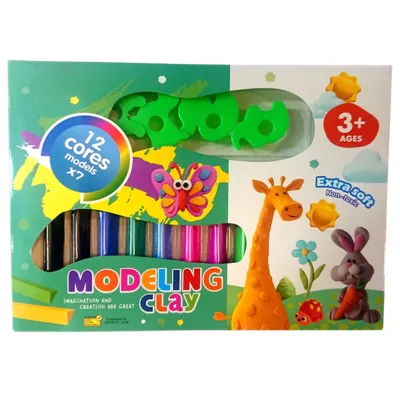
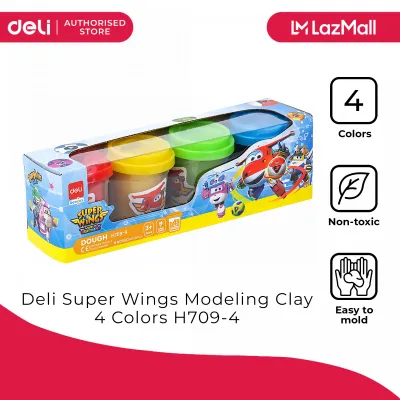
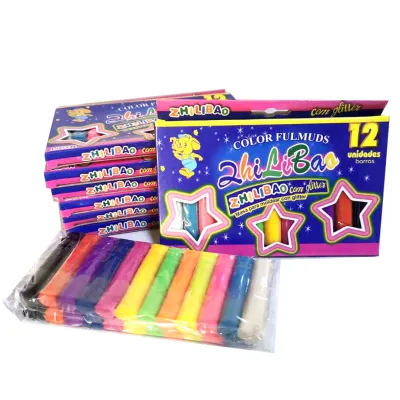
Prices are valid at publication and may change. Please refer to the product page for the latest price.
Polymer clay is synthetic, formulated from polyvinyl chloride (PVC) resin and liquid plasticizers. It does not dry out at room temperature. Instead, it requires heat activation—typically in a home oven—to fuse the plastic particles into a durable, waterproof solid.
Plasticine is oil- and wax-based. Because it contains no water or volatile solvents, it never dries out or hardens. It remains pliable and reusable, though it is highly sensitive to ambient temperatures.
When to Choose Air-Dry Clay for Your Project
Air-dry clay is the go-to choice for large-scale sculptures, school dioramas, and hand-built pottery. Because it does not require an oven, you can work on large pieces that would never fit inside a standard baking appliance. It is highly receptive to acrylic paints, markers, and various clear sealants once fully cured.

Working with air-dry clay requires patience, particularly in humid tropical climates. High humidity slows down the evaporation process, meaning a thick sculpture might take several days to dry completely. As the water evaporates, the clay shrinks. If you build a thick layer over a rigid internal support like wire or foil, this shrinkage can cause surface cracks.
To prevent cracking, apply the clay in thin, even layers and allow them to dry gradually. Once dry, the surface is matte and slightly chalky. It is also relatively fragile when rolled thin, making it unsuitable for delicate jewelry. Because it remains water-soluble even after drying, you must apply a protective varnish or sealer to shield the piece from moisture and humidity. It is never food-safe, so it should only be used for decorative items.
When to Choose Polymer Clay for Your Project
Polymer clay is ideal for detailed figurines, custom jewelry, beads, and intricate miniatures. Its dense, plastic-based composition allows it to hold incredibly fine details without drooping or losing shape before baking. It is available in a vast array of vibrant colors, metallic finishes, and translucent styles, reducing the need for post-bake painting.
Curing polymer clay requires precise temperature control. You must bake the finished piece in a conventional home oven or toaster oven according to the manufacturer’s exact instructions. If the oven is too cool, the plastic particles will not fuse completely, leaving the item brittle and prone to snapping. If the oven is too hot, the clay can burn, releasing unpleasant fumes and ruining your work. Using an independent oven thermometer is an excellent way to verify the actual temperature inside your appliance.
Once properly cured, polymer clay is highly durable, slightly flexible, and completely waterproof. It can be sanded, drilled, carved, and painted. Despite its plastic durability, cured polymer clay is not certified food-safe. Avoid using it for functional kitchenware like plates, bowls, or the eating ends of utensils, though it is perfectly safe for decorative handles and jewelry.
When to Choose Plasticine for Your Project
Plasticine is the ultimate medium for temporary creations, prototyping, and stop-motion animation. Because it is formulated with oils and waxes, it never hardens, cracks, or loses its pliability. This makes it incredibly cost-effective for sculpting practice, as you can smash a model down and reuse the same block of clay indefinitely.
The texture of plasticine is highly responsive to warmth. In a warm room, the clay becomes exceptionally soft and easy to mold. In cooler environments, it firms up, allowing it to hold its shape during stop-motion filming under warm studio lights. It is also widely used in industrial design and mold-making to create temporary barriers or plugs.
The primary limitation of plasticine is its inability to be permanently preserved. You cannot bake, air-dry, or paint plasticine. Over time, models left on display may collect dust, which is difficult to clean off the slightly tacky surface. Additionally, the oils in the clay can transfer to porous surfaces like unfinished wood or paper, leaving greasy stains. If exposed to direct sunlight or extreme tropical heat, plasticine models can soften to the point of drooping or melting entirely.
Side-by-Side Comparison of Modeling Clay Types
This quick-reference matrix compares the three clays across critical crafting dimensions:
| Feature | Air-Dry Clay | Polymer Clay | Plasticine |
|---|---|---|---|
| Drying Method | Air evaporation (no heat) | Oven baking (heat activation) | Non-drying (remains soft) |
| Composition | Water-based | PVC resin and plasticizers | Oil and wax-based |
| Durability | Moderate (can chip or break) | High (durable and slightly flexible) | Low (easily deformed) |
| Water Resistance | Low (requires sealing) | High (waterproof after curing) | High (repels water but melts in heat) |
| Surface Finish | Matte, chalky, paintable | Matte, satin, or glossy (pre-colored) | Slightly oily, semi-matte |
| Best For | Large sculptures, pottery, school crafts | Jewelry, miniatures, detailed charms | Stop-motion, practice, mold-making |
When purchasing any modeling clay, always verify the specific manufacturer instructions on the packaging. Baking times and temperatures vary significantly between polymer clay brands. Similarly, some air-dry clays are fiber-reinforced for extra strength, while others are lightweight and spongy, which alters their drying times and finishing requirements.
How to Match the Right Clay to Your Specific Project
To finalize your decision, evaluate your project goals against these practical guidelines.
Choose Air-Dry Clay if:
- You are working on a large-scale project, such as a decorative bowl, wall hanging, or large bust.
- You do not have access to a dedicated baking oven or prefer not to use heat.
- You want to paint your finished piece with acrylics or watercolors to achieve a custom, hand-painted look.
- You are crafting with a group where baking multiple pieces is impractical.
Choose Polymer Clay if:
- You are making wearable jewelry, delicate charms, or highly detailed figurines.
- You need the finished item to be durable, waterproof, and resistant to dropping.
- You want to work with vibrant, pre-mixed colors and specialized finishes like glitter or glow-in-the-dark.
- You have a reliable oven and can safely monitor the curing temperature.
Choose Plasticine if:
- You are practicing sculpting techniques or creating temporary prototypes.
- You are setting up a stop-motion animation project that requires characters to change expressions frame by frame.
- You want a reusable material that will not dry out if left uncovered on a desk.
- You need a non-hardening clay to seal molds or create temporary barriers for casting resins.
Before starting, always check the product labels for age recommendations and safety certifications. While many modeling clays are labeled non-toxic, some polymer clays require adult supervision during the baking process due to the heat involved. Ensuring your workspace is well-ventilated and your tools are dedicated solely to crafting will keep your creative process safe and enjoyable.
Frequently Asked Questions (FAQ)
Can I mix air-dry clay and polymer clay in the same project?
No, you should not mix raw air-dry clay and raw polymer clay together. They cure through completely incompatible processes. Air-dry clay needs water to evaporate to harden, while polymer clay requires oven heat to cure. If you bake raw air-dry clay, the rapid moisture loss can cause it to warp, crack, or even bubble. Conversely, if you let the mixture air-dry, the polymer clay portion will remain soft and uncured. If your project requires both materials, the best approach is to cure them separately. For example, you can bake a polymer clay detail, let it cool, and then attach it to a dry air-dry clay base using a strong adhesive.
Is modeling clay safe for young children?
Safety depends on the specific type of clay and the child’s age. Most plasticine and school-grade air-dry clays are formulated to be non-toxic and are highly suitable for young children. However, you must always check the packaging for official non-toxic seals and age recommendations. Polymer clay is generally recommended for older children and teens because it requires baking in a hot oven, which poses a burn risk. Additionally, raw polymer clay can leave a plasticizer residue on hands, so thorough handwashing after crafting is essential. Regardless of the clay type, young children should always be supervised to prevent accidental ingestion or choking hazards.
How should I store leftover clay to keep it usable?
Proper storage depends entirely on the clay’s composition. For air-dry clay, prevent exposure to air by wrapping the leftover portion tightly in plastic wrap, placing it in an airtight container, and adding a slightly damp paper towel to maintain humidity. For polymer clay, store it in a cool, dark place away from direct sunlight, which can prematurely semi-cure the material. Keep it wrapped in wax paper or stored in polypropylene plastic containers, as some other plastics can react with the clay’s plasticizers and melt. Plasticine is the easiest to store; simply wrap it in parchment paper or place it in a standard storage bag to keep it free from dust and pet hair, as it will not dry out even if left exposed.

Community discussion
Share your experience or ask a question. Comments are reviewed before publication.