
Choosing the right clay is the most critical decision you will make before starting your pottery or modeling journey. The ideal material depends on your access to specialized equipment, your workspace, and what you plan to create. While ceramic clay is the traditional choice for functional pottery, alternative materials like polymer and air-dry clay offer accessible paths for home crafters. By understanding the unique properties, curing methods, and limitations of each clay type, you can select the perfect medium for your creative goals and avoid costly mistakes.
Quick Diagnostic: Which Clay Fits Your Current Setup?
Your physical workspace and available equipment are the ultimate deciding factors when choosing a clay type. Ceramic clay is strictly off-limits if you do not have access to a professional pottery kiln. A standard kitchen oven cannot reach the extreme temperatures—often exceeding 1,000°C—required to chemically transform raw ceramic clay into durable stoneware or earthenware. Attempting to fire ceramic clay in a home oven will only result in a fragile, unfired piece that will dissolve when exposed to moisture.
Polymer clay offers a highly accessible alternative for home crafters because it cures at much lower temperatures, typically between 110°C and 135°C. This temperature range is easily achievable in a standard kitchen oven or a dedicated toaster oven. However, your project size is strictly limited by the physical dimensions of your oven cavity. You must also monitor the temperature closely with an independent oven thermometer, as built-in oven dials are notoriously inaccurate and overheating can ruin your work.
Products mentioned in this guide
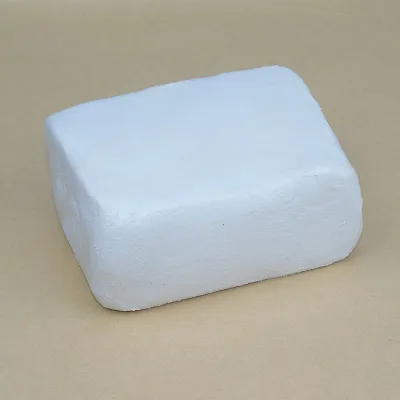
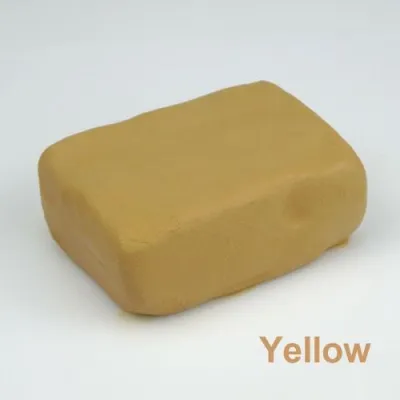
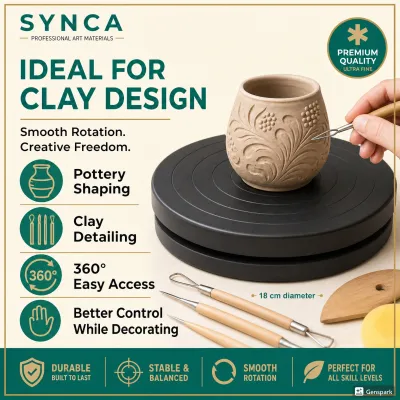
Prices are valid at publication and may change. Please refer to the product page for the latest price.
Air-dry clay is the most convenient option for those living in apartments, working in shared spaces, or crafting with children. It requires no heat source at all, curing entirely at room temperature over a period of 24 to 72 hours. However, environmental factors play a significant role in the drying process. In tropical climates with high ambient humidity, such as the Philippines, air-dry clay will take considerably longer to cure, requiring patience and a well-ventilated, dry storage area to prevent mold growth during the drying phase.
Evaluating Your Skill Level and Project Intent
Aligning your crafting experience with the physical handling properties of each clay ensures a frustrating-free creative process. Air-dry clay is exceptionally user-friendly and highly recommended for beginners, schools, and casual hobbyists. It is water-based, which makes it incredibly easy to shape, smooth with a wet fingertip, and clean up using only water. Because it does not require specialized tools or firing, it is perfect for quick sculptural pieces, decorative trays, and simple hand-built items that will not be exposed to water.

Polymer clay is ideal for intermediate crafters who want to focus on fine details, miniatures, or jewelry making. Unlike water-based clays, polymer clay is oil-based, meaning it will not dry out when exposed to air, allowing you to work on a single piece over several days. However, it requires a process called “conditioning”—kneading and warming the clay with your hands or a clay roller—to activate the plasticizers and make it pliable. It demands a higher level of precision, as fingerprints and dust show up easily on its smooth surface.
Ceramic clay is best suited for dedicated hobbyists, students, or professionals who want to create traditional, functional pottery. Working with ceramic clay requires learning specialized techniques such as wheel-throwing, slab building, or coiling. It also involves navigating the complex drying stages of clay, from wet to leather-hard, bone-dry, and finally fired ceramic. If you are willing to invest the time to learn these techniques and have access to a local pottery studio or community kiln, ceramic clay offers unmatched creative freedom and structural permanence.
Comparing Durability, Finishing, and Post-Processing Needs
Anticipating the finishing steps and long-term durability of your chosen material will help you select the right clay for your project’s intended use. Air-dry clay remains water-soluble even after it has fully cured. To protect your finished piece from moisture and humidity, you must apply an external synthetic sealant, such as an acrylic varnish or polyurethane coat. Even with a sealant, air-dry clay remains relatively brittle and is not suitable for outdoor use or any application where it will hold water.
Polymer clay cures into a durable, slightly flexible plastic that is naturally water-resistant. While it does not require a sealant for moisture protection, you may choose to apply specialized glazes to achieve a high-gloss or matte finish, or to protect surface paints and metallic powders. When sanding cured polymer clay to achieve a smooth finish, you must practice wet-sanding. Dry-sanding polymer clay releases fine plastic dust into the air, which requires wearing a well-fitting dust mask and working in an easily cleanable area.
Ceramic clay provides the ultimate level of durability and structural integrity once it has undergone both bisque and glaze firings. Fired ceramic is completely rigid, highly scratch-resistant, and capable of lasting for centuries. It is the only material among the three that can be coated with liquid silica glazes and fired to create a non-porous, glassy surface. This process makes the final piece completely waterproof, dishwasher-safe, and capable of holding hot or cold liquids indefinitely.
Safety, Storage, and Workspace Preparation
Establishing proper safety protocols and storage habits will keep your materials usable and protect your health. When baking polymer clay in a home oven, proper ventilation is essential. Always open windows or run an exhaust fan to prevent the buildup of mild fumes. If polymer clay is accidentally overheated or burned, it can release irritating hydrochloric acid gas; if this occurs, immediately turn off the oven, open all windows, and leave the room until the air is clear.
Proper moisture control is vital for preserving water-based clays like air-dry and ceramic varieties. Both materials must be stored in airtight plastic containers or heavy-duty zip-top bags to prevent them from drying out prematurely. In warm, tropical environments, adding a slightly damp paper towel inside the storage container can help maintain the necessary humidity levels. However, avoid making the towel dripping wet, as excess moisture can encourage the growth of mold on the clay surface.
Tool dedication is a critical safety rule when working with polymer clay. Because polymer clay contains synthetic plasticizers, any tools, rollers, blades, or baking sheets used to shape or cure the clay must be kept strictly separate from food preparation. Never use kitchen utensils for polymer clay crafting unless you plan to retire them permanently from food use. For baking, you can line your standard oven trays with parchment paper or aluminum foil to create a safe barrier between the clay and your cooking surfaces.
Sourcing Your Materials and Next Steps
Before purchasing your supplies, take the time to read manufacturer specifications on the packaging. Look for non-toxic certifications, such as the AP (Approved Product) seal, to ensure the material is safe for home use. For polymer clay, double-check the exact baking temperature and time recommended by the manufacturer, as different brands have slightly different curing requirements. If you choose air-dry clay, verify which sealants are recommended on the label to ensure compatibility without warping the clay.
Budgeting for your pottery project depends on the scale of your work and the clay type selected. Small starter kits of polymer clay, which often include a variety of colors and basic plastic tools, are highly affordable and typically range from ₱150 to ₱500. If you are planning larger sculptural projects, bulk blocks of air-dry clay offer excellent value, starting around ₱250 for a one-kilogram block. Professional-grade ceramic clay is relatively inexpensive per kilogram, but the associated costs of studio time, glaze purchases, and kiln firing fees can increase your overall investment.
Finding reliable suppliers in the Philippines is straightforward, with many options available both locally and online. General arts and crafts stores in major shopping malls carry popular brands of air-dry and polymer clays. For specialized ceramic clay, raw glazing materials, and pottery tools, you will want to look for dedicated ceramic supply shops or local pottery studios that sell clay bodies directly to hobbyists. When ordering water-based clays from online marketplaces, try to purchase from local sellers to minimize transit times, ensuring your clay arrives fresh and pliable.
Frequently Asked Questions (FAQ)
Can I mix air-dry clay and polymer clay in the same project?
No, you should not mix raw air-dry clay and raw polymer clay together in a single project. Air-dry clay is water-based and cures through evaporation, which causes the material to shrink as it dries. Polymer clay is oil-based and requires heat to cure, experiencing almost zero shrinkage during the baking process. If you attempt to bake them together, the water evaporating from the air-dry clay will cause the polymer clay to bubble, crack, or warp. If your project requires both materials, you must cure each type of clay separately according to its specific instructions and then join the finished pieces using a strong, compatible adhesive.
Is air-dry clay safe for making food or drink containers?
No, air-dry clay is not safe for making food or drink containers, even if you apply multiple coats of craft sealant. Air-dry clay remains highly porous and water-soluble at its core. Standard craft sealants and varnishes are not rated as food-safe, and they can degrade over time when exposed to moisture, heat, or acidic foods. Any moisture that penetrates the sealant will soften the clay and create a breeding ground for bacteria and mold. For functional tableware like mugs, bowls, and plates, you must use ceramic clay that has been fired in a kiln and finished with a certified food-safe ceramic glaze.

Community discussion
Share your experience or ask a question. Comments are reviewed before publication.