
Choosing the right coloring set depends on your preferred art style, the paper you use, and your workspace. Alcohol markers excel at seamless blending and streak-free gradients, making them ideal for professional illustrations and detailed coloring. Water-based markers, on the other hand, are low-odor, resist bleeding through standard paper, and are perfect for bullet journaling, hand-lettering, and casual sketching.
Understanding how these two ink formulations behave on the page will save you from ruined paper and dry nibs. Whether you are a student working on school projects, a hobbyist filling out adult coloring books, or an illustrator creating detailed commission work, selecting the correct tool ensures your creative process remains smooth and enjoyable.
Core Differences in Ink Behavior and Blending
The primary distinction between these two marker types lies in the solvent used to carry the pigment. Alcohol markers utilize fast-evaporating alcohol, which allows the ink to flow smoothly and saturate the paper fibers quickly. This unique behavior enables artists to blend colors seamlessly, as the wet ink can dissolve and re-wet previous layers to create soft, streak-free gradients.
Products mentioned in this guide
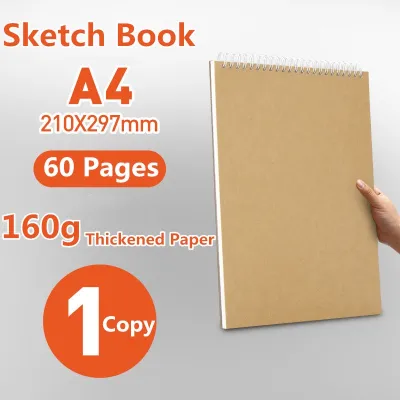
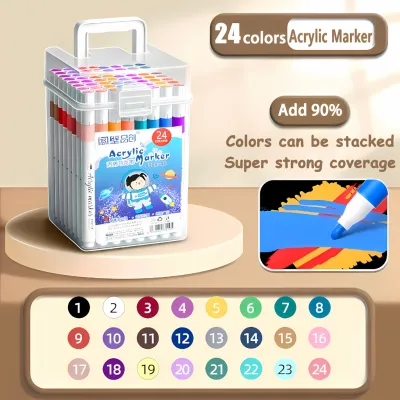
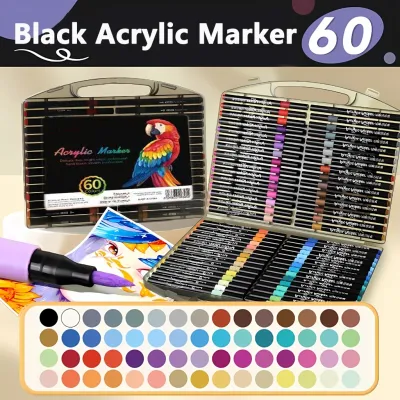
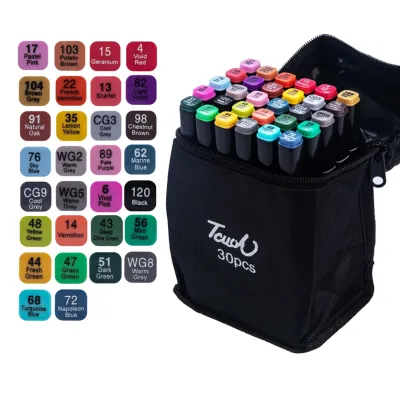
Prices are valid at publication and may change. Please refer to the product page for the latest price.
Water-based markers rely on water or a water-and-glycerin mix to carry their color. Because water does not dissolve dried ink layers in the same manner as alcohol, these markers tend to dry with distinct edges. Attempting to blend water-based inks repeatedly on the same spot can oversaturate the paper, leading to streaking or tearing as the paper fibers break down.
Layering behaves differently with each ink type. Alcohol inks are highly translucent, meaning you can build up depth, shadows, and color intensity gradually with multiple passes. Water-based inks can also be layered, but each pass darkens the color significantly and increases the risk of damaging the paper surface.
Drying time is another critical factor, especially for left-handed artists or those who color quickly. Alcohol ink evaporates almost instantly upon contact with the page, drastically reducing the risk of accidental smudging. Water-based ink remains wet on the surface slightly longer, particularly in humid tropical environments, requiring a bit more patience to avoid smears.
Paper Compatibility and Bleed-Through Management
The ink you choose dictates the type of paper you must use. Alcohol markers are highly fluid and will almost always bleed through standard printer paper, notebook pages, and thin coloring books. To prevent this ink from ruining the pages underneath, you must pair your coloring set with compatible paper.

When shopping for paper, pay close attention to the weight and coating. Look for specialized marker paper or heavy cardstock rated at 120 GSM (grams per square meter) or higher. Coated marker papers are designed to keep the ink on the surface longer, which prevents excessive absorption, saves your marker ink, and facilitates smoother blending.
Water-based markers are much more forgiving on standard paper. They generally do not bleed through medium-weight notebook pages, making them the preferred choice for double-sided journals. However, if you apply too many layers of water-based ink to thin paper, the moisture will cause the page to warp, buckle, or pill.
Regardless of the marker type you choose, using a barrier sheet is a smart habit. Placing a smooth plastic sheet, a silicone mat, or a thick piece of scrap cardstock directly beneath your active coloring page protects your desk or the subsequent pages of your book from accidental ink transfer.
Safety, Odor, and Workspace Requirements
Your physical workspace and the age of the user should play a significant role in your decision. Alcohol markers release volatile organic compounds as the alcohol evaporates, resulting in a strong, distinct chemical odor. Working with these markers requires a well-ventilated room, preferably with open windows or an active fan to keep the air moving.
Water-based markers are virtually odorless and emit no harsh fumes. This makes them incredibly comfortable for long coloring sessions in enclosed spaces, small bedrooms, or air-conditioned rooms where ventilation might be limited.
If you are purchasing a coloring set for children, safety certifications are paramount. Look for recognized non-toxic safety seals, such as the AP (Approved Product) label, on the packaging. Water-based markers are overwhelmingly preferred for younger artists because they are non-toxic and highly washable.
Clean-up is another area where water-based inks shine. They wash off skin and most fabrics easily with simple soap and water. Alcohol ink is permanent on porous surfaces; removing accidental stains from skin or desks usually requires rubbing alcohol or specialized hand cleaners, so always check the manufacturer’s care instructions before attempting heavy stain removal.
Matching the Marker Type to Your Art Style
Matching your coloring set to your specific creative outlet ensures you get the best results without unnecessary frustration. For detailed illustrations, manga art, and intricate adult coloring books, alcohol markers are the industry standard. Their ability to create smooth skin tones, realistic textures, and flawless color transitions is unmatched by water-based alternatives.
For bullet journaling, hand-lettering, and casual doodling, water-based brush pens are the superior choice. Because they do not bleed through standard journal pages, you can write, draw, and decorate both sides of a sheet without ghosting. The flexible nylon tips common in water-based sets are also excellent for practicing calligraphy strokes.
For school projects, poster making, and children’s crafts, water-based markers are the practical option. They offer bright, vibrant colors that are easy to apply, and their washability means parents and teachers do not have to worry about ruined clothing or stained furniture.
If you enjoy mixed-media art, having a mix of both types in your collection can be highly beneficial. However, keeping them organized by project type will help you avoid using the wrong marker on a delicate piece of paper.
How to Evaluate and Buy a Coloring Set
Before purchasing a new coloring set, evaluate the physical features of the markers to ensure they match your workflow. Look for dual-tip designs that maximize versatility. A marker featuring a flexible brush tip on one end (for sweeping strokes and blending) and a fine or chisel tip on the other (for details or filling large areas) offers the most utility.
Consider the long-term cost efficiency of the set. While budget-friendly sets are widely available on online marketplaces, professional-grade sets often offer open-stock replacements, allowing you to buy single markers when individual colors run out. Some high-end brands also sell refillable ink bottles, which can significantly lower your cost per marker over time.
Proper packaging and storage are essential for maintaining your investment. Alcohol markers must be stored horizontally to keep the ink distributed evenly between both tips; vertical storage can cause one end to dry out while the other becomes oversaturated. Look for sets that come with a sturdy, flat-laying carrying case that supports horizontal alignment.
Finally, check the cap design. Caps should fit tightly with a noticeable click to prevent air from entering and drying out the nibs. Color-coded caps with printed color names or numbers also make it much easier to organize your set and select the right shade quickly during a busy coloring session.
Frequently Asked Questions (FAQ)
Can I use alcohol and water-based markers together on the same page?
Yes, you can combine both marker types on a single page, but the order of application is critical. Always apply your alcohol markers first to establish your base colors and smooth gradients. Once the alcohol ink is completely dry, you can safely layer water-based markers or fine liners on top for crisp details and outlines. Reversing this order—applying alcohol ink over water-based ink—will reactivate the water-based dyes, leading to bleeding, muddy colors, and potentially ruined marker nibs.
How do I revive a dried-out marker?
Always consult the manufacturer’s instructions before attempting to revive a dry marker, as unauthorized methods can permanently ruin the ink formulation. For water-based markers, dipping the tip briefly in a small cup of clean water or storing them tip-down for a few hours can sometimes draw the remaining moisture back to the nib. For alcohol markers, some brands sell official colorless blender refills or ink refills that can be dripped directly onto the nib. Avoid using household solvents or tap water on alcohol markers, as this can destroy the chemical balance and ruin the fibers of the nib.

Community discussion
Share your experience or ask a question. Comments are reviewed before publication.