
Quick Answer: Is Modeling Clay Safe for Children?
Commercially produced clay toys for kids are generally safe when manufactured by reputable brands and used according to their specific guidelines. However, safety is not a universal guarantee; it depends heavily on the specific type of clay, the child’s age, and strict adherence to manufacturer warnings.
Parents must understand that a “non-toxic” label does not mean a product is edible or entirely free from potential allergens. While accidental ingestion of a tiny amount of basic playdough is usually harmless, other modeling materials contain synthetic polymers, preservatives, or chemical binders that should never enter a child’s digestive system. Ensuring a safe creative experience requires verifying safety certifications on the packaging before making a purchase.
Key Safety Certifications and Labels to Look For
When shopping for clay toys for kids, relying on marketing claims like “100% natural” or “child-safe” is risky. Instead, look for verified safety certifications printed directly on the product packaging. These marks indicate that the material has undergone rigorous laboratory testing to ensure it does not contain harmful levels of heavy metals, phthalates, or other hazardous chemicals.
Products mentioned in this guide
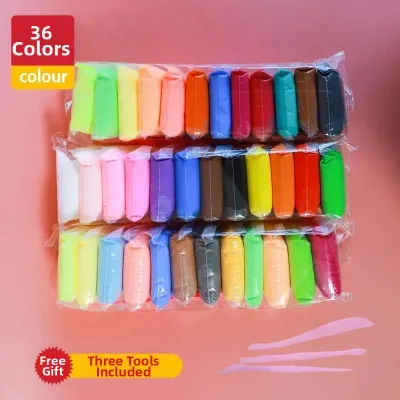
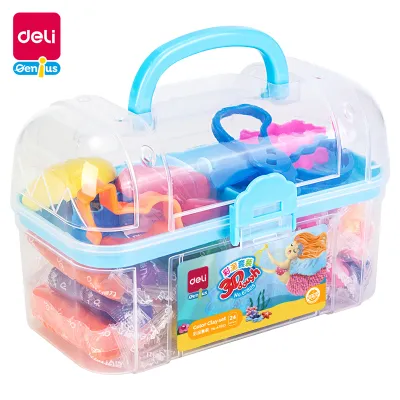
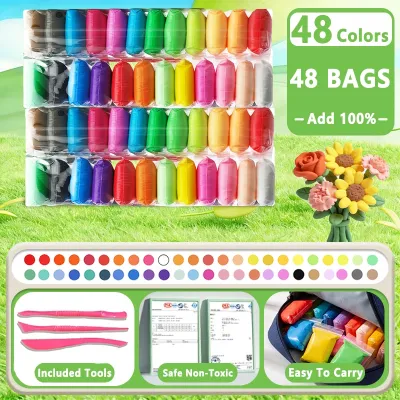
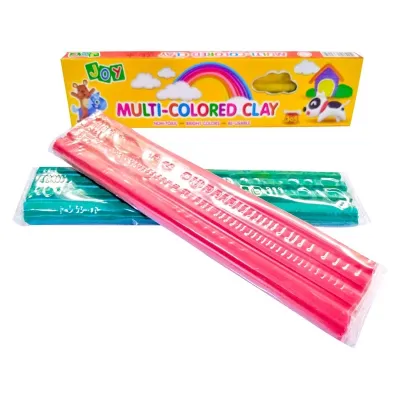
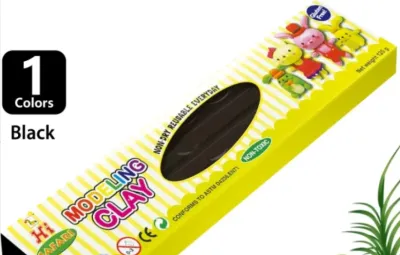
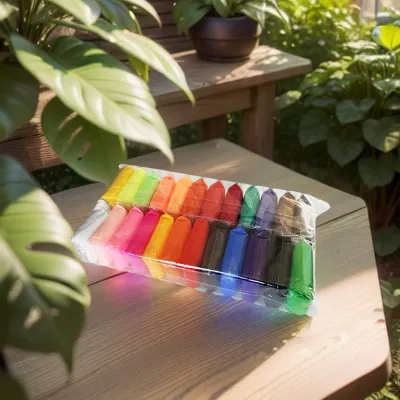
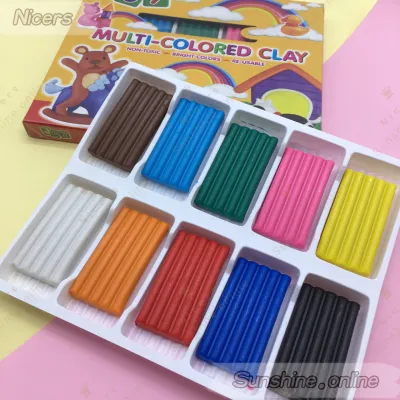
Prices are valid at publication and may change. Please refer to the product page for the latest price.

- ASTM D-4236 (LHAMA): This is one of the most critical standards for art materials. It indicates that the product has been evaluated by a toxicologist and labeled in accordance with the Labeling of Hazardous Art Materials Act. A product bearing this mark will explicitly list any chronic health hazards associated with its ingredients.
- EN71 (Part 3): This is the European standard for toy safety. Part 3 specifically limits the migration of certain elements, such as lead, antimony, arsenic, barium, cadmium, chromium, mercury, and selenium, from toy materials. It ensures that even if a child accidentally swallows a small piece, the chemical transfer remains below dangerous thresholds.
- CE Mark: Often found alongside EN71, this declaration shows that the manufacturer complies with all relevant European Union safety, health, and environmental requirements.
- Local Standards (PNS and FDA Registration): In the Philippines, legitimate toys should comply with the Philippine National Standards (PNS) under the Bureau of Product Standards (BPS). Additionally, some modeling materials are registered with the Food and Drug Administration (FDA). Look for local importer details and registration numbers on the back of the box.
Avoid clay products that lack clear safety labeling, ingredient lists, or manufacturer contact information. Unbranded, cheap clay sets sold in plain plastic bags on online marketplaces are a significant red flag. These products bypass official regulatory channels and may contain high levels of industrial chemicals, unregulated colorants, or heavy metals that pose severe risks to developing children.
Understanding Clay Types and Ingredients to Check
Not all modeling materials are formulated the same way. Understanding the differences between common clay types allows you to match the material to your child’s age and developmental needs while avoiding specific chemical exposures.
Flour-Based Playdough
This is the traditional, soft dough often used by toddlers. It is typically made from water, flour, salt, and food-grade pigments. While highly safe and biodegradable, it poses a risk to children with wheat allergies or gluten sensitivity. Because it is water-based and organic, it requires preservatives to prevent bacterial growth, especially in hot and humid tropical climates.
Air-Dry Clay
This lightweight clay dries to a hard finish without baking. It often contains paper pulp, water, and organic or synthetic binders. While generally safe, some brands use strong synthetic preservatives to keep the wet clay shelf-stable. Always verify that the specific air-dry brand is certified non-toxic, as some cheaper formulations can emit strong chemical odors during the drying process.
Oil-Based Modeling Clay (Plastilina)
This clay contains wax, oils, and clay minerals, ensuring it never dries out or hardens. It is highly durable and reusable, making it a staple in classrooms. However, because it is oil-based, it can leave a greasy residue on hands and surfaces, requiring thorough washing with soap and warm water. Some lower-grade oil clays contain petroleum-based oils that may cause skin irritation in sensitive children.
Polymer Clay
Polymer clay is a plastic-based modeling material composed of polyvinyl chloride (PVC) and liquid plasticizers. It must be baked in a home oven to cure and harden. Because of its chemical composition, polymer clay is not suitable for toddlers or young children who still put toys in their mouths. Modern toy-grade polymer clays must comply with strict phthalate restrictions, but they still require careful handling and adult-supervised baking.
Ingredients of Concern: Boron and Preservatives
When reviewing ingredient lists, look closely for boron or sodium tetraborate (borax). While more common in slime, some stretchy, ultra-light clay toys use boron compounds as cross-linking agents to give the material its elastic texture. High levels of boron exposure can cause skin irritation, gastrointestinal distress, and other systemic health issues if ingested. Ensure any stretchy clay you purchase complies with EN71 Part 3, which strictly limits boron migration.
Additionally, synthetic fragrances and specific preservatives like methylisothiazolinone (MIT) are sometimes added to commercial clays to mask chemical odors and prevent mold. If your child has sensitive skin or eczema, opt for fragrance-free, hypoallergenic formulations to prevent contact allergies.
Age Warnings and Physical Choking Hazards
While chemical safety is a primary concern, physical hazards are equally important when evaluating clay toys for kids. Every reputable toy manufacturer provides an age grading on the packaging, such as “Not suitable for children under 36 months” or a “3+” warning symbol. These warnings are not suggestions based on skill level; they are legal safety mandates designed to prevent choking.
Young children explore their world through sensory play, which frequently involves putting objects in their mouths. Wet clay is soft and malleable, but it can easily block a child’s airway if swallowed in large clumps. Furthermore, as air-dry clay or flour dough dries, it can break apart into small, hard fragments. These dried pieces, along with small plastic accessories like extruders, molds, rolling pins, and stampers, pose immediate choking hazards to toddlers under three years old.
Before purchasing a clay set, evaluate your child’s developmental stage. If your child still frequently mouths objects, stick to large, soft portions of homemade or certified organic playdough under direct supervision. Avoid clay kits that include tiny decorative plastic parts, artificial eyes, or intricate molds until your child has fully outgrown the mouthing phase and developed the fine motor skills required to manipulate the tools safely.
Safe Play Practices and Risk Reduction at Home
Creating a safe environment for clay play involves simple, consistent habits that minimize chemical exposure and keep the modeling materials clean.
- Active Supervision: Always supervise young children during clay playtime. This allows you to intervene immediately if they attempt to taste the clay or use tools inappropriately.
- Handwashing Routines: Establish a strict rule of washing hands with soap and water both before and after playing with clay. Washing hands beforehand prevents dirt, oil, and bacteria from transferring into the clay, extending its lifespan. Washing afterward removes any residual pigments, oils, or chemical binders from your child's skin.
- Use Dedicated Play Surfaces: Do not let children play with clay directly on wooden dining tables, fabric tablecloths, or carpets, as oils and pigments can stain or become embedded. Use dedicated silicone play mats, plastic trays, or wax paper. This keeps the play area sanitary and makes cleanup much easier.
- Prevent Eye and Mouth Contact: Teach your child not to rub their eyes or touch their face while handling clay. If clay accidentally gets into the eyes, gently flush them with clean, lukewarm water.
Proper Storage and Mold Prevention
In the tropical climate of the Philippines, high humidity levels (often exceeding 80%) create the perfect breeding ground for mold and bacteria, particularly in water-based and organic flour-based clays. To maximize safety and longevity, store all clay in clean, airtight containers immediately after play. Keep the containers in a cool, dry place away from direct sunlight, which can cause condensation to build up inside the container and accelerate spoilage.
Regularly inspect your child’s clay collection. Before handing it to your child, smell the material and inspect its surface. If you notice a sour or rancid odor, black or green mold spots, or a slimy, altered texture, discard the clay immediately. Do not attempt to scrape off the mold or revive spoiled clay with water, as microscopic fungal spores can remain active throughout the material.
What to Do If Your Child Ingests or Reacts to Clay
Despite careful supervision, accidents can happen. Knowing how to respond calmly and effectively to ingestion or skin reactions ensures your child’s safety.
If your child swallows a small amount of certified non-toxic playdough, do not panic. Gently wipe any remaining clay out of their mouth with a soft, damp cloth and offer them a few sips of water to clear their throat. Do not attempt to induce vomiting, as this can cause the sticky material to enter the airway. Monitor your child for any unusual symptoms over the next few hours.
If the ingested material is polymer clay, oil-based clay, or an unbranded product of unknown origin, take immediate action. Check the packaging for specific first-aid instructions. If your child displays signs of distress, such as coughing, choking, lethargy, persistent vomiting, or abdominal pain, seek professional medical attention immediately. For expert guidance in the Philippines, you can contact the National Poison Management and Control Center (UP-PGH) or consult your pediatrician.
In some cases, children may develop skin irritation or allergic contact dermatitis from preservatives, dyes, or fragrances in the clay. Symptoms typically present as localized redness, itching, dry patches, or a mild rash on the hands and wrists. If you notice these signs, wash the affected skin thoroughly with mild soap and water, apply a gentle moisturizer, and discontinue use of that specific clay product. If the rash persists, spreads, or causes significant discomfort, consult a healthcare provider for a proper diagnosis and treatment plan.
Disclaimer: The safety and first-aid information provided in this article is for educational purposes only and does not replace professional medical advice, diagnosis, or treatment. Always consult a qualified healthcare provider or poison control center regarding specific medical emergencies.
Frequently Asked Questions (FAQ)
Is polymer clay safe for young children?
Polymer clay is not recommended for toddlers or young children under the age of eight. It is a synthetic material made of PVC and plasticizers that should never be ingested. Additionally, curing polymer clay requires baking in a home oven at high temperatures, which releases mild fumes and poses a burn risk. This baking process must always be handled by an adult, and the clay should be kept away from food preparation surfaces and utensils.
How can I make safe homemade playdough?
Creating homemade playdough is a simple, cost-effective, and highly safe alternative for young kids. You can easily mix basic kitchen ingredients: two cups of all-purpose flour, one cup of fine salt, two tablespoons of cream of tartar, two tablespoons of vegetable oil, and up to two cups of boiling water, adding food coloring for vibrant hues. Because homemade versions lack synthetic commercial preservatives, they are highly susceptible to mold. Store your homemade dough in an airtight container in the refrigerator and discard it within two to three weeks, or sooner if you detect any changes in smell or texture.

Community discussion
Share your experience or ask a question. Comments are reviewed before publication.