
Choosing the right fuse bead brand in the Philippines requires balancing color variety, size compatibility, and local availability. While Artkal, Perler, and Hama are all popular choices among local crafters, they are not always interchangeable. Your decision will ultimately depend on whether you are starting a new hobby, restocking a specific color palette, or looking for child-friendly crafting activities. By understanding how these brands differ in physical dimensions, melting characteristics, and sourcing options, you can avoid costly purchasing mistakes and ensure your fused creations turn out exactly as planned.
Understanding Size Systems and Compatibility
Before purchasing any beads, you must understand the size systems used by each manufacturer. The most common size across all three brands is the standard or “midi” size, which typically measures around 5mm in diameter. However, if you are working on highly detailed, pixel-accurate designs, you might look into “mini” beads, which are usually around 2.6mm. Hama also offers a “maxi” size, which is significantly larger and designed specifically for younger children whose fine motor skills are still developing. Always check the product packaging or online listing details to confirm the exact millimeter measurement, as names like “mini” or “midi” can sometimes overlap or confuse buyers.
Mixing different brands or size tiers on a single pegboard is one of the most common causes of crafting failure. Even if two brands both label their products as standard 5mm beads, minor variations in outer diameter, wall thickness, and height can prevent them from sitting evenly on the pegs. When you attempt to iron a mixed board, beads that are slightly taller will absorb more heat and melt faster, while shorter beads may not touch the iron or paper at all, leaving weak spots in your finished design. Furthermore, the peg spacing on pegboards is engineered for specific brand tolerances, meaning a mismatched bead might warp the pegboard or pop off during assembly.
Products mentioned in this guide
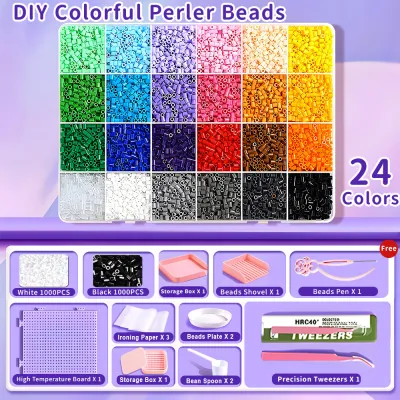
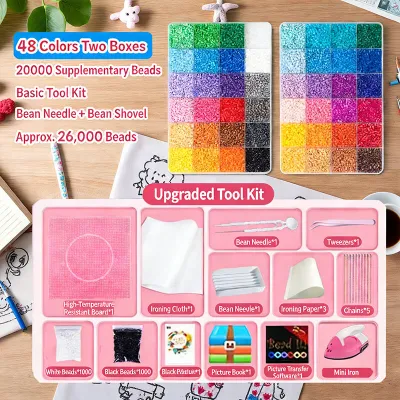
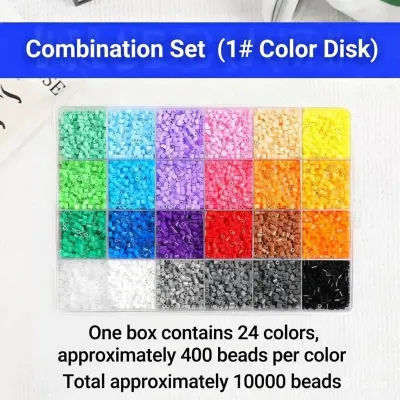
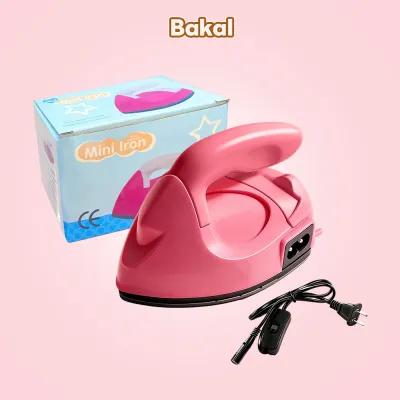
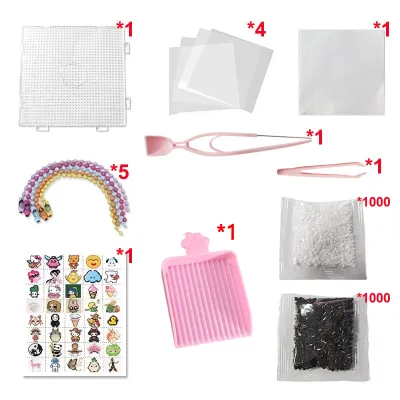
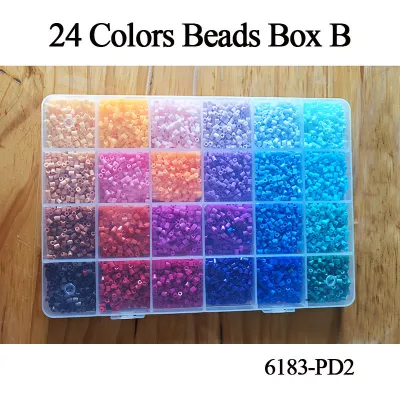
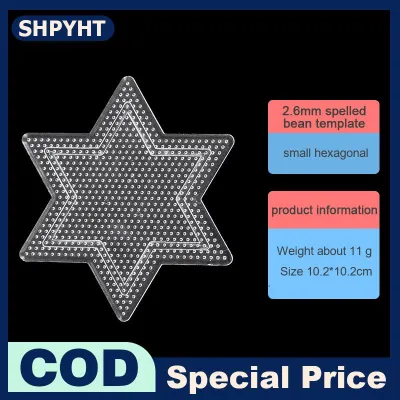
Prices are valid at publication and may change. Please refer to the product page for the latest price.
To prevent these issues, always verify physical pegboard compatibility before committing to a bulk purchase. If you already own a Perler pegboard, it is safest to test a small handful of Artkal or Hama beads on it before buying thousands of refills. Look closely at how the beads slide onto the pegs; they should sit flat without forcing the adjacent beads to tilt. If you notice any resistance or uneven heights, keep your brands strictly separated on dedicated boards to ensure a uniform melt and a structurally sound finished piece.
Evaluating Bead Quality and Crafting Experience
Evaluating bead quality requires looking closely at physical characteristics rather than relying on marketing claims. When you receive a new batch of beads, inspect the color consistency across the package. High-quality manufacturing ensures that a specific shade remains uniform from the top of the bag to the bottom. In contrast, lower-quality batches may show subtle gradient shifts or off-color specks mixed into the solid colors. You can verify this by spreading a handful of beads onto a white sheet of paper under bright, natural light to check for any noticeable variations that could ruin a solid-color block in your design.

Another critical factor is the precision of the bead cuts. Examine the top and bottom edges of the beads to see if they are flat and clean. Well-manufactured beads feature clean cuts with minimal plastic burrs or ragged edges. Excess plastic or uneven cuts can cause the beads to sit crookedly on the pegboard, which leads to uneven heat distribution during the fusing process. If you notice significant burring, you may need to spend extra time trimming the edges with a craft knife, which can quickly become tedious on larger projects.
Because the local climate in the Philippines features high humidity and warm ambient temperatures, planning a small-scale ironing test is essential. Humidity can affect how plastic behaves when heated, sometimes causing moisture trapped in the plastic to create tiny bubbles or warping during the fusing process. Set up a small test grid of about ten beads on a spare pegboard and apply heat using your iron and ironing paper. Observe how evenly the beads close up, whether they retain their circular shape or warp outward, and how strong the bond is once the plastic cools completely.
Comparing Price and Value in the Local Market
To find the most cost-effective option in the local market, you should calculate the unit price per bead rather than comparing flat package prices. A large bucket of mixed beads might seem like a bargain at first glance, but it may contain colors you rarely use, forcing you to buy individual solid packs later anyway. Take the total price of the pack in Philippine Pesos (₱) and divide it by the total number of beads listed on the label. This gives you a standardized cost per 1,000 beads, allowing you to make an accurate financial comparison between a 1,000-bead bag and a 6,000-bead bucket across different brands.
Your choice between bulk mixed assortments and single-color packs should align with your specific project goals. Mixed buckets are excellent for beginners, casual hobbyists, or children who enjoy spontaneous crafting without following strict color patterns. However, if you are planning a large-scale pixel art piece or a series of matching keychains, you will quickly run out of essential background colors like black, white, and grey. For these projects, investing in single-color packs is far more efficient, as it saves you the hours of tedious manual sorting required with mixed buckets.
When shopping online, remember to factor in shipping fees, potential bundle discounts, and minimum order requirements. Because beads are relatively heavy when purchased in bulk, shipping costs can significantly impact your total expenditure. Look for local sellers who offer flat-rate shipping or free shipping thresholds to keep your costs down. Additionally, many specialty craft stores offer bundle discounts when you purchase a set number of single-color bags, which can make stocking up on a full color spectrum much more affordable.
Checking Availability and Sourcing Options
Finding a reliable supply chain is crucial for long-term crafting, as running out of a single color mid-project can halt your progress for weeks. In the Philippines, physical stationery stores and major department store craft sections occasionally stock basic starter kits, but their inventory of individual color refills is often limited. Specialized local craft shops and dedicated online hobby sellers generally offer a much wider selection of specific shades and specialized pegboards. If you plan to take up bead crafting as a long-term hobby, identify at least two online sellers who consistently maintain a deep inventory of your chosen brand.
When purchasing through online marketplaces, verifying seller authenticity is vital to avoid counterfeit or poorly stored products. Counterfeit beads often suffer from inconsistent melting points, which can ruin your projects and damage your iron or pegboards. Look for sellers with high ratings, positive buyer reviews with photos of the actual packaging, and clear product descriptions. Be cautious of listings with unusually low prices, as these may be old stock that has degraded from being stored in hot, humid warehouses without proper climate control.
Before committing to a brand, check the long-term availability of individual color refill packs. Some brands have highly active local distributors who restock popular colors monthly, while others may require you to wait for international shipping. If you choose a brand with limited local distribution, you may find yourself forced to pay high shipping fees from overseas sellers just to finish a single project. Choosing a brand with a stable, local supply chain ensures you can easily replenish your stock whenever you run low on essential colors.
Decision Framework: Which Brand Fits Your Project?
To make your final decision, evaluate your specific project needs against the strengths of each brand. Choose Artkal if your work involves complex shading, realistic portraits, or highly detailed pixel art. Artkal is widely recognized for offering an exceptionally broad color palette with subtle gradient shifts, making it easier to achieve smooth color transitions. However, before starting a large Artkal project, verify that your preferred local online sellers have a reliable, ongoing stock of the specific color codes you plan to use.
Choose Perler if you prefer a highly reliable, standard crafting experience with widely accessible local availability. Perler is the household name in bead crafting, meaning you can easily find compatible pegboards, inspiration books, and starter kits in many local craft sections and online stores. Its standard 5mm beads are highly consistent in size and melting behavior, making them an excellent choice for both beginners and experienced crafters who want a predictable, hassle-free assembly process.
Choose Hama if you are looking for distinct size variations or are crafting with younger children. Hama’s “maxi” bead line is specifically designed with larger diameters that are easy for small hands to grasp, making them ideal for early childhood development activities. If you select Hama, always double-check that you are purchasing the correct matching Hama pegboards, as their unique size tiers require specific peg spacing that may not align with standard pegboards from other brands.
Regardless of which brand you choose, always verify your existing equipment and safety requirements before making a purchase. If you already own a collection of pegboards, check their compatibility with a small sample pack of beads before buying bulk refills. If you are purchasing beads for a classroom, preschool, or community workshop, look for clear safety labels on the packaging indicating non-toxic materials and age-appropriate usage guidelines to ensure a safe and enjoyable crafting environment for everyone involved.
Frequently Asked Questions (FAQ)
Can I mix beads from different brands in one project?
It is generally not recommended to mix different bead brands within a single project. Even if the beads appear to be the same size, minor differences in height, outer diameter, and plastic composition can cause them to melt at different rates. This often results in an uneven surface, weak joints, or warped pegboards. If you must use multiple brands, keep them in separate, non-adjacent sections of your design, or use them for entirely different projects to ensure a clean, professional finish.
What iron settings should I use for different bead brands?
Because different brands use slightly different plastic formulations, there is no single iron setting that works perfectly for all of them. Always check the manufacturer’s instructions on the product packaging for specific heating recommendations. As a general rule, start with your iron set to a medium, dry setting (no steam) and use a sheet of ironing paper or parchment paper as a protective barrier. Conduct a quick test fuse on a few spare beads to observe how they melt before applying the iron to your completed project.

Community discussion
Share your experience or ask a question. Comments are reviewed before publication.