
For beginners in the Philippines, finding the perfect air dry clay with tools kit means looking beyond sheer item counts. A great beginner kit must offer highly pliable, non-toxic clay that resists rapid drying in tropical heat, paired with durable, double-ended modeling tools rather than flimsy plastic fillers. Because the local climate features high relative humidity, the clay’s packaging and formulation are just as critical as the tools themselves. Selecting a high-quality kit ensures your first sculpting projects cure smoothly without cracking, warping, or crumbling.
Choosing your first set requires balancing the physical properties of the clay with the utility of the included tools. Rather than buying separate components, a curated starter kit provides a cost-effective entry point into clay crafting, provided you know how to distinguish professional-grade materials from low-quality toys.
Key Features to Look for in Top-Tier Beginner Clay Kits
When evaluating an air dry clay set, the material quality of the clay itself is the most critical factor. High-quality air dry clay should feel smooth, pliable, and entirely free of hard lumps right out of the packaging. When you knead it, the clay should stretch slightly before pulling apart, indicating good elasticity. Poorly formulated clays often feel sticky, leave a heavy residue on your hands, or begin to crumble almost immediately upon exposure to air, making detailed modeling nearly impossible.
Products mentioned in this guide
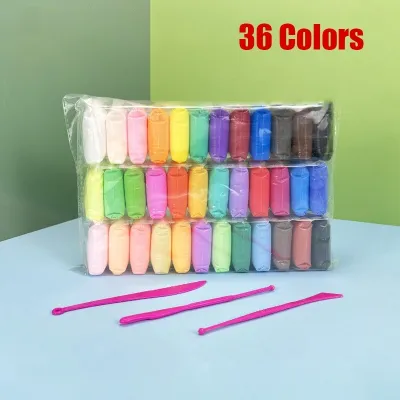
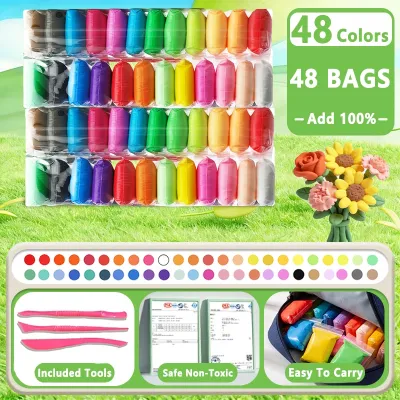
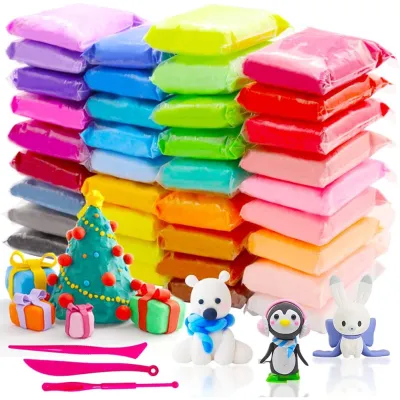
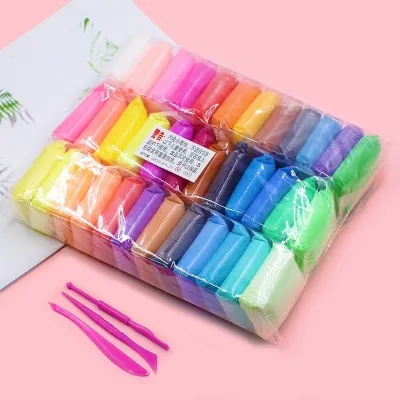
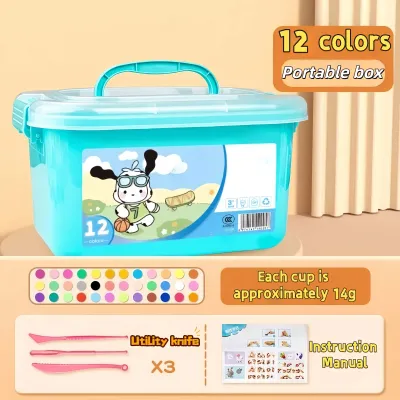
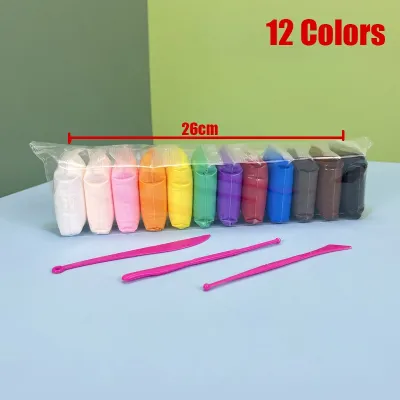
Prices are valid at publication and may change. Please refer to the product page for the latest price.
Working time is another vital consideration for beginners. A premium air dry clay remains workable for at least 30 to 45 minutes of active handling before developing a dry, leathery skin. This window allows you to shape, refine, and join pieces without rushing. In the warm climate of the Philippines, clay can lose moisture rapidly; therefore, a formulation that resists immediate cracking under ambient indoor temperatures is highly advantageous for those working without air conditioning.
Packaging plays an indispensable role in preserving your investment. Because air dry clay cures through exposure to air, any compromise in the product seal during storage or transit will ruin the material. Top-tier kits package individual clay portions in heavy-duty, multi-layered foil or thick plastic bags. Many premium brands go a step further by providing resealable airtight tubs or robust zip-lock bags. This is especially important in humid tropical environments, where fluctuating moisture levels can cause poorly packaged clay to either dry out prematurely or develop mold if exposed to ambient dampness.
Safety is paramount, particularly since clay crafting involves prolonged, direct skin contact. Always look for recognized non-toxic certifications on the packaging. The Art & Creative Materials Institute’s AP (Approved Product) seal or compliance with European EN71 safety standards indicates that the clay has been toxicologically evaluated and contains no harmful chemicals or heavy metals. These certifications ensure the material is safe for children, students, and hobbyists working in home environments without specialized ventilation.
Finally, a smart value assessment requires looking past marketing claims of “100-piece mega sets.” Often, these kits inflate their item count with cheap, repetitive accessories like plastic beads, paper eyes, or low-grade metal keyrings. Instead, calculate the actual volume or weight of the clay provided (typically measured in grams) and compare it against the build quality of the core tools. A kit containing 500 grams of premium clay and five durable, well-designed tools offers far greater long-term value than a massive box of low-grade clay accompanied by dozens of unusable plastic fillers.
Must-Have Tools vs. Filler Items in Clay Sets
An excellent starter kit should equip you with tools that genuinely expand your creative capabilities. The most useful sculpting tools are double-ended modeling sticks, typically made of dense plastic, polished hardwood, or silicone. These tools feature different profiles on each end, such as a curved spoon shape for smoothing joints, a pointed tip for drawing fine lines, and a angled chisel for carving flat planes. Silicone-tipped color shapers are also incredibly valuable for beginners, as they allow you to blend seams and smooth out fingerprints without sticking to the wet clay.

Cutting and rolling equipment form the foundation of flat and structural clay work. A sturdy wire clay cutter—consisting of a high-tensile wire attached to two wooden toggles—is essential for cleanly slicing large blocks of clay without distorting their shape. For flattening clay to an even thickness, an acrylic rolling pin is vastly superior to traditional wooden pins. Acrylic is non-porous and smooth, preventing the wet clay from sticking to the surface, and it is easy to wipe clean. Pair these with a self-healing cutting mat to protect your workspace and provide a stable, non-stick surface for rolling and cutting.
Finishing and texturing aids elevate the final appearance of your projects. Look for kits that include fine-grit sanding sponges or small sheets of high-grit sandpaper, which are used after the clay has dried completely to erase minor imperfections and rough edges. Small detail brushes are also helpful for applying water to smooth out wet clay or for painting post-dry details. Some thoughtful kits also include textured stamps or silicone mats that allow you to press intricate patterns, such as wood grain or fabric textures, directly into the soft clay surface.
Identifying filler tools is key to avoiding low-quality kits. Flimsy, single-use plastic cookie cutters with rough, unfinished seams are common fillers; they bend easily and leave ragged edges on your clay. Similarly, poorly constructed metal loop tools with thin wire heads glued into cheap plastic handles will often bend or snap when carving denser clay bodies. Generic craft items like glitter glue, plastic gems, or low-quality paints that dry chalky and translucent are also signs of a kit that prioritizes quantity over functional quality.
Proper storage solutions included within the kit add significant practical value. Look for sets that supply heavy-duty, reusable zip-lock bags or hard plastic storage cases with secure latches. Having a dedicated, airtight home for your leftover clay and tools keeps your creative space organized and ensures your materials remain fresh and ready for your next crafting session, saving you the hassle of sourcing aftermarket storage containers.
Choosing the Right Clay Base for Your First Projects
Air dry clays are formulated from different base materials, each possessing distinct physical characteristics that suit specific types of projects. Understanding these differences allows you to choose a kit that aligns with your creative goals.
- Cellulose-Based Clay: Often referred to as paper clay, this material is composed of paper pulp mixed with binders. It is remarkably lightweight, soft, and easy to knead. Because of its fibrous structure, cellulose-based clay exhibits very little shrinkage as it dries, making it highly resistant to warping and cracking. It is the ideal choice for creating lightweight hanging ornaments, delicate jewelry pieces, and small, detailed figurines that do not require high structural density.
- Earth-Based (Natural) Clay: This variety is formulated from natural earthenware clay minerals and water, closely mimicking traditional ceramic clay used in pottery. It has a heavy, dense, and authentic earthy feel. While it is excellent for sculpting larger, structural pieces like hand-built pots, bowls, or heavy busts, it requires careful handling. Earth-based clay shrinks significantly as the water evaporates, making it highly susceptible to cracking if dried too quickly or if wrapped around a rigid, non-yielding internal support.
- Polymer-Based Air Dry Variants: Often marketed as ultra-lightweight or foam clay, these modern formulations dry to a slightly flexible, rubbery, or foam-like consistency. They are incredibly durable and highly resistant to breaking, even when dropped. This makes them a favorite for crafting cosplay accessories, flexible doll parts, and children's crafts. However, they do not sand well after drying, meaning you must achieve your desired smoothness while the clay is still wet.
- Color Considerations: Beginner kits generally offer either a single large block of white clay or a multi-pack of pre-colored clay blocks. White clay is highly versatile because it acts as a blank canvas; once dry, it can be painted with any acrylic color palette or sealed for a clean, minimalist ceramic look. Terracotta clay provides a classic, rustic pottery aesthetic without the need for paint. Pre-colored clay sets are convenient for quick, multi-colored models without the mess of painting, though blending custom shades requires thorough, physical kneading to avoid a marbled appearance.
Smart Shopping: Verifying Safety and Value in the Philippines
Navigating the local market for craft supplies requires a discerning eye, especially when shopping on digital platforms. To ensure you are purchasing a safe and genuine product, always inspect the product photos and descriptions for official safety certifications. Avoid unbranded, ultra-cheap bulk clay sets that lack manufacturing details, ingredient lists, or safety labels. Low-grade, uncertified clays may contain harsh industrial chemical plasticizers or preservatives that emit strong, unpleasant odors and can cause skin irritation during prolonged handling.
When buying online, prioritize official brand flagship stores or highly rated local stationery and art supply retailers. These established sellers are more likely to store their inventory in temperature-controlled environments, reducing the risk of receiving clay that has already begun to cure inside the packaging. Look for sellers that display active customer engagement, respond promptly to inquiries, and have a high rating for product authenticity.
Shipping conditions are a critical factor in the Philippines, where high ambient temperatures during transit can degrade sensitive craft materials. Before purchasing, read through recent customer reviews and pay close attention to comments regarding packaging quality. Reliable sellers will wrap clay kits in multiple layers of bubble wrap or place them inside sturdy cardboard boxes to protect the tools from physical damage and shield the clay packages from direct heat during delivery.
While well-known international brands offer highly consistent, professional-grade quality, they often carry a premium price tag. Fortunately, the local market also features reputable regional and domestic brands that provide excellent cost-effective alternatives. As long as these regional options carry verifiable non-toxic certifications and receive positive feedback from local crafters for their pliability and drying stability, they can serve as outstanding, budget-friendly entry points for beginners looking to explore the art of clay sculpting.
Frequently Asked Questions (FAQ)
How long does air dry clay take to dry completely?
Standard air dry clay typically requires 24 to 72 hours to dry completely, depending on the thickness of the sculpture and the ambient environment. In the humid tropical climate of the Philippines, drying times can be slightly longer because the moisture in the air slows down the evaporation process. To ensure even curing, turn your piece periodically so all sides are exposed to the air. Never use extreme heat sources like household ovens, microwaves, or high-heat hair dryers to speed up the drying process; rapid temperature changes cause the exterior of the clay to shrink and dry much faster than the wet interior, inevitably leading to severe cracking and warping.
Can I use regular acrylic paint on air dry clay?
Yes, standard water-based acrylic paint is highly compatible with fully dried air dry clay. Before painting, ensure the clay is completely dry to the touch and has turned uniform in color, which indicates that all internal moisture has evaporated. Applying a base coat of white acrylic primer or gesso is highly recommended, as it seals the porous surface of the clay and prevents the paint from soaking in unevenly. Once your painted design is dry, apply a clear acrylic varnish or polyurethane sealer. This final step protects the paint from chipping, prevents dust accumulation, and adds a layer of moisture resistance to your finished piece.
How do I prevent air dry clay from cracking while it dries?
To prevent cracking, always aim to keep the walls of your sculpture relatively uniform in thickness, ideally under one centimeter. For larger or thicker pieces, build an internal support structure—known as an armature—using lightweight materials like crumpled aluminum foil or wire mesh to reduce the volume of wet clay needed. Dry your finished sculpture slowly in a cool, shaded area away from direct sunlight, air conditioning drafts, or fans. If you need to pause your work and resume sculpting the next day, lightly mist the unfinished piece with water and wrap it loosely in a damp cloth and a plastic bag to preserve its moisture.
Is air dry clay waterproof after it dries?
No, air dry clay is not naturally waterproof and will soften, warp, or completely disintegrate if exposed to water or prolonged dampness. While applying several coats of a high-quality waterproof sealant, such as polyurethane, epoxy resin, or specialized outdoor craft varnish, will make the surface highly water-resistant, it still does not make the item fully waterproof. Sealed air dry clay items should never be submerged in water, left outdoors in the rain, or used to hold standing water. Additionally, because these clays and sealants are not food-safe, they should never be used for functional plates, bowls, cups, or any items that come into direct contact with food or drink.

Community discussion
Share your experience or ask a question. Comments are reviewed before publication.