
Engaging in arts and crafts for kids is more than just a way to pass a rainy afternoon or keep young minds occupied during hot summer days. Creative play serves as a critical driver for physical, cognitive, and emotional development. From the moment a toddler wraps their hand around a chunky crayon to the day a preteen masterfully blends acrylic paints on canvas, these activities build fine motor skills, spatial awareness, and problem-solving abilities.
However, the key to sustaining a child’s interest in creative projects lies in selecting materials that align with their developmental stage. An art set that is too advanced can lead to frustration and a sense of failure, while one that is too simple may fail to challenge them, resulting in quick boredom. By matching the complexity of the tools and projects to your child’s age group, you can foster a lifelong love for self-expression and hands-on creation.
How to Choose Age-Appropriate Arts and Crafts for Kids
Selecting the right creative tools requires balancing your child’s physical capabilities with safety standards and practical home management. Children progress through distinct physical milestones that dictate how they interact with art materials. Understanding these developmental phases ensures you choose kits that support their growth without causing unnecessary struggle.
Products mentioned in this guide
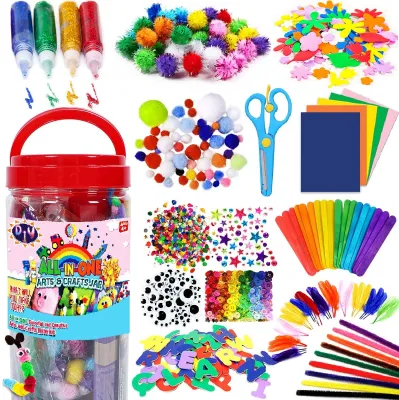
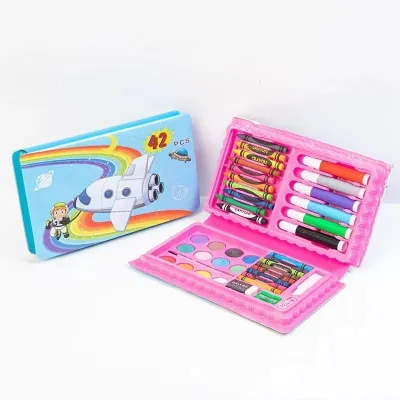
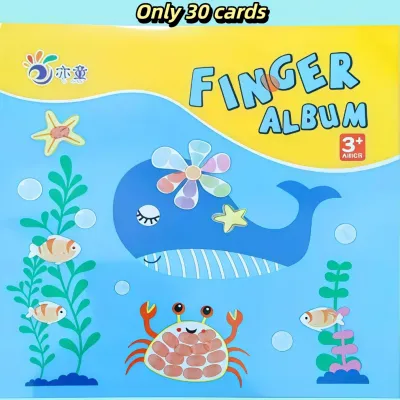
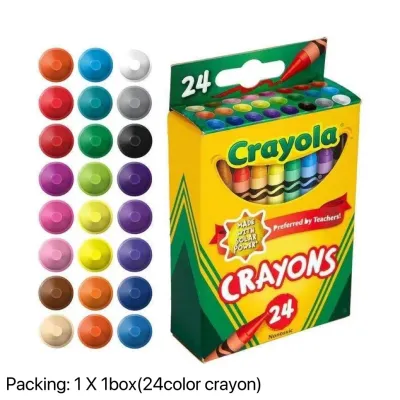
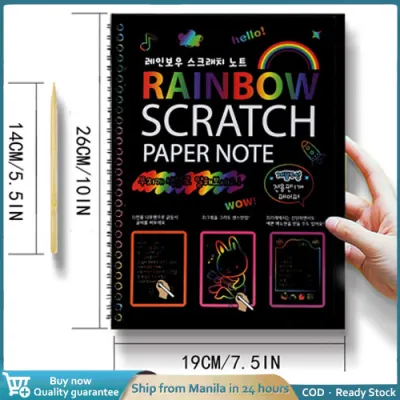
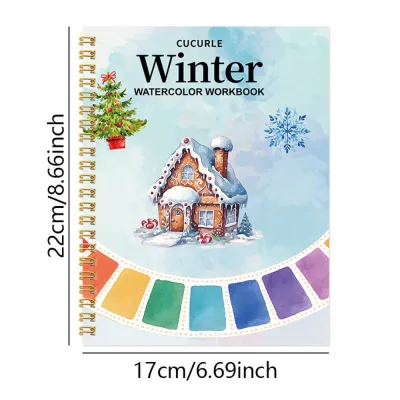
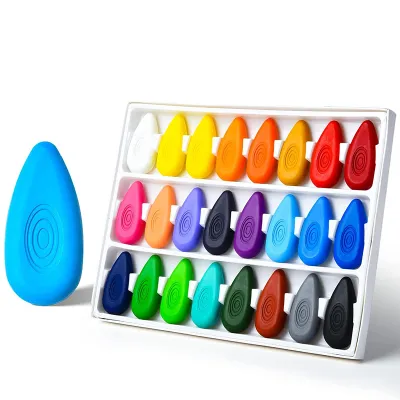
Prices are valid at publication and may change. Please refer to the product page for the latest price.
Motor skill development is the primary factor in determining tool complexity. Toddlers rely on a palmar grasp, using their entire fist to hold objects, which makes thick, bulbous, or triangular tools essential. As children reach preschool age, they transition toward a digital grasp, using their fingers to guide tools. By early elementary school, they develop the pincer grasp, allowing them to manipulate fine-tip markers, detailed paintbrushes, and safety scissors. Introducing tools that are too small or thin before a child has developed the necessary hand strength can strain their muscles and discourage their efforts.
Safety is the absolute priority when evaluating any art kit. In the Philippines, you should look for products that carry recognized safety certifications on their packaging. The most common international standards are ASTM D-4236 (which confirms that the materials have been evaluated by a toxicologist and labeled for chronic health hazards) and EN71 (the European standard for toy safety). Always check for explicit “non-toxic” labels and pay close attention to age warnings, particularly the “0–3” choking hazard symbol, which indicates the presence of small parts like beads, googly eyes, or small caps.
Practical considerations for parents can make or break the creative experience at home. Washability is crucial for younger age groups; water-based inks and washable tempera paints save clothing, walls, and tiled floors from permanent stains. Mess management is another factor to weigh. If you want to minimize cleanup, look for low-mess options like water-reveal mats or clay kits that do not crumble.
Furthermore, consider how the local tropical climate affects your art supplies. High humidity in the Philippines can cause paper to warp, slow down the drying times of glues and paints, or cause unsealed modeling clay to grow mold. Conversely, prolonged exposure to air conditioning can dry out water-based markers and doughs rapidly. Choosing high-quality, resealable containers and moisture-resistant papers will help preserve your investment.
When shopping on e-commerce platforms or browsing local stationery aisles, avoid relying solely on vague marketing terms like “child-safe” or “eco-friendly.” Instead, zoom in on the product photos or read the specifications to verify the exact safety certifications, ingredient lists, and recommended age brackets. If a listing lacks clear safety details, it is best to contact the seller or choose an established brand that openly shares its compliance certificates.
Recommended Arts and Crafts Sets for Toddlers (Ages 1–3)
For toddlers, art is an entirely sensory experience. Children in this age bracket are not focused on creating a finished product; instead, they are exploring cause and effect, discovering textures, and learning how their physical movements leave marks on a surface. The developmental focus here is on sensory input, hand-eye coordination, and strengthening the palmar grasp.

To support this stage safely, look for water-reveal painting mats. These kits use a pen filled with plain tap water to reveal vibrant colors on a specially treated fabric mat. As the water dries, the colors fade away, allowing for endless reuse. This option is highly suited for Filipino households looking for a mess-free activity during humid afternoons when outdoor play is limited.
Jumbo washable crayons are another excellent choice. Look for egg-shaped, spherical, or thick triangular crayons designed specifically for tiny hands. These shapes naturally guide the toddler’s hand into a comfortable grip while preventing the crayons from rolling off tables. Ensure the wax formula is sturdy enough to withstand being dropped or thrown without snapping.
Finger paints are the ultimate sensory medium, but they require strict safety boundaries. Choose formulas that are explicitly labeled as non-toxic, skin-safe, and bitter-tasting to discourage toddlers from putting painted fingers in their mouths. Always supervise finger-painting sessions closely, and set up a dedicated space with a silicone mat or old newspapers for easy cleanup.
Before purchasing any toddler art set, verify that the packaging explicitly states “washable from skin and most machine-washable clothing.” Avoid any kits containing small decorative elements like sequins, beads, or tiny foam shapes, as toddlers still explore their world by putting objects in their mouths. Stick to simple, large-format mediums that celebrate the joy of movement and color.
Recommended Arts and Crafts Sets for Preschoolers (Ages 4–5)
Preschoolers are entering a stage of rapid cognitive and physical growth. They are beginning to understand color mixing, recognize shapes, and express their imagination through more structured representations. This age group experiences a major shift toward independent creation, making it the perfect time to introduce basic tool manipulation and early crafting concepts.
Safety-scissor kits are highly beneficial for developing bilateral coordination—using one hand to hold the paper and the other to cut. Look for scissors made entirely of plastic or those with blunt metal blades encased in plastic that only cut paper, preventing accidental cuts to skin, hair, or clothing. Kits that include pre-printed cutting lines, puzzles, or folding guides help preschoolers practice control in a structured, engaging way.
Glue-stick collage sets offer a fantastic way to explore textures and spatial relationships. Opt for purple glue sticks that apply colored but dry clear; this visual cue helps young children see exactly where they have applied the adhesive, reducing waste and mess. Pair these with thick construction paper, pre-cut felt shapes, and large foam stickers to prevent the paper from tearing under the weight of the glue.
Large bead threading kits are excellent for refining the pincer grasp and teaching early math concepts like patterning and sequencing. Ensure the beads are large (at least one inch in diameter) and made of smooth wood or BPA-free plastic, paired with stiffened tipped laces that are easy for small fingers to thread.
When choosing kits for preschoolers, balance is key. While structured kits with specific templates can teach direction-following, open-ended kits—such as a tub filled with assorted pipe cleaners, craft sticks, pom-poms, and washable markers—encourage deeper creative thinking. Open-ended play allows children to experiment without the fear of not making the project “correctly,” building their creative confidence.
Recommended Arts and Crafts Sets for Early Elementary (Ages 6–8)
By the time children enter early elementary school, their fine motor skills are highly refined, and their attention spans are significantly longer. They can follow multi-step instructions, understand spatial sequences, and enjoy creating functional or decorative items. At this stage, children take great pride in the final product and appreciate projects that require patience and precision.
Beginner origami kits are an inexpensive and highly engaging option for this age group. Folding paper teaches geometry, symmetry, and patience. Look for kits that include double-sided colored paper, step-by-step illustrated instruction booklets, and stickers to decorate the finished models. Ensure the paper weight is light enough for small hands to crease easily but durable enough to withstand refolding.
Simple weaving looms introduce children to textile arts and pattern creation. Wooden or sturdy plastic frame looms with large plastic needles and thick, colorful yarn are ideal. This activity builds hand-eye coordination and spatial reasoning as children navigate the over-and-under patterns of weaving.
Paint-by-number sets and watercolor pans help children practice brush control and color theory. For this age group, look for paint-by-number kits with larger, clearly defined numbered sections and acrylic paints that do not require complex mixing. Watercolor pans with semi-moist paint cakes are cleaner and easier to manage than liquid tubes, offering a smooth introduction to paint dilution and blending.
To keep your child engaged without causing frustration, look for kits that offer a clear framework but leave room for personalization. For example, a jewelry-making kit should provide the necessary clasps and cords but allow the child to choose their own color patterns. Always review the kit’s contents before buying to ensure all necessary components—like paintbrushes, mixing wells, or specialized tools—are included, saving you from mid-project trips to the stationery store.
Recommended Arts and Crafts Sets for Older Kids (Ages 9–12)
Older kids and preteens are ready to transition from basic crafts to introductory fine arts and specialized hobbies. They have developed specific artistic interests, a desire for realism in their work, and the patience required for complex, multi-day projects. At this stage, the quality of the materials becomes far more important than the quantity of items in the box.
Acrylic painting sets are highly popular among older kids who want to experiment with vibrant, opaque colors on canvas or wood. Unlike tempera or watercolor, acrylic paint dries to a water-resistant finish, allowing for layering and texture building. Look for sets that include a variety of brush shapes (flat, round, and detail brushes) and heavy-duty paper or stretched canvas panels that can handle wet media without warping.
Sketching pencil kits introduce preteens to the technical side of drawing. A good starter set should include a range of pencil grades (from hard H pencils for light sketching to soft B pencils for deep shading), along with blending stumps, vinyl erasers, and a high-quality sketchbook with acid-free paper. This allows them to practice shading, perspective, and realistic rendering.
Advanced craft kits, such as basic sewing, embroidery, or crochet sets, teach valuable life skills alongside creativity. Look for kits designed for beginners that include pre-punched felt, plastic or blunt metal tapestry needles, and clear photographic instructions. These projects require sustained focus and reward children with usable items like pouches, plush toys, or coasters.
At this level, low-quality materials can actively hinder a child’s progress and cause frustration. Cheap brushes that shed hairs onto the canvas or low-pigment paints that dry streaky can discourage an aspiring artist. Prioritize smaller kits with artist-grade materials over massive, multi-piece plastic art cases that often contain low-quality fillers.
Additionally, introduce safety practices appropriate for advanced tools. If a kit requires strong adhesives, fabric sealants, or fine carving tools, ensure your child works in a well-ventilated space and understands how to handle sharp needles or craft knives safely. Always read the manufacturer’s safety guidelines together before starting a new medium.
Quick Comparison of Art Sets by Age Group
To help you quickly identify the right category of creative tools for your child, the table below summarizes the key developmental milestones, recommended materials, and safety checks for each age bracket.
| Age Group | Primary Developmental Focus | Recommended Tool Types | Key Safety/Label Checks |
|---|---|---|---|
| Toddlers (Ages 1–3) | Sensory exploration, cause & effect, palmar grasp development | Water-reveal mats, jumbo triangular crayons, non-toxic finger paints | Must state "washable" and "non-toxic"; check for ASTM D-4236; zero small parts |
| Preschoolers (Ages 4–5) | Independent creation, color mixing, early scissor skills | Safety scissors, purple glue sticks, large threading beads, washable markers | Blunt plastic blades; non-toxic adhesives; verify bead diameter to prevent choking |
| Early Elementary (Ages 6–8) | Multi-step instructions, fine motor control, spatial patterns | Beginner origami, simple weaving looms, paint-by-numbers, watercolor pans | Check for complete kit components; clear, illustrated instruction manuals |
| Older Kids (Ages 9–12) | Fine art techniques, specialized hobbies, personal expression | Acrylic paint sets, graded sketching pencils, beginner sewing/crochet kits | Artist-grade pigments; proper ventilation for glues; safe handling of sharp needles |
Frequently Asked Questions (FAQ)
How do I know if an art supply is truly non-toxic?
To verify if an art supply is safe, look for established certification seals on the packaging rather than relying on generic marketing claims. The most reliable indicator is the AP (Approved Product) seal from the Art and Creative Materials Institute (ACMI), which certifies that the product contains no materials in sufficient quantities to be toxic or injurious to humans.
Additionally, look for compliance with ASTM D-4236 or European EN71 standards. If you are shopping on e-commerce platforms and these certifications are not visible in the product photos or description, ask the seller to provide photos of the product packaging or a safety data sheet before purchasing.
What is the best way to store and organize kids' art supplies?
Organizing art supplies in clear, stackable plastic bins allows children to see what materials are available, encouraging spontaneous creativity while making cleanup straightforward. Use smaller, removable containers or plastic tackle boxes to keep small items like beads, safety scissors, and sewing needles separated and secure.
In the warm and humid climate of the Philippines, proper storage is essential to extend the lifespan of your materials. Store liquid paints, glues, and modeling clays in a cool, dry place away from direct sunlight to prevent them from drying out, separating, or growing mold. Always ensure that paint caps are screwed on tightly, marker caps are clicked shut, and clay is sealed in airtight containers immediately after use.

Community discussion
Share your experience or ask a question. Comments are reviewed before publication.