
Bouncing clay for kids has become a staple in modern sensory play, offering a unique combination of moldability and active physical rebound. Unlike traditional modeling clays that remain static once shaped, these specialized formulas can be rolled into spheres and bounced off surfaces, providing both creative and physical engagement. For parents in the Philippines, selecting the right product involves evaluating how these materials perform under local environmental conditions, ensuring they meet strict safety standards, and choosing a type that matches a child’s age and play style.
Whether you are looking for a highly elastic silicone putty that never dries out or a lightweight, air-drying polymer clay that transforms into a permanent foam toy, understanding the differences between available options is key. This guide breaks down the essential selection criteria for families, evaluates the primary categories of bouncing clay and putty available in the local market, and provides practical advice on safety, maintenance, and storage in a tropical climate.
How to Choose the Right Bouncing Clay for Kids
Choosing the right bouncing clay for kids requires looking beyond bright colors and appealing packaging. Because “bouncing clay” can refer to two entirely different chemical formulations—silicone-based putties and water-based polymer clays—parents must understand how these materials behave during play and over time.
Products mentioned in this guide
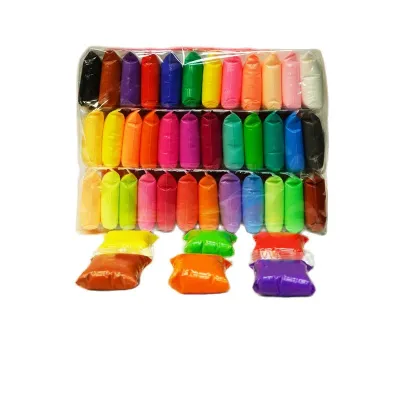
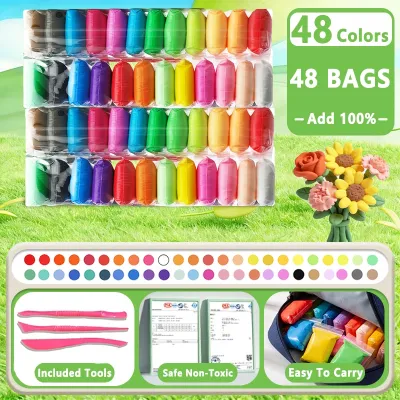
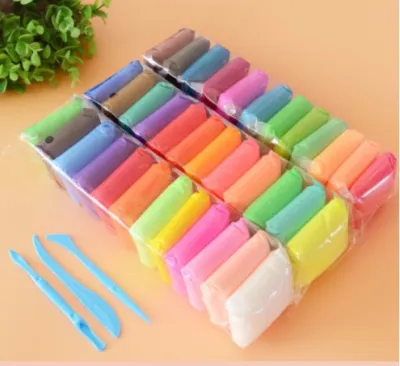
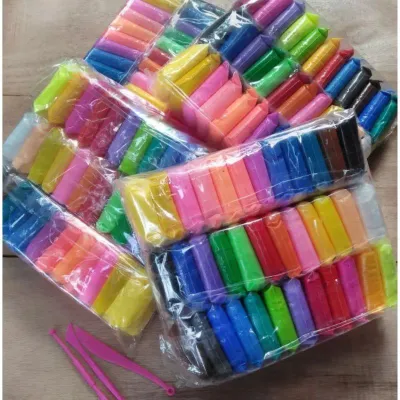
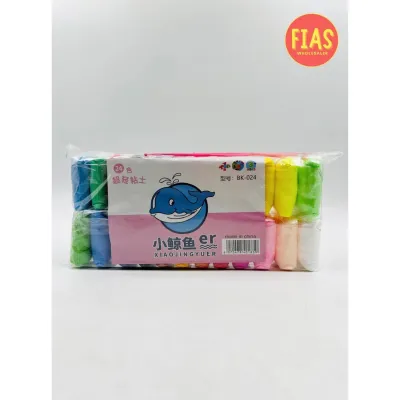
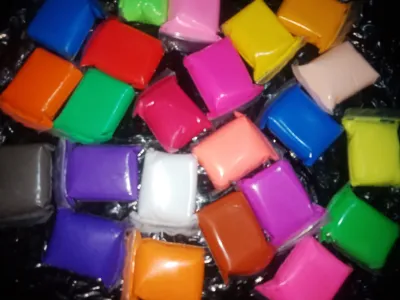
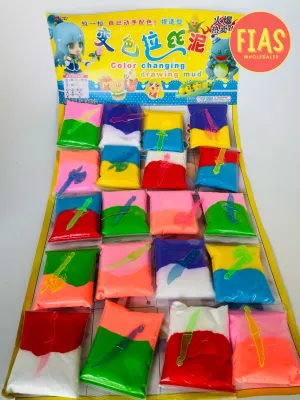
Prices are valid at publication and may change. Please refer to the product page for the latest price.
Bounce Performance and Material Bases The physical rebound of the toy depends heavily on its chemical base. Premium bouncing putties typically utilize a silicone polymer base, which provides an exceptionally high rebound rate and excellent elasticity. These putties stretch slowly when pulled gently, snap when yanked quickly, and bounce vigorously when compressed into a ball. On the other hand, lightweight bouncing clays are usually water-based formulas containing polyvinyl alcohol (PVA) and microscopic plastic spheres. These clays are much lighter, feel soft and airy, and bounce moderately well when fresh. However, their bounce height is generally lower than that of silicone putties, and they will lose their moldability as their water content evaporates.
Safety Standards and Age Grading Safety is the most critical factor when selecting any modeling compound. Parents should look for clear age-grading labels on the packaging. Most bouncing putties and clays are rated for children aged three and older due to the inherent risk of choking on small parts. For younger children who still explore toys with their mouths, close adult supervision is mandatory. Always verify that the product carries recognized non-toxic certifications, such as the ASTM D-4236 standard in the United States or the EN71 certification in Europe. These labels ensure the materials have been tested for harmful chemicals, heavy metals, and toxic colorants.
Texture, Firmness, and Environmental Factors The tactile experience of bouncing clay varies from ultra-soft and pillowy to firm and resistant. Soft, lightweight clays are ideal for younger children who are still developing hand strength, as they are easy to pull, shape, and blend. Firm silicone putties require more hand strength to knead and mold, making them excellent for older children, teenagers, and even adults seeking sensory regulation or hand therapy.
In the Philippines, the tropical climate and high relative humidity can significantly affect these materials. Water-based clays may feel unusually sticky on hot, humid days and take longer to dry if left exposed to the air. Conversely, silicone putties are highly stable and do not dry out, but they can become slightly softer and more fluid in warm ambient temperatures, causing them to slowly “melt” or flatten when left on a table.
Cleanup, Residue, and Surface Compatibility Before purchasing, consider how easily the material can be cleaned up and whether it leaves a residue. High-quality bouncing clays should not leave greasy oils, sticky dyes, or crumbly fragments on hands, tables, or tiled floors. However, some lower-quality budget brands may transfer colors to skin or porous wooden surfaces. Additionally, silicone putties have a natural affinity for fibers; if left on clothing, carpets, or upholstery, they will slowly seep into the weave over time, creating a challenging stain. Lightweight air-dry clays are less prone to sinking into fabrics but can still stick if stepped on or pressed firmly into fibers.
Observable Verification and Trial Criteria To verify how a specific bouncing clay performs in your home environment, you can conduct a few simple, observable trials before committing to large-scale play. Take a small, marble-sized piece of the clay and roll it between your palms. If it leaves a colored, oily, or wet residue, the formulation may contain excess plasticizers or low-quality binders. To test drying speed and moisture resistance in high-humidity areas, leave a small test piece exposed on a non-porous tray for 12 hours. High-quality air-dry bouncing clay should form a dry, velvety skin without becoming overly sticky or weeping moisture, while silicone-based putties should remain completely unchanged, showing no signs of drying, skinning, or structural breakdown.
Top Bouncing Clay Brands and Types Available in the Philippines
The Philippine market offers a diverse range of bouncing clays and putties, ranging from high-end imported specialty items to widely available school supplies and budget-friendly bulk packs. Understanding where each option falls in terms of performance and price helps parents make an informed decision.

Premium Silicone Putty Options
Premium silicone putties represent the top tier of bounce performance and durability. These products are formulated with high-grade silicone polymers that do not dry out, meaning a single tin can last for years if kept clean. They are highly valued for their unique physical properties and visual effects, which often include color-shifting thermochromic pigments, magnetic properties, metallic finishes, or glow-in-the-dark capabilities.
When rolled into a ball, premium silicone putty delivers an outstanding rebound, bouncing almost as high as a standard rubber ball. Because silicone does not contain water, these putties never shrink, crack, or harden over time. However, this premium quality comes with a higher price tag, typically ranging from ₱400 to over ₱1,200 per tin, depending on the size and special effects.
Due to their cost and specialized properties, premium silicone putties are best suited for older kids (usually ages 8 and up), teenagers, and adults. They are typically sold in smaller quantities (around 50 to 90 grams) inside metal tins. Because of their popularity, counterfeit or low-grade imitations are common on online marketplaces. Parents should purchase these items from reputable local toy stores, official brand distributors, or verified online sellers to ensure they are getting genuine, non-toxic silicone putty rather than cheap plasticized substitutes.
Mainstream Bouncing Clay Brands
For younger children and everyday creative play, mainstream bouncing clay brands offer an excellent balance of affordability, color variety, and ease of use. These products are typically lightweight, water-based polymer clays (often referred to as “super light clay” or “bouncing clay”). They are incredibly soft, easy to sculpt, and do not require intense hand strength to mold.
These mainstream brands are widely available across the Philippines, stocked in major department stores, local stationery chains like National Book Store, and popular online platforms. They are usually sold in multi-color sets, complete with basic sculpting tools and resealable plastic cups or zip bags. When fresh, these clays can be rolled into spheres that bounce surprisingly well on hard floors.
The primary trade-off with mainstream water-based bouncing clay is its limited lifespan. Because these formulas rely on water for flexibility, they are designed to air-dry. If left out of their containers, they will harden into a lightweight, foam-like structure within 24 to 48 hours. While the dried creation will still retain a mild bounce, it can no longer be remolded. Additionally, because of their soft texture, these clays easily attract dust, hair, and lint during play, which can degrade their bounce performance over time. Standard sets generally cost between ₱150 and ₱400, making them highly accessible for regular household play.
Budget-Friendly and Classroom Packs
When buying for classrooms, birthday parties, or large playgroups, budget-friendly bulk packs are highly appealing. These products are often sold in large plastic tubs containing dozens of individual color packets, frequently priced under ₱150 for a complete set. While they offer excellent value in terms of volume, parents and educators must be aware of several performance and safety trade-offs.
Budget-friendly bouncing clays often exhibit reduced elasticity and a lower bounce height compared to mainstream and premium options. They tend to dry out much faster, sometimes starting to skin or crumble even during active play. In the humid Philippine climate, some low-cost formulas can become excessively sticky, adhering to fingers and leaving colorful residues on play surfaces.
The most critical concern with budget-friendly, unbranded clays is safety verification. Many bulk items imported from overseas lack clear ingredient lists, manufacturer details, or recognized non-toxic certification seals (such as ASTM D-4236 or EN71). When shopping online, parents should carefully read product descriptions and user reviews. Look for explicit mentions of “non-toxic,” “air-dry bouncing clay,” or “super light clay,” and avoid listings that confuse these products with standard oily modeling clay (which does not bounce) or runny slime (which cannot be molded). If a product smells strongly of chemicals or artificial perfumes, it is best to discard it.
Quick Comparison: Bounce, Texture, and Play Value
To help you decide which type of bouncing clay or putty best fits your child’s needs, the following table summarizes the key differences across the three main categories available in the Philippines.
| Clay Category | Bounce Quality | Texture Firmness | Best For | Cleanup Ease | General Price Tier |
|---|---|---|---|---|---|
| Premium Silicone Putty | Excellent (High rebound) | Firm to Very Firm | Stress relief, older kids, long-term durability | Moderate (Can seep into fabrics if left sitting) | High (₱400 – ₱1,200+) |
| Mainstream Bouncing Clay | Good (When fresh/wet) | Very Soft and Pillowy | Creative sculpting, younger kids, color mixing | Easy (Does not stick easily to surfaces) | Medium (₱150 – ₱400) |
| Budget Bulk Packs | Fair to Moderate | Soft, sometimes sticky | Large groups, party favors, single-use crafts | Variable (May leave residue or dye stains) | Low (Under ₱150) |
When interpreting this table, consider your child’s primary play style. If your child enjoys active, physical play—such as rolling, stretching, snapping, and bouncing balls off walls—a premium silicone putty offers the best durability and performance. If your child prefers quiet, creative sensory play—such as sculpting figures, mixing custom colors, and saving their creations—a mainstream, lightweight air-dry bouncing clay is the superior choice. Keep in mind that exact retail prices and stock availability will fluctuate across different local stores and online marketplaces, so use these price tiers as a relative guide.
Essential Safety, Cleanup, and Storage Tips for Parents
Managing bouncing clay or putty requires a few practical strategies to keep play sessions safe, clean, and frustration-free. By establishing clear rules and proper maintenance habits, you can extend the life of the toy and protect your home from messy accidents.
Safety First: Supervision and Ingestion Protocols Always adhere to the manufacturer’s age recommendations. Because bouncing clay can easily be torn into small, bite-sized pieces, it poses a severe choking hazard for children under three years old. If a child accidentally swallows any amount of bouncing clay or putty, do not attempt to induce vomiting or administer home remedies. Seek immediate medical attention or contact a healthcare professional, providing them with the product packaging so they can identify the specific ingredients and chemical base (silicone vs. PVA polymer).
Cleanup Strategies for Fabrics and Surfaces If bouncing clay gets ground into clothing, carpets, or upholstery, prompt action is necessary. Always check the manufacturer’s cleaning instructions on the packaging first. For water-based bouncing clays, allowing the spot to dry completely often makes it easier to gently scrape or brush the dried crumbs away. For silicone-based putties, which do not dry out, try using a larger piece of the same putty to dab and lift the stuck pieces from the fabric.
If residue remains, rubbing alcohol can sometimes dissolve the silicone bond. However, before applying any solvent, test it on a hidden, inconspicuous area of the fabric first. Stop immediately if you notice any discoloration or damage to the textile fibers. For highly delicate, valuable, or dry-clean-only fabrics, avoid home treatments and consult a professional dry cleaner.
Proper Storage for Maximum Longevity To prevent water-based bouncing clays from drying out and losing their elasticity, they must be stored in airtight containers immediately after play. If the original plastic cups lose their seal, transition the clay to high-quality, zipper-style plastic bags, pressing out as much air as possible before sealing. While silicone putties do not dry out, they should still be stored in their original metal or plastic tins. Silicone has a natural tendency to flow slowly over time; if left loose on a desk or shelf, it will flatten out and collect ambient dust, pet hair, and lint, which permanently degrades its texture and bounce quality.
Frequently Asked Questions (FAQ)
Is bouncing clay safe for toddlers?
Most bouncing clays and putties are labeled as non-toxic, but they are not safe for toddlers. Due to their moldable nature, they can easily be broken down into small pieces that present a high choking hazard. Additionally, toddlers frequently put toys in their mouths, and swallowing these synthetic polymers can lead to gastrointestinal blockages. Parents should strictly observe the manufacturer’s age ratings—which are typically set at 3+ or 8+ years—and ensure that younger children are kept away from these materials during sibling play sessions.
How do I get bouncing clay out of clothes or carpets?
To remove bouncing clay from fabrics, start by letting the material harden. You can place an ice pack over the affected area to freeze the clay, making it brittle and easier to gently scrape off with a spoon or a dull butter knife. For any remaining residue, refer to the product’s packaging for specific cleaning guidelines. If the manufacturer permits, you can apply a small amount of isopropyl rubbing alcohol to a cotton ball to help dissolve the adhesive properties of the clay. Always perform a spot test on a hidden area of the fabric first to ensure the dye does not bleed, and consult a professional cleaner for delicate or high-value garments.

Community discussion
Share your experience or ask a question. Comments are reviewed before publication.