
The Impact of Wrapper Design on Floral Presentation
A floral arrangement is more than just a collection of fresh blooms; it is a visual message that begins the moment the recipient lays eyes on the package. Selecting a bouquet wrapper with design elements that match the occasion is the key to transforming a simple bundle of stems into a curated, meaningful gift. The wrapper serves as the frame for your floral canvas, establishing the emotional tone, enhancing the colors of the petals, and protecting the delicate structure during transport.
Finding the perfect balance between the wrapper pattern and the natural beauty of the blooms ensures that the packaging elevates the arrangement rather than overpowering it. When choosing a design, you must weigh several core factors: the formality of the event, the recipient’s personal style, and the color palette of the flowers. A mismatch can easily distract from premium blooms, while a harmonious pairing highlights the texture and depth of every single petal.
Matching a Bouquet Wrapper with Design to Specific Occasions
Milestones and celebrations each carry a distinct emotional weight, requiring a specific visual language to communicate your intentions. Whether you are celebrating a joyous milestone or offering quiet comfort, the patterns and colors you wrap around your flowers will speak volumes before the card is even read. By tailoring your selection to the specific atmosphere of the event, you ensure your gift feels thoughtful, appropriate, and beautifully integrated into the setting.
Products mentioned in this guide
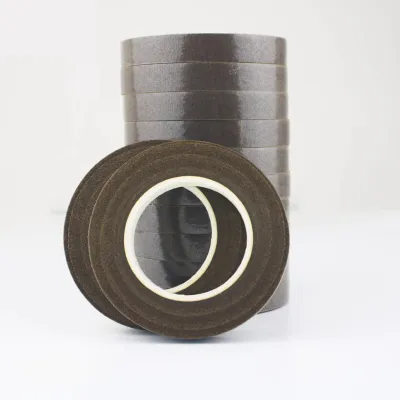
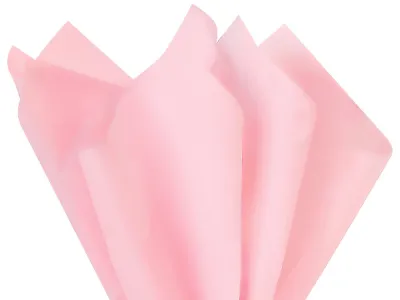
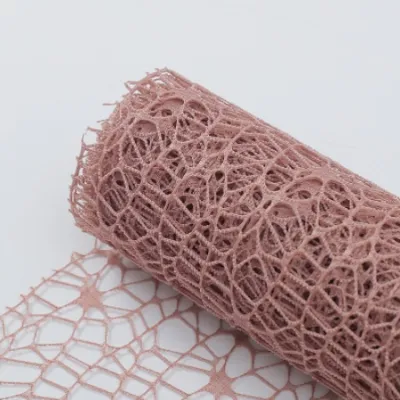
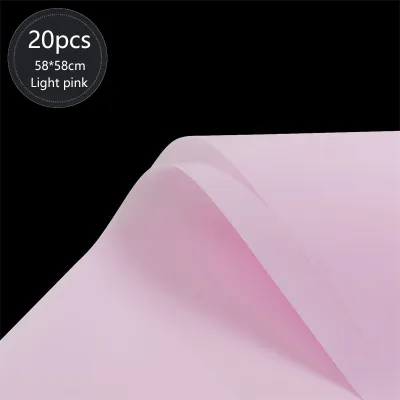
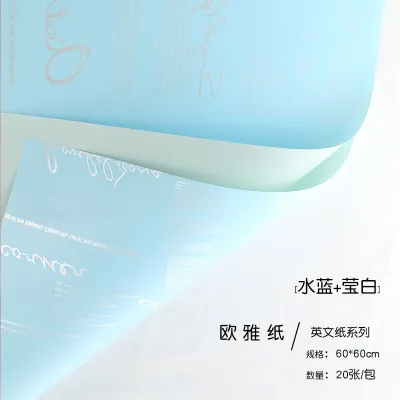
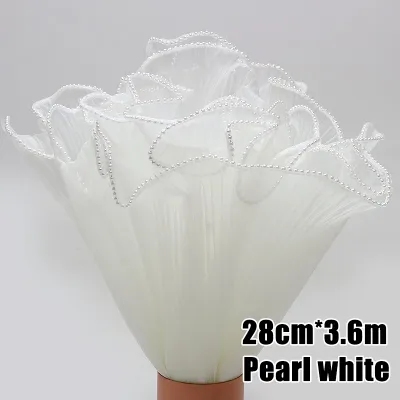
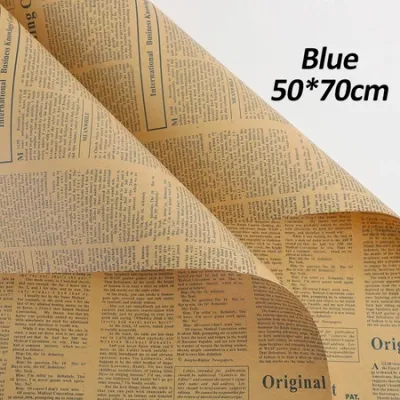
Prices are valid at publication and may change. Please refer to the product page for the latest price.

Birthdays and Anniversaries: Vibrant and Personalized
Joyful milestones call for lively, energetic aesthetics that reflect celebration and personal connection. Opting for a wrapper with design prints like playful polka dots, soft watercolor florals, or whimsical abstract patterns immediately injects a sense of fun into the presentation. These designs work exceptionally well when paired with bright, high-contrast blooms like sunflowers, gerbera daisies, or colorful mixed bouquets popular in tropical celebrations.
For modern anniversaries, subtle metallic gold geometric lines or delicate confetti prints on a semi-matte background offer a contemporary, festive feel. If you are preparing a gift for a close friend or partner, matching the wrapper pattern to their favorite color or hobby adds a highly personalized touch. The goal is to create visual excitement, so do not shy away from bold contrasts that mirror the cheerful energy of the day.
Weddings and Engagements: Elegant and Minimalist
Romantic and formal milestones require an entirely different approach, where understated elegance and sophisticated textures take center stage. For weddings and engagements, focus on solid pastel colors, subtle embossed textures, delicate lace overlays, or pearlized finishes that catch the light softly. These minimalist designs are meant to complement the bridal color palette and the formal ambiance of the venue without competing for attention.
Loud, busy patterns or overly complex graphics should be avoided, as they can easily distract from the premium quality of classic wedding flowers like roses, peonies, or calla lilies. Instead, look for high-grade waterproof matte sheets with soft, solid borders or a very fine, single-color pinstripe. This clean aesthetic ensures the focus remains entirely on the artistry of the floral arrangement while maintaining a sophisticated, high-end presentation.
Graduations and Achievements: Bold and Thematic
Academic and professional milestones are historic moments that deserve bold, high-impact designs that stand out in a crowd. Incorporating school colors, sleek metallic accents, or structured geometric patterns into the wrapper design is an excellent way to celebrate the graduate’s hard work. These structured patterns provide a modern, energetic framework that matches the triumphant mood of a graduation ceremony.
To keep the arrangement looking sophisticated rather than childish, use minimalist line art, classic plaids, or deep, rich primary colors with metallic gold or silver borders. This approach is particularly important for graduation portraits, where high-contrast wrappers ensure the bouquet photographs beautifully against dark graduation gowns. Stiffer, structured papers work best here, as they maintain their crisp angles even during a long day of celebrations and photo sessions.
Sympathy and Condolences: Subdued and Respectful
During times of sorrow and reflection, your floral gift must convey deep sincerity, respect, and quiet comfort. For sympathy and condolence gestures, the wrapper design must be highly subdued, utilizing muted tones such as soft greys, pale blues, creams, or classic white. Matte finishes are essential here, as they absorb light rather than reflecting it, creating a soft, comforting visual profile.
It is vital to avoid any bright colors, glossy materials, or festive graphic prints that could feel inappropriate or insensitive to the family’s grief. Instead, select simple, unpatterned sheets or natural-looking materials with minimal, understated printing, such as a faint, single-color border. The wrapper should serve as a quiet, protective layer that keeps the focus entirely on the soothing, natural beauty of white lilies, chrysanthemums, or pale roses.
How Material and Texture Influence the Final Design
The physical properties of your wrapping material play a decisive role in how a printed pattern looks and how the bouquet holds its shape. Different materials interact with inks, light, and moisture in unique ways, making material selection just as important as the design itself. In the humid tropical climate of the Philippines, selecting the right material also ensures your bouquet remains crisp and presentable throughout the day.
Common Floral Wrapping Materials
- Kraft Paper: This rustic, classic option is highly absorbent, making it the perfect medium for vintage prints, sepia-toned illustrations, and organic, earthy designs. It provides excellent structure and stiffness, though it must be kept dry to prevent tearing.
- Cellophane (PP/OPP): Known for its glossy finish and absolute water resistance, printed cellophane is ideal for vibrant, high-contrast designs. It protects the stems from external moisture and humidity, though it can reflect harsh light in photographs.
- Non-Woven Mesh: This material adds a rich, tactile dimension when layered over solid or patterned sheets. It does not tear easily and provides a soft, fabric-like drape that softens the overall silhouette of the arrangement.
- Tissue Paper: Extremely soft and delicate, tissue paper is excellent for creating layered, watercolor-like effects. However, its low water resistance means it must always be protected by a waterproof outer layer to prevent bleeding and tearing.
Before finalizing your design, always check the paper weight (measured in grams per square meter, or GSM) and stiffness. Stiffer papers (around 60 to 80 GSM) are necessary to support heavy stems without drooping, while lighter sheets are better suited for delicate, layered folds. Because bleed resistance and water resistance depend heavily on the exact material and ink combination, it is highly recommended to perform a quick trial check: spray a small scrap of the wrapper with water and apply a piece of adhesive tape to verify that the ink does not run and the surface does not tear easily. Additionally, consider how matte versus glossy finishes affect color vibrancy; matte finishes offer a modern, velvety look that photographs beautifully under bright lights, whereas glossy finishes make colors appear more saturated and festive.
Cross-Occasion Versatility: Building a Flexible Wrapper Stash
For hobbyists, DIY enthusiasts, or local florists, keeping a massive inventory of highly specific designs can be expensive and space-consuming. The key to efficiency is building a curated stash of versatile, multi-purpose designs that can be adapted for almost any event. Look for neutral patterns such as subtle marble textures, classic kraft paper with minimalist black line art, or solid ombre gradients that transition smoothly between shades.
By stocking these adaptable base designs, you can easily shift the tone of the entire bouquet simply by changing your accessories. For example, wrapping a bouquet in a neutral marble sheet and tying it with a bright, satin pink ribbon makes it perfect for a birthday; swapping that ribbon for a rustic jute twine instantly transforms the same wrapper into a comforting sympathy gesture. This modular approach allows you to maximize your budget while remaining ready for any sudden gift-giving occasion.
When sourcing your staple designs, buying in bulk from reputable online stationery shops or local craft wholesalers in Manila is highly cost-effective. Broad price bands typically range from budget-friendly options starting under ₱100 per roll up to premium, water-resistant textured sheets that offer professional-grade durability. Focus on purchasing double-sided sheets—such as those featuring a solid color on one side and a subtle geometric pattern on the other—to double your styling options without taking up extra storage space.
Practical Tips for Showcasing and Securing Patterned Wrappers
Even the most beautiful bouquet wrapper with design elements will lose its appeal if it is poorly folded, creased, or structurally unstable. To achieve a professional finish, you must master folding techniques that showcase the print without creating awkward, distracting creases. When working with patterned paper, avoid folding directly across a central design motif; instead, use soft, layered fan folds or diagonal overlaps that allow the pattern to flow naturally around the stems.
Securing your wrapper requires choosing adhesives and fasteners that are compatible with your specific material to avoid unsightly tears or chemical damage. For delicate tissue or thin paper, avoid high-tack liquid glues or heavy-duty tapes that can saturate the fibers and cause the printed ink to bleed. Instead, opt for lightweight double-sided tape, acid-free floral tape, or soft floral wire wrapped in paper. To ensure safety and prevent accidental cuts, always handle floral wire with care and use dedicated craft scissors when trimming stiff plastic or thick paper backings. Always ensure that any tape used is hidden beneath a fold or covered by a decorative ribbon to maintain a clean, seamless look.
Finally, always trim any excess wrapping material to keep the overall design proportional to the size of your flower stems. A wrapper that is too tall will swallow the blooms and block the light, while one that is too short will fail to protect the stems and look unfinished. Aim for a balanced silhouette where the wrapper framing extends roughly two to three inches above the highest bloom, and the handle is securely bound at the natural gripping point of the bouquet.
Frequently Asked Questions (FAQ)
How do I prevent patterned cellophane or thick paper from cracking when folded?
Stiffer materials like heavy coated paper or thick patterned cellophane can easily crack or develop white crease lines when folded sharply, ruining the printed design. To prevent this, avoid making hard, flat creases with your fingers. Instead, gently roll the material into soft folds, or use a specialized bone folder to score the paper lightly along the intended fold line before bending. This scoring process relaxes the paper fibers, allowing for clean, crisp bends without fracturing the printed ink or damaging the protective coating.
Should the wrapper design match the flowers or contrast with them?
Both approaches are highly effective, but they serve different visual purposes depending on the occasion. A monochromatic match—where the wrapper design shares the same color family as the blooms—creates a cohesive, elegant, and calming look that is perfect for formal events, weddings, or sympathy gestures. Conversely, a high-contrast pairing—such as a dark navy geometric wrapper surrounding bright yellow sunflowers—creates dynamic energy and makes the flowers pop, making it ideal for celebratory occasions like birthdays and graduations.

Community discussion
Share your experience or ask a question. Comments are reviewed before publication.