
Finding the perfect chicken-colored modeling dough for your craft projects in the Philippines requires understanding how art brands categorize these warm, vibrant shades. While you will rarely find a tub labeled “chicken color” on the shelves of local craft stores, high-quality modeling clays and doughs in chick yellow, pastel orange, peach, and warm terracotta are widely available from trusted brands like Amos, Nara, Jovi, and Sculpey. Choosing the right material depends on whether you are crafting delicate miniatures, lightweight ornaments, or engaging in temporary sensory play with children.
To achieve the best results, you must match the specific type of clay to your project’s goals. Air-dry clay offers a lightweight, matte finish that is perfect for hanging ornaments, while polymer clay provides the durability and fine detail required for jewelry and collectible figurines. For children’s activities, reusable play dough remains the ideal choice due to its soft texture and non-toxic formulation. Understanding how these materials behave under local tropical conditions will ensure your yellow and orange creations remain vibrant and crack-free.
Decoding "Chicken Color" for Your Craft Projects
When searching for art supplies, “chicken color” is not a standard industry classification. Instead, the term covers a spectrum of warm, earthy, and pastel tones depending on the specific type of chicken you want to create. Identifying the exact shade you need beforehand will save you time and prevent purchasing the wrong materials.
Products mentioned in this guide
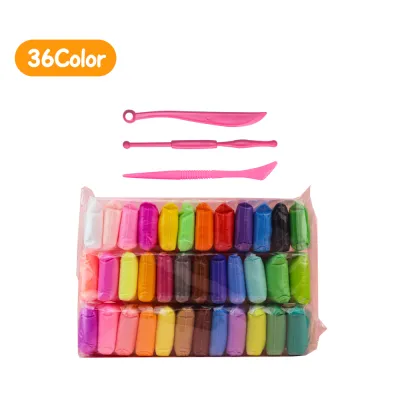
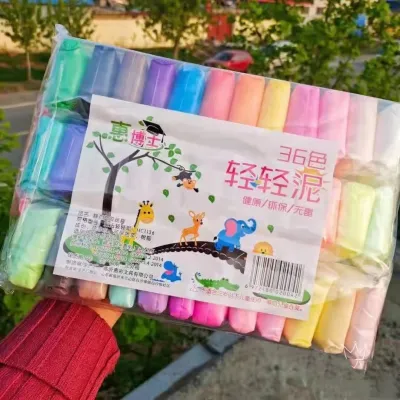
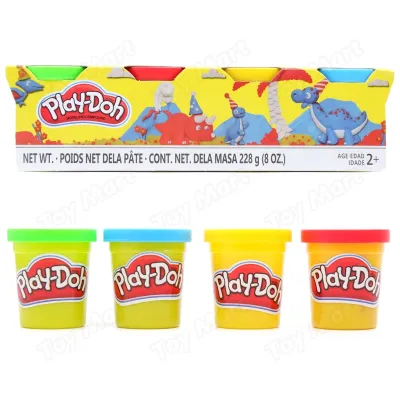
Prices are valid at publication and may change. Please refer to the product page for the latest price.
For classic, cartoon-style baby chicks, you should look for bright pastel yellow, lemon yellow, or dandelion yellow. These shades represent the soft, fluffy down of newly hatched chicks and provide a cheerful, vibrant look. If you are crafting a realistic adult chicken, such as a Rhode Island Red or a Philippine native chicken (native na manok), you will need deeper, warmer tones. Search for terracotta, rust orange, burnt sienna, or warm reddish-brown to capture the rich plumage of adult birds.
If your project involves making miniature food crafts, such as a realistic roasted chicken, the color palette shifts entirely. You will need golden-brown, ochre, sienna, and warm tan to replicate the glistening, cooked skin. For the details like the beak, feet, comb, and wattle, you will require accent colors like vibrant orange and primary red.
To find these specific shades on local e-commerce platforms, avoid searching for the phrase “chicken color dough.” Instead, use precise search terms that sellers use to list their inventory. Highly effective search keywords include:
- "Yellow air-dry clay" or "pastel yellow modeling clay"
- "Terracotta polymer clay" or "flesh tone oven-bake clay"
- "Mustard yellow play dough" or "orange sensory dough"
- "Ochre modeling paste"
Essential Factors to Consider When Choosing Modeling Dough
Selecting the right modeling dough involves evaluating several physical properties and performance factors. Because the local climate in the Philippines is characterized by high relative humidity and warm temperatures, modeling materials can behave differently here than in cooler, drier regions.

Dough Type and Curing Method
The first decision is determining how the dough hardens. Air-dry clay cures through water evaporation over 24 to 48 hours, making it highly convenient since it requires no specialized equipment. Polymer clay contains PVC particles and plasticizers that require baking in a home oven at temperatures between 110°C and 130°C to cure fully. Reusable play dough is formulated with salt, water, and flour or binders to remain soft indefinitely, provided it is stored correctly.
Texture, Smoothness, and Workability
To test the quality and moisture level of your modeling dough before starting a project, perform a simple palm-rolling test. Take a small, cherry-sized piece of dough and roll it into a smooth ball between your palms. If the ball develops deep cracks on its surface within five seconds of rolling, the dough is dry and may have been stored poorly. If it leaves a sticky, colored residue on your skin, the binder-to-pigment ratio is unbalanced, or the dough has absorbed excess moisture from high local humidity.
Final Finish and Shrinkage
Consider how the dough looks once it is fully cured. Most air-dry clays dry to a soft, matte, slightly paper-like finish. Polymer clay offers a denser, semi-matte or satin finish that can be sanded, buffed, or glazed to a high gloss. Reusable play dough is not meant to dry, but if left out, it will shrink significantly, distort, and develop a white salt crust on the surface. Air-dry clay also undergoes slight shrinkage (typically 5% to 10%) as its water content evaporates, which can cause fine details to warp slightly.
Safety Labels and Certifications
If your crafting projects involve young children, safety is the primary consideration. Always inspect the product packaging for clear non-toxic certifications, such as the AP (Approved Product) seal from the Art and Creative Materials Institute (ACMI) or compliance with European EN71 safety standards. Ensure the product is free from strong chemical odors, which can indicate low-grade industrial binders.
Net Weight and Shelf Life
When purchasing online, verify the net weight of the product rather than relying on listing photos, which can be deceptively scaled. Modeling dough has a limited shelf life. In the Philippines, the warm climate can accelerate the drying process of poorly sealed packages in storage warehouses. Look for products that are double-sealed in foil packaging or airtight plastic tubs to ensure they arrive fresh and pliable.
Recommended Modeling Dough Types for Chicken-Themed Crafts
Different crafting scenarios require different material characteristics. By matching your project type to the correct category of modeling dough, you will avoid frustration and achieve professional-looking results.
Air-Dry Clay for Lightweight Figurines and Ornaments
Air-dry clay is highly recommended for creating medium-to-large chicken figurines, hanging holiday ornaments, and decorative mobile pieces. Because it is incredibly lightweight—often referred to as “super light clay” or “foam clay”—finished pieces will not sag under their own weight or stress the branches of a display tree.
Brands like Amos I-Clay and Nara offer excellent air-dry options in vibrant yellows and oranges. This type of clay is exceptionally soft and easy to stretch, making it highly accessible for beginners. It air-dries to a velvety, slightly flexible texture that resists breaking if dropped.
However, because air-dry clay cures via evaporation, the high humidity in the Philippines can prolong the drying time. A piece that dries in 24 hours in a dry climate may take up to 48 hours locally. To protect your finished air-dry chicken figurines from absorbing moisture from the air over time, which can make them soft and sticky, you must apply a clear, water-based acrylic sealant once they are completely dry.
Polymer Clay for Detailed, Durable Miniatures
For intricate projects like chicken-themed jewelry, charms, dollhouse miniatures, or highly detailed collectible figurines, polymer clay is the superior choice. This material does not dry out while you work, allowing you to spend hours carving fine details like individual feathers, tiny beaks, and expressive eyes.
Popular brands available through local specialty craft importers include Sculpey (Premo and Soufflé lines) and Fimo. These professional-grade clays hold their shape perfectly during sculpting and do not warp or shrink during the baking process. Once baked, polymer clay becomes incredibly hard, durable, and completely water-resistant.
Before choosing polymer clay, verify that you have access to a dedicated toaster oven or a home oven equipped with an accurate oven thermometer. You must never bake polymer clay in a microwave oven, as it will burn and release toxic fumes. Additionally, because polymer clay requires precise temperature control to cure without scorching, you should perform a test bake with a small scrap piece of yellow clay to confirm your oven does not discolor the bright pigment.
Reusable Play Dough for Kids and Temporary Models
If you are organizing a classroom activity, sensory play session, or simply prototyping chicken shapes before committing to a permanent material, reusable play dough is the most practical option. Its high moisture content and soft, pliable texture make it easy for small hands to squeeze, roll, and stamp.
Classic brands like Play-Doh provide affordable multi-packs that feature bright yellow and orange shades. These doughs are designed to be used repeatedly, helping children develop fine motor skills without the pressure of creating a permanent keepsake.
To maintain the usability of play dough in a tropical environment, you must store it in its airtight container immediately after play. If the dough begins to feel slightly dry, you can restore its pliability by kneading in a single drop of water at a time. Be aware that if children mix the yellow “chick” dough with red or brown dough, the colors will blend permanently, eventually turning into a muddy brown shade.
How to Mix the Perfect Chicken Color from Basic Shades
If you cannot find pre-colored yellow or orange dough at your local craft supplier, you can easily mix your own custom “chicken colors” using basic primary and secondary shades. This method allows you to control the exact hue and create realistic shading on your models.
To mix the perfect shades, follow these simple color recipes:
- Bright Chick Yellow: Start with a large portion of pure yellow dough. Add a tiny, pinhead-sized dot of warm orange or red dough. Knead the mixture thoroughly until no streaks remain. If the color is too intense, blend in a small amount of white dough to soften it into a pastel, buttery yellow.
- Warm Terracotta (Adult Hen): Begin with a base of medium brown or tan dough. Gradually fold in equal parts of yellow and red dough. If the shade looks too dark, add a touch of cream or white dough until you achieve a warm, rustic orange-brown.
- Golden Roasted Chicken: Mix a base of warm yellow dough with a small pinch of brown and a tiny dot of red. This creates a rich, savory ochre tone. You can brush dry brown pastel powder onto the crevices of the cured clay later to simulate a roasted, crispy texture.
- Soft Peach (Beaks and Feet): Combine a large portion of white dough with a small pinch of yellow and an even smaller pinch of red. Knead until you get a soft, natural flesh tone.
When mixing custom colors, always observe these practical guidelines to ensure a clean, successful blend:
- Mix a Trial Batch: Always mix a small, coin-sized test batch first. Let air-dry clay dry completely, or bake a small piece of polymer clay, to verify the final color. Many clays naturally darken or shift in shade slightly as they cure.
- Wear Disposable Gloves: Wear thin, powder-free nitrile gloves while kneading different colors. This prevents the strong pigments in red and brown clay from staining your hands and transferring onto light yellow clay.
- Keep Tools Clean: Clean your hands, rolling pins, and work surfaces with alcohol-free wet wipes whenever you switch between mixing light and dark shades to avoid color contamination.
Smart Shopping Tips for Local E-Commerce Platforms
Shopping for craft supplies on online marketplaces in the Philippines requires a strategic approach to ensure you receive high-quality, usable modeling dough. Because you cannot physically touch or inspect the clay before purchasing, you must rely on specific indicators of seller reliability.
First, prioritize shops with high overall ratings (4.8 stars and above) and a high chat response rate. Read the customer reviews specifically looking for uploaded photos and videos. These real-world images will give you a much more accurate representation of the clay’s true color under natural lighting than the seller’s stock photos, which are often digitally enhanced.
Second, check the seller’s location and estimated shipping times. If you live in Metro Manila or neighboring provinces, purchasing from a local seller reduces the time your package spends in transit. Clay products left in hot delivery trucks or sorting hubs for extended periods under the tropical sun can dry out, become crumbly, or lose their structural integrity before they reach your doorstep.
Third, do not hesitate to message the seller before placing your order. Ask them to confirm the manufacturing or expiry date of the dough, especially if you are buying air-dry clay or reusable play dough. A reputable seller should be able to verify that their stock is fresh, soft, and stored in a cool, dry place away from direct sunlight.
Frequently Asked Questions (FAQ)
How do I prevent air-dry clay from cracking while shaping a chicken figurine?
Cracking in air-dry clay is typically caused by uneven drying, rapid moisture loss, or over-working the clay once it has begun to set. To prevent this, shape your chicken figurine quickly and avoid exposing it to direct drafts from electric fans or air conditioners while working. If you notice minor surface cracks forming, gently smooth them out using a slightly damp silicone brush, a damp sponge, or your fingertip. Once finished, let the figurine dry slowly in a cool, shaded room away from direct sunlight, turning it occasionally to ensure even exposure to the air.
Can I paint over white modeling dough if I cannot find the right yellow or orange shade?
Yes, painting over white or neutral-colored modeling dough is a highly effective way to achieve custom chicken colors. You must wait until your clay is completely dry (for air-dry clay) or fully baked and cooled (for polymer clay) before applying any paint. Use high-quality acrylic paints, as they provide excellent opacity, adhere well to clay surfaces, and dry quickly. After the paint has dried completely, apply a coat of clear, water-based acrylic varnish to seal the surface and protect your custom paint job from chipping, dust, and moisture.

Community discussion
Share your experience or ask a question. Comments are reviewed before publication.